1 hour ago
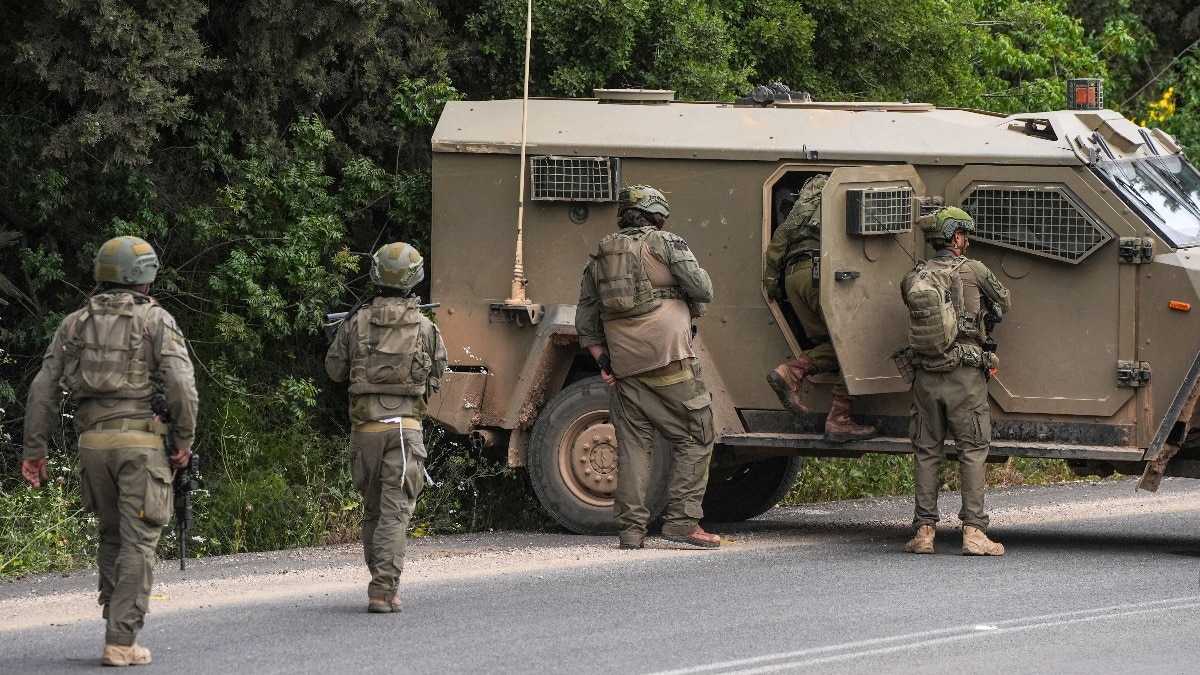
Israeli Prime Minister Benjamin Netanyahu appears to be continuing military operations against Hezbollah not only to address immediate security threats but also to create a long-term buffer zone, weaken the group's military capabilities, strengthen Israel's negotiating leverage and send a deterrent message to Iran.
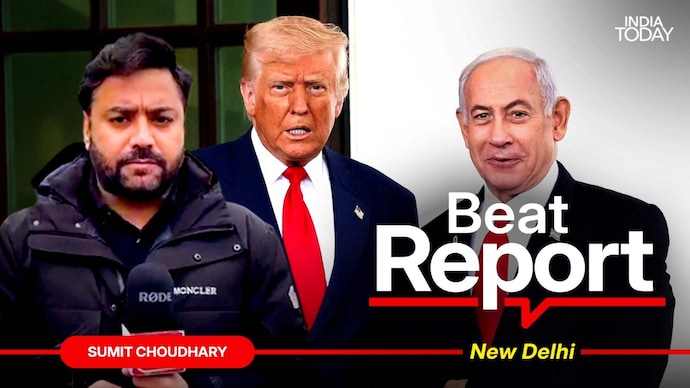
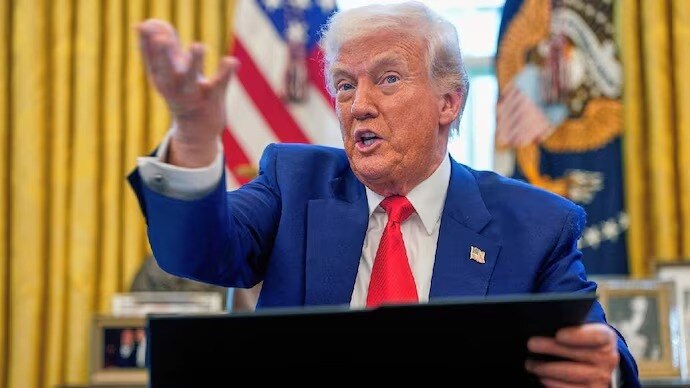
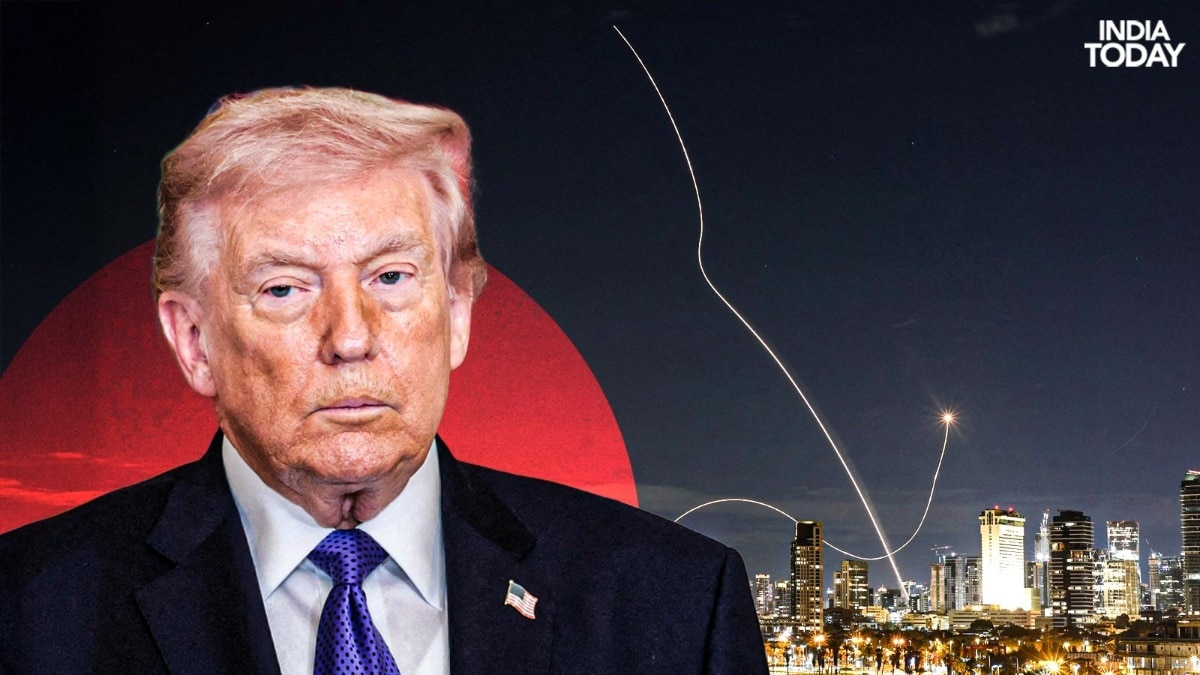
Donald Trump and Benjamin Netanyahu.

New Delhi,UPDATED: Jun 8, 2026 17:17 IST
Over the past 100 days, Iran, the United States and Israel have continued to confront each other within the framework of a so-called temporary ceasefire.
Israeli Prime Minister Benjamin Netanyahu has consistently argued that the war against Iran-backed proxies Hezbollah and Hamas should continue until their military capabilities are dismantled and, in a broader sense, until the balance of power in the region shifts decisively against Tehran. Netanyahu has repeatedly signalled that he believed the ceasefire came “too soon” and risked allowing Iran and its allies time to regroup.
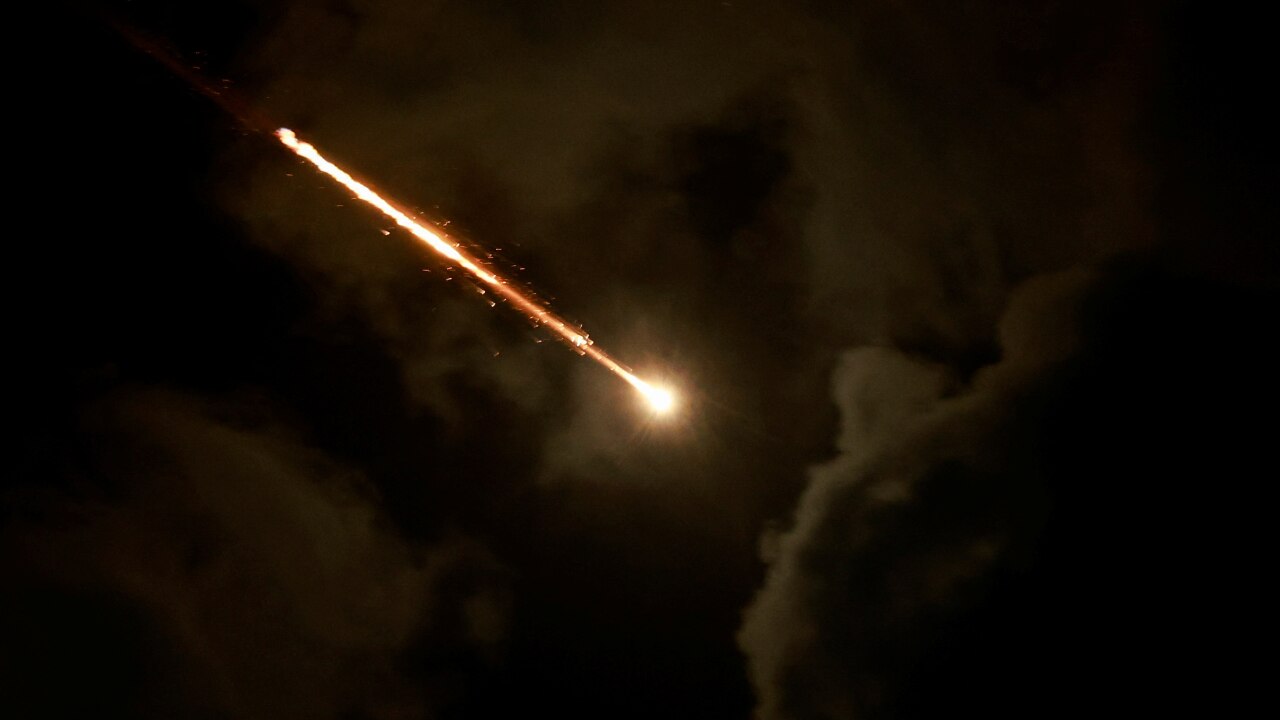
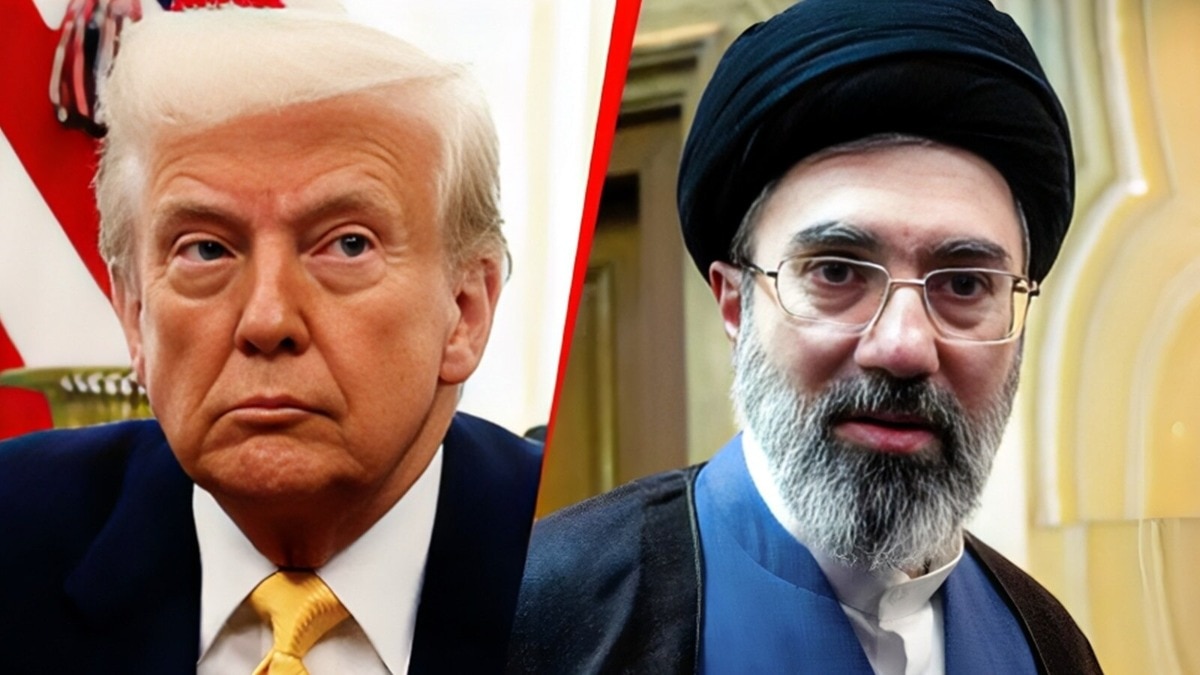
Meanwhile, Israel’s operations in Lebanon have complicated US diplomatic efforts with Iran. Tehran suspended discussions with Washington amid Israel’s escalating military campaign, highlighting the growing disconnect between American diplomatic priorities and Israeli military objectives.
These differing goals have created visible friction between US President Donald Trump and Netanyahu. The Israeli Prime Minister has expanded strikes on Beirut and widened military operations in southern Lebanon despite repeated appeals from Trump to avoid actions that could trigger a wider regional conflict.
The question therefore is not simply whether Netanyahu is ignoring Trump. The more important question is whether Israel is pursuing a larger strategic agenda that it believes outweighs short-term diplomatic concerns.
A SECURITY DOCTRINE FOCUSED ON PERMANENT SECURITY
Israeli officials have repeatedly argued that communities in northern Israel cannot return to normal life while Hezbollah maintains military infrastructure close to the border. For Israel’s leadership, the objective is not merely to respond to immediate threats but to create a permanent security architecture that prevents future attacks and reassures residents living near the Lebanese border.
For years, Hezbollah’s rockets, drones and cross-border capabilities have been viewed by Israel as a direct threat to civilian populations in northern Israel. As a result, Israeli planners have sought to establish a stronger security buffer and push Hezbollah forces farther north, particularly beyond the Litani River.
For Netanyahu, creating such a buffer zone would represent a tangible security achievement and provide evidence that Israel has fundamentally altered the security environment along its northern frontier.
CRIPPLING HEZBOLLAH BEFORE THE NEXT CONFLICT
A second objective is the systematic degradation of Hezbollah’s military capabilities.
Israeli strategists believe that sustained military pressure can significantly reduce Hezbollah’s ability to threaten Israel for years to come. Current operations are designed to target missile stockpiles, command-and-control networks, senior leadership figures and logistics infrastructure.
Israeli officials argue that every weapons depot destroyed, and every command centre neutralised reduces the likelihood of a larger and more devastating conflict in the future.
From this perspective, the current campaign is not merely a response to immediate threats but an effort to reshape the military balance for the long term.
USING MILITARY GAINS TO SHAPE FUTURE NEGOTIATIONS
Military pressure is also a negotiating tool.
Israel may believe that battlefield gains today can translate into stronger terms in any future ceasefire arrangement. Jerusalem is likely to seek stricter guarantees regarding Hezbollah deployments, weapons transfers and future military activity before agreeing to a lasting settlement.
The logic is straightforward: the stronger Israel’s position on the ground, the greater its leverage at the negotiating table.
This explains why Netanyahu may be reluctant to halt operations before securing what he considers meaningful strategic gains.
DOMESTIC POLITICS AND THE IRAN MESSAGE
Domestic political considerations also play a role.
Netanyahu continues to face intense scrutiny over Israel’s security environment. Demonstrating a hard line against Hezbollah helps reinforce his image as a leader committed to national security at a time when many Israelis remain concerned about threats from multiple fronts.
At the same time, Israel’s actions in Lebanon are also intended to send a broader message to Iran. By targeting Tehran’s most powerful regional proxy, Israel is signalling that attacks conducted through allied militant groups will carry significant consequences.
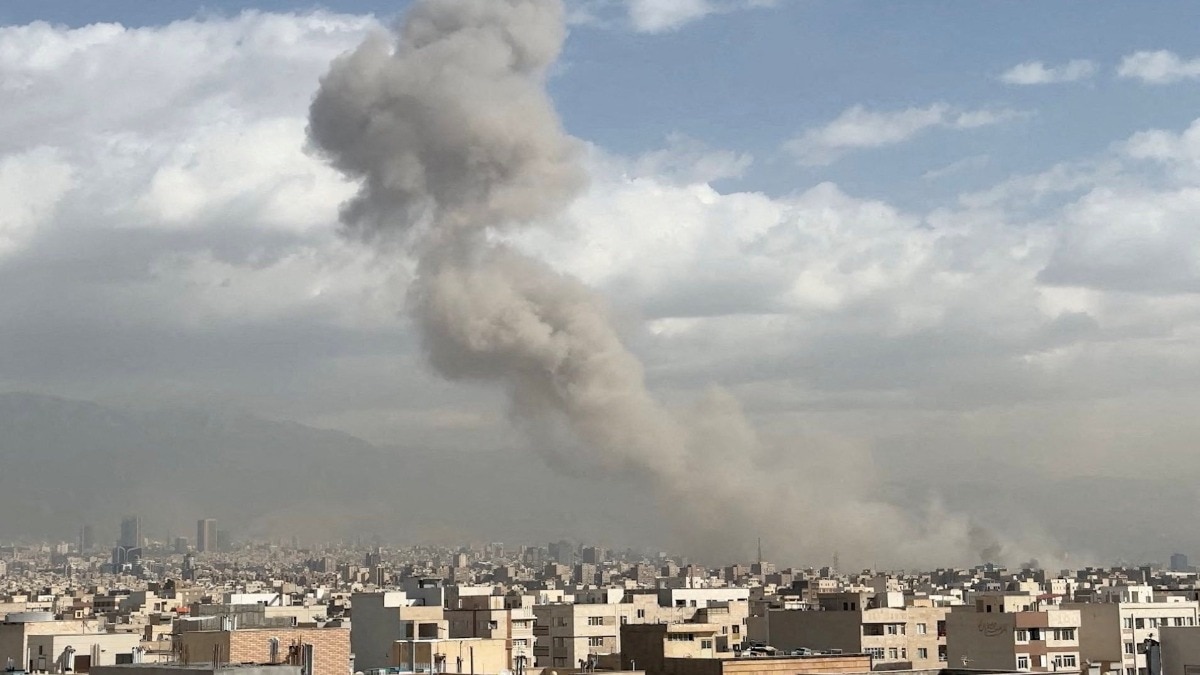
Recent exchanges involving Iran and Israel underscore how closely the Lebanon front is tied to the wider regional confrontation. For Israeli decision-makers, weakening Hezbollah is not only about Lebanon; it is about reducing Iran’s influence across the region.
THE LARGER QUESTION
Netanyahu’s continued military operations appear aimed at achieving multiple objectives simultaneously: creating a security buffer, degrading Hezbollah’s military power, strengthening Israel’s negotiating position and sending a deterrent message to Iran.
These goals help explain why Israel’s leadership may be willing to risk friction with Washington and proceed despite Trump’s calls for restraint.
The bigger question, however, is whether these objectives can be achieved without triggering a broader regional war. As tensions continue to simmer across the Middle East, the answer to that question may determine not only the future of Israel’s security strategy but also the stability of the entire region.
- Ends
Published By:
Akshat Trivedi
Published On:
Jun 8, 2026 17:17 IST