 1 hour ago
A symbolic image inside a flight to Islamabad sets the emotional backdrop for high-stakes US-Iran ceasefire talks, where mistrust, war memories and fragile diplomacy collide ahead of crucial negotiations.
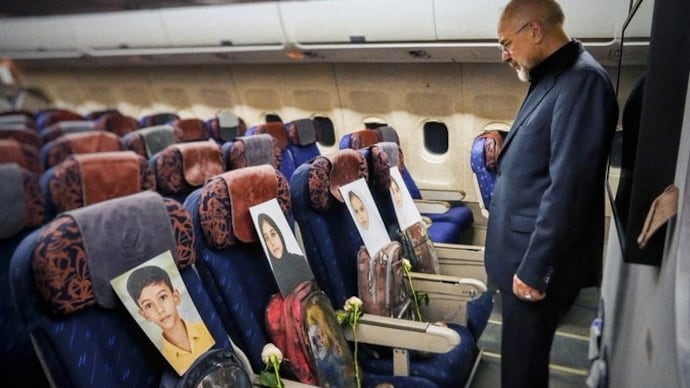
Sharing the image on X, Ghalibaf wrote, “my companions on this flight, Minab168,” a reference to the children and staff killed in the February 28, 2026 strike on an elementary school in Minab.
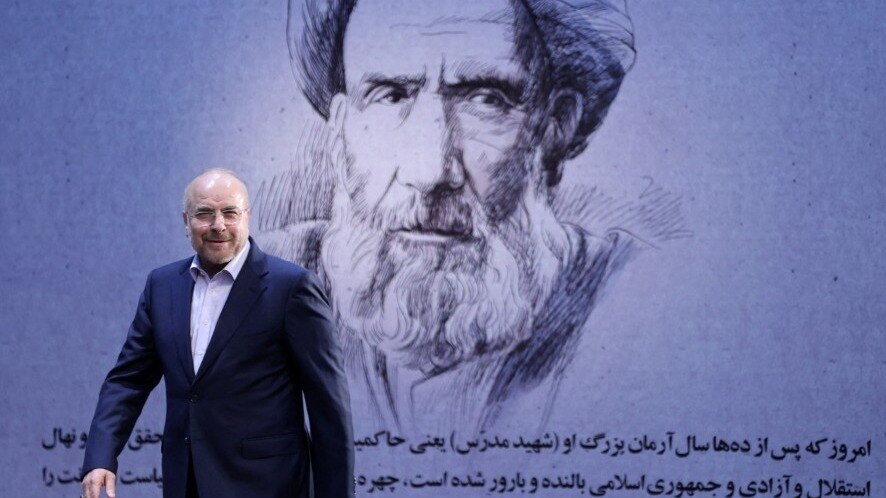
A striking image from inside a plane carrying Iran’s Parliament Speaker Mohammad Ghalibaf to Islamabad has set the tone for crucial US-Iran talks, amid ceasefire tensions, military escalation and fragile diplomatic openings.
En route to negotiations in Islamabad, Ghalibaf used the high-stakes diplomatic journey to highlight a powerful visual statement.
Inside the aircraft, empty seats were arranged with photographs and belongings of victims from the Minab school strike, including children killed in the US-Israeli attack.
Sharing the image on X, Ghalibaf wrote, “my companions on this flight, Minab168,” a reference to the children and staff killed in the February 28, 2026 strike on an elementary school in Minab.
The attack, which reportedly killed at least 165 people and injured more than 100, has become a central point of reference in Iran’s messaging ahead of negotiations.
‘GOOD INTENTIONS BUT NO TRUST’ AS TALKS BEGIN
On landing in Islamabad, Pakistan, Ghalibaf struck a cautious tone, saying Tehran enters discussions with “good intentions but no trust,” according to Tasnim News Agency.
He said past negotiations had repeatedly collapsed.
“Unfortunately, our experience of negotiating with the Americans has always been met with failure and breach of contract,” he said. He added that even during earlier talks, Iran had faced strikes it views as violations of understanding.
Ghalibaf made clear Iran’s position remains conditional.
“In the upcoming negotiations, if the American side is ready to make a real agreement and grant the rights of the Iranian people, they will see our readiness to make an agreement as well,” he said.
He also warned against what he described as deception in diplomacy, saying Iran would respond firmly if talks were used as cover for insincere action.
US SIGNALS OPENNESS BUT WARNS AGAINST MISSTEPS
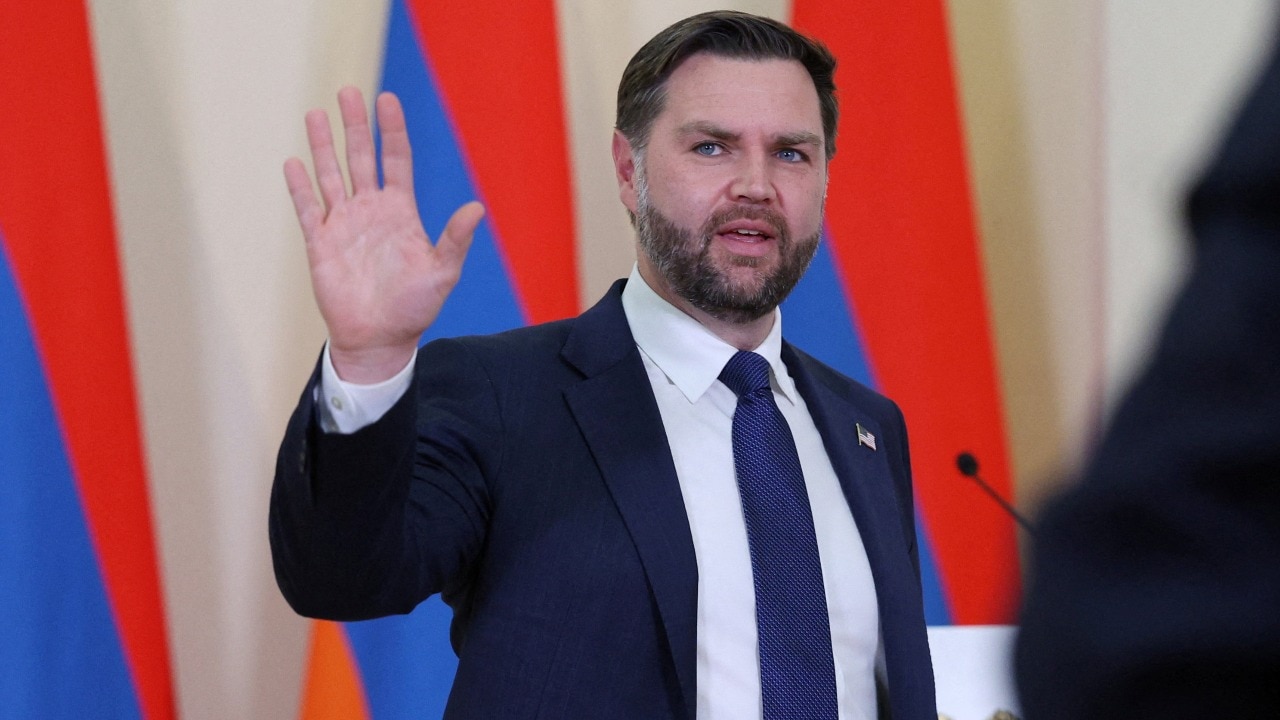
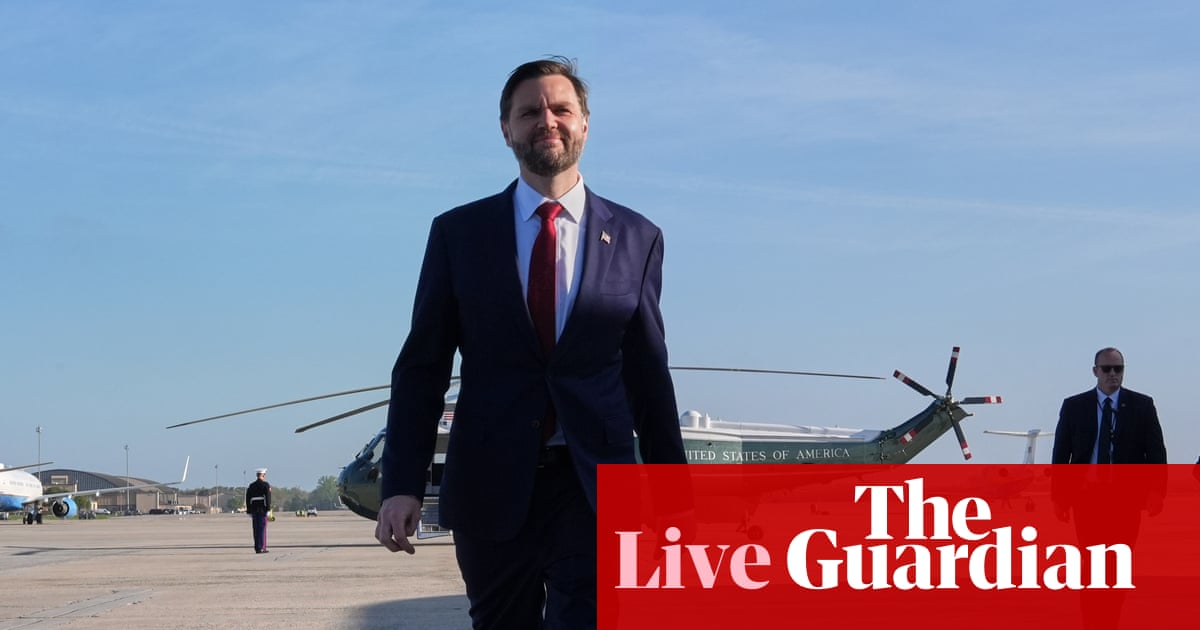
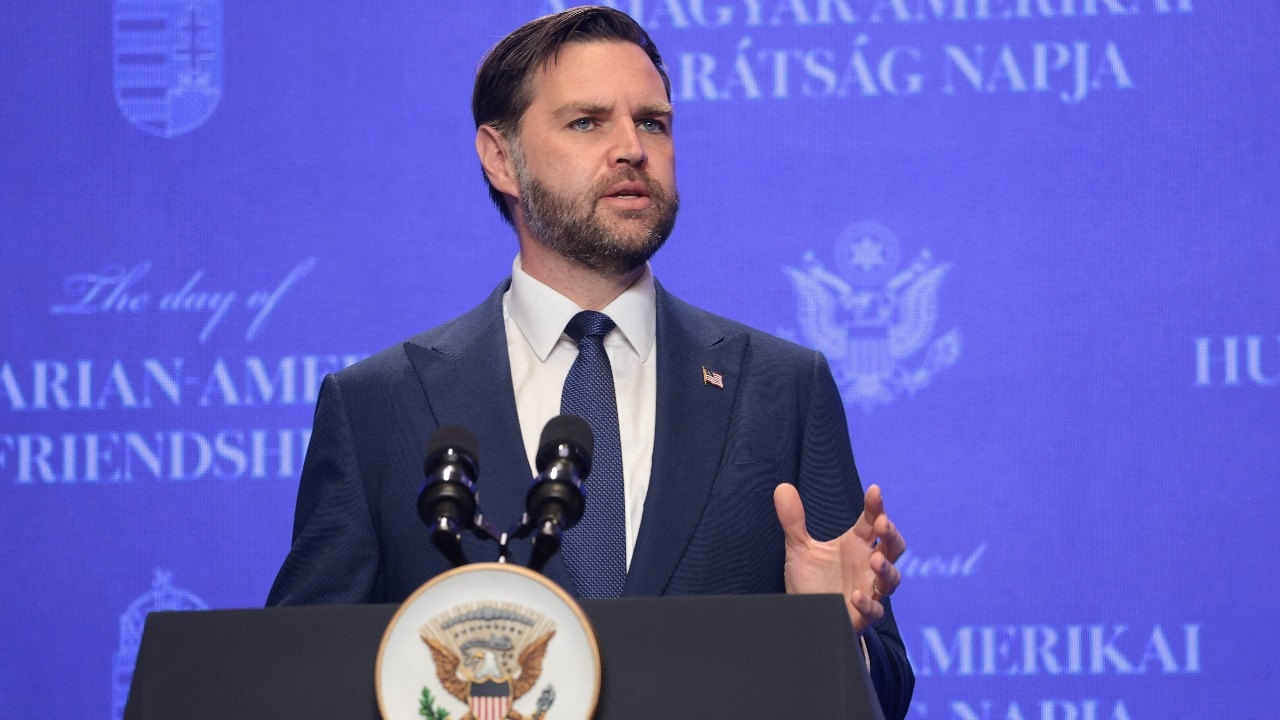
US Vice President JD Vance, speaking before departing for Islamabad, said Washington is open to a deal if negotiations are genuine.
“If the Iranians are willing to negotiate in good faith, we are certainly willing to extend the open hand,” he said.
However, he added a warning.
“If they’re going to try to play us, they’re going to find that the negotiating team is not that receptive.”
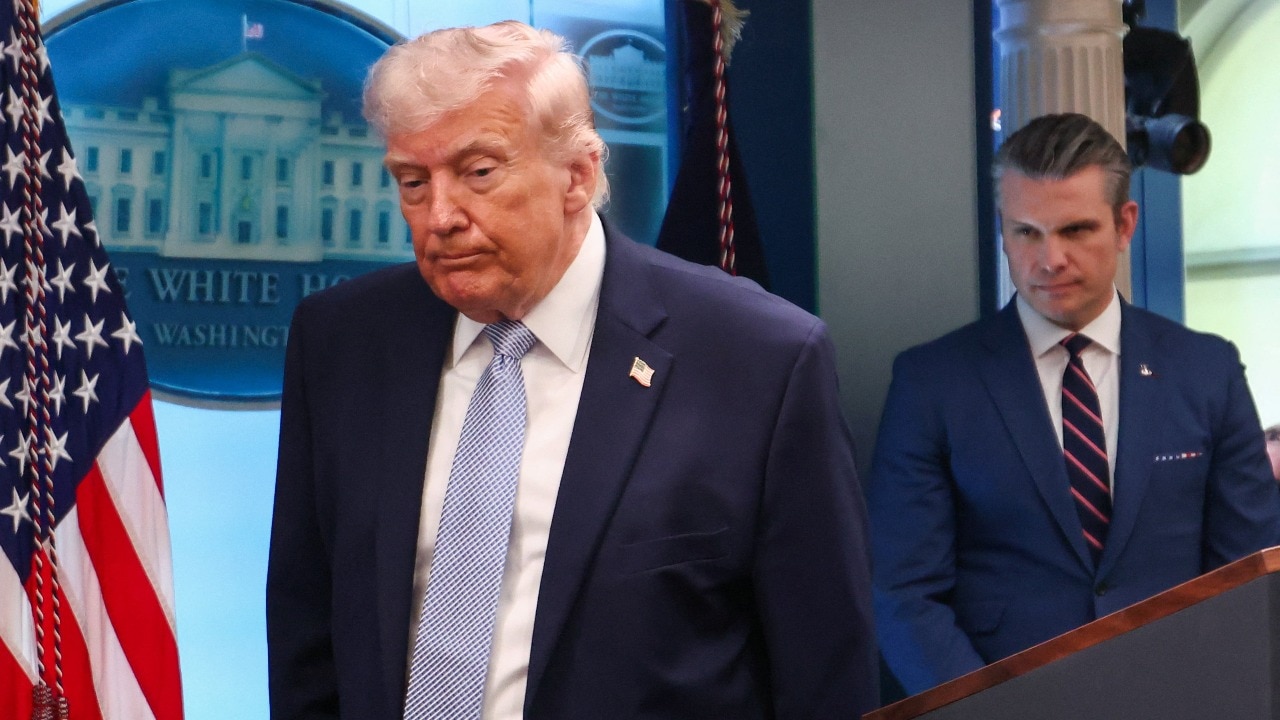
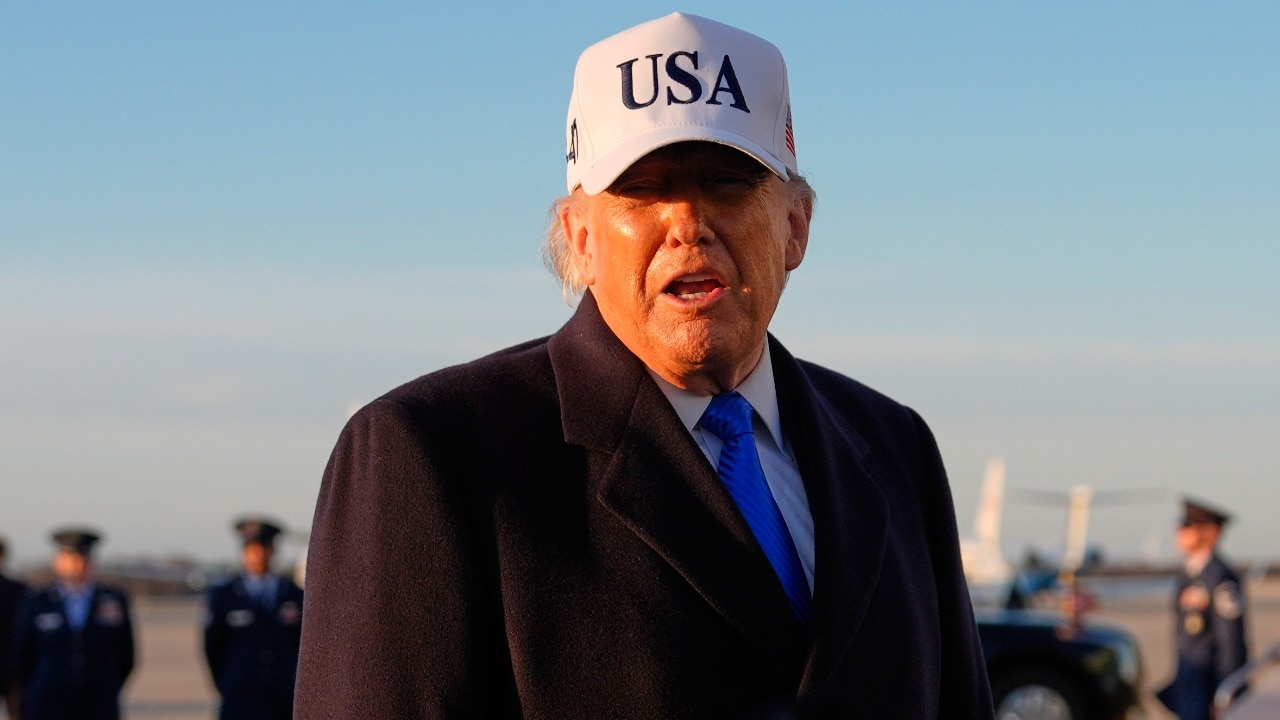
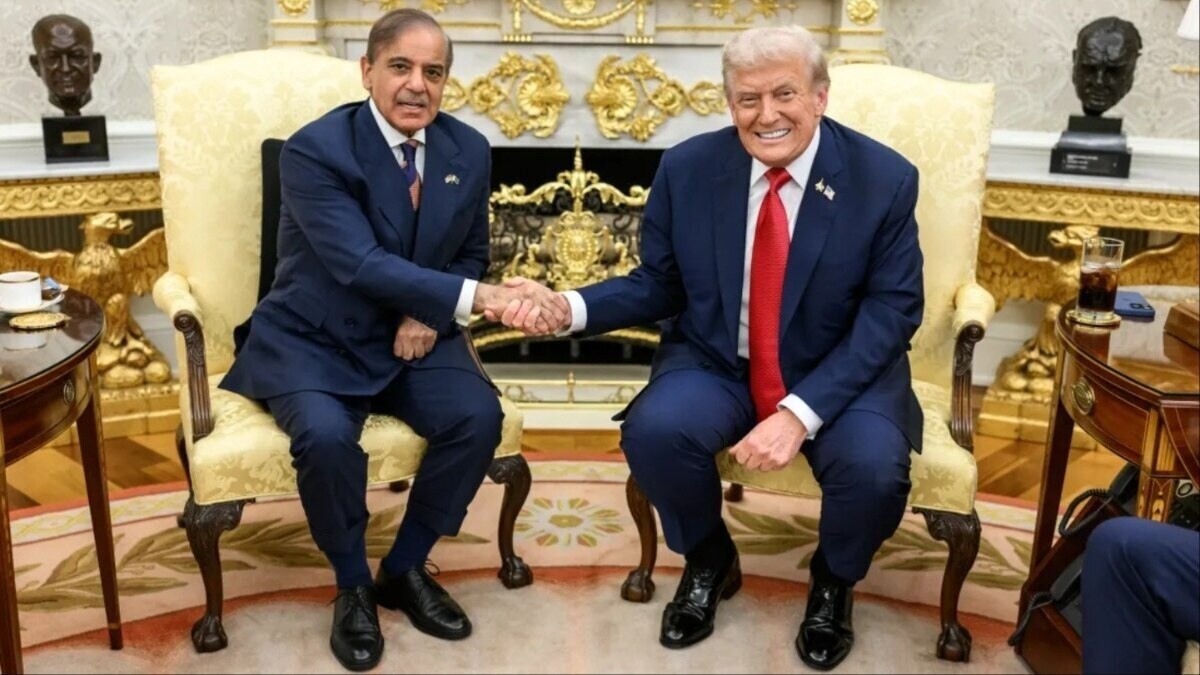
President Donald Trump also weighed in on social media, suggesting Iran was overestimating its position ahead of the talks and referencing tensions around the Strait of Hormuz.
DELEGATIONS ARRIVE IN PAKISTAN FOR CRUCIAL CEASEFIRE TALKS
The negotiations in Islamabad bring together senior delegations after a fragile two-week ceasefire was brokered earlier this week with mediation from Pakistan, Trkiye, China, Saudi Arabia and Egypt.
Iran’s delegation is led by Ghalibaf alongside Foreign Minister Abbas Araghchi, arriving in the Pakistani capital as discussions begin on turning the temporary truce into a lasting settlement.
On the US side, Vice President JD Vance is joined by presidential envoy Steve Witkoff and adviser Jared Kushner, who are representing the White House in the talks.
WAR BACKDROP RAISES STAKES FOR BOTH SIDES
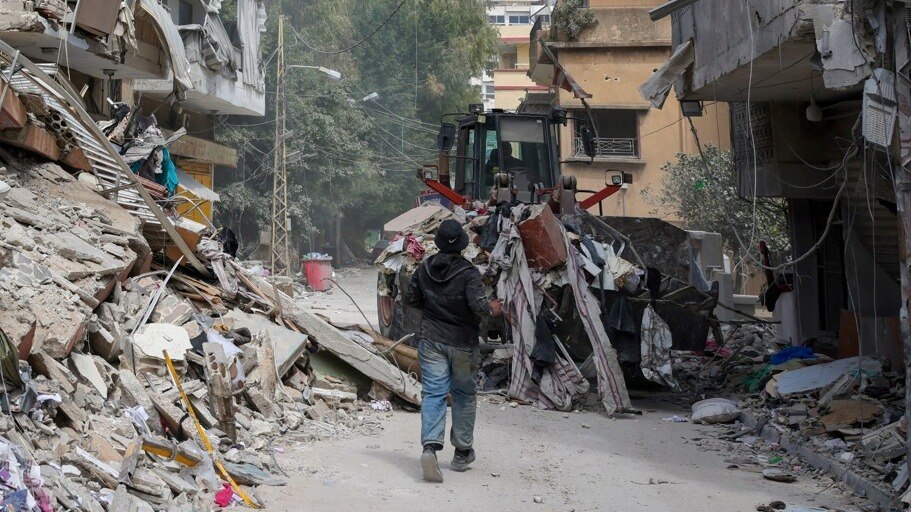
The war, now stretching close to six weeks, has caused widespread destruction across Iran and Lebanon, with thousands of deaths reported and major disruption to regional stability and global energy routes.
At the centre of tensions is the Strait of Hormuz, where Iran has maintained pressure over shipping movements. Tehran has said it will not give up what it calls its “legitimate rights,” while limited maritime traffic continues through the passage.
President Trump has argued Iran is using control of waterways as leverage, warning against what he described as economic pressure tactics.
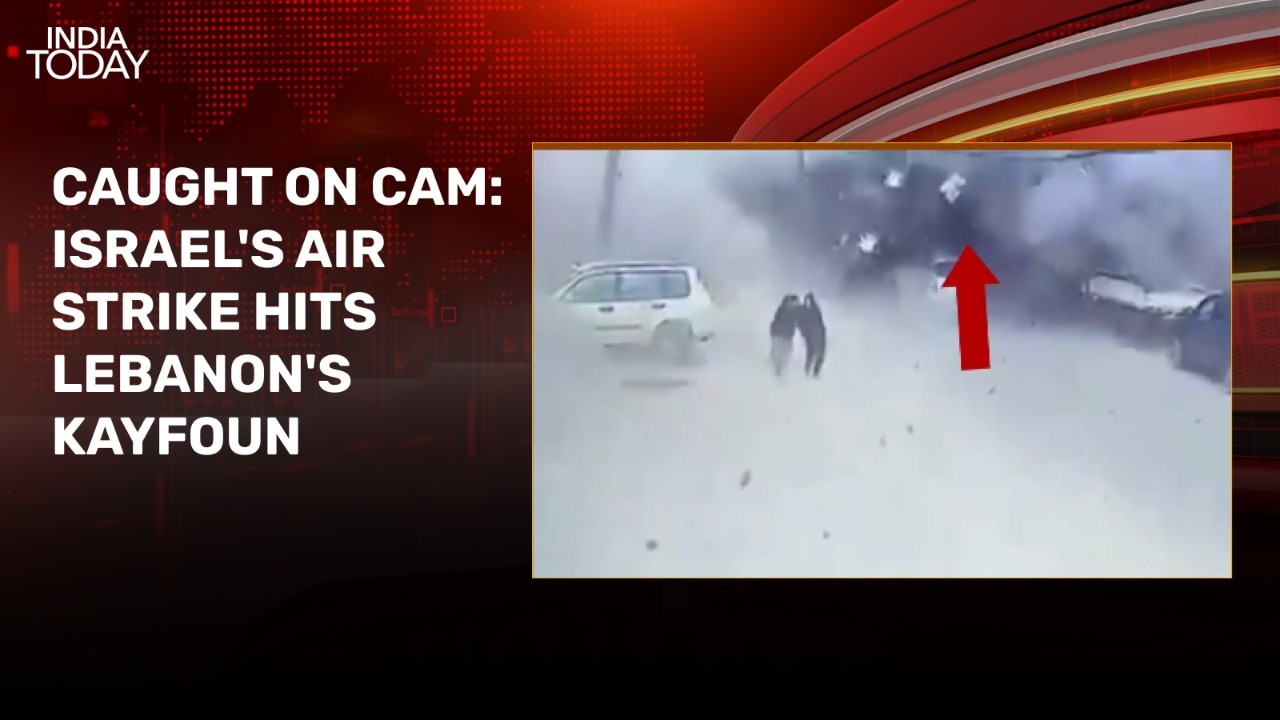
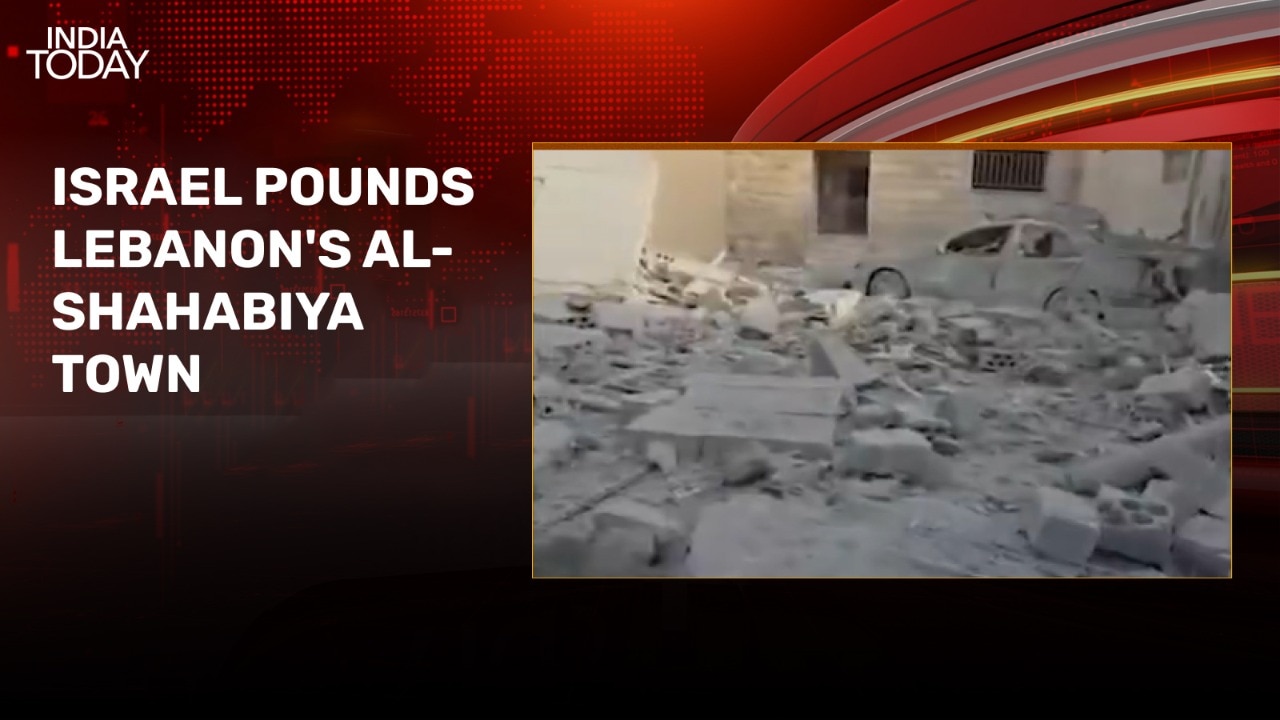
Meanwhile, Israel has continued airstrikes in southern Lebanon, targeting positions linked to Hezbollah, despite diplomatic efforts to contain the conflict.
Israeli Prime Minister Benjamin Netanyahu has maintained that military objectives remain unfinished, adding another layer of uncertainty to ongoing negotiations.
FRAGILE DIPLOMACY MEETS BATTLEFIELD REALITIES
The Islamabad talks come amid sharply different interpretations of the ceasefire and unresolved questions over commitments on both sides.
Even as delegations arrive, mistrust remains deep, with symbolic gestures like Ghalibaf’s flight image reflecting how the conflict continues to shape the diplomatic atmosphere before formal discussions begin.
- Ends
Published By:
Sonali Verma
Published On:
Apr 11, 2026 07:47 IST
Tune In