1 month ago
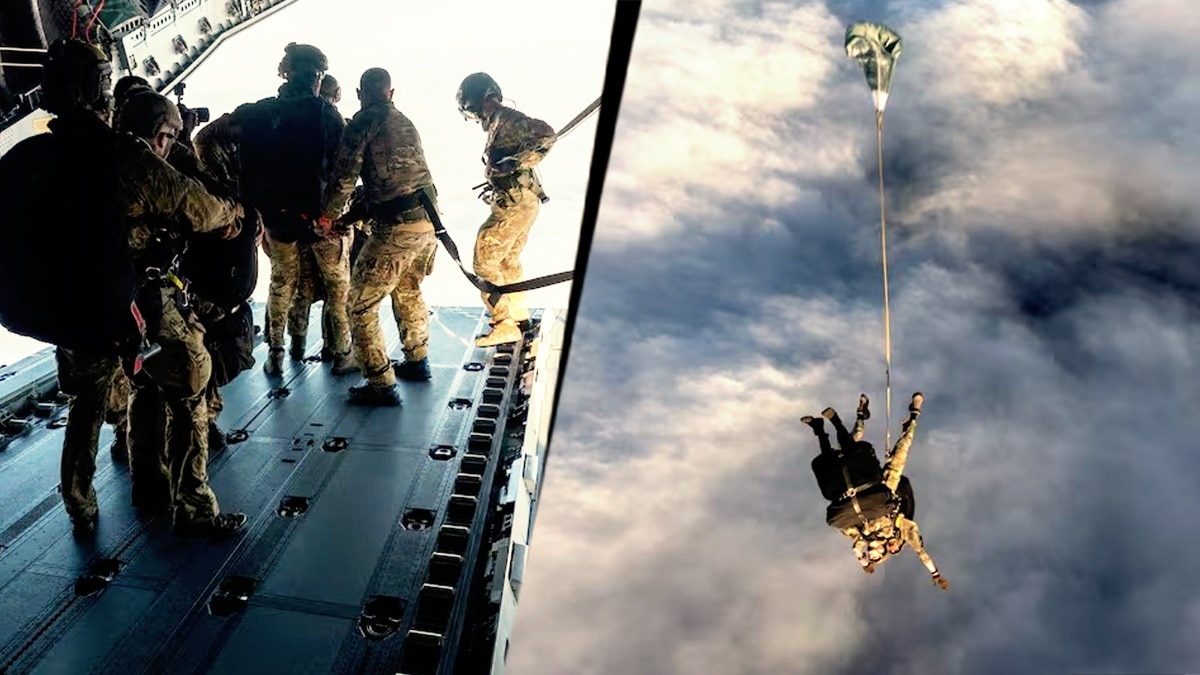
With key bases damaged or unsafe, thousands of US troops have been scattered across the region. Some have been moved as far as Europe, while others remain in the Middle East but no longer operate from their original bases.
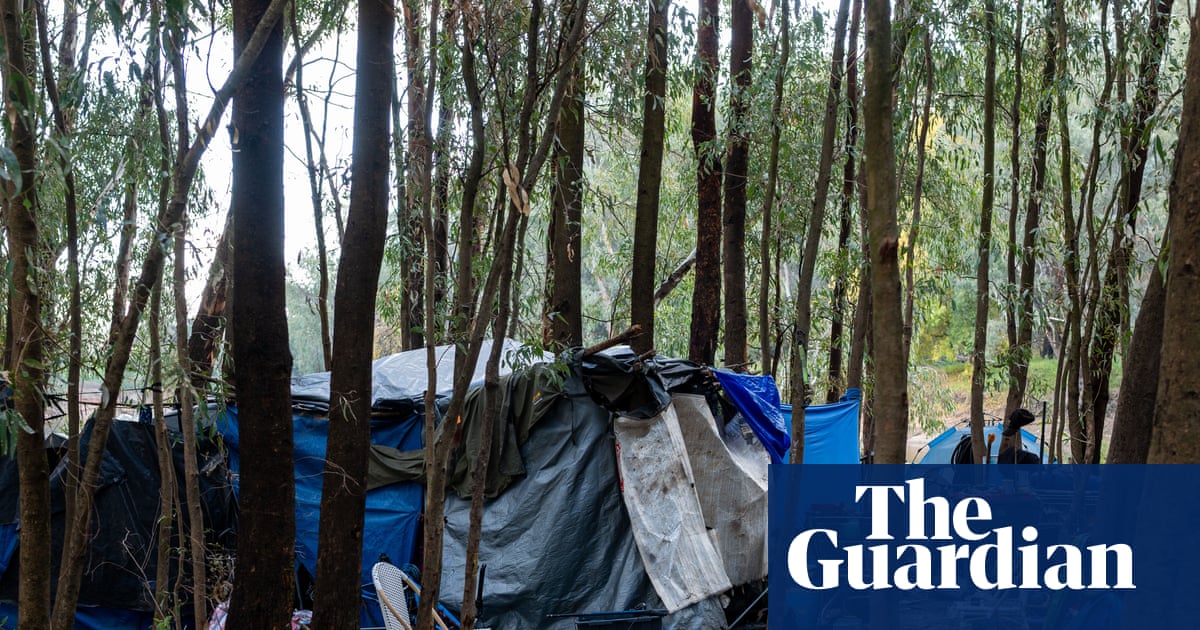
At least 13 US military bases have been rendered uninhabitable by Iranian strikes across the Middle East, forcing American troops to abandon fortified installations for hotels and office spaces, according to The New York Times. The result is a fragmented battlefield, a conflict officials now describe as a "remote war."
"Iran has bombed US bases across the Middle East forcing many American troops to relocate to hotels and office spaces throughout the region," the NYT reported, citing American officials and military personnel.
With key bases damaged or unsafe, thousands of US troops have been scattered across the region. Some have been moved as far as Europe, while others remain in the Middle East but no longer operate from their original bases.
"So now much of the land-based military is, in essence, fighting the war while working remotely," the report said, highlighting the unusual shift in battlefield dynamics.
Despite the disruption, the Pentagon says operations are accelerating. Defence Secretary Pete Hegseth said the US has carried out more than 7,000 strikes on Iranian targets. "To date, we’ve struck over 7,000 targets across Iran and its military infrastructure," he said, adding, "Today will be the largest strike package yet, just like yesterday was."
KEY US BASES DAMAGED ACROSS MIDDLE EAST
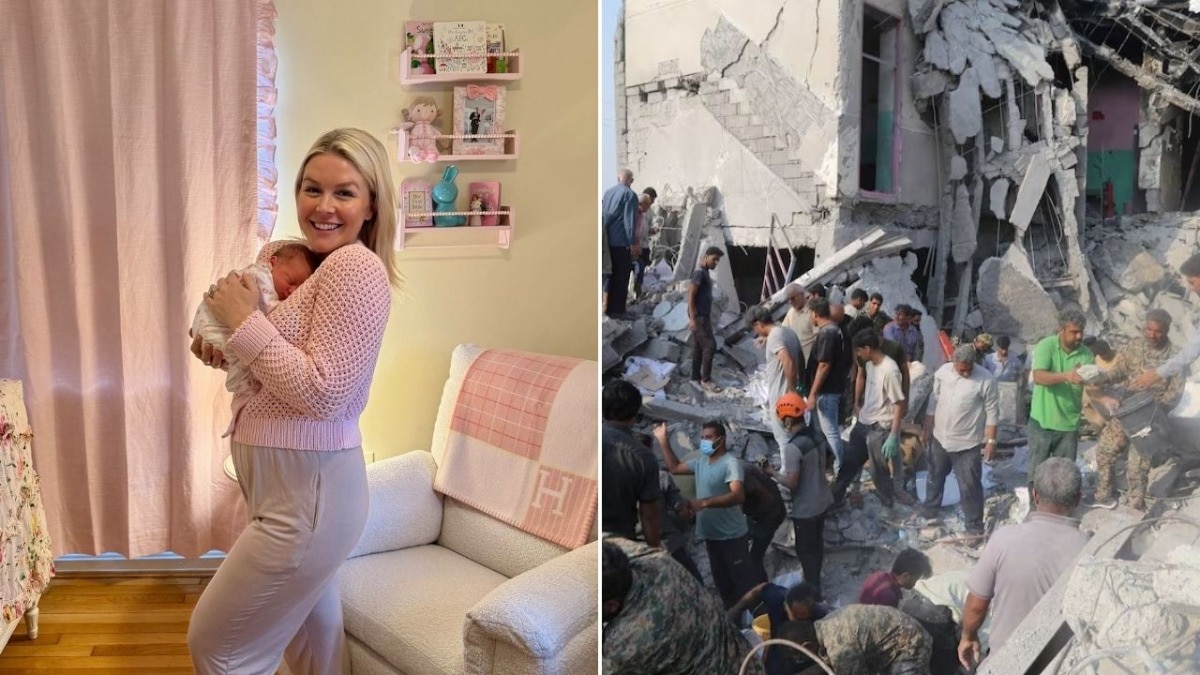
The damage spans several key US installations across the region. In Kuwait, bases including Port Shuaiba, Ali Al Salem Air Base and Camp Buehring were heavily hit. A strike on Port Shuaiba destroyed an Army tactical operations centre and killed six US service members.
Iranian missiles and drones also struck Al Udeid Air Base in Qatar, damaging a critical radar system. In Bahrain, a one-way attack drone hit communications equipment at the US Fifth Fleet headquarters.
At Prince Sultan Air Base in Saudi Arabia, attacks damaged refuelling tankers and communications systems, further disrupting operations.
CONCERNS OVER OPERATIONAL LIMITS
The attacks on what officials describe as "alternative sites" have triggered concern within military circles about operational effectiveness.
"Yes, we have the ability to set up expedient operation centres, but you’re absolutely going to lose capability," said Master Sgt. Wes J. Bryant, a retired Air Force targeting specialist. "You can’t just put all that equipment on the top of a hotel."
US officials clarified that troops are not operating from hotel rooftops, but acknowledged the limitations of such dispersed setups.
IRAN WARNS CIVILIANS, TARGETS EXPAND
Iran’s Islamic Revolutionary Guards Corps has urged civilians in the region to report the locations of relocated US troops, raising fears about the safety of personnel now based outside secured compounds. In messages circulated through Iranian media, IRGC warned residents against hosting American forces and called on them to share intelligence on troop locations via messaging platforms.
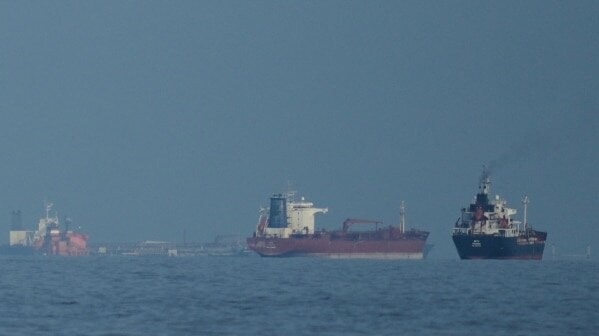
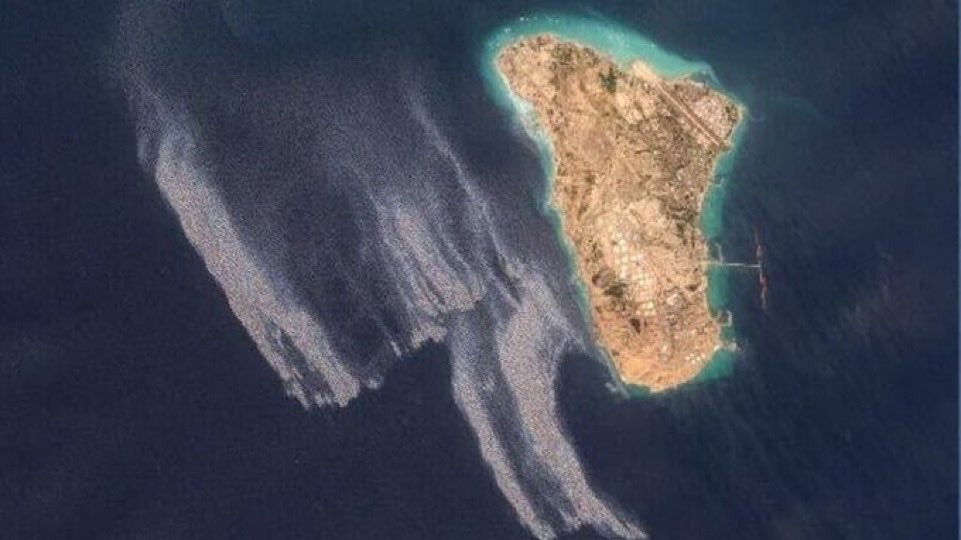
Iran has also widened its response beyond military targets, striking embassies and energy infrastructure and launching waves of drones and missiles across the region. The disruption has extended to global shipping, with the Strait of Hormuz affected.
The situation has raised questions about whether Washington adequately prepared for Iran’s response. According to the report, the Trump administration did not significantly reduce diplomatic or military personnel in the region before the conflict escalated. Nor were Americans warned early to avoid travel to the region.
Officials say decades of US military buildup in Iraq, Kuwait, Bahrain, Saudi Arabia and Qatar -- once seen as strategic depth -- have now become vulnerabilities due to Iran’s missile capabilities.
Even after sustained US airstrikes, Iran retains the ability to hit back. General Dan Caine, chairman of the Joint Chiefs of Staff, said "layered defenses throughout the region" are helping protect US forces, but acknowledged that additional measures are being put in place.
- Ends
Published By:
Satyam Singh
Published On:
Mar 26, 2026 19:37 IST
Tune In