1 hour ago
Trump's speech suggests he's backing away from the Strait of Hormuz. How Tehran mastered the art of choking international maritime stretches.
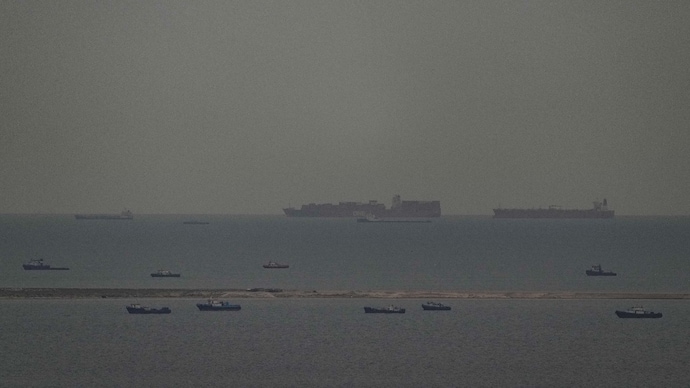
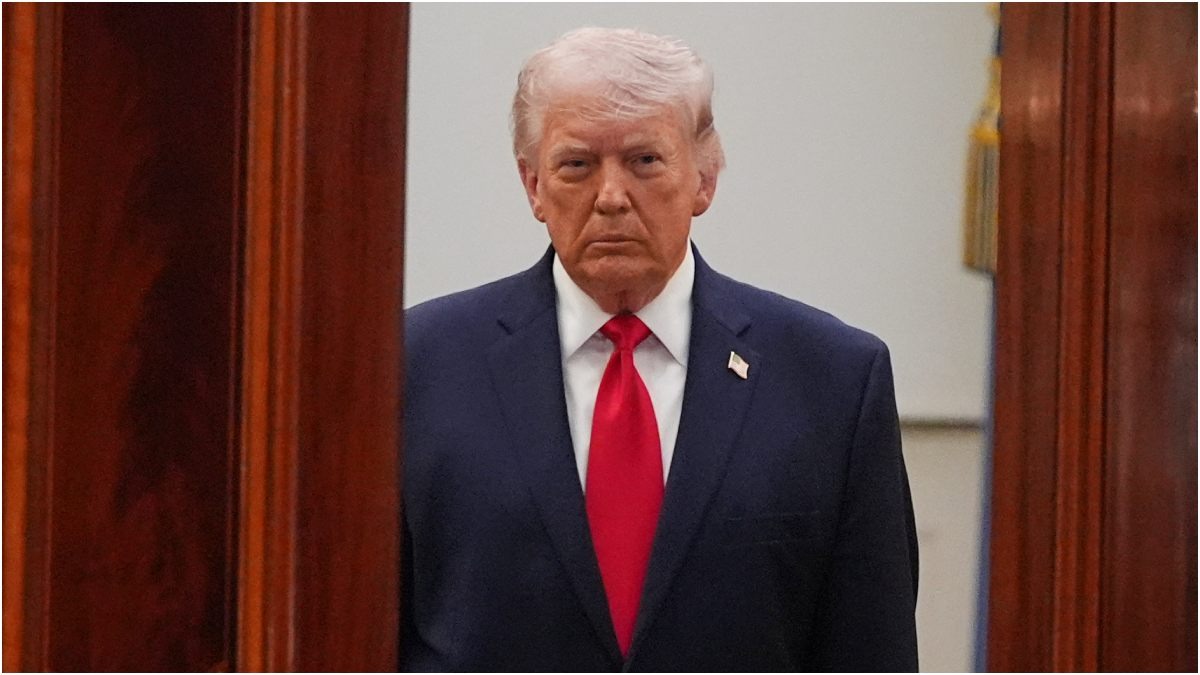
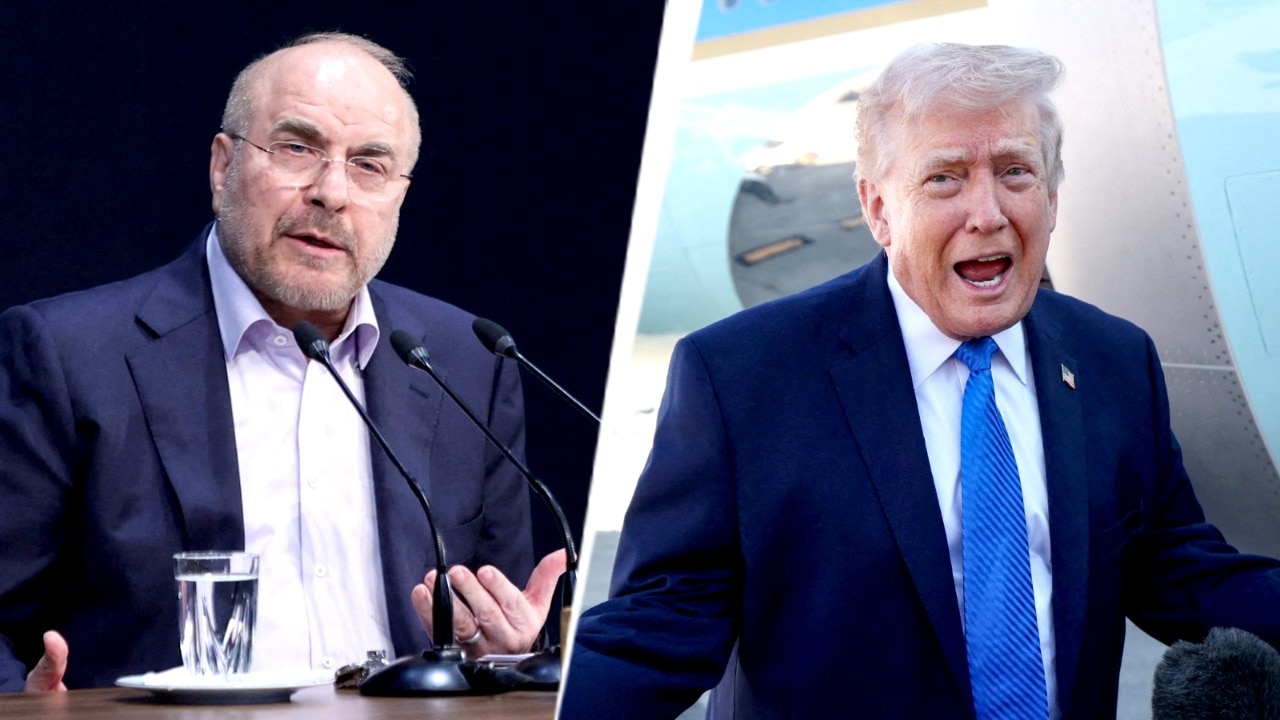
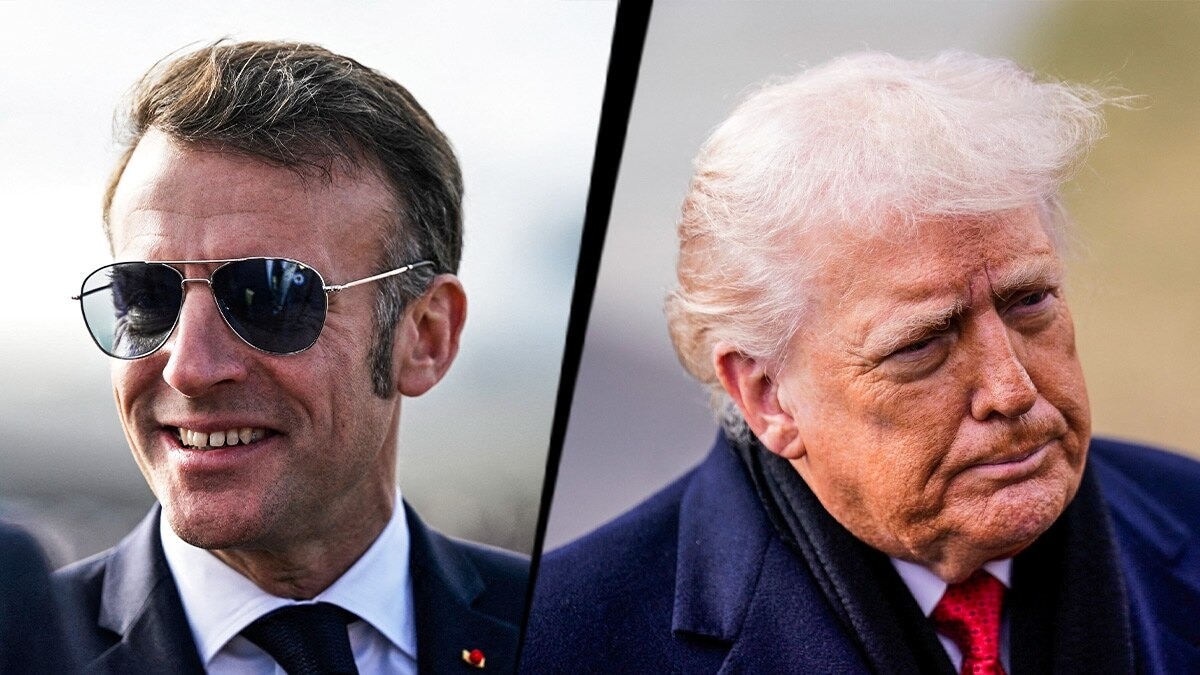
Reopening the Strait of Hormuz no longer top priority for Donald Trump. (AP Photo)
The world’s most powerful man will not use the world’s most powerful military to prise open the world’s most critical energy choke point.
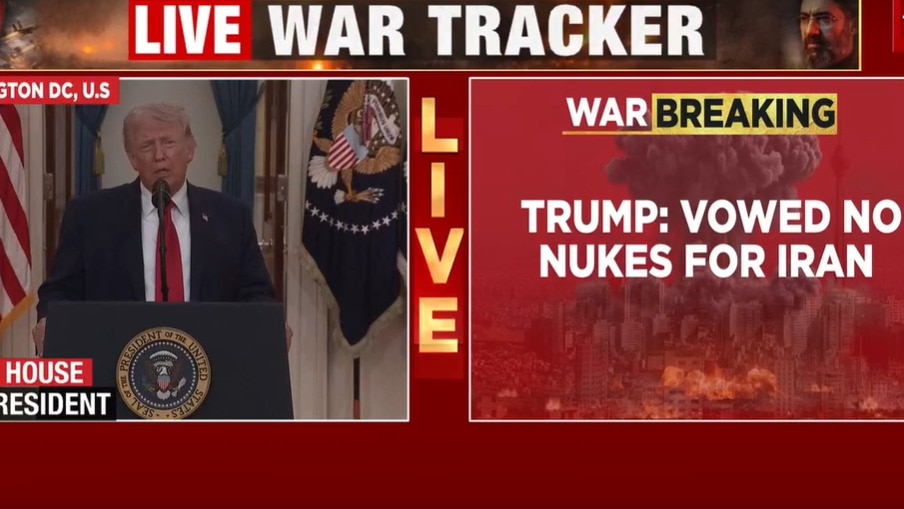
Reopening the Strait of Hormuz blocked by Iran has been President Donald Trump’s priority for now because, as he put it in his April 2 address, “we have all the oil we need,” also predicting that “the Strait will open up naturally.”
Trump urged his Nato allies— many of whom had refused to join military operations with him, to either deal directly with Iran or buy oil from the US. This is a major U-turn because, over the past few weeks, Trump has threatened to bomb Iranian oil infrastructure and power grids if they didn’t lift the blockade.
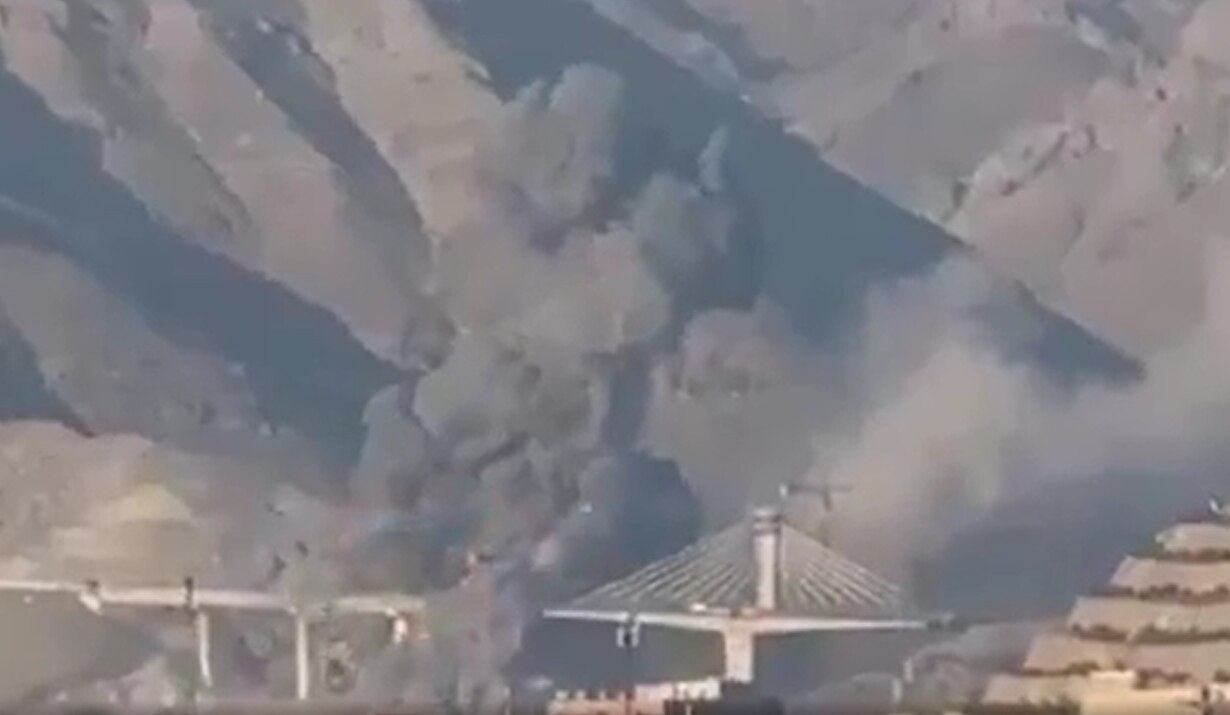
Iran responded to the US-Israel war on February 28 by shutting down the Strait of Hormuz, through which 20 per cent of the world’s oil and gas is routed. The closure of the strait has brought vessel traffic to a halt, leading to a 60 per cent spike in oil prices and impacting everything on the global economy from semiconductors to fertilisers. The two most powerful air forces in the world have bombed over 16,000 Iranian targets, but haven’t succeeded in getting Tehran to lift the blockade.
Trump’s April 2 statement could indicate the US has moved away from capturing Iranian islands like Kharg Island (as leverage to force Iran to reopen the strait). Other options like seizing Iran’s stocks of over 400 kg of enriched nuclear fuel by ground forces, for instance, might become more attractive.
The U-turn on the strait indicates Tehran’s strategy of choke point warfare has paid short-term dividends.
Iran has planned to wage the current conflict for decades by developing ballistic missiles and drones, reverse engineering Germany’s Dornier Drone Anti-Radar (DAR) into the Shahed-136, a low-cost option to create precision mass.
Another military innovation was choke point warfare, a subset of what navies call 'sea denial’, denying the enemy the use of the seas. Iran combined naval mines, unmanned surface vessels and Anti-Ship Ballistic Missiles (AShBMs) into targeting slow-moving merchant ships to impose asymmetric economic pain.
As we’ve seen in the Strait of Hormuz, disruptions ripple globally, causing oil spikes, inflation and supply chain chaos, causing the worst global energy crisis since the four-month-long Oil Crisis of 1973 where the oil-producing Arab countries cut off oil supplies to countries which supported the US and Israel during the 1973 Arab-Israel war.
During the 1980-88 Iran-Iraq war, Saddam Hussein’s forces struck ships loading oil in Iran. The aim was to provoke Iran into blocking the Strait of Hormuz and draw the US into this conflict. In echoes of the present conflict, the Iranians did exactly this. The US intervened with force. In an eight-hour Operation Praying Mantis, the US sank half of Iran’s navy. The ‘tanker wars’ and the US intervention actually ended the eight-year-long war in West Asia.
Despite the US being the world’s third-largest oil exporter, it continues to have enormous stakes in oil flowing out of West Asia. Trump’s November 2025 Security Strategy clearly mentions how ‘America will always have core interests in ensuring that Gulf energy supplies do not fall into the hands of an outright enemy, that the Strait of Hormuz remain open, that the Red Sea remains navigable’
It was this critical US interest that Iran began targeting as Teheran watched a US ‘shock and awe’ campaign that unseated Saddam Hussein in 2003.
Iran was mentioned as the possible next target. It was around this time that Tehran bulked up its strategy to blockade the strait in any future conflict. The contours of this strategy emerged after the October 7, 2023 massacre of 1,200 civilians by Hamas.
As Israel began a military campaign against Hamas to rescue 200 Israeli hostages, Iranian proxies attacked merchant ships in the Red Sea using AShBMs, cruise missiles and unmanned surface vessels (USVs), the world’s first use of such military technology.
The Houthis began targeting only shipping belonging to Israel and nations supporting it, combining maritime domain awareness with advances in precision ballistic missiles and unmanned systems.
In 1971, India’s Directorate of Naval Intelligence waged a covert war (Operation X) of commercial destruction against shipping inside East Pakistan, using combat swimmers to affix limpet mines on ships. The push-button warfare of the 21st century has substituted human swimmers with drones and missiles.
The Houthi playbook was written in Tehran, pointing to an expansion of choke point warfare strategy beyond the Strait of Hormuz.
The Houthis had stockpiled AShBMs for nearly a decade— stealthily importing the missiles under the nose of the US military based in Djibouti across the Red Sea.
There is, however, a third choke point up the Red Sea which Iran could potentially strike at — the Suez Canal in Egypt. The canal is a little over 2000 kilometres away from Iran, and thus within range of Tehran’s ballistic missiles.
Iran has not yet indicated it will blockade this third Arabian Peninsula choke point, but given how swiftly it has matched US escalation, it would not be outlandish to expect Iranian ballistic missiles arcing down on warships at a slow, controlled speed of between 8–9 knots through the 193-km long man-made canal.
Iran thus has the ability to directly or indirectly interdict shipping in three of the world’s seven global choke points. (The Malacca Straits, the Panama Canal, the Danish Straits and the Turkish Straits are the other four).
‘The adage that a ship’s a fool to fight a fort, describes the unevenness of land and sea-based forces. Today, fleets need to consider forts more carefully for several reasons, especially in narrow sea choke points in the Indian Ocean and western Pacific. In many such places there will be no choice but to fight forts without being fools,” says naval analyst Rear Admiral Sudarshan Shrikhande (retired).
As the world reckons with this strategy, bigger US adversaries are imbibing lessons. Over the past decade under Xi Jinping, Beijing has created one of the world’s largest Anti-Access Area Denial (A2AD) capabilities— a vast network of long-range drones and hypersonic missiles designed to target US warships and escorts in any potential maritime clash over Taiwan.
If the US could not prevail over Iran’s modest A2AD capabilities in the Strait of Hormuz, can it handle China’s formidable ADA2? This is a question that must give US generals and admirals sleepless nights.
- Ends
Published By:
Karishma Saurabh Kalita
Published On:
Apr 3, 2026 09:55 IST
Tune In