2 hours ago
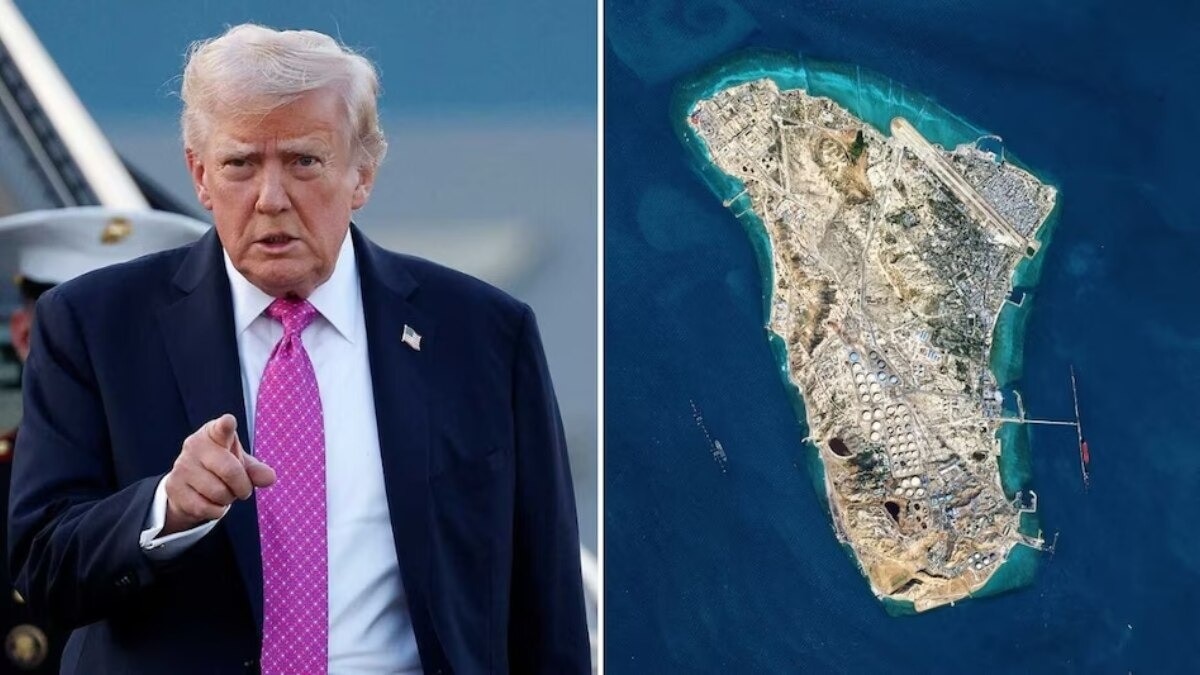
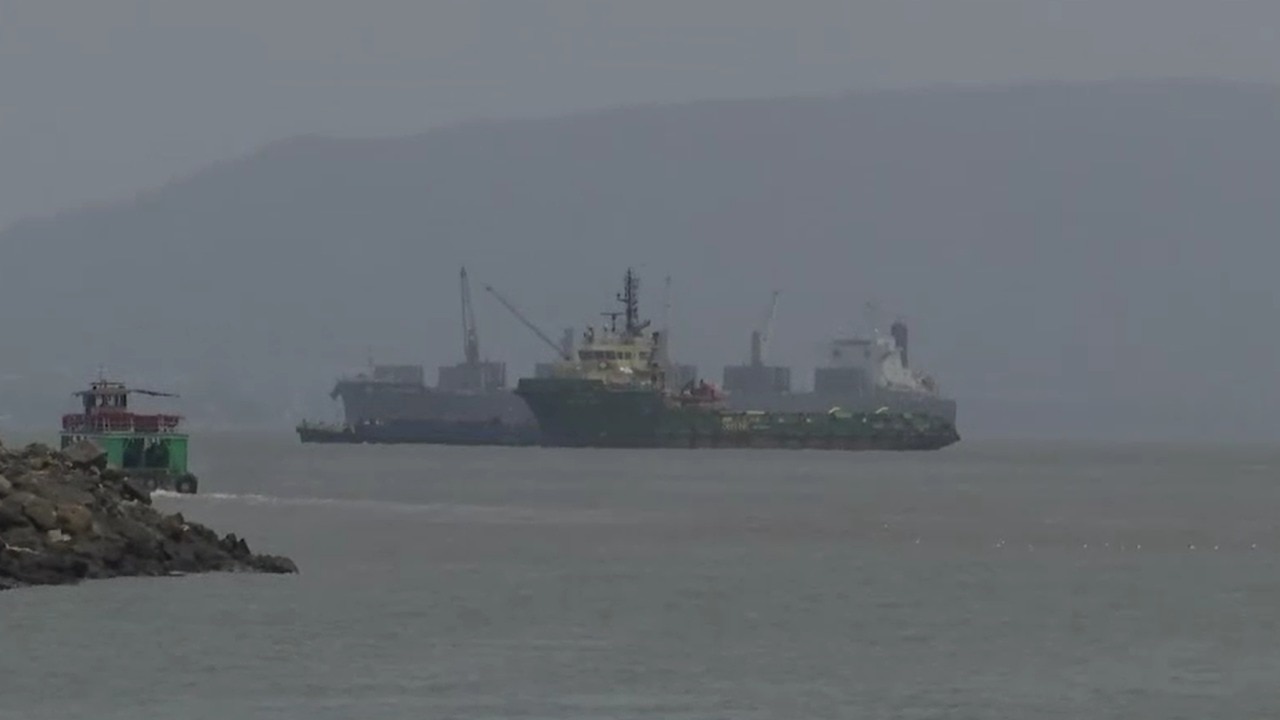
As Iran solidifies its grip on the Strait of Hormuz, the crucial oil corridor, businessman Trump seems to have smelled an opportunity - buy oil and gas from America. In fact, US fuel exports surged to record levels in March amid the Hozmuz shock.
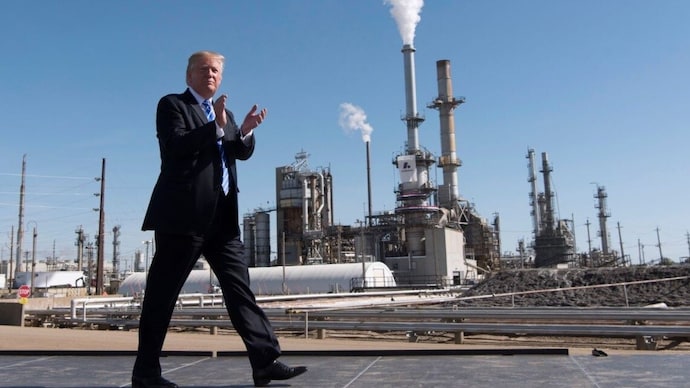
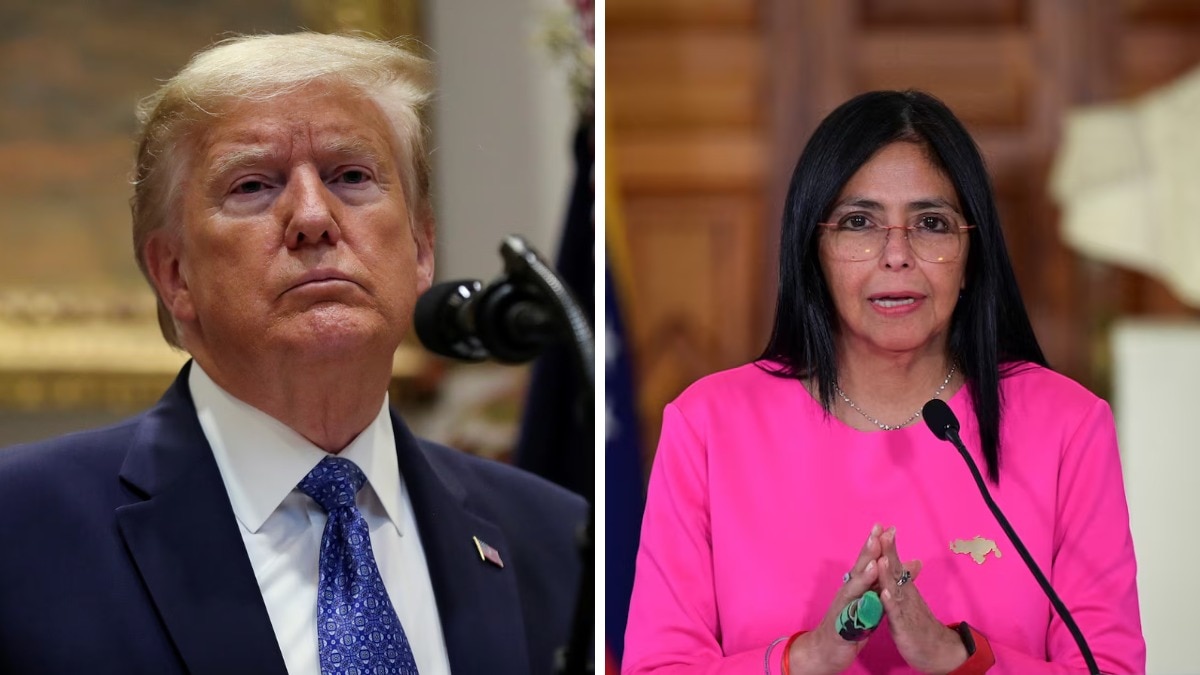
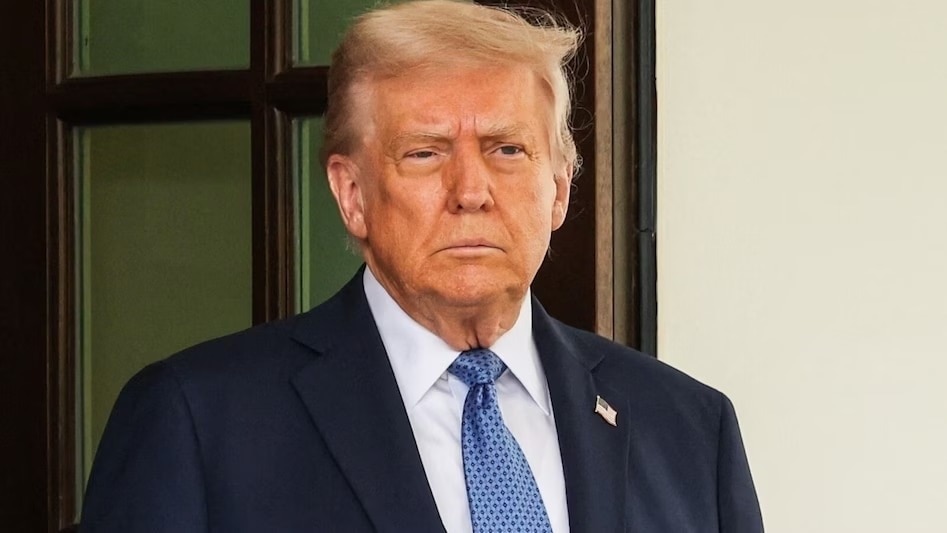
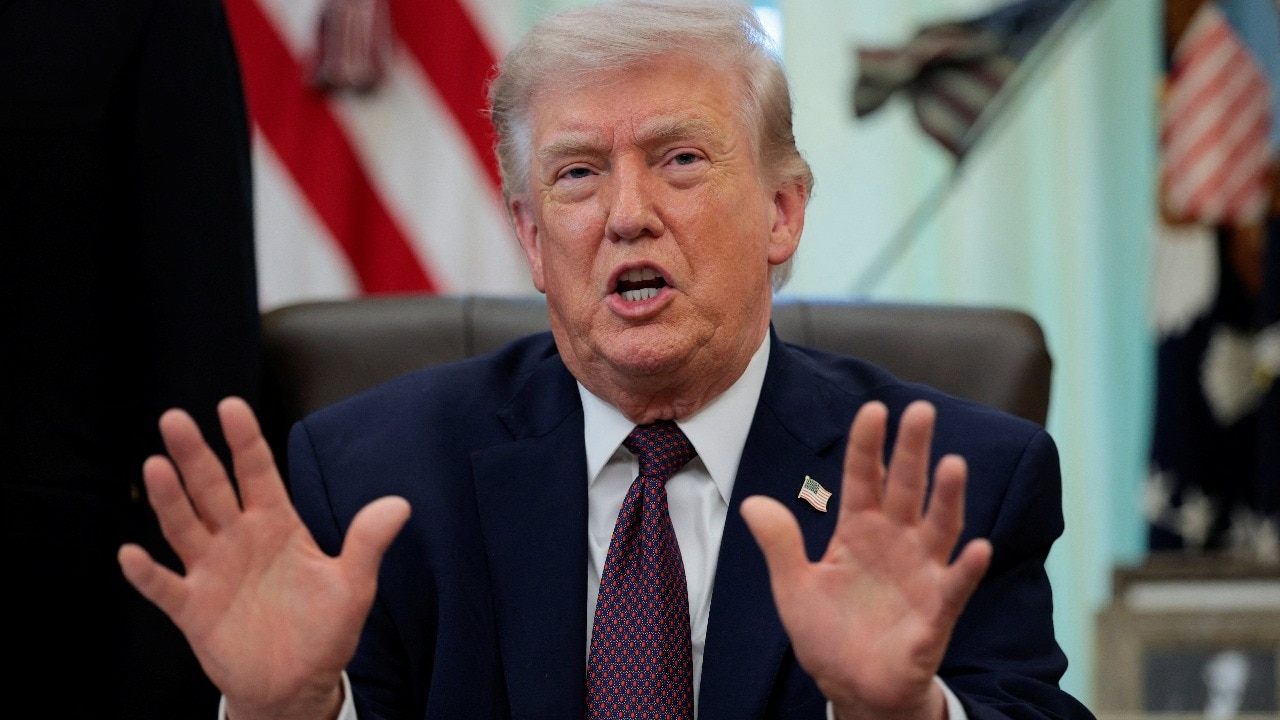
US President Donald Trump made his plans on the vital energy chokepoint abundantly clear in his national address on Thursday

New Delhi,UPDATED: Apr 2, 2026 10:22 IST
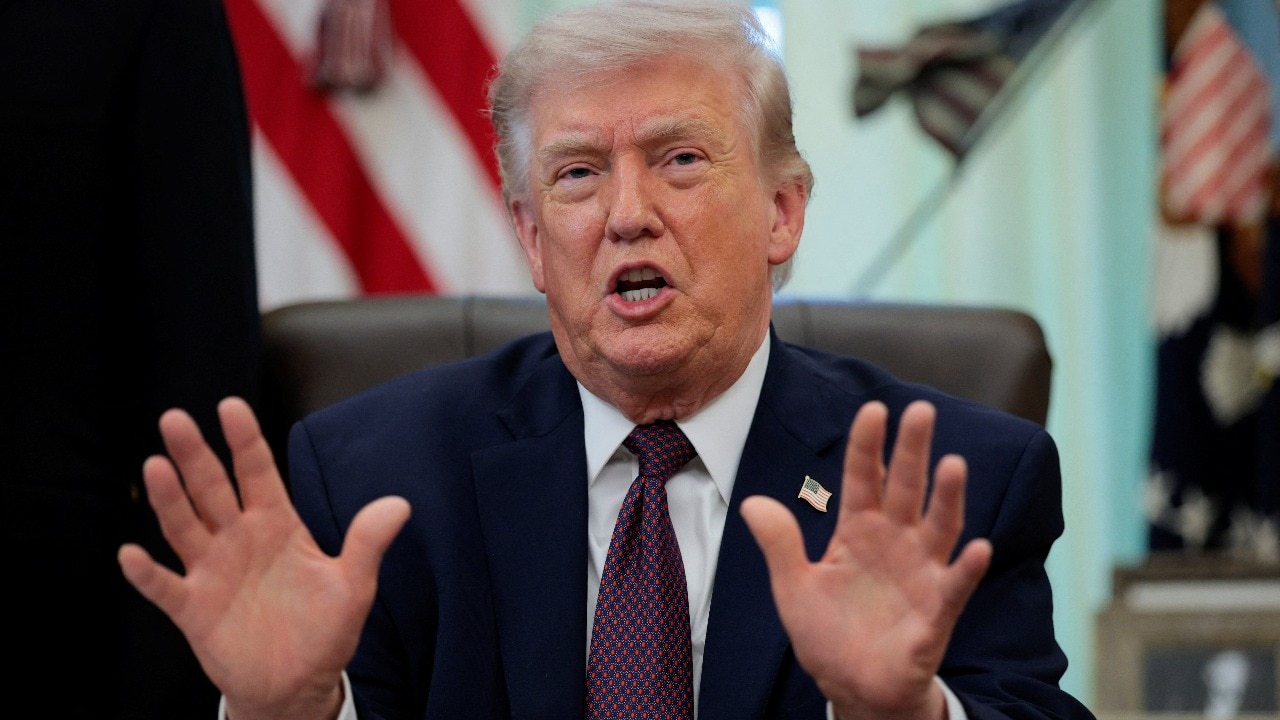
Iran's blockade of the crucial Strait of Hormuz has triggered the largest oil supply disruption in history. And now, US President Donald Trump seems to be smelling an opportunity. In his national address on Thursday, Trump made his plans on the vital energy chokepoint abundantly clear. Walk away, and let countries dependent on it clean up the mess. Or, just buy oil and gas from America. That's Trump, the businessman, speaking.
The equation is simple - If the Strait of Hormuz, through which 20% of the global oil flows, remains mostly closed, buyers in Asia and Europe are likely to turn to the US. It means a potential windfall for the Trump administration. In fact, US fuel exports surged to record levels in March as Asian and European nations replaced supplies from the Middle East due to the turmoil (we will come to this later).
'BUY OIL FROM THE US'
A significant part of Trump's address was dedicated to how the US had become the number one producer of oil and gas under his leadership. That's excluding the millions of barrels the US is receiving from Venezuela after the US carried out a regime change by capturing its president in a daring operation earlier this year.
Trump framed America as energy-abundant, underscoring that the US was producing more oil and gas than Saudi Arabia and Russia combined. Then came the pitch. "Buy oil from the US, we have plenty, we have so much!" Trump said. If you don't, then go and get your own oil at your own peril.
It partly explains why the eccentric US President has suddenly walked back on his proposal of American navy escorting oil tankers through the Strait of Hormuz. Earlier this week, he even floated the idea of the US exiting the Iran war without reopening Hormuz.
Trump is well aware that a prolonged choke on Hormuz would leave the world with a few alternatives. To fill that vacuum, US crude and gas stand ready. Crucially, US oil to Asia is transported via the Cape of Good Hope, bypassing the Strait of Hormuz.
IS US INSULATED FROM HORMUZ SHOCK?
What must be noted here is that the US is more insulated than countries in Asia and Europe, which overtly rely on the Strait of Hormuz for oil and gas shipments. For example, 50% of India's crude oil imports come through Hormuz. It also carries around half of the country's LNG imports.
Trump made it a point to tom-tom about it in his address. "The US imports almost no oil through the Strait of Hormuz... We don't need it," he said.
It is, however, partly true. As per official data, the US imported 0.5 million barrels of crude oil per day through Hormuz in 2024. It accounted for 7% of crude oil imports.
Thus, while the US is not completely detached, it is now less reliant on Middle Eastern crude than it was around a decade ago.
VENEZUELA OIL, RISE IN US EXPORTS
The numbers tell the story. In recent years, US crude production has jumped to around 13-13.6 million barrels per day, among the highest globally. It has also been a net exporter of petroleum.
Add to it Washington's control over the crude in Venezuela, which possesses the world's largest proven oil reserves. After the capture of Nicholas Maduro, Trump has taken control of the country's oil sales and their proceeds. The US received more than 80 million barrels of oil from Venezuela in February.
Trump brought this up in his Thursday address.
"Now we are working along with Venezuela and are, in a true sense, joint venture partners. We are getting along incredibly well in the production and sale of massive amounts of oil and gas. We are now totally independent of the Middle East," the US President said.
Yes, sale has definitely increased. US fuel exports rose to record levels in March as European and Asian countries felt the pinch due to the closure of Hormuz.
As per data from market analyst Kpler, US exports of petrol products like gasoline, diesel and jet fuel surged to 3.11 million barrels per day in March, up from about 2.5 million in February. Moreover, US fuel exports to Europe rose by 27%, while sales to Asia more than doubled, Reuters reported.
However, it's not that Trump can just throw in the towel over the Hormuz crisis and walk away smiling. Oil is priced globally. Thus, any disruptions, especially in the Gulf, will have an impact across markets as well.
- Ends
Published By:
Abhishek De
Published On:
Apr 2, 2026 10:22 IST
Tune In