1 hour ago
Iran has used a range of missiles and drones in its retaliation, targeting US military bases and installations in the region.
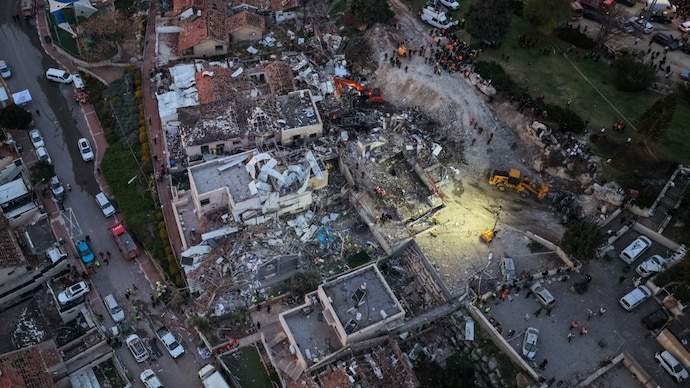
A drone view of the scene of a fatal Iranian strike in Beit Shemesh, Israel. (Reuters image)

New Delhi,UPDATED: Mar 3, 2026 17:42 IST
Iran has retaliated strongly against the coordinated US and Israel strikes. Iran’s response has been a barrage of missiles and drones, targeting military bases and installations across several Gulf countries, including Bahrain, Kuwait, Qatar, Saudi Arabia, and the United Arab Emirates.
The attacks have caused damage and injuries. At least three people were killed in the UAE, while several others were injured in Kuwait and Bahrain.
The US and its Arab allies have strongly condemned Iran’s actions, describing them as “indiscriminate and reckless” and a “dangerous escalation” that threatens regional stability. The Gulf Cooperation Council (GCC) has also issued a joint statement reaffirming its members’ right to self-defence and collective defence under the UN Charter.
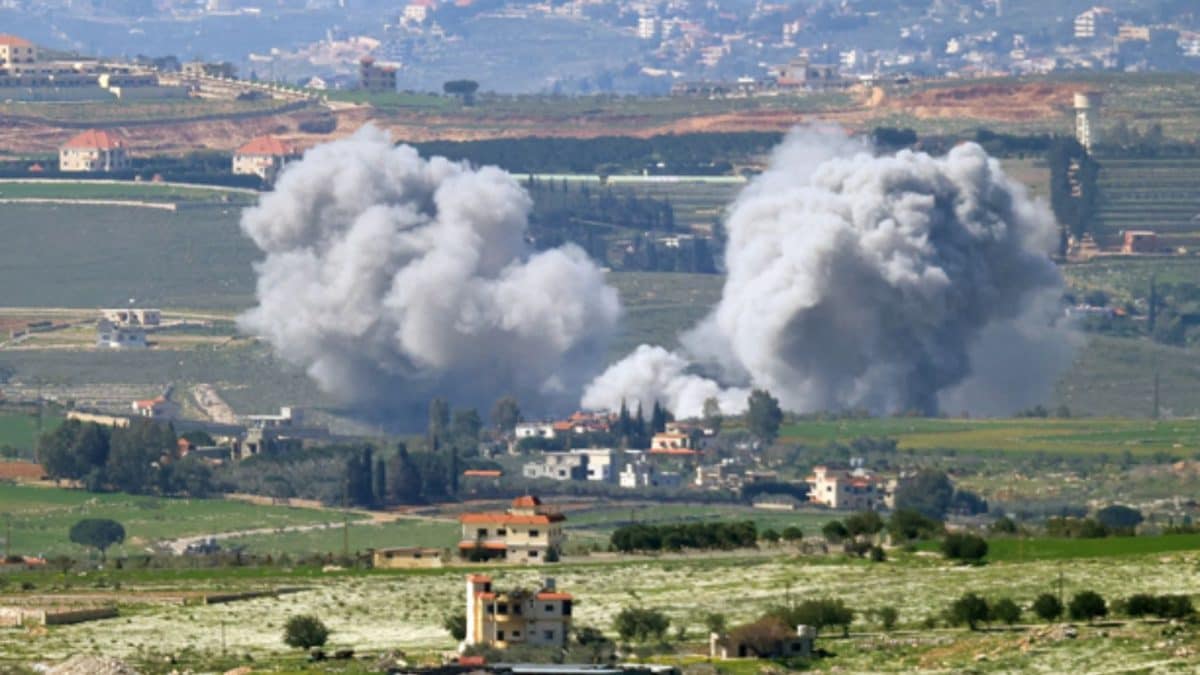
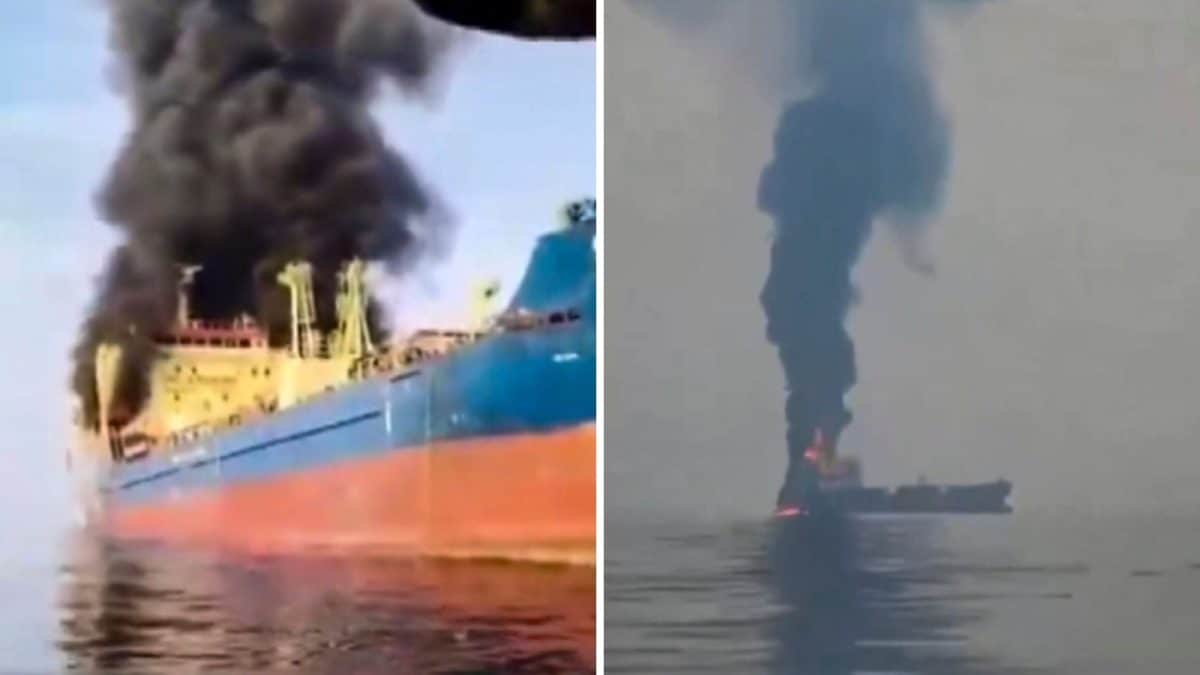
Iran’s strikes have targeted critical infrastructure, including airports, ports and military facilities, disrupting trade and travel. The Strait of Hormuz — a vital oil shipping route — has been closed, and several countries have issued travel advisories.
On the developments, defence expert Lt Gen (Retd) DP Pandey told India Today: “Iran, since Operation Lion Rise, has prepared extensively for a strike from the Israel-US combine, duly supported by China. The calibrated response displays a well-planned strategy. The war will not be one-sided and will exact costs from either side, as well as from Gulf countries that may become collateral. This could become a regional conflict with global implications.”
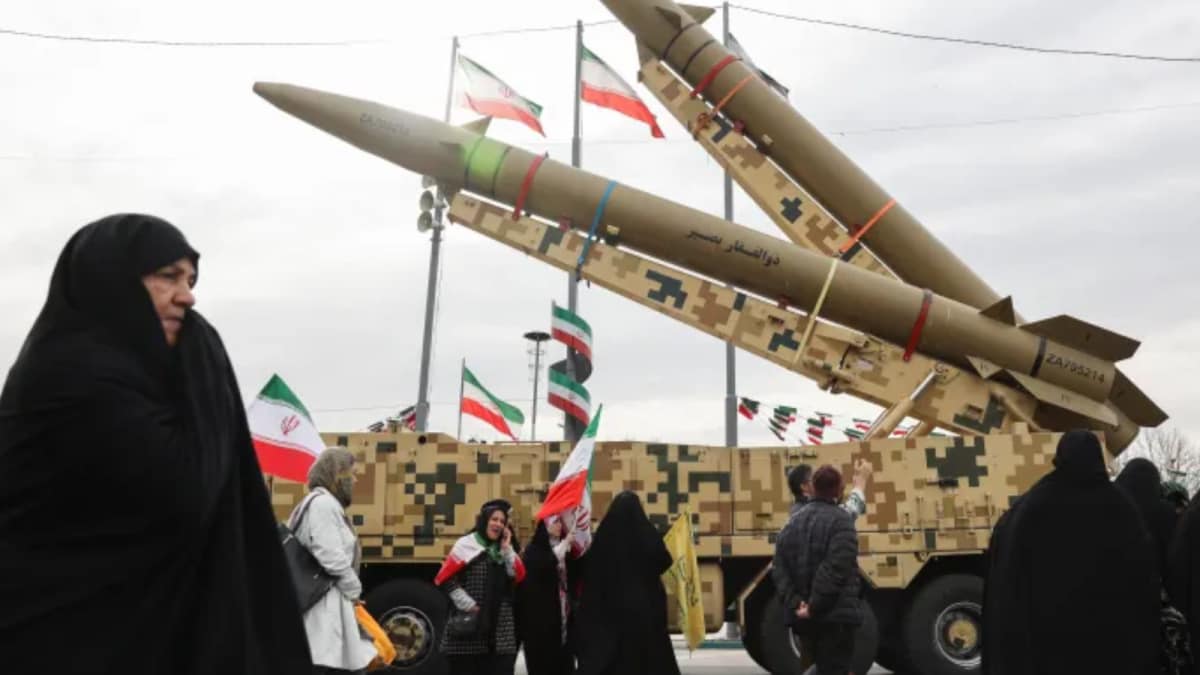
Iran has used a range of missiles and drones in its retaliation, targeting military bases and installations in the region.
Ballistic missiles: Iran is believed to have used variants such as Sejjil, Shahab-3, Emad, Ghadr-1 and Khorramshahr to target US and Israeli facilities. These missiles have ranges of up to 2,500 kilometres, putting Israel and US-linked assets within reach.
Cruise missiles: Iran has also deployed cruise missiles such as Soumar, Ya-Ali and Quds, which fly at low altitudes and can follow terrain contours, making detection more difficult.
Drones: Tehran has launched multiple drones, including one-way attack drones, to overwhelm air defence systems and sustain disruption at airports, ports and energy facilities.
Short-range missiles: Systems from the Fateh family, including Zolfaghar and Qiam-1, are designed for rapid regional strikes against nearby military targets.
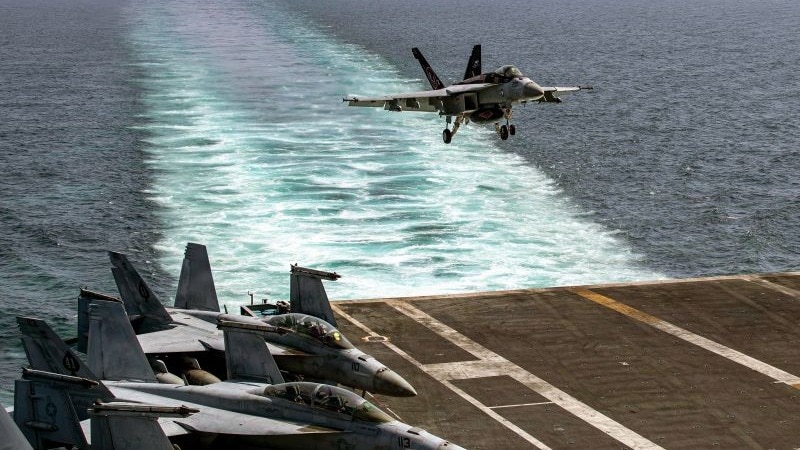
Iran’s retaliation has targeted US military bases in:
Bahrain: NSA Bahrain, a key command centre for regional operationsKuwait: Ali Al-Salem Air BaseQatar: Al Udeid Air Base, the largest US military base in the regionUAE: Al Dhafra Air BaseJordan: Muwaffaq Al-Salti Air BaseIraq: Ain Al-Asad Air Base and Erbil Air BaseThe attacks have also hit Israeli targets, including an airbase and army command headquarters in Tel Aviv.
Iran’s “mosaic defence” tactic involves decentralised, clandestine drone and missile launches from across the country, making interception more challenging for adversaries.
The situation remains fluid, with the US, Israel and Iran locked in a complex strategic standoff. The international community has urged restraint and diplomacy to prevent further escalation.
- Ends
Published On:
Mar 3, 2026 17:42 IST