1 month ago
Last Updated:March 12, 2026, 14:34 IST
The vessels were carrying roughly three million barrels of crude oil from Iraq & other Gulf producers, and are believed to have moved through the narrow waterway earlier this week


Turning off the Automatic Identification System (AIS), which normally broadcasts a ship’s location, can make it harder for vessels to be tracked in real time. (AFP)
Two oil tankers headed for India crossed the Strait of Hormuz with their tracking systems switched off between March 5 and 10, according to a report by Moneycontrol citing sources.
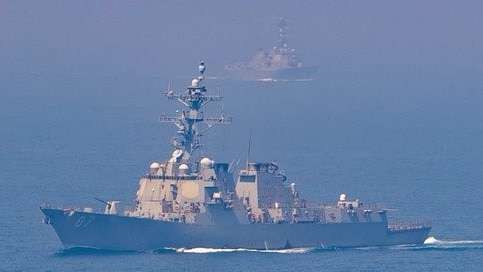
The vessels were carrying roughly three million barrels of crude oil from Iraq and other Gulf producers, and are believed to have moved through the narrow waterway earlier this week despite heightened security risks in the region due to the US-Israel-Iran war. Turning off the Automatic Identification System (AIS), which normally broadcasts a ship’s location, can make it harder for vessels to be tracked in real time.
According to the source, Saudi Arabia has increased cargo loading at its west coast port of Yanbu, using the East-West pipeline to bypass the Strait of Hormuz, adding that while India-bound crude traditionally ships from the Kingdom’s east coast, Yanbu volumes are clearly picking up.
The transit comes at a time when commercial shipping through the strait has sharply declined because of escalating tensions linked to the Iran conflict. Many tanker operators have either delayed voyages or rerouted cargoes due to fears of attacks on vessels moving through the strategically vital corridor.
ALSO READ | India Weighs Naval Escorts For Tankers & Cargo Ships For Safe Passage Through Hormuz | Exclusive
The Strait of Hormuz is one of the world’s most important energy chokepoints, handling about one-fifth of global oil shipments. Any disruption to shipping through the passage can quickly ripple through global energy markets.
According to the Moneycontrol report, the tankers’ successful passage highlights how some operators are still attempting to move cargo through the region despite mounting risks and tighter monitoring of maritime traffic.
External Affairs Minister S Jaishankar spoke with his Iranian counterpart Seyed Abbas Araghchi on Tuesday, marking their third conversation since tensions escalated in West Asia. The discussions come as New Delhi intensifies diplomatic outreach to safeguard its energy supplies amid what officials describe as a near-blockade of the Strait of Hormuz.
ALSO READ | Iran’s 3 Conditions For Ceasefire: What They Could Mean For Indian Economy | Explained
The strategic waterway is one of the world’s most critical oil transit routes. According to data from the US Energy Information Administration, roughly 20 million barrels per day of crude and petroleum products moved through the strait in 2025, accounting for about a quarter of global seaborne oil trade.
According to the ministry of ports, shipping and waterways, as many as 28 Indian-flagged vessels are operating in the Persian Gulf region currently. Of these, 24 vessels are located west of the Strait of Hormuz carrying 677 Indian seafarers, while four vessels are east of the Strait with 101 Indian seafarers onboard, the report said.
First Published:
March 12, 2026, 13:30 IST
News india How Two India-Bound Oil Tankers Crossed Strait of Hormuz Undetected
Disclaimer: Comments reflect users’ views, not News18’s. Please keep discussions respectful and constructive. Abusive, defamatory, or illegal comments will be removed. News18 may disable any comment at its discretion. By posting, you agree to our Terms of Use and Privacy Policy.
Read More