1 month ago
Last Updated:February 13, 2026, 14:15 IST
In the first post-Hasina national election, Bangladesh’s political landscape has been reshaped. Here is how the BNP, Jamaat-e-Islami and the student-youth forces performed.


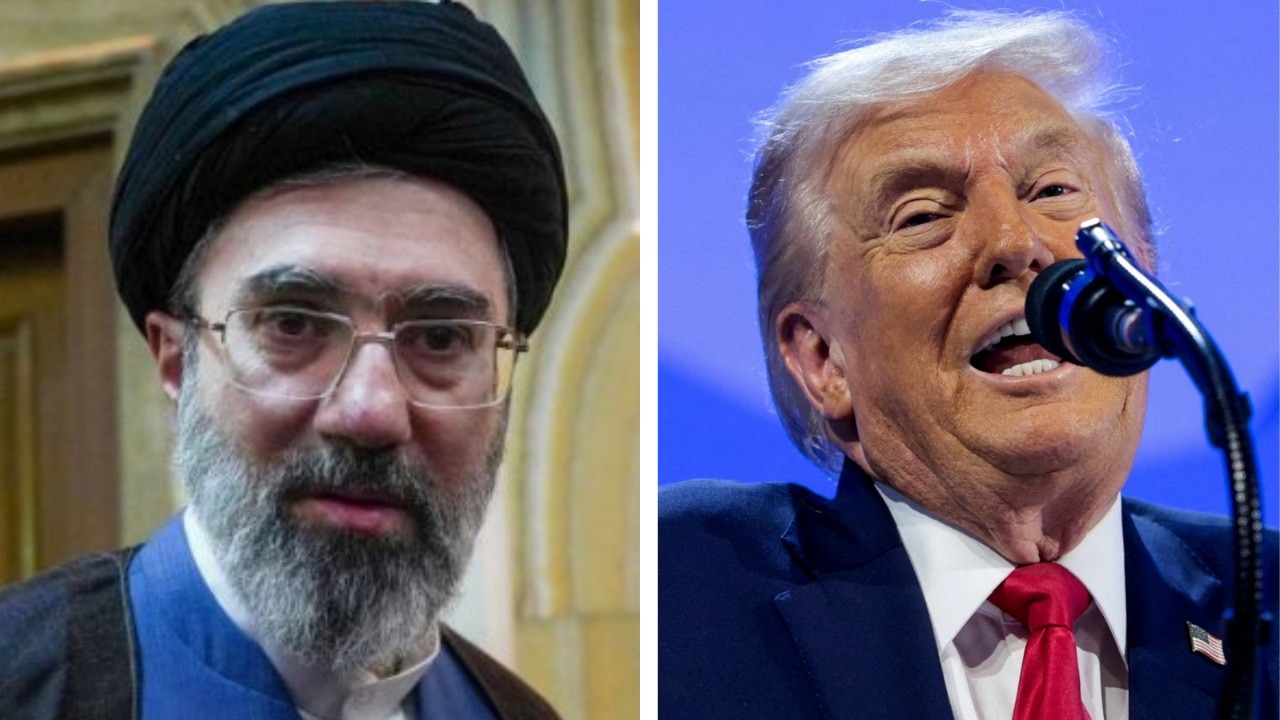
BNP is led by Tarique Rahman (L), while Jamaat-e-Islami is led by Shafiqur Rahman (R). (Image: Reuters)
Bangladesh’s 13th parliamentary election, the first since the 2024 student-led uprising that toppled Sheikh Hasina and ended more than 15 years of Awami League dominance, has produced a decisive political recalibration.
With the Awami League banned from contesting and the interim administration completing its 18-month tenure, the vote became a direct contest among forces that had emerged or re-emerged from the turbulence of the last two years.
At the centre of this transformed landscape is the Bangladesh ist Party (BNP), returning to the electoral field after boycotting the last national election and now led by Tarique Rahman, who came back to Bangladesh after nearly two decades in exile only weeks before campaigning intensified.
Jamaat-e-Islami, long viewed as a hardline party, entered the election attempting to project a more inclusive posture, speaking in its manifesto of taking “everyone along" and promising justice-based governance. Its campaign, after years of political isolation, included appeals to women and minorities and the fielding of its first Hindu candidate. Jamaat contested the polls as the principal force within an 11-party alliance that also included the Citizen Party (NCP), a group led by youth activists who had played a key role in the 2024 uprising.
The results, however, have produced sharply divergent outcomes for these three blocs. While the BNP is poised to form the next government with a commanding majority, Jamaat has fallen far short of its expectations, and the student forces that reshaped Bangladesh’s politics in 2024 have suffered a dramatic electoral collapse.
We take a look at how key parties fared in the 2026 Bangladesh elections.
BNP: Tarique Rahman’s Return, Post-Boycott Comeback And A Dominant Performance
The BNP appears set for a sweeping victory, positioning Tarique Rahman — who returned to Bangladesh in December last year after over 17 years in self-exile — to become the country’s first male prime minister in 35 years. For a party that boycotted the last election and spent the better part of two decades in opposition, its comeback in the first national vote after Hasina’s ouster has been emphatic.
Multiple tallies showed the BNP crossing the majority mark comfortably, the threshold being 151 seats in the 300-member Jatiya Sangsad, or House of the Nation. Tarique Rahman won from both the seats he contested in Dhaka-17 and Bogura-6, per provisional results.
Reuters placed the BNP and its allies at over 212 seats, while PTI reported media estimates showing the BNP with more than 151 seats. Regardless of the final figure once counting concludes, all projections point to a decisive mandate and a coalition well on track for a two-thirds majority.
The party struck a deliberately restrained tone after its victory became clear. In a statement, it said that “no celebratory procession or rally shall be organised" and instead called for special prayers at mosques, temples, churches and pagodas nationwide.
Prime Minister Narendra Modi, Pakistan PM Shehbaz Sharif and the US Embassy in Dhaka were among the first to congratulate Tarique Rahman, with Washington calling it a “historic victory."
With the Awami League barred and its voter base displaced, a significant portion of that electorate migrated to the BNP rather than Jamaat, strengthening Rahman’s position. The party’s manifesto — focused on job creation, protecting marginalised households and offering fair prices to farmers — also found resonance among voters seeking stability after months of unrest.
With current tallies placing the BNP-led coalition well above 193 seats, this election could rival or exceed the party’s 2001 showing. It represents not just a return to power but a reassertion of its centrality in Bangladeshi politics after years of boycott, fragmentation and organisational drift.
Jamaat-e-Islami: Rebranding A Hardliner Image, Leading An 11-Party Alliance But Falling Short
Jamaat-e-Islami entered this election with a rare window of opportunity. After decades on the margins — including a ban on registration, prosecutions under the Crimes Tribunal and sustained political isolation — the party had re-emerged following the 2024 uprising.
It attempted a visible rebranding: speaking of taking “women and men" together to build a new Bangladesh, pledging minority rights, promising accountability, and fielding its first Hindu candidate. It also emphasised a shift away from its earlier hardline rhetoric.
Working with the 11-party alliance, which included the NCP and other right-wing groups, Jamaat hoped to convert its street mobilisation during the anti-Hasina movement into electoral gains. Early organisational assessments suggested it had some momentum, particularly before the BNP’s campaign fully ramped up.
But this early advantage faded. Several voter blocs that Jamaat had hoped to consolidate — especially young voters who led the 2024 uprising, women and minority communities — ultimately moved in significant numbers toward the BNP. Even Awami League supporters who chose to participate in the election shifted to the BNP rather than Jamaat.
Lingering concerns over Jamaat’s past, including its wartime role, previous opposition to women’s rights reforms, allegations of political violence linked to its student wing Islami Chhatra Shibir and financial misconduct cases, also continued to shape voter perceptions.
Performance tallies reflected this mixed outcome. As of 12.20 pm, the BNP and its allies won 208 seats, followed by 69 seats won by Jamaat-e-Islami and its allies, The Daily Star reported. Jamaat’s chief, Shafiqur Rahman, conceded defeat but added that the party was “not satisfied" with aspects of the process.
Ultimately, Jamaat’s attempt to shed its hardliner image and present itself as a broad-based alternative did not translate into the electoral gains it had anticipated.
NCP: Instrumental In Ousting Hasina, But Crashing In The Polls
If the BNP’s victory was sweeping and Jamaat’s performance was sobering, the result for the Citizen Party (NCP), led by activists who played a key role in toppling Hasina’s government in 2024 and is a part of the Jamaat-led alliance, was stark. These forces, celebrated as the vanguard of the 2024 Gen Z uprising that forced Sheikh Hasina from power, entered the election with visibility, energy and political momentum. Their alignment with the Jamaat-led alliance allowed them to contest seats under a structured political umbrella for the first time.
Yet their performance was dramatically misaligned with their prominence. As reported by local media, the NCP won just five of the 30 seats it contested, a sharp collapse for a bloc that many had expected to become a decisive new entrant in Bangladeshi politics.
Several factors contributed to this outcome. The student forces that had united against Hasina did not remain cohesive in the transition from protests to electoral politics. Their organisational capacities were limited compared to the BNP’s vast machinery. As the campaign progressed, many first-time and young voters shifted to the BNP, perceiving it as the only party positioned to deliver stability and governance after months of unrest. This migration eroded the NCP’s base rapidly.
Conclusion
The first national election after Sheikh Hasina’s fall has redrawn Bangladesh’s political map. The BNP has returned to power, propelled by Tarique Rahman’s comeback. Jamaat-e-Islami, despite attempts at rebranding, finished far behind expectations, and its 11-party alliance did not deliver the gains it had hoped for. The student and youth forces that were instrumental in ousting Hasina have suffered the steepest electoral setback.
Handpicked stories, in your inbox
A newsletter with the best of our journalism
First Published:
February 13, 2026, 14:15 IST
News explainers How Bangladesh's Key Parties Fared: BNP's Return, Jamaat's Setback And Student Bloc's Collapse
Disclaimer: Comments reflect users’ views, not News18’s. Please keep discussions respectful and constructive. Abusive, defamatory, or illegal comments will be removed. News18 may disable any comment at its discretion. By posting, you agree to our Terms of Use and Privacy Policy.
Read More