1 month ago
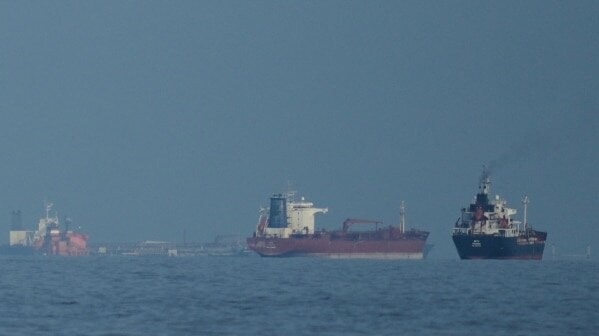
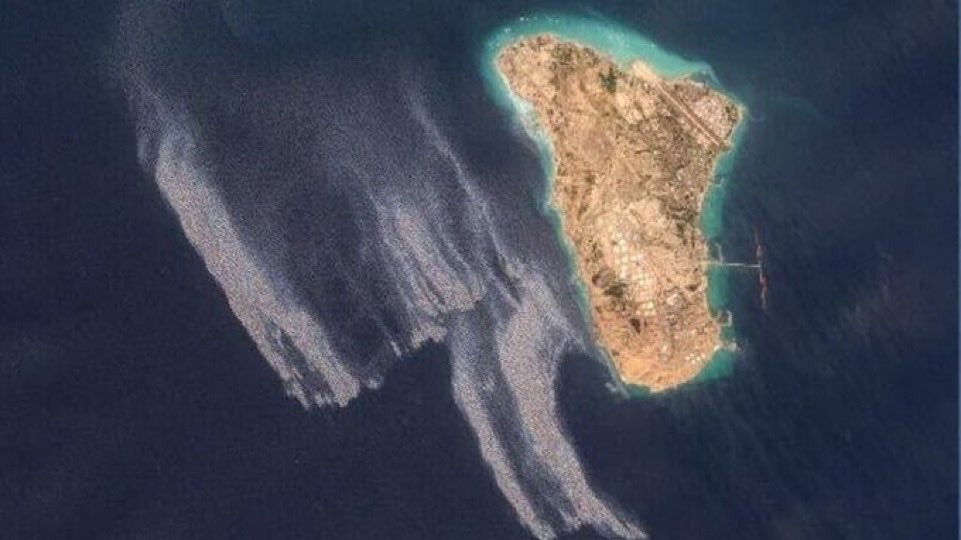
The Strait of Hormuz is a critical choke point for global fuel transit and has remained effectively closed since the first week of March in the wake of the ongoing war between Iran and the joint front of Israel and the US.
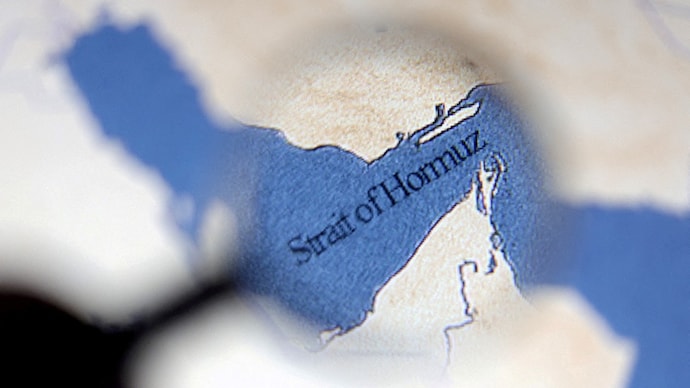
The conflict-hit Strait of Hormuz continues to deepen anxiety in markets about a more severe energy crisis. (Reuters image)

New Delhi,UPDATED: Mar 22, 2026 05:08 IST
The Group of Seven (G7), which is made up of the US, the UK, France, Japan, Italy, Germany, and Canada, and the European Union (EU), announced on Saturday it was willing to take necessary measures to ensure the security of global energy supplies and reaffirmed the importance of safeguarding maritime routes, including the Strait of Hormuz.
In a statement jointly issued by the foreign ministers of the seven countries and the top diplomat of the EU, the influential multilateral forum said, "We reaffirm the importance of safeguarding maritime routes, and safety of navigation, including in the Strait of Hormuz and all associated critical waterways, as well as the safety and security of supply chains and the stability of energy markets."
The Strait of Hormuz is a critical choke point for global fuel transit and has remained effectively closed since the first week of March in the wake of the ongoing war between Iran and the joint front of Israel and the US.
About 20 per cent of the world's oil and liquefied natural gas is transported through the critical shipping lane. The disruption to the passage of merchant vessels through the strategic strait has sent fuel prices soaring in most parts of the world.
Iran, however, appears to be enforcing the blockade in a selective manner, according to various recent news reports. Earlier this week, the country's foreign minister, Abbas Araghchi, said the strait was only closed to tankers and ships of "enemies and those supporting their aggression."
He told Japanese news agency Kyodo that Tehran was ready to let Japan-related vessels pass through the strait. Moreover, last week, two Indian-flagged vessels carrying liquefied petroleum gas (LPG) were granted transit through the Strait of Hormuz by Iranian authorities.
G7 READY FOR 'NECESSARY MEASURES'
The G7 members' joint statement further reaffirmed their readiness to take "necessary measures to support global supply of energy", highlighting the commitment by all 32 member countries of the Energy Agency (IEA) to release a record 400 million barrels of oil from strategic stockpiles to combat a spike in global crude prices due to the war.
"We stand ready to take necessary measures to support global supply of energy such as the stockpile release decided by Energy Agency members on March 11," it said.
- Ends
(With inputs from agencies)
Published On:
Mar 22, 2026 05:08 IST
Tune In