18 hours ago
Last Updated:January 09, 2026, 00:15 IST
The protests, began on December 28, and was triggered by anger over rising living costs.

Shopkeepers and traders walk over a bridge during a protest against the economic conditions and Iran's embattled currency in Tehran on December 29, 2025. (AFP)
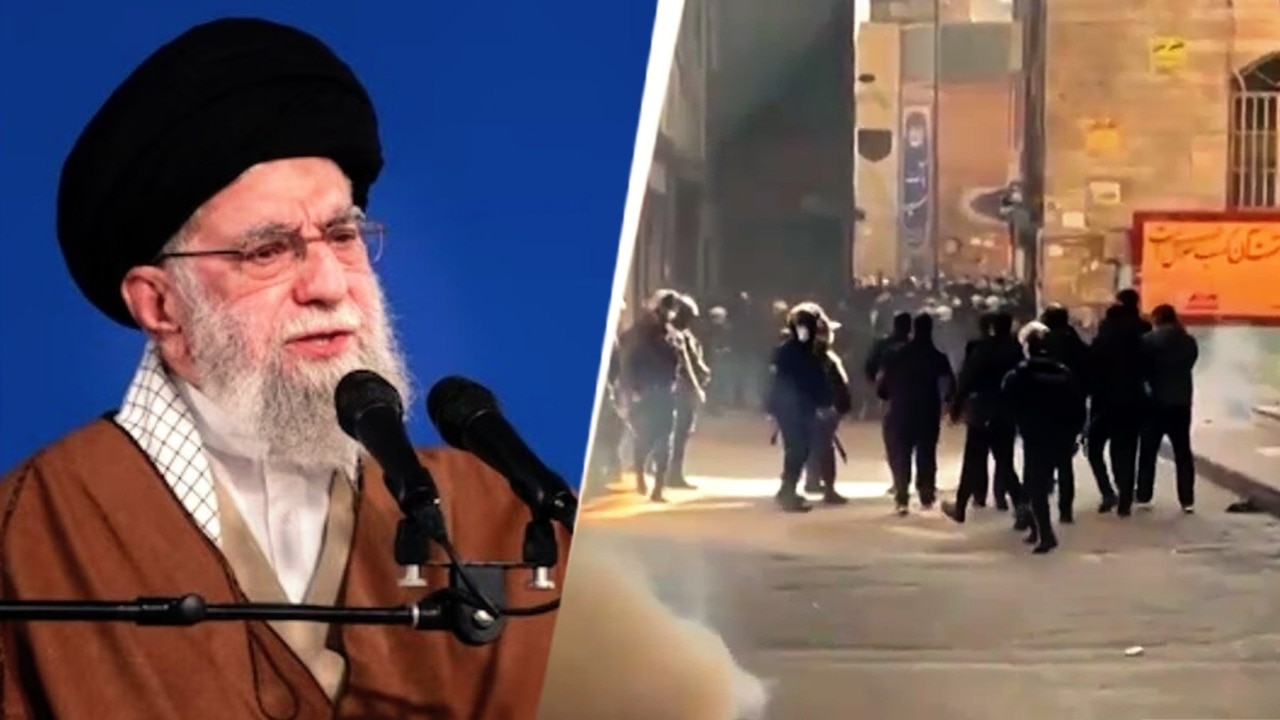
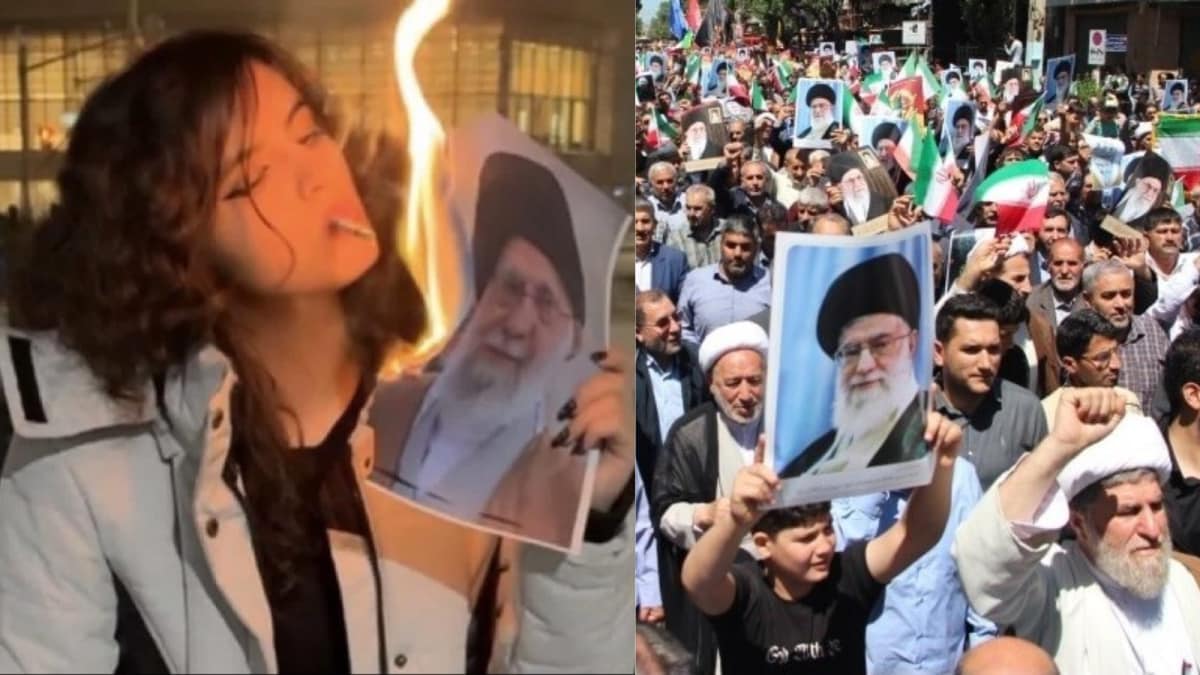
Iran is witnessing its most serious wave of protests since 2022, with demonstrations entering a 12th day amid reports of a nationwide internet blackout, dozens of deaths and growing international scrutiny.
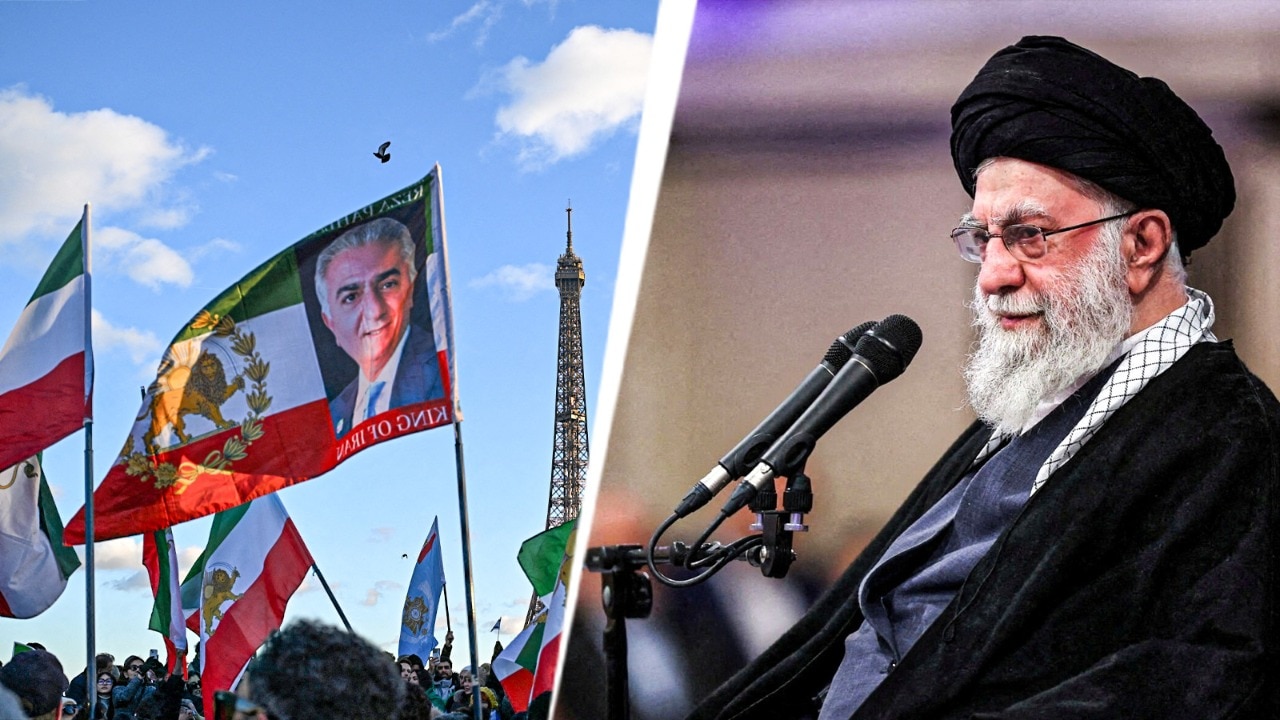
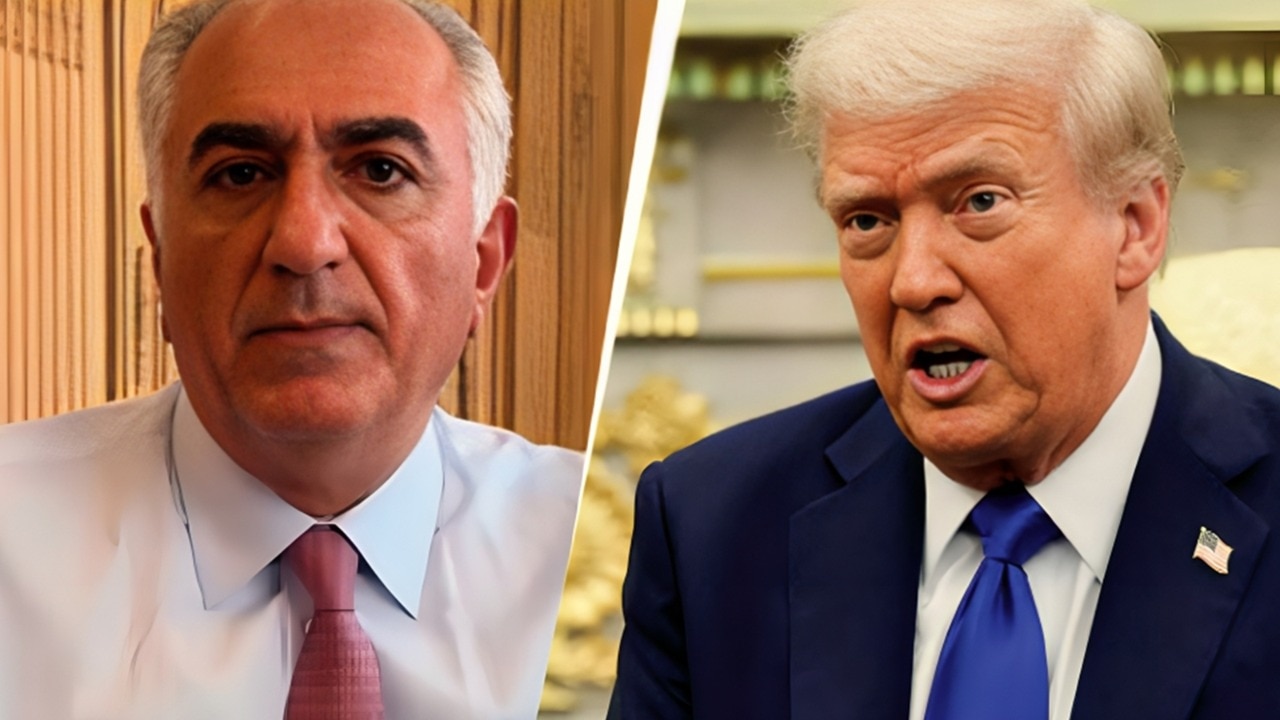
Against this backdrop, exiled Iranian prince Reza Pahlavi is expected to visit former US President Donald Trump’s Mar-a-Lago residence next week.
The unrest, triggered by rising living costs and a collapsing currency, has spread across large parts of the country, with clashes reported in several locations and mounting concern over the scale of the crackdown by security forces.
Nationwide Internet Blackout Reported
A nationwide internet blackout was reported in Iran on Thursday, online watchdog NetBlocks said, as authorities stepped up digital restrictions amid the ongoing protests.
In a statement, the group said live network data showed Iran was “in the midst of a nationwide internet blackout," following a series of escalating censorship measures targeting protest activity. The blackout, it said, was likely to severely limit the public’s ability to communicate at a critical moment.
‘At Least 45 Protesters Killed’
The Norway-based NGO Iran Human Rights said Iranian security forces have killed at least 45 protesters, including eight minors, since demonstrations began in late December.
The group said Wednesday marked the deadliest day of the protests so far, with 13 confirmed deaths. Hundreds more have been injured and over 2,000 people arrested, according to the organisation.
“The evidence shows that the scope of the crackdown is becoming more violent and more extensive every day," said Iran Human Rights director Mahmood Amiry-Moghaddam.
Pezeshkian Calls For ‘Utmost Restraint’
Iranian President Masoud Pezeshkian called for “utmost restraint" in handling the protests, urging security forces to avoid violence and coercion.
“Any violent or coercive behaviour should be avoided," Pezeshkian said in a statement, calling for dialogue, engagement and listening to the people’s demands as protests over the cost of living continue nationwide.
Germany Condemns Use Of Force
Germany condemned what it described as the “excessive use of force" against protesters in Iran, after authorities used live fire and tear gas to disperse demonstrations.
“It is their right to express their opinion peacefully," German Foreign Minister Johann Wadephul said, referring to the protesters.
Iran Warns US, Israel
Iran’s Foreign Minister Abbas Araghchi said Tehran had no intention of going to war with the United States or Israel, but warned it would respond decisively to any renewed attack.
Speaking to reporters in Beirut, Araghchi said Iran remained open to negotiations with Washington over its nuclear programme, provided talks were conducted on the basis of mutual respect rather than what he described as “dictation" by the US.
Reza Pahlavi’s Planned US Visit
Against this backdrop, exiled Iranian prince Reza Pahlavi is expected to visit Mar-a-Lago next Tuesday to speak at the Jerusalem Prayer Breakfast, according to journalist Laura Loomer.
Loomer said there was no confirmation on whether Pahlavi would meet former US President Donald Trump during the visit. The timing of the planned appearance has drawn attention as protests continue across Iran.
Protests Highlight Regime-People Divide
Nicholas Carl, a research fellow at the American Enterprise Institute, said the protests underline a deep and persistent divide between Iran’s leadership and large sections of the population.
He noted that the current unrest marks the fourth major wave of anti-regime protests since 2017, driven by corruption, economic mismanagement and strict social controls. Carl said the regime has shown little willingness to address these grievances, instead relying on coercion and repression, and warned that unrest is likely to continue without meaningful change.
The protests began on December 28 after merchants in Tehran’s Grand Bazaar staged a shutdown over rising prices and the collapse of the rial, before spreading to other parts of the country, particularly western Iran.
First Published:
January 08, 2026, 23:25 IST
News world Digital Blackout, Clashes In Iran As Exiled Prince Raza Pahlavi Heads To Trump’s Mar-a-Lago
Disclaimer: Comments reflect users’ views, not News18’s. Please keep discussions respectful and constructive. Abusive, defamatory, or illegal comments will be removed. News18 may disable any comment at its discretion. By posting, you agree to our Terms of Use and Privacy Policy.
Read More