 1 month ago
Last Updated:March 16, 2026, 09:46 IST
The wary allies fear that if coalition warships engage Iranian forces directly, the conflict could quickly escalate into a broader regional war


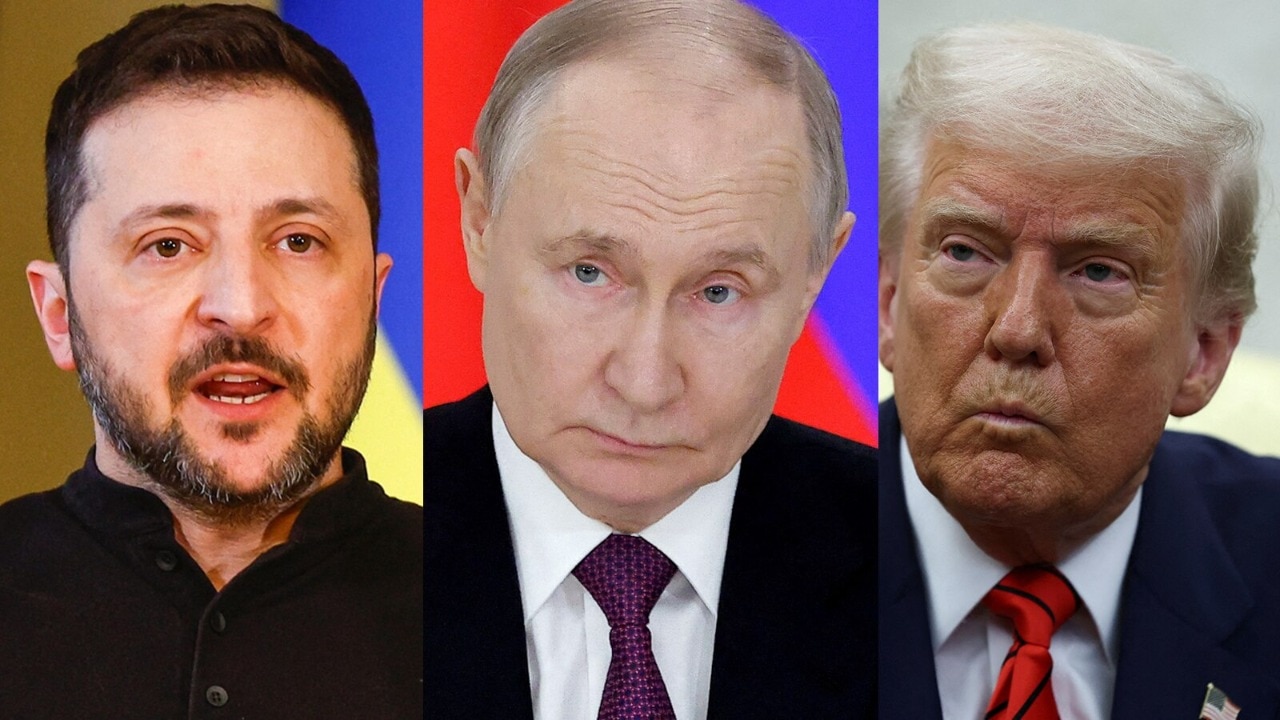
For Trump, the argument is simple: many of these economies depend heavily on oil shipped through the Gulf, so they should contribute militarily to keeping the route open. (AFP)
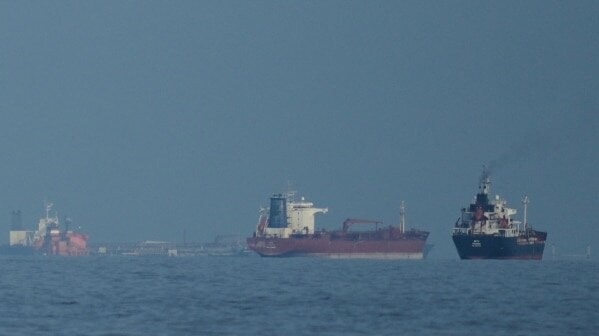
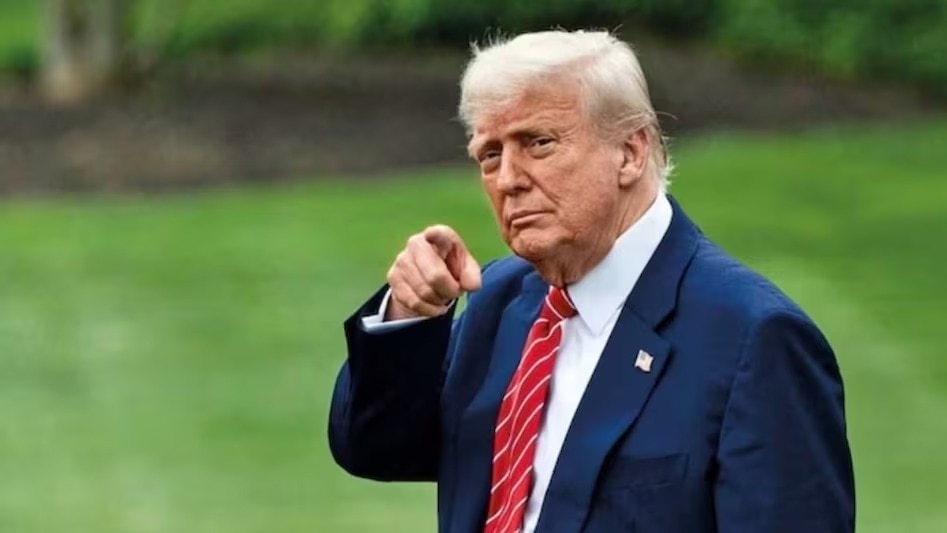
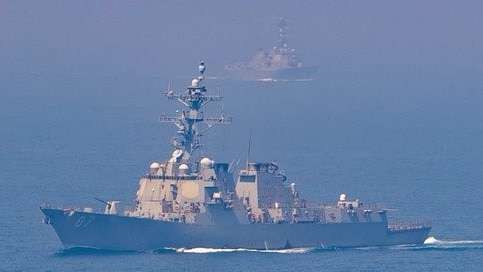
Donald Trump wants help. As tensions escalate in the Gulf during the US-Israel-Iran war, the American President has called for an international naval coalition to escort commercial ships through the Strait of Hormuz, one of the world’s most important energy chokepoints.
Trump argues that countries dependent on Gulf oil should help secure the route rather than leaving the burden solely on the United States. However, analysts say building such a coalition—and making it effective—could be far more complicated than it sounds.
What Is Trump’s Proposal?
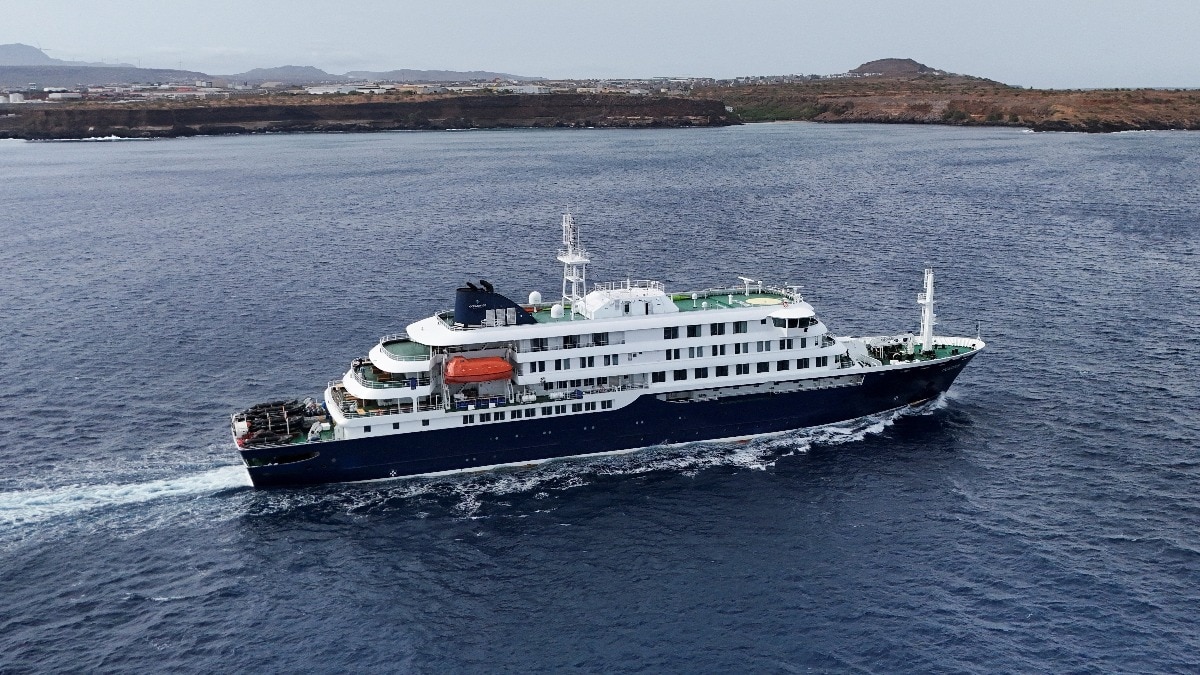
According to The Guardian, Trump has urged several countries to deploy warships to escort commercial vessels moving through the strait. The countries he is looking to include the United Kingdom, France, China, Japan, South Korea, and other major energy-importing nations.
ALSO READ | Trump Signals ‘Delaying’ Beijing Summit With Xi If China Fails To Help Reopen Strait Of Hormuz
For Trump, the argument is simple: many of these economies depend heavily on oil shipped through the Gulf, so they should contribute militarily to keeping the route open. As per The Times of India, the plan would involve naval vessels escorting tankers and commercial ships through the narrow strait to deter attacks or interference.
Is There A Precedent?
Yes, similar multinational naval missions have been attempted before.
One example is the Maritime Security Construct launched in 2019 to patrol Gulf shipping lanes and deter attacks on commercial vessels. Such missions typically involve naval patrols, intelligence sharing, escorting vulnerable ships, and surveillance of potential threats.
However, these operations require strong coordination between participating navies and political agreement among governments.
Why Are Countries Hesitant?
Despite Trump’s call, the response from allies has been cautious.
Several governments have signalled reluctance or are still reviewing options. Some European countries are considering defensive missions, while others remain sceptical about sending warships into an active conflict zone.
For instance, Japan has said it is still evaluating the situation and has not committed to deploying vessels. Defence Minister Shinjiro Koizumi, while addressing the Parliament, said Tokyo is “not considering" sending naval forces.
ALSO READ | Trump Thought Iran War Would Be Cakewalk. Five Reasons Why He Was Wrong
Australia too has ruled out sending naval forces to the region for now. Cabinet minister Catherine King told Australian Broadcasting Corporation that while the Strait remains strategically vital for global trade and energy supplies, Canberra has neither received a request to deploy a warship nor is it considering such a move at this stage.
In United Kingdom, the government said Prime Minister Keir Starmer spoke with Trump on Sunday about the need to reopen the shipping lane. However, the US President, speaking aboard Air Force Once, said Starmer had initially declined to send British aircraft carriers “into harm’s way".
South Korea, meanwhile, said it was reviewing the request, adding that the country “takes note" of Trump’s call and will “closely coordinate and carefully review" the situation with the United States.
Many countries fear that deploying warships could drag them directly into a broader conflict with Iran. But the cautious stand has not gone down well with Trump, who warned that the North Atlantic Treaty Organisation (Nato) could face a “very bad" future if its member states fail to support Washington’s efforts.
The Military Challenges
Even if a coalition is formed, securing the Strait of Hormuz would be extremely difficult.
To begin with, geography is a problem. The strait is only about 33 kilometres wide at its narrowest point, making ships vulnerable to missiles, drones, naval mines as well as small fast attack boats.
What allies also understand—and America failed to gauge—is Iran’s capability to strike back. Iran has long prepared for asymmetric naval warfare in the Gulf, including anti-ship missiles, swarm tactics using small boats, sea mines, and drones. This means escorting tankers would require constant surveillance and large naval deployments.
If coalition warships engage Iranian forces directly, the conflict could quickly escalate into a broader regional war.
Many analysts believe Trump’s proposal is partly strategic signalling rather than an immediate operational plan. Speaking to The Hindustan Times, the analysts said the US President was trying to pressure allies to share security burdens, deter Iran by showing international resolve, and reassure global energy markets.
But critics warn that a coalition without broad international support could struggle to maintain credibility or effectiveness.
Another concern is that if key players like China or European countries decline to participate, the mission could become largely US-led—undermining the idea of a truly multinational effort.
Location :
United States of America (USA)
First Published:
March 16, 2026, 09:46 IST
News explainers Can Donald Trump's Naval Coalition Keep Strait Of Hormuz Open? His Allies Aren't Sure
Disclaimer: Comments reflect users’ views, not News18’s. Please keep discussions respectful and constructive. Abusive, defamatory, or illegal comments will be removed. News18 may disable any comment at its discretion. By posting, you agree to our Terms of Use and Privacy Policy.
Read More