1 month ago
Fresh Houthi-Saudi exchanges of fire have sharply escalated tensions in Yemen. The flare-up has put the 2022 truce at risk and widened fears of a regional conflict.

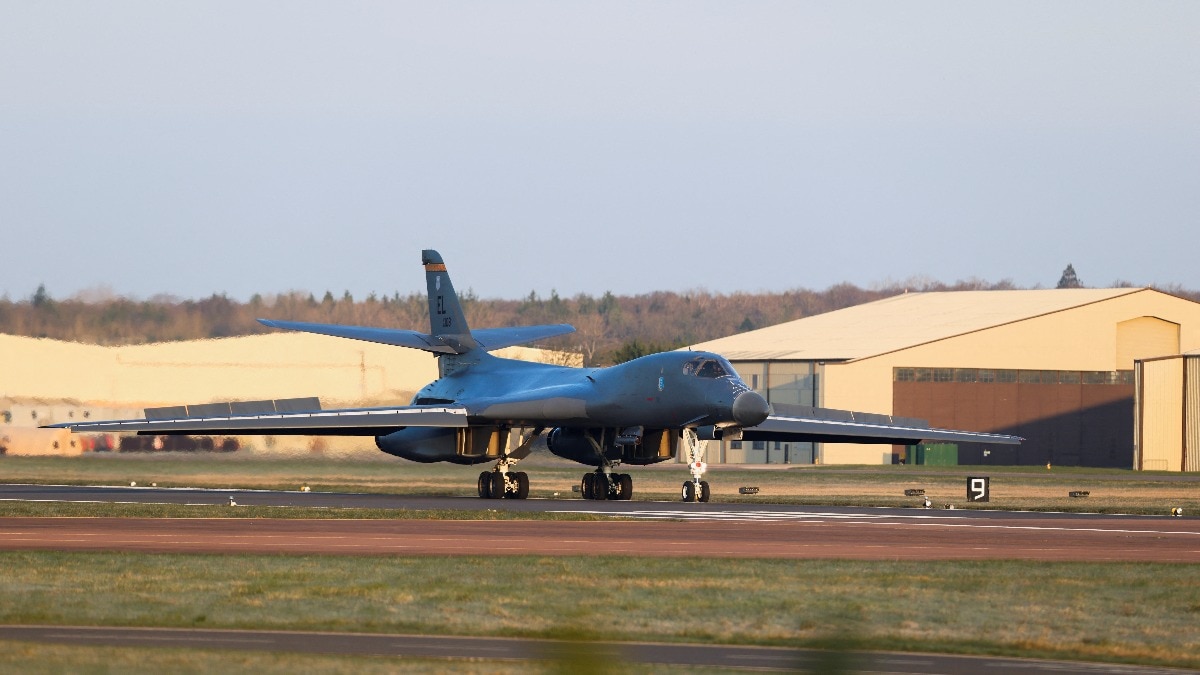
Image used for representational purposes only

Cairo,UPDATED: Aug 10, 2026 16:18 IST
Fresh exchanges of fire between Yemen's Iran-backed Houthi rebels and Saudi Arabia have raised fears of the 2022 truce collapsing and of Yemen being pulled into a wider regional conflict after the collapse of a ceasefire deal between the US and Iran. UN envoy Hans Grundberg warned that the country now faces its highest risk of renewed large-scale fighting since the April 2022 truce.
"Yemen today faces a greater risk of renewed large-scale conflict than at any point since the UN-brokered truce of April 2022," Grundberg said. He added that the escalation risks "jeopardising the gains of the 2022 truce... while also drawing the country into a broader regional confrontation, with devastating consequences for its people". He said he has held intensive talks with Yemeni parties and regional governments to prevent further escalation.
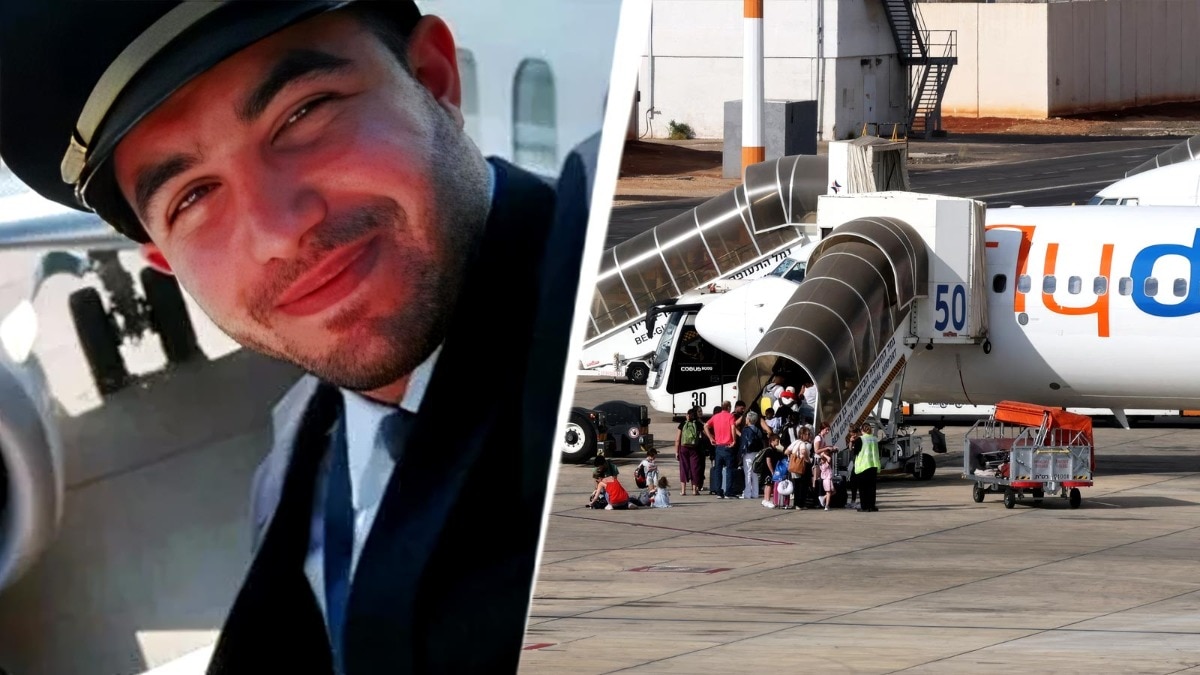
The latest round of attacks began on July 13, when a Saudi airstrike hit the runway at the airport in Yemen's capital, Sanaa, stopping an Iranian flight carrying a senior Houthi delegation from landing. Flying the aircraft without prior permission from the Saudi-led coalition, a requirement in place for a decade because of the war, was seen as an attempt by the Houthis to create a new reality on the ground and challenge the coalition's control over Yemeni airspace.
Government and Houthi officials, speaking on condition of anonymity to discuss the talks, said the rebels appeared emboldened by the fallout of the US-Israeli war against Iran and were seeking political and economic concessions from Saudi Arabia. They said the Houthis also insisted on lifting the Saudi blockade on the territories they control in Yemen. The officials said the Houthis rejected an offer from Yemen's Saudi-backed internationally recognised government to help the delegation travel to Sanaa on a non-Iranian airline.
The Houthis went ahead with the flight on Mahan Air, an Iranian privately owned airline under US sanctions, prompting the Saudi-led strike that disabled Sanaa airport. A Gulf official, also speaking on condition of anonymity, said the coalition later allowed the flight to land in the Houthi-held city of Hodeida as part of an Omani-led effort to stop the situation from worsening.
Yasmeen al-Eryani of the Sana'a Centre for Strategic Studies said the Mahan Air episode was part of Iran's wider escalation. "By activating the Yemeni front, Tehran reiterates the strategic value of that pressure lever and signals that attacks on Iran can produce costs elsewhere, particularly for Saudi Arabia and the Gulf," she said.
After the strike on Sanaa airport, the Houthis attacked Abha airport in south-western Saudi Arabia and announced a blockade on Saudi shipping in the Red Sea. They also attacked Saudi vessels and oil facilities inside the kingdom, adding to global economic disruption. In response, the Saudi-led coalition carried out strikes on Hodeida and Kamaran, Yemen's largest island in the Red Sea, and reinforced Yemeni troops along front lines for a possible ground offensive, Yemeni officials said.
Expecting such an offensive, the Houthis fired dozens of missiles and drones at military camps in central and southern Yemen, killing dozens of troops and civilians. They also attacked the Red Sea city of Mokha, badly damaging its key port, which remains under the control of the internationally recognised government.
In recent years, the Houthis have faced rising internal pressure because of worsening living conditions in the areas they control. "A prolonged situation of 'no war, no peace' has raised public expectations for tangible economic and living improvements, generating growing internal pressure on the group," Yemeni researcher Salah Ali Salah said. He said the rebels tried to shift blame to Saudi Arabia for its air and naval blockade and presented the escalation as part of the Yemen war rather than a new front in the Iran war.
The blockade has been part of the Saudi-led coalition's war effort since it entered the conflict in March 2015, six months after the Houthis swept down from their northern stronghold, seized Sanaa and forced the government to flee first to the south and then to Saudi Arabia. The war has turned Yemen into one of the world's worst humanitarian crises, with people in Houthi-held areas facing the worst hunger.
The conflict later settled into a stalemate, and the warring sides agreed to a truce in April 2022 that halted major fighting across the country and stopped Houthi missile and drone attacks on Saudi Arabia and the United Arab Emirates, which left the coalition more than a year ago. Omani back-channel talks have focused on preventing that truce from collapsing, but they have not yet produced a compromise.
Ahmed Nagi, a senior Yemen analyst at the Crisis Group, said the latest escalation showed a wider change in Houthi priorities, from trying to secure confidence-building steps such as salary payments for civil servants in Houthi-held areas to directly framing the conflict around Yemen's sovereignty over its airspace, ports and territorial waters. "By taking direct action to reassert this view, the Houthis have raised the political stakes and made future compromise considerably more difficult," he said. The latest violence has therefore put the 2022 truce under renewed strain while widening the risk of a broader confrontation.
With PTI Inputs
- Ends
Published By:
India Today Web Desk
Published On:
Aug 10, 2026 16:18 IST