1 hour ago
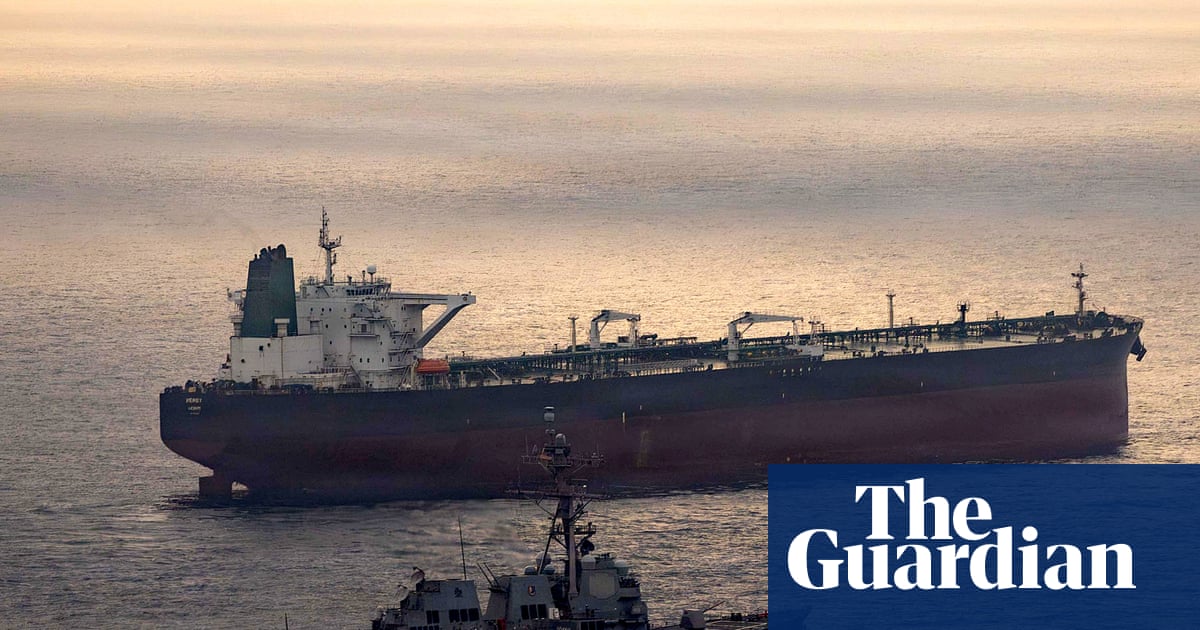
Saudi Arabia and Yemen's Houthis have accused each other of fresh attacks, threatening to open a new front in the Middle East. The flare-up has renewed focus on whether Pakistan will be pressed to honour its defence pact with Riyadh.
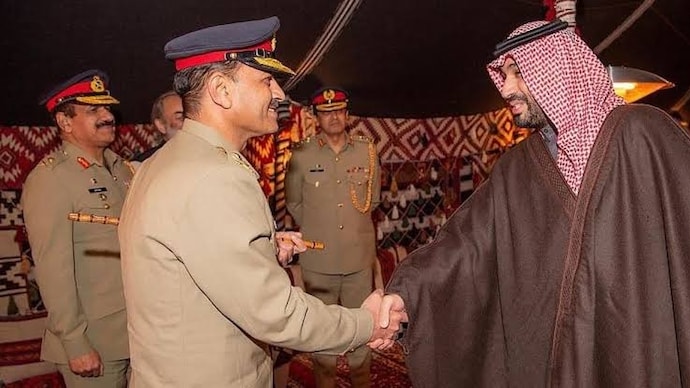
Saudi Arabia's Crown Prince with Pakistani army chief Asim Munir

New Delhi,UPDATED: Jul 14, 2026 17:28 IST
A conflict that was on cold storage for years has flared up again after Saudi Arabia and Iran-backed Houthis in Yemen accused each other of launching attacks over the weekend. It has brought renewed attention to the role of Pakistan, which last year signed a mutual defence pact with Saudi Arabia, and has since expanded its military footprint in the Kingdom. It has led to speculation about whether Pakistan, already grappling with insurgency in Balochistan and tensions along the Afghanistan border, will join Riyadh in fighting the Houthis.
The fresh tensions between Saudi Arabia and the Houthis have threatened to open a new front in the Middle East at a time when the US-Iran conflict has again thrown the region into turmoil. On Sunday, the Houthis accused Saudi Arabia of bombing Yemen's airport. The attack, which is believed to have Donald Trump's backing, was an attempt to prevent an Iranian flight from landing at the Sanaa airport, Axios reported.
SAUDI ARABIA, HOUTHIS EXCHANGE FIRE
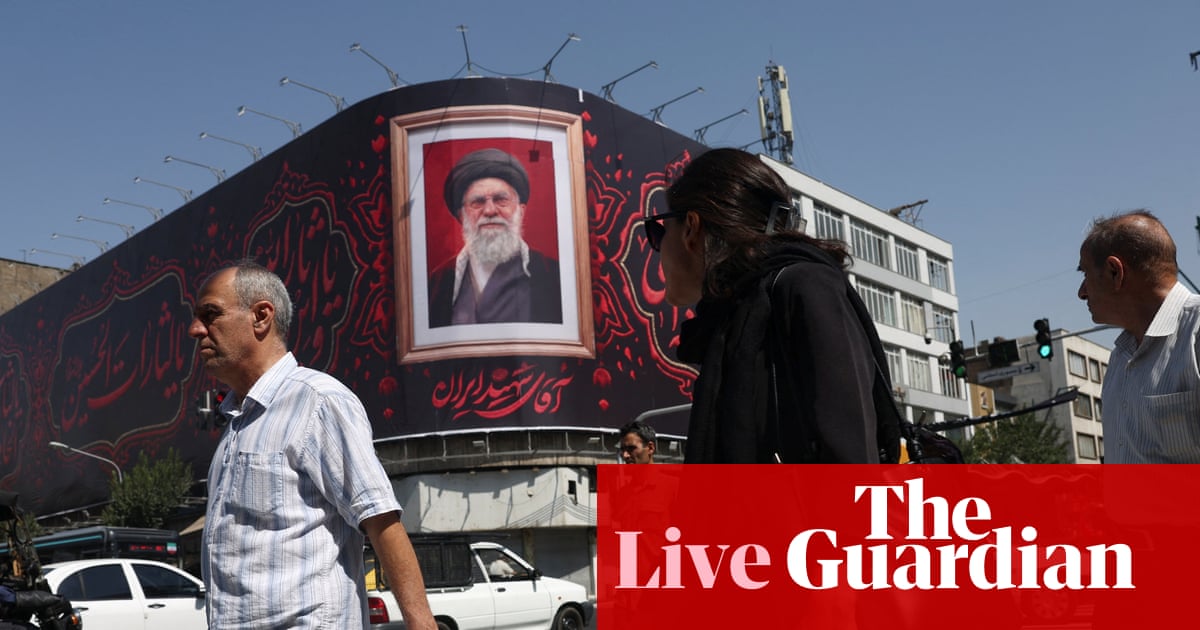
The Mahan Air flight was carrying a Houthi delegation that was returning from Iran after attending the funeral of former Supreme Leader Ayatollah Ali Khamenei. Saudi Arabia was concerned that the flight might have been used to transport weapons or Iranian military personnel to Yemen. The US has long maintained that Mahan Air is linked to Iran's powerful Islamic Revolutionary Guard Corps (IRGC).
The flight was diverted, and it eventually landed at Houthi-controlled Hodeidah airport.
Sanaa, the capital of Yemen, and much of northern Yemen, including the port city of Hodeidah, is under Houthi control. The Yemen government, which has the backing of Saudi Arabia and other Gulf countries, operates mostly in Aden on the south coast.
Tensions, in fact, have been simmering for the past 10 days. Earlier this month, an Iranian flight landed in Sanaa to pick up a Houthi delegation for Khamenei's funeral. The Houthis claimed Saudi fighter jets attempted to prevent the flight from landing without success.
The July 12 bombing of Sanaa airport proved to be the final nail in the coffin. The Houthis retaliated by firing missiles and drones toward Saudi Arabia, specifically targeting Abha Airport. The outfit also warned airlines to stay away from Saudi airspace.
The tit-for-tat strikes shattered a truce that has largely held since 2022, and even withstood the tensions ignited by the US-Iran war earlier this year.
The roots of Yemen's civil war can be traced back to 2014, when the Houthis seized much of northern Yemen and forced the government into exile. In subsequent years, a Saudi-led coalition fought the Houthis in the north. In 2022, a truce brokered by the United Nations brought hostilities to a halt.
WILL PAKISTAN JOIN SAUDI-HOUTHI CONFLICT?
The latest escalation has raised the spectre of renewed fighting between the Houthis and Saudi Arabia. It has revived a pertinent question. Will Pakistan step in if Saudi Arabia is attacked again?
In September last year, nuclear-armed Pakistan and Saudi Arabia signed a NATO-style defence pact. While the full text of the deal has not been made public, a key aspect stood out. It stated that an aggression against either country would be considered an aggression against both.
Pakistani defence minister Khawaja Asif also said that its nuclear program would be made available to Saudi Arabia under the pact. Several defence experts even believe that Saudi Arabia has quietly funded it. In such a case, it is obvious that Riyadh would want its pound of flesh.
The two countries have had several meetings about the pact after Iran, earlier this year, targeted Saudi energy facilities. However, Pakistan tactfully avoided getting itself dragged into the war by starting a conflict in its own backyard with Afghanistan.
There is a reason why I am saying that.
A ceasefire had been in place with Afghanistan since November 2025. Yet, Pakistan went ahead and conducted airstrikes in Kabul just as the Iran conflict started on February 28. Now, there was no trigger for Pakistan to suddenly attack Afghanistan. The conflict with Afghanistan gave Pakistan wriggle room to escape the Saudi defence pact.
CATCH-22 SITUATION FOR PAKISTAN
But now the fight is against the Houthis. Pakistan has never officially fought the Houthis in Yemen, or deployed combat forces against them.
Beginning in the 1970s, Pakistan has periodically provided training to more than 8,000 Saudi troops. Pakistani troops also travelled to Saudi Arabia in the 1960s during tensions over Egypt's war in Yemen.
In fact, ties between Pakistan and Saudi Arabia had soured in 2015 after Islamabad refused to send troops for the Saudi-led intervention in Yemen during the civil war.
Pakistan again finds itself in a Catch-22 situation. This time, it is also dealing with unrest across multiple fronts - attacks from Baloch rebels, protests in Pakistan-Occupied Kashmir, and tensions along the Afghanistan border.
Presently, around 8,000 Pakistani troops, 16 fighter jets (mostly JF-17 warplanes), and a Chinese air defence system are stationed in Saudi Arabia as part of the mutual defence pact. The deployments were made in May, when the tensions in the Middle East had subsided.
Presently, the situation remains volatile. Saudi Arabia and the Houthis have exchanged only one round of strikes. If the Houthis escalate their strikes on Saudi Arabia, Pakistan will come under immediate pressure to honour its defence commitment with Riyadh.
- Ends
Published By:
Abhishek De
Published On:
Jul 14, 2026 17:28 IST