1 month ago
Last Updated:January 30, 2026, 19:53 IST
While Tehran has been militarily weakened by Israeli and US strikes and is grappling with domestic unrest, experts say that Iran still retains significant retaliatory powers.

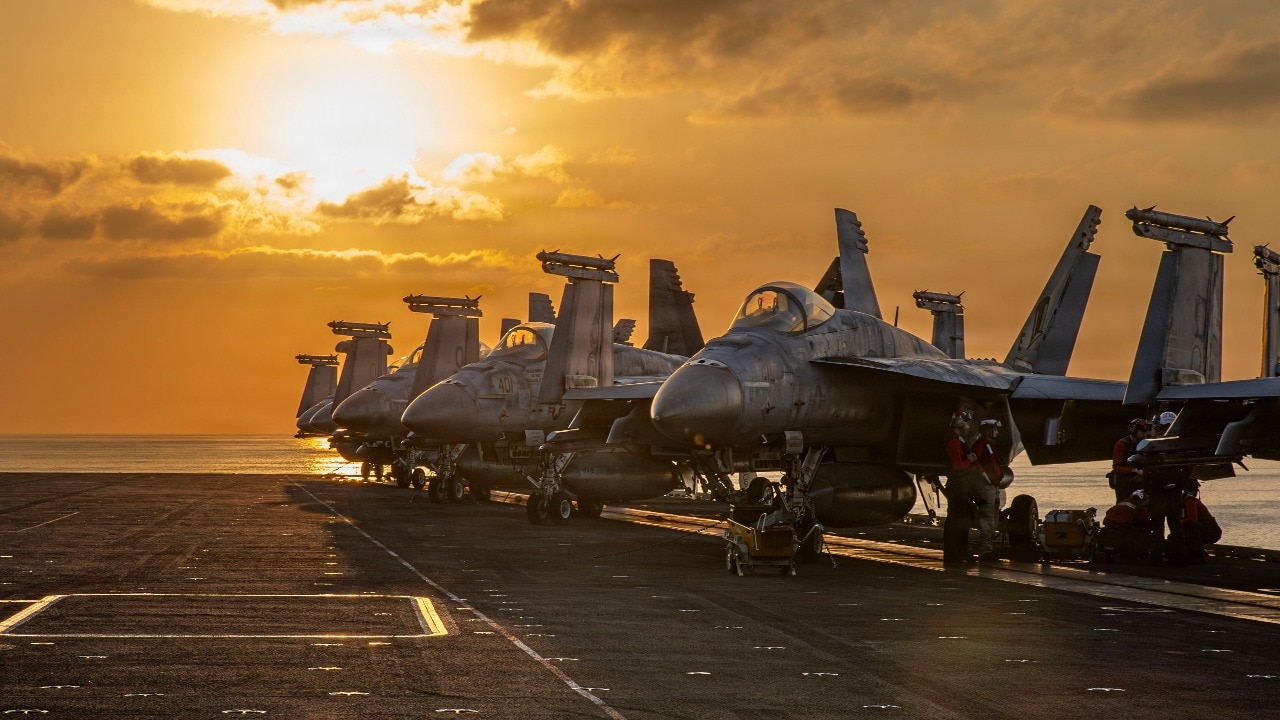
Naval strike group led by the USS Abraham Lincoln reaches Middle East | Image: X
As a US carrier strike group moves into the Middle East and President Donald Trump warns of possible military action against Iran, concerns of a broader regional conflict are resurfacing.
While Tehran has been militarily weakened by Israeli and US strikes and is grappling with intensifying domestic unrest, experts caution that Iran still retains significant retaliatory capabilities, and that its response to any new US attack may be far less restrained than in the past.
Iran’s leadership is under pressure from two fronts: a protest movement at home increasingly calling for the regime’s removal, and a US president whose ambiguous rhetoric has deepened uncertainty across an already volatile region.
Analysts say this convergence of internal instability and external threat raises the risk of rapid and unpredictable escalation.
Historically, Iran has favoured measured retaliation designed to signal resolve while avoiding full-scale war.
In June 2025, after US strikes on Iranian nuclear facilities, Tehran launched a limited missile attack on the US-run Al Udeid Air Base in Qatar.
According to President Trump, Iran provided advance warning, allowing defences to intercept most of the missiles. No casualties were reported, and the exchange was widely seen as a calibrated response.
A similar pattern unfolded in January 2020 after the US killed Quds Force commander Qassem Soleimani.
Iran retaliated days later by striking the Ain al-Asad airbase in Iraq, again giving advance notice. While no US personnel were killed, several later reported traumatic brain injuries, reinforcing the perception that Tehran sought to manage escalation.
This time, analysts say, the calculus may be different.
“Much depends on whether Iran views a US strike as existential," said Farzin Nadimi, a senior fellow at the Washington Institute. “If the regime believes this is a final confrontation, it has the capacity to respond far more aggressively."
Missiles And Drones
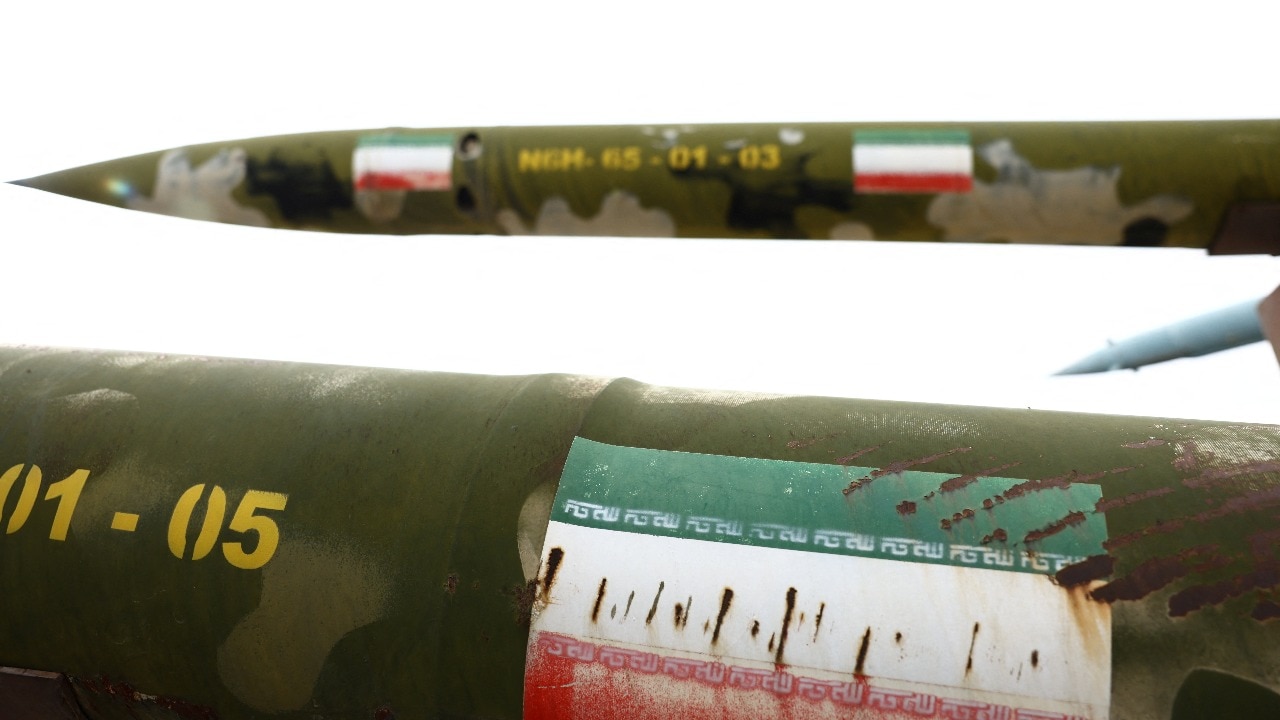
Iran possesses thousands of ballistic missiles and armed drones capable of reaching US troops stationed across the Middle East, as well as Israeli territory.
In June, after Israel launched a surprise assault on Iranian targets, Tehran responded with sustained missile and drone attacks that penetrated Israel’s layered air defence systems, causing damage.
Although Iran’s missile stockpile has been reduced by repeated Israeli strikes since 2024, Israeli assessments suggest Tehran retained 1,000–1,500 missiles after the 12-day conflict in June 2025 and has since been rebuilding its arsenal.
Iranian officials claim many of the weapons expended have already been replaced.
The country has developed more than 20 types of ballistic missiles, ranging from short- to long-range systems capable of striking targets across the Middle East and parts of southern Europe. Its Shahed suicide drones, widely used by Russia in Ukraine, have demonstrated their effectiveness on modern battlefields.
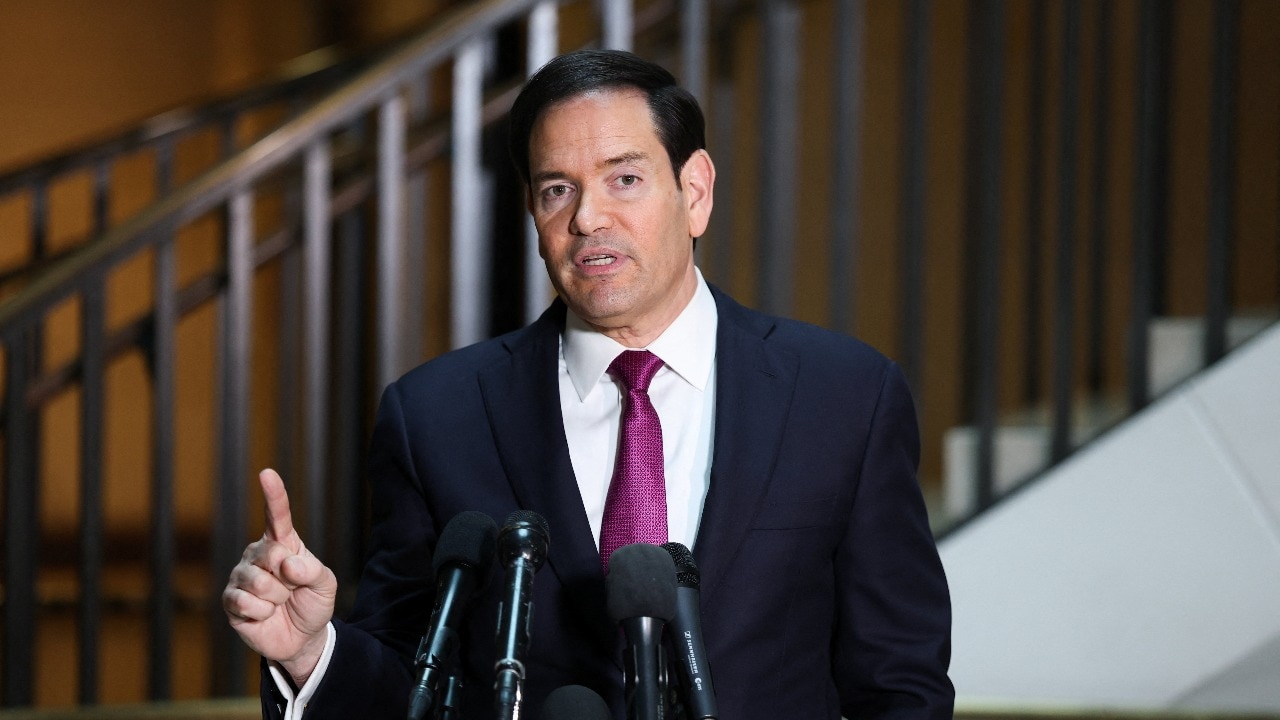
US Secretary of State Marco Rubio recently warned that tens of thousands of American troops deployed across eight or nine regional bases remain within range of Iran’s missile and drone forces.
US officials acknowledge that while Iran’s systems are older than US weaponry, their sheer volume and combat testing complicate any decisive military campaign.
Mobilising Regional Proxies
Iran’s network of allied militias has been battered by Israeli operations over the past two years, limiting Tehran’s ability to project power. Yet several groups have pledged to respond if Iran is attacked.
Iraqi militias such as Kataeb Hezbollah and Harakat al-Nujaba, both of which have targeted US forces in the past, have vowed to defend the Islamic Republic. Lebanon’s Hezbollah, though significantly weakened after prolonged conflict with Israel, has issued similar warnings.
In Yemen, the Houthi movement, despite sustained US and Israeli strikes, remains one of Iran’s most potent proxies and has hinted at imminent action.
However, these groups face constraints. Hezbollah is under domestic pressure to disarm, while Iraqi militias operate under a government increasingly urged by Washington to curb Iranian influence.
Economic Retaliation
Beyond military options, Iran retains powerful economic leverage. The country sits astride the Strait of Hormuz, a critical chokepoint through which more than 20 percent of global oil and significant volumes of liquefied natural gas pass.
Iranian officials have repeatedly warned that any attack could prompt disruptions to shipping in the strait, a move that experts say could trigger a sharp spike in energy prices and send shockwaves through the global economy.
While such a step would carry significant risks for Tehran itself, analysts caution that it remains a potent deterrent.
Handpicked stories, in your inbox
A newsletter with the best of our journalism
First Published:
January 30, 2026, 19:53 IST
News world Why Iran May Break Its Pattern Of Limited Retaliation Against The US
Disclaimer: Comments reflect users’ views, not News18’s. Please keep discussions respectful and constructive. Abusive, defamatory, or illegal comments will be removed. News18 may disable any comment at its discretion. By posting, you agree to our Terms of Use and Privacy Policy.
Read More