 1 hour ago
In the space of a fortnight, Beijing welcomed Trump, Putin and now Pakistan's Shehbaz Sharif. China became the world's most important diplomatic address, and the implications for India grow more uncomfortable by the week.
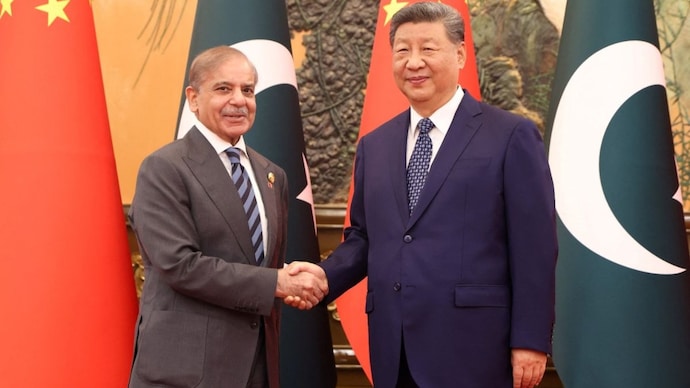
Chinese President Xi Jinping shakes hands with Pakistan Prime Minister Shehbaz Sharif at the Great Hall of the People, in Beijing. (Photo: Reuters)

UPDATED: May 22, 2026 22:22 IST
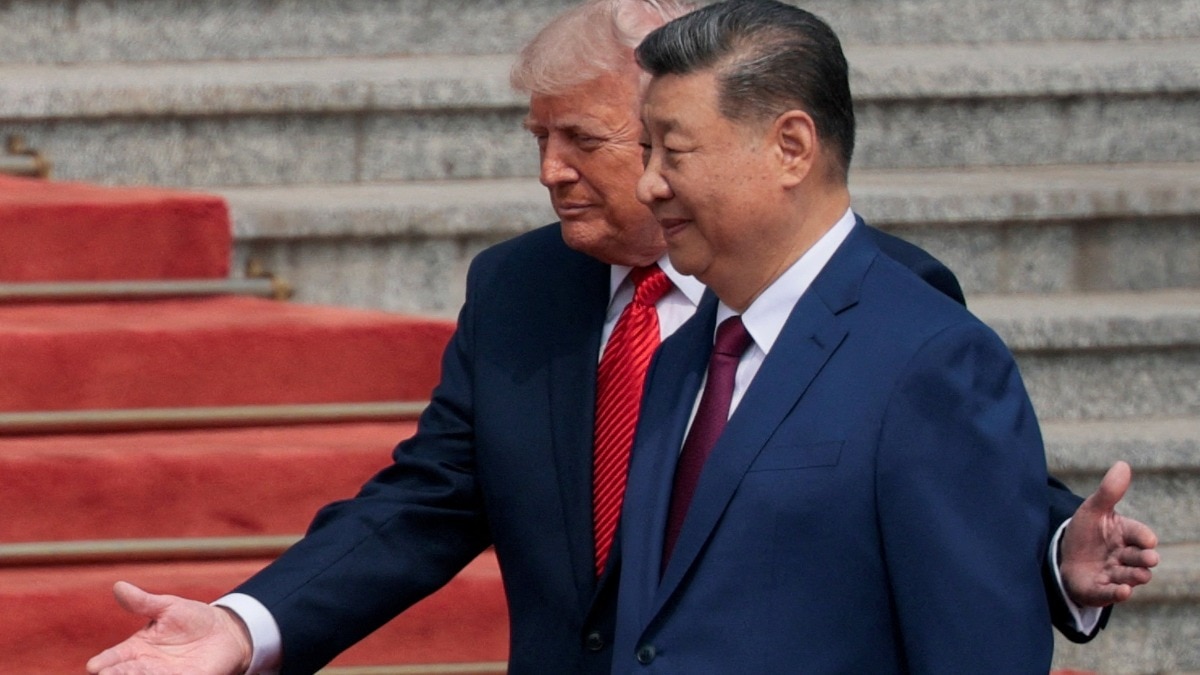
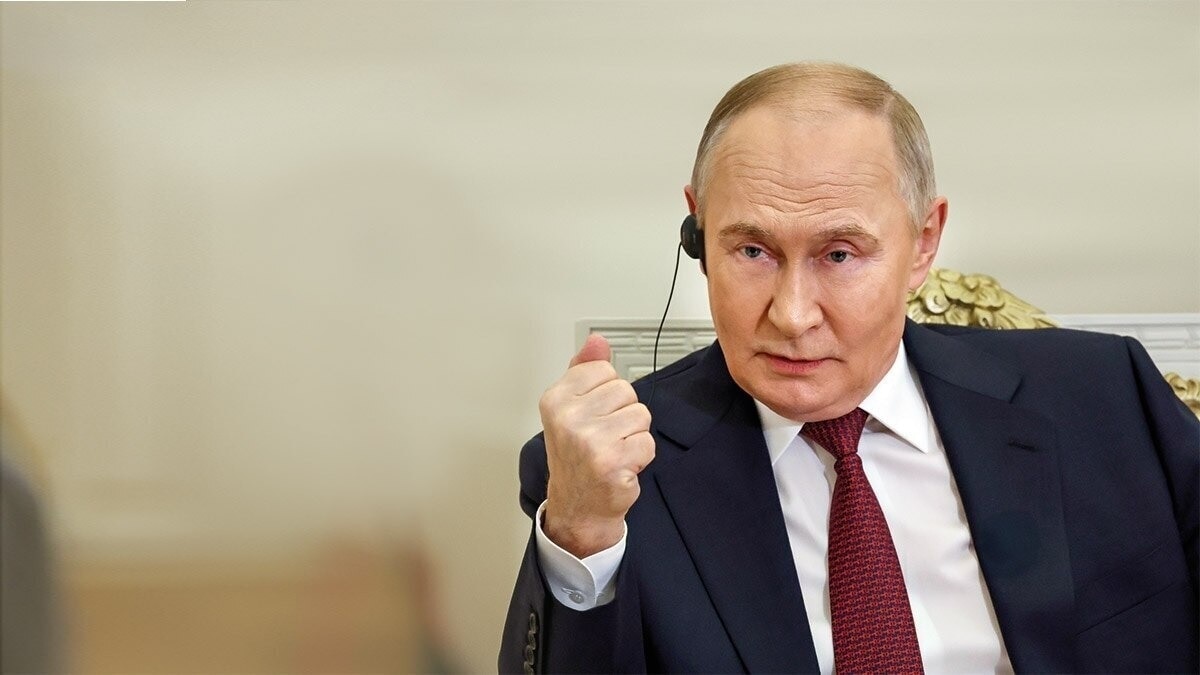
In the space of a fortnight, Beijing hosted Donald Trump, Vladimir Putin and now Pakistani Prime Minister Shehbaz Sharif, who arrives in China this Saturday. Three world leaders. Two weeks. One city. At a moment when the Middle East teeters on collapse and the US-Iran diplomatic window grew narrower by the day, China became the planet's most consequential address. The question worth asking is: why?
Beijing as the world's insurance office
The answer is not complicated. The United States under Trump's second term feels unpredictable. Tariffs appear without warning. Alliances shift overnight. Sanctions land before diplomacy gets a chance. For countries trying to plan five years ahead, Washington increasingly resembles a business partner who rewrites the contract every other Tuesday.
China offered the alternative. It is the largest or second largest trading partner for over 120 countries. It funds ports, railways, power plants and telecommunications networks through the Belt and Road Initiative at a scale Western institutions simply cannot match. It markets itself as stable, long-term and, crucially, uninterested in telling other governments how to run themselves.
Beijing also made a deliberate strategic choice. Rather than sending Xi Jinping abroad, it pulled leaders to China instead. The message was blunt: if you want deals, investment or diplomatic support, you come to Beijing. And they did.
What Sharif's visit reveals about Pakistan
Shehbaz Sharif's trip to Beijing is not a courtesy call between old friends. It signals something more significant about Pakistan's emerging role on the world stage.
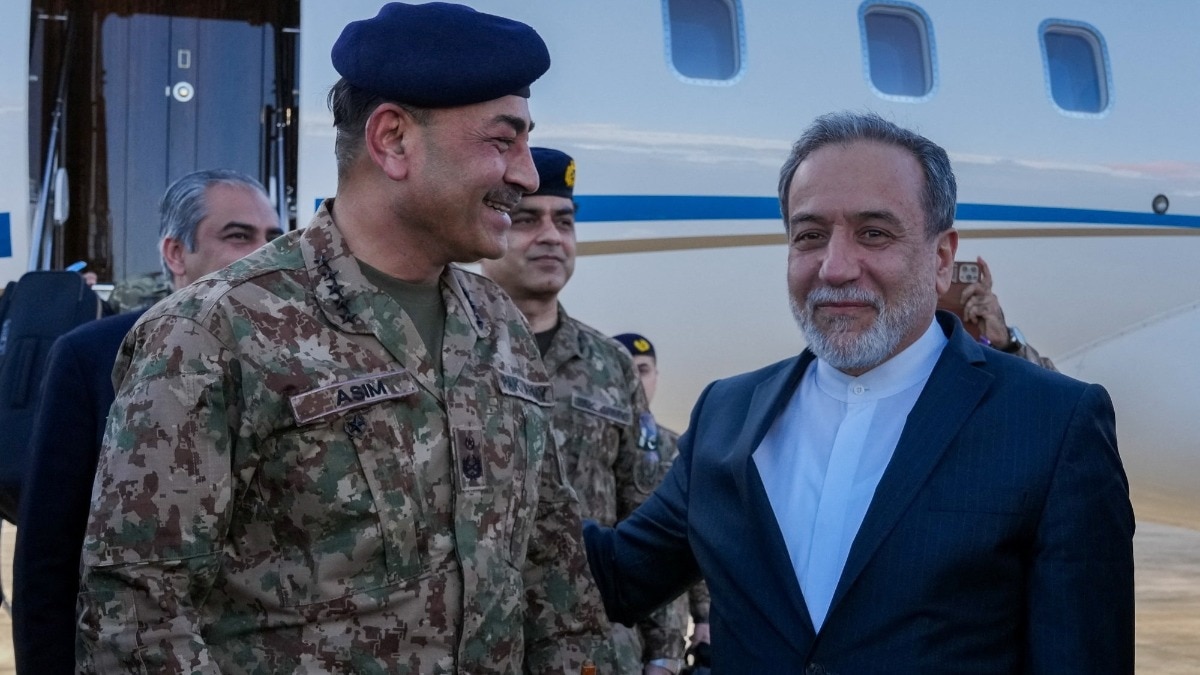
Since US and Israeli strikes on Iran in late February triggered a regional crisis, Pakistan quietly positioned itself as the one country that could speak to Washington, Tehran and Beijing at the same time. It hosted US-Iran negotiations last month. Its Interior Minister met Iran's chief negotiator in Tehran. Its army chief flew to the Iranian capital this week. Pakistan turned an unusual network of relationships into a genuine diplomatic asset.
China noticed. Beijing's Foreign Ministry confirmed it would work with Pakistan to make positive contributions to restoring peace and stability in the Middle East. China's Foreign Minister Wang Yi urged Islamabad earlier this month to step up its mediation efforts. The arrangement is straightforward: China claims the diplomatic credit, Pakistan does the diplomatic legwork, and both gain standing from the deal.
The relationship between the two countries runs deep. They share a 523-kilometre border, describe themselves as iron brothers and celebrated 75 years of formal ties this week. China is Pakistan's largest trading partner and pumped tens of billions of dollars into the China-Pakistan Economic Corridor, which links western China to the Arabian Sea through roads, pipelines and the port at Gwadar.
Why India watches all of this with deep unease
India's concern about the Beijing-Islamabad relationship is not rooted in one dramatic event. It is structural and it is long-term.
China supplies Pakistan with fighter jets, submarines, missile systems and surveillance technology, often at concessional rates and with technology transfers that help Pakistan develop its own production. Last May, Pakistan used Chinese-made aircraft against India during a brief conflict. That was not incidental. That was a demonstration.
The China-Pakistan Economic Corridor compounds India's anxiety further. CPEC runs through Gilgit-Baltistan, territory India claims as its own. Every road and pipeline laid through that stretch implicitly validates Pakistan's control over disputed land. China treats the corridor as a strategic artery connecting it to the Arabian Sea, bypassing Indian-dominated maritime routes entirely.
At the United Nations, China repeatedly shielded Pakistan from stronger international action on cross-border terrorism, watering down or blocking resolutions that India advanced. The effect was consistent: every time India attempted to build international pressure on Islamabad, Beijing provided diplomatic cover.
The cumulative result is a two-front problem that never fully dissolves. Any military confrontation with China along the Himalayan frontier could simultaneously produce pressure from Pakistan in the west. India spends more on deterrence, operates with less strategic room and watches the Beijing-Islamabad partnership deepen year by year.
Xi Jinping's guest list is not a coincidence. It is architecture. And India can see exactly what gets built.
- Ends
Published By:
indiatodayglobal
Published On:
May 22, 2026 22:22 IST