1 month ago
Last Updated:February 11, 2026, 12:06 IST
The quiet edits carry strategic weight: they clarify what India actually agreed to.


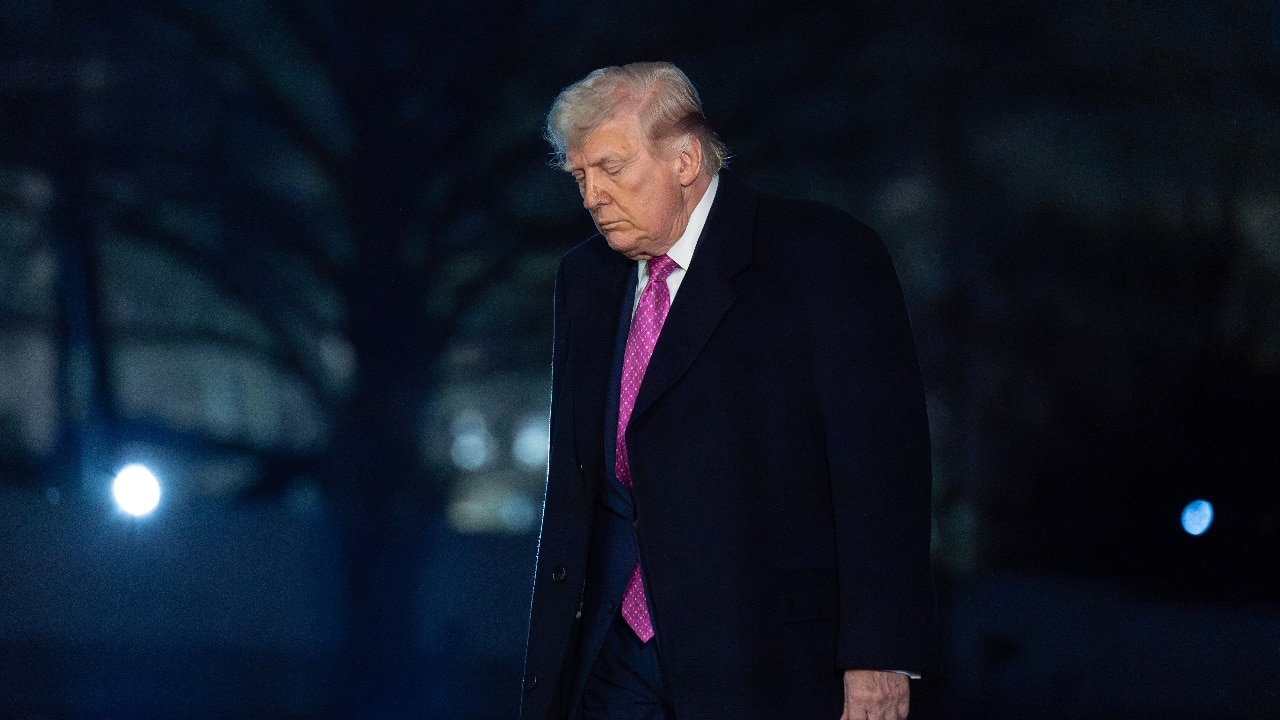
PM Narendra Modi and US President Donald Trump. (Reuters/File Image)
The White House has quietly revised its factsheet on the new India–US trade framework, replacing the version released a day earlier with language that more closely matches India’s stated position.
On Monday, the White House had issued a fact sheet on ‘The United States and India Announce Historic Trade Deal (Interim Agreement),’ days after India and the US announced in a joint statement the framework for an Interim Agreement regarding reciprocal and mutually beneficial trade.
The timing and nature of the revised update are politically significant in New Delhi: several claims in the initial US document had triggered sharp criticism from the Opposition, which alleged that the government had conceded ground on sensitive issues.
With the revised factsheet now aligning with the 7 February India-US joint statement, rather than the earlier, more expansive US interpretation, the political calculus shifts. The changes reinforce India’s red lines on agriculture, energy and digital taxation, and they undercut some of the misgivings the Opposition had amplified in the immediate aftermath of the deal’s announcement.
As the interim agreement moves towards finalisation, the updated document also strengthens the government’s argument that India has not accepted commitments beyond what was formally negotiated.
What The Initial Version Of Factsheet Claimed, And Why It Raised Immediate Questions
The initial version of the factsheet contained several elements that did not match India’s position.
An initial version of the fact sheet had highlighted key terms of the agreement including, that India will eliminate or reduce tariffs on all US industrial goods and a wide range of US food and agricultural products, including dried distillers’ grains, red sorghum, tree nuts, fresh and processed fruit, “certain pulses", soybean oil, wine and spirits, and additional products.
The fact sheet had also said that India “committed to buy" more American products and purchase over $500 billion of US energy, information and communication technology, “agricultural", coal, and other products.
Third, the earlier statement mentioned, “India will remove its digital services taxes and committed to negotiate a robust set of bilateral digital trade rules that address discriminatory or burdensome practices and other barriers to digital trade, including rules that prohibit the imposition of customs duties on electronic transmissions."
These assertions formed the backdrop for criticism from the Opposition. Congress president Mallikarjun Kharge described the trade pact as a “PR-wrapped betrayal" and raised questions about whether it protected India’s economic and strategic interests. He noted that the White House factsheet on the deal mentioned conditions not included in the earlier Indo-US Joint Statement.
“We were told that the Indo-US Joint Statement said nothing on Russian oil, even though Mr. Trump publicly tweeted otherwise. Now the White House fact sheet clearly lists “India’s commitment to stop purchasing Russian Federation oil" as a condition for removal of an additional 25 per cent tariff. The Modi government agreed to this erosion of India’s sovereignty. Why? The Congress party had already exposed the Executive Order placing India under US monitoring for direct or indirect oil imports," he said in a post on X.
Truth of the ‘Trap Deal’ is now slowly coming out !1) Russian Oil and Strategic Autonomy
We were told that the Indo-US Joint Statement said nothing on Russian oil, even though Mr. Trump publicly tweeted otherwise. Now the White House fact sheet clearly lists “India’s… pic.twitter.com/mp7hqnqRyy
— Mallikarjun Kharge (@kharge) February 10, 2026
What Changed In The Revised Factsheet
The updated factsheet issued on Tuesday removed or replaced almost all the points that did not align with the joint statement or India’s stated positions.
1. The “certain pulses" reference was deleted
The earlier version stated that India would reduce or eliminate tariffs on “certain pulses". The revised version no longer includes pulses at all.
This aligns with India’s longstanding tariff protections for farmers.
2. “Committed to buy $500 billion" became “intends to buy"
The revised factsheet replaced the word “committed" with “intends", and removed “agricultural" from the list of product categories.
The new wording matches the joint statement, which described the purchases as an intention rather than a binding commitment.
3. The line claiming India would remove digital services taxes was removed
The first factsheet said, “India will remove its digital services taxes." The revised version dropped this entirely and now says India “committed to negotiate a robust set of bilateral digital trade rules."
The mention of “rules that prohibit the imposition of customs duties on electronic transmissions" was also removed.
India had already removed the 6 per cent equalisation levy on digital advertising services from 1 April 2025 through the Finance Bill 2025, and had withdrawn the 2 per cent equalisation levy on e-commerce companies in August 2024. Finance minister Nirmala Sitharaman had said that “the removal of the 6% Equalisation Levy is a part of that process" and denied that it was linked to Trump’s tariff actions.
Why These Tweaks Are Significant
The changes point to a simple and politically important reality: the United States altered its public document to bring it in line with what India had actually agreed to.
The initial factsheet appeared to be a reiteration of points raised by US President Donald Trump and US officials and was more reflective of the American side’s views.
By issuing a revised factsheet, the US effectively acknowledged the need to align its public communication with the negotiated framework. For India, the corrections reaffirm that:
Sensitive sectors such as pulses and broader agriculture have not been opened up.India has not accepted new conditions on digital taxes.Large-scale purchases from the US are guided by intention, not obligation.These align with the assurances from India’s commerce minister Piyush Goyal, who said “no concessions have been given on items that are considered sensitive in India" and that “our farmers, artisans, and handloom industry will not suffer any harm."
How The Revisions Could Blunt The Opposition’s Broadside
The political attack from the Opposition, centred on fears of strategic autonomy being compromised, agricultural sectors being opened up, and India being pressured on Russian oil, was based largely on the claims made in the initial US factsheet.
With most of those claims now removed or softened, the grounds for those criticisms narrow considerably.
Where The Deal Moves Next
The interim agreement is expected to be finalised by March. The core elements — tariff reductions by both countries, greater market access for industrial and food-related goods (excluding pulses), and India’s plans to purchase US energy, technology products and other items over five years — remain unchanged.
Conclusion
The quiet overnight revision of the White House factsheet has reshaped the political reading of the India–US trade deal. For New Delhi, the corrections are significant. They reaffirm India’s red lines on agriculture and strategic autonomy, preserve flexibility in energy sourcing, and ensure that the deal is interpreted as intended. Politically, they also dilute the force of the Opposition’s criticism, much of which rested on assertions that no longer appear in the US document.
Handpicked stories, in your inbox
A newsletter with the best of our journalism
First Published:
February 11, 2026, 12:06 IST
News explainers White House Revises India-US Trade Deal Factsheet: Why It Could Blunt Opposition’s Broadside
Disclaimer: Comments reflect users’ views, not News18’s. Please keep discussions respectful and constructive. Abusive, defamatory, or illegal comments will be removed. News18 may disable any comment at its discretion. By posting, you agree to our Terms of Use and Privacy Policy.
Read More