1 hour ago
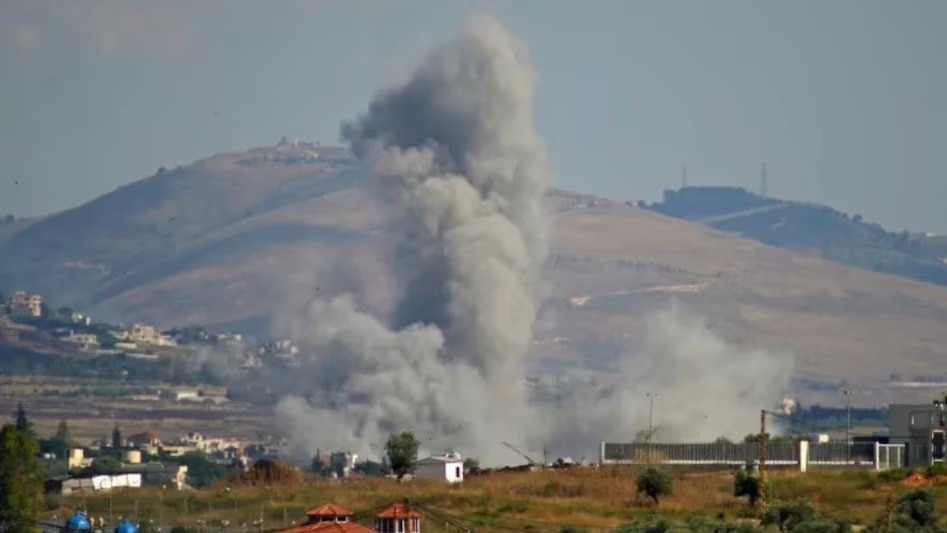
The US and Iran have agreed to a draft framework to halt hostilities, reopen the Strait of Hormuz and restart nuclear talks. The interim plan offers sanctions relief and a 60-day negotiating window while bigger disputes remain unresolved.

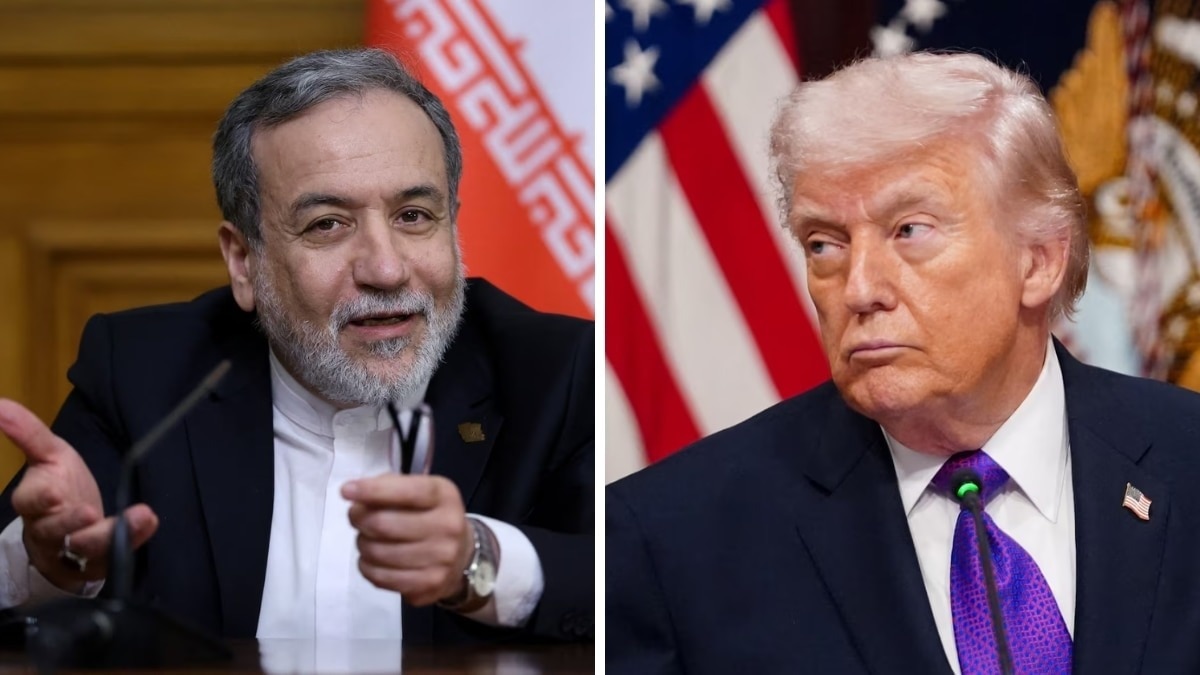
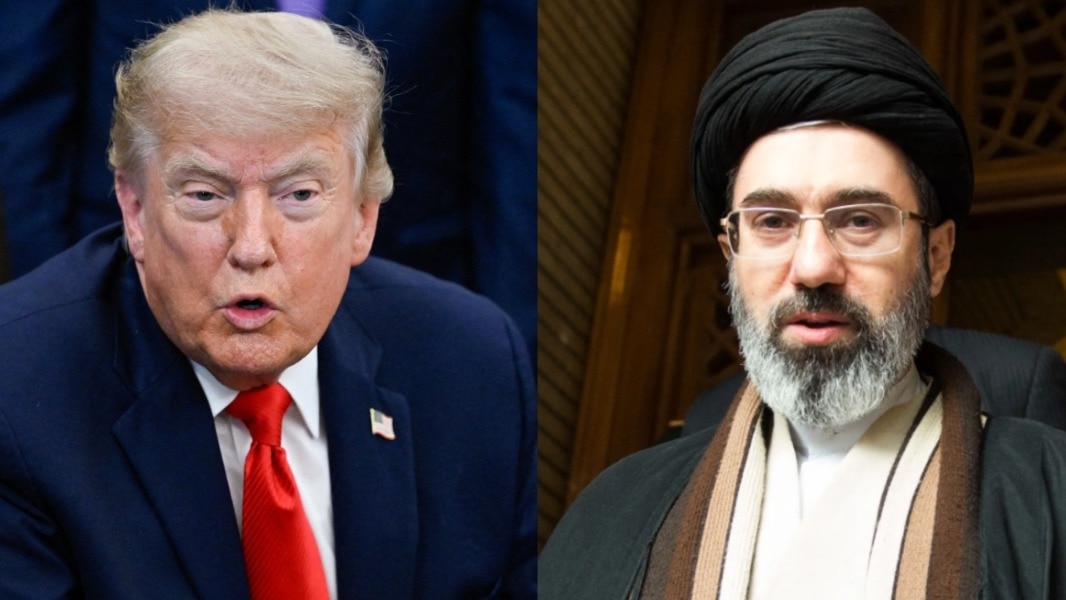
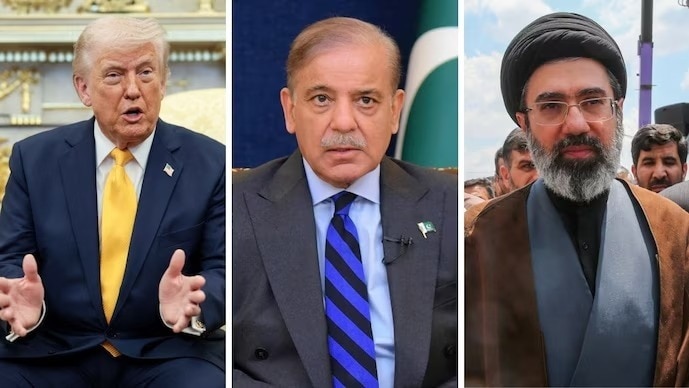
The US and Iran could sign an interim peace deal on the sidelines of the G7 summit in France next week. (Photo: Reuters/Getty Images)
The US and Iran have agreed to a draft framework aimed at ending the ongoing West Asia conflict, reopening the Strait of Hormuz and restarting negotiations over Tehran's nuclear programme.
The proposed agreement — expected to be signed on June 19 — could ease concerns over oil supplies, reduce the risk of a wider Middle East conflict and remove one of the biggest sources of uncertainty in global markets.
While the full text of the agreement has not been made public, news agency Reuters has reported several key provisions based on information from a senior Iranian official familiar with the draft memorandum.
A more detailed 14-point breakdown has also been published by Iranian media, though not all of its provisions have been independently verified by international news agencies.
INSIDE THE US-IRAN PEACE DEAL
At its core, the framework is designed to halt hostilities and create space for a broader settlement.
The agreement centres on three broad areas: reopening the Strait of Hormuz, providing economic relief to Iran and restarting negotiations over Tehran's nuclear programme. It also establishes a 60-day window for negotiations on the issues that have long divided Washington and Tehran.
Importantly, this is not a final peace treaty. It is an interim framework intended to de-escalate tensions immediately while negotiators work towards a more comprehensive agreement.
REOPENING HORMUZ AND RESTORING OIL FLOWS
One of the most significant elements of the framework concerns the Strait of Hormuz, the narrow waterway connecting the Persian Gulf to the Arabian Sea.
Around a fifth of global oil trade passes through Hormuz, making it one of the world's most important energy chokepoints. Any disruption can quickly drive up oil prices, shipping costs and inflation across major economies.
Under the reported framework, Iran would reopen the strait to commercial shipping while the US would lift restrictions on Iranian ports. The move is expected to restore confidence in energy markets and reduce fears of supply disruptions that emerged during the conflict.
For countries such as India, which depend heavily on imported crude, the reopening of Hormuz could help stabilise oil prices and lower the risk of further energy shocks.
FROZEN ASSETS AND SANCTIONS RELIEF
Economic relief forms another major pillar of the proposed deal.
According to the provisions reported so far, the US would refrain from imposing new sanctions while negotiations continue, provide temporary waivers for Iranian oil exports and release billions in frozen Iranian assets.
For Tehran, these measures represent one of the biggest incentives to remain engaged in the process. Years of sanctions have restricted Iran's access to international financial systems and reduced its ability to fully benefit from energy exports.
The release of frozen assets would provide immediate liquidity to the Iranian government while broader negotiations continue.
NUCLEAR TALKS RESTART
The nuclear issue remains the most sensitive part of the US-Iran relationship and is likely to determine whether the framework evolves into a lasting agreement.
Iran has long insisted that its nuclear programme is intended for civilian purposes. The US and its allies, however, have argued that high levels of uranium enrichment could significantly shorten the time needed to develop a nuclear weapon.
Under the reported framework, Iran would commit not to pursue nuclear weapons, halt further uranium enrichment and stop expanding nuclear facilities during the negotiating period.
In return, both sides would enter a 60-day process aimed at negotiating a broader agreement covering inspections, sanctions relief, enrichment limits and the future of Iran's uranium stockpile.
WHAT'S IN THE REPORTED 14-POINT FRAMEWORK?
This is where things become less clear.
Neither the US nor Iran has publicly released the full text of the draft memorandum. News agency Reuters has independently reported several key provisions, but it has not published a complete 14-point list.
The more detailed breakdowns have come primarily from Iranian media outlets, which describe the agreement as a 14-point framework covering military, economic and nuclear issues.
Based on those reports, the framework is said to include:
An immediate halt to hostilities
Reopening of the Strait of Hormuz to commercial traffic
Lifting of US restrictions on Iranian ports
No new US sanctions during negotiations
Temporary waivers for Iranian oil exports
Release of frozen Iranian assets
A 60-day negotiating period
An Iranian commitment not to pursue nuclear weapons
A halt to further uranium enrichment.A freeze on the expansion of nuclear facilities
Negotiations on Iran's enriched uranium stockpile
Regional de-escalation measures
Economic and reconstruction-related discussions
Negotiation of a final comprehensive agreement
Some versions of the reported framework also refer to wider economic cooperation, reconstruction assistance and regional security arrangements.
WHY THE 14-POINT FRAMEWORK MATTERS
The significance of the framework lies not only in what it contains but also in what it seeks to prevent.
The conflict raised fears of a wider regional war, disruptions to global energy supplies and a prolonged period of uncertainty for financial markets.
The framework attempts to address all three risks simultaneously by restoring shipping, offering economic incentives and creating a diplomatic pathway for resolving the nuclear dispute.
Even if a final settlement remains some distance away, the framework marks the first structured attempt by both sides to move from confrontation to negotiation.
WHAT HAPPENS NEXT?
The proposed agreement may help end the immediate crisis, but the hardest negotiations still lie ahead.
Long-term sanctions relief, inspection mechanisms, enrichment limits and the future of Iran's nuclear programme remain unresolved. Those issues are expected to be negotiated during the proposed 60-day period.
For now, the success of the framework will be judged on three things: whether hostilities actually cease, whether commercial traffic returns to the Strait of Hormuz and whether the next round of nuclear negotiations produces a more durable agreement.
If those conditions are met, the reported 14-point framework could become the foundation of the most significant US-Iran diplomatic breakthrough in years.
- Ends
Published By:
Karishma Saurabh Kalita
Published On:
Jun 15, 2026 10:34 IST