1 hour ago
Last Updated:March 03, 2026, 20:17 IST
Iran has effectively fragmented its command system so that even if Tehran were incapacitated, the remaining provincial commands would continue functioning independently


The United States' strategy has centred on targeted strikes and economic pressure to force strategic concessions. (AP/PTI)
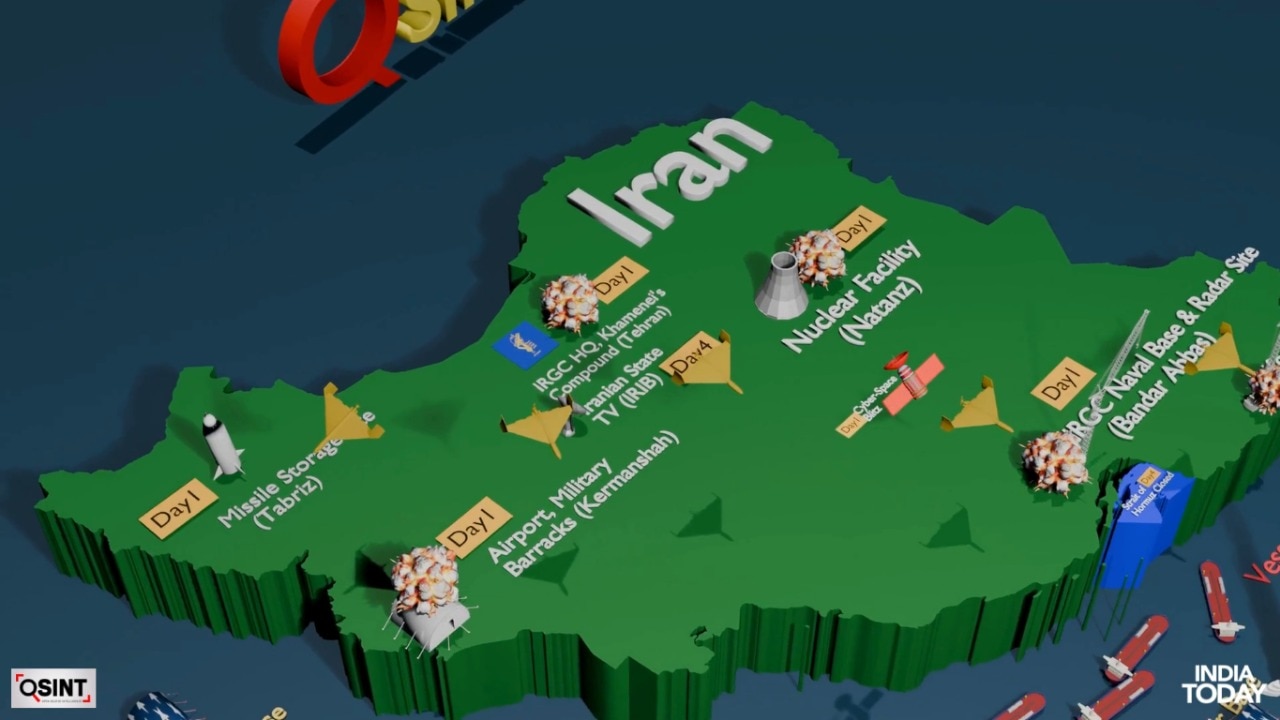
The ongoing Middle East conflict appears to have entered an unpredictable new phase, with traditional military hierarchies giving way to a dispersed and autonomous war structure. Following sustained US-Israel airstrikes targeting the central command apparatus, Iran has activated what it calls a “Decentralised Mosaic Defense" (DMD) strategy, a system designed to ensure continuity of resistance even if top leadership structures are dismantled.
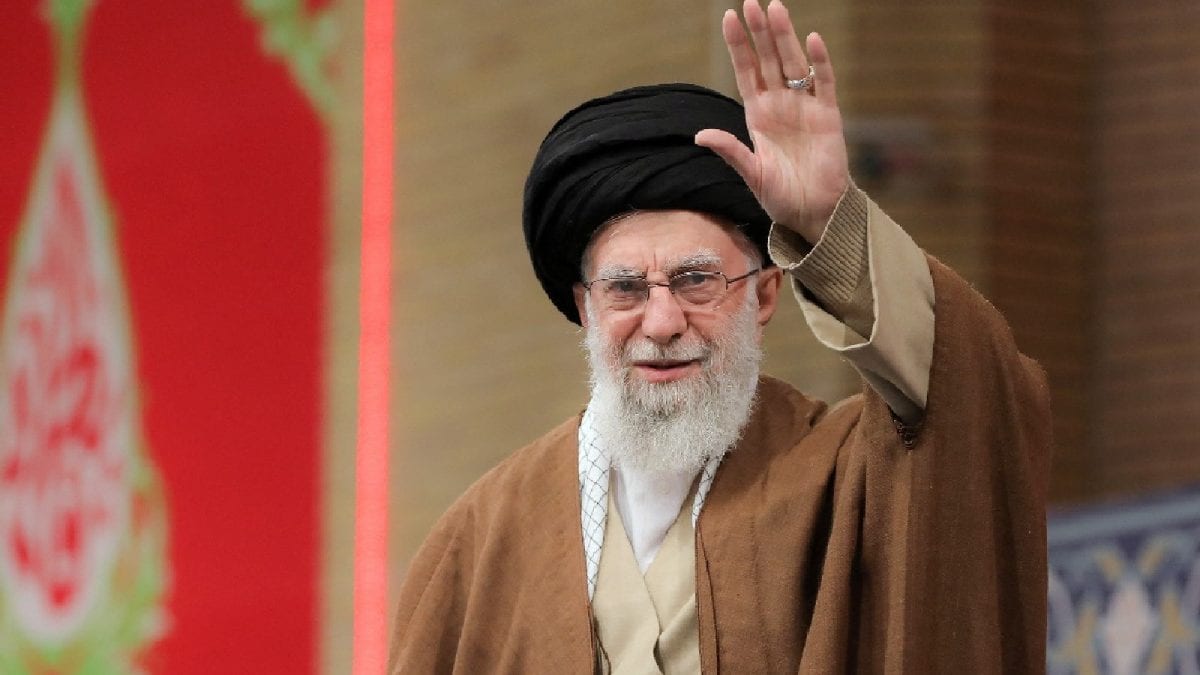
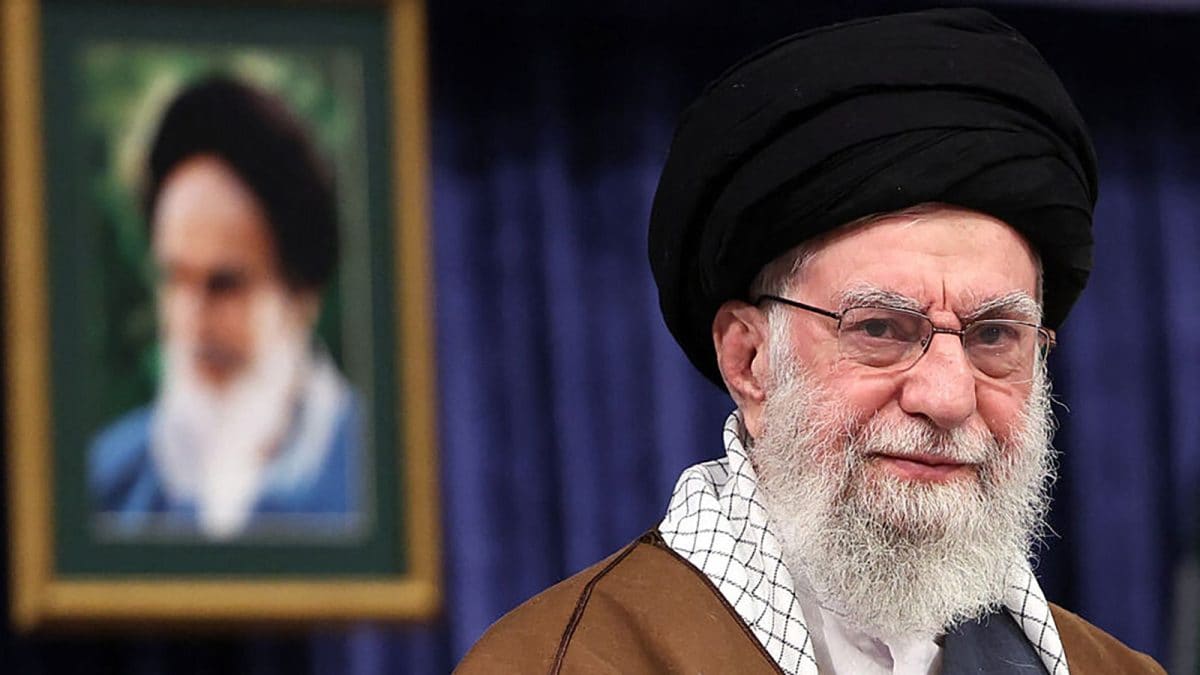
The shift became fully operational after the reported confirmation of Supreme Leader Ayatollah Ali Khamenei’s death on February 28. Iranian authorities described the doctrine as “suicide-proof", structured to function irrespective of leadership losses in Tehran.
Under the Mosaic Defense framework, the Islamic Revolutionary Guard Corps (IRGC) has been reorganised into 31 largely independent provincial units. Each provincial commander has been granted operational autonomy, including authority to launch missile or drone strikes without awaiting direct orders from the capital. The intent, officials suggest, is to neutralise the effectiveness of so-called “decapitation strikes" aimed at crippling Iran’s leadership.
Military analysts note that the concept draws from the very idea of a mosaic, a structure composed of small but interconnected pieces. Iran, which spans nearly 1.65 million square kilometres, has effectively fragmented its command system so that even if Tehran were incapacitated, the remaining provincial commands would continue functioning independently. Each unit reportedly maintains its own weapons stockpiles, logistics chains and decision-making authority.
In a statement issued on March 1, Foreign Minister Abbas Araghchi asserted that the US-Israel strikes had not undermined Iran’s combat readiness. He said Iran had closely studied what he described as America’s prolonged military engagements in Afghanistan and Iraq, arguing that Iran is prepared for a drawn-out and exhausting confrontation.
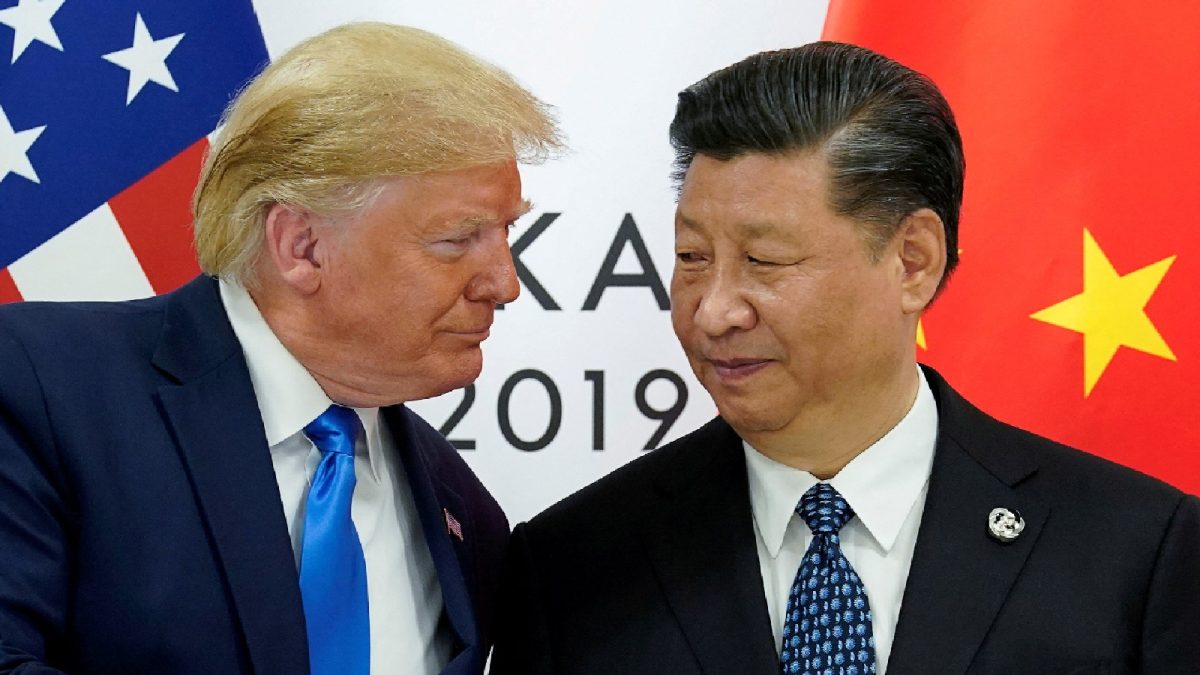
Araghchi challenged the administration of Donald Trump, suggesting that while the US might anticipate a swift campaign, Iran possesses the endurance to extend hostilities for years. According to Iranian officials, the broader objective is to entangle adversaries through sustained asymmetric warfare and an extensive network of regional proxies.
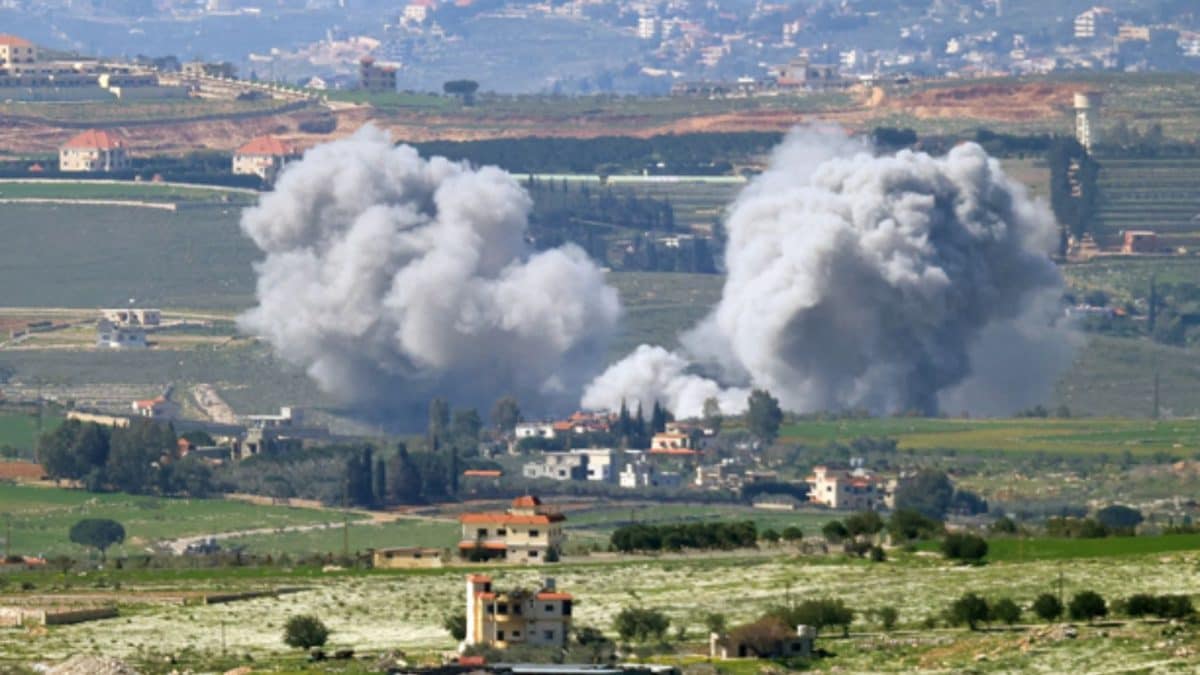
Iran has long acknowledged that it cannot match the United States or Israel in conventional technological superiority. Instead, it relies on asymmetric tactics like mobile missile platforms, swarms of fast-attack boats in maritime zones, and allied non-state actors including Hezbollah, Hamas and Houthis. Under the Mosaic model, these actors are described as interconnected yet operationally independent, ensuring that the collapse of one node does not disable the broader network. Western defence experts often refer to this layered approach as “defence-in-depth", aimed at gradually exhausting the attacker.
One of the primary vulnerabilities in decentralised warfare remains communication. The United States and Israel have frequently deployed electronic warfare systems to disrupt Iranian command-and-control networks. In response, Iran has granted what officials term “total tactical freedom" to regional commanders, allowing operations to continue even if communication lines with the capital are severed.
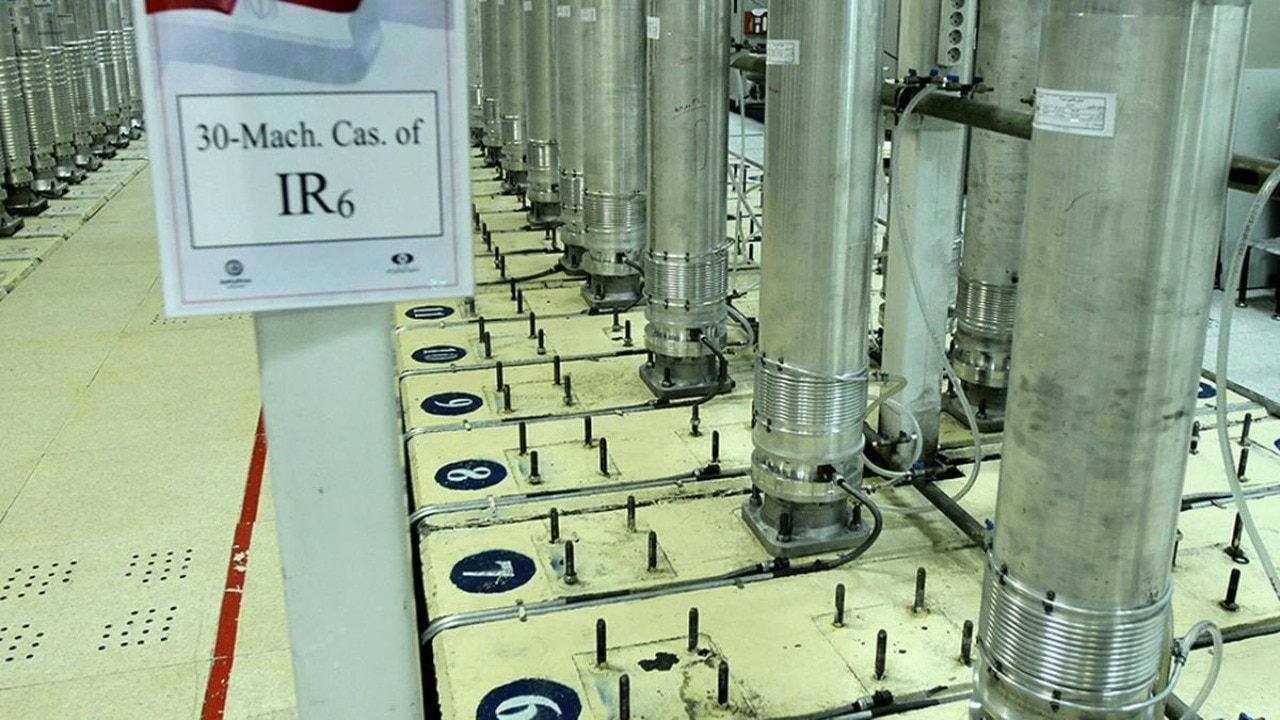
Iran has also invested heavily in fortified underground facilities concealed beneath mountains and desert terrain. These bunkers reportedly serve as launch sites for drones and missile systems, enhancing survivability against precision airstrikes.
While Washington’s strategy has centred on targeted strikes and economic pressure to force strategic concessions, Iranian security figures, including former parliamentary speaker Ali Larijani, have indicated that Tehran has prepared for a protracted conflict. The underlying calculation, analysts say, is to raise the financial, political and military cost of engagement to levels that compel adversaries to reconsider escalation.
A significant evolution within Mosaic Defense is the increasing reliance on unmanned systems. Iran has expanded the deployment of UAVs, ground-based robotic platforms and autonomous underwater vehicles (AUVs). These relatively low-cost systems are designed to operate in coordinated networks, overwhelming high-value enemy assets through scale and unpredictability.
By replacing concentrated command structures with distributed nodes and pairing them with swarms of unmanned platforms, Iran is attempting to redefine survivability in modern warfare. Whether this decentralised doctrine will alter the trajectory of the conflict remains uncertain.
First Published:
March 03, 2026, 20:17 IST
News world What Is Decentralised Mosaic Defence, Iran's 'Suicide Proof' Plan Against Israel-US?
Disclaimer: Comments reflect users’ views, not News18’s. Please keep discussions respectful and constructive. Abusive, defamatory, or illegal comments will be removed. News18 may disable any comment at its discretion. By posting, you agree to our Terms of Use and Privacy Policy.
Read More