2 hours ago
Last Updated:March 03, 2026, 20:15 IST
Husband’s nod for passport, reduced value for testimony, smaller share in inheritance: Iran's laws for women, who Khamenei said were delicate flowers, Mahsa Amini stir, explained


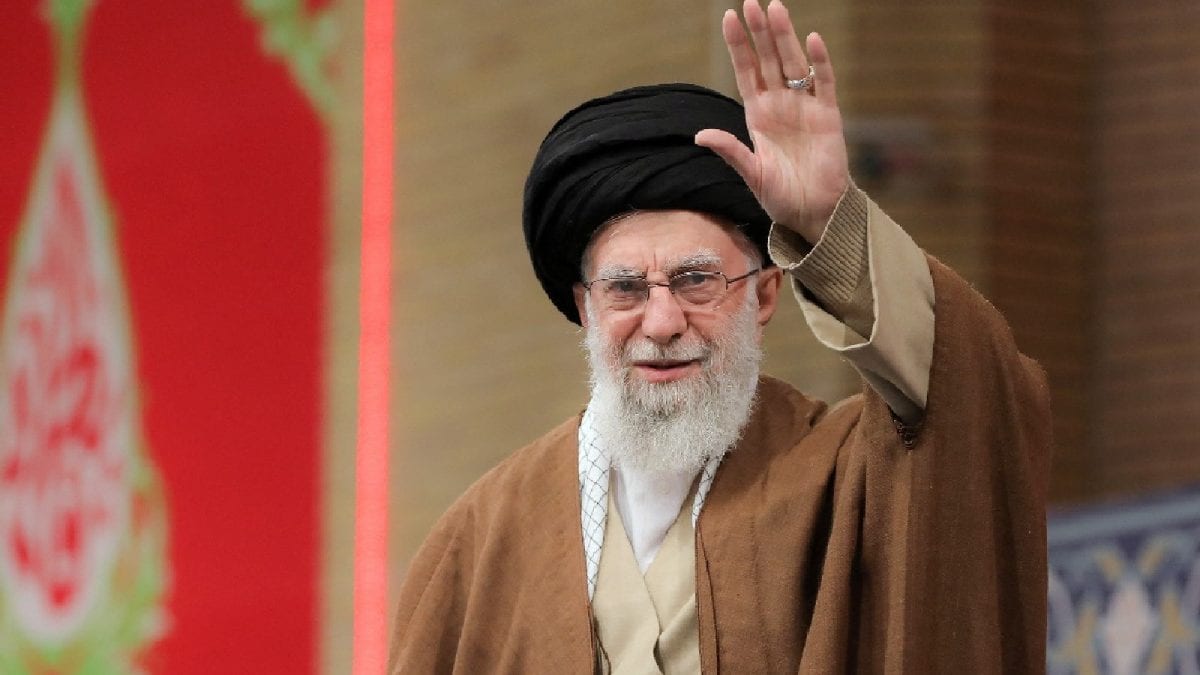
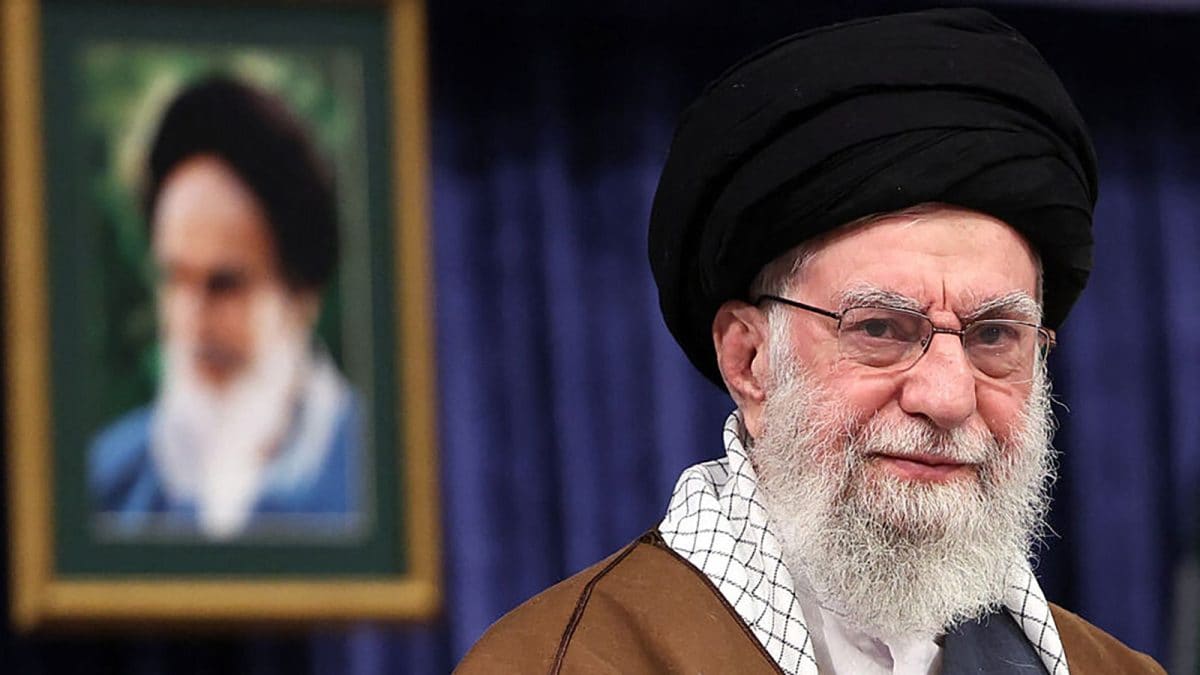
Women faced oppression in Ayatollah Ali Khamenei's Iran. (AP File)
Under the leadership of Ayatollah Ali Khamenei, Iranian women faced a system of institutionalised gender-based oppression that human rights organisations termed as “gender apartheid".
Following Khamenei’s death in US-Israel strikes on February 28, many women in Iran and the diaspora celebrated the end of his 36-year rule, which they view as a “dark chapter" of systemic brutality and the denial of basic autonomy.
KEY PILLARS OF OPPRESSION UNDER KHAMENEI
Khamenei explicitly rejected the concept of “sexual equality," viewing it as a Western mistake. He publicly described women as “delicate flowers" whose primary and most important roles were motherhood and homemaking. He maintained that men and women had “different tasks" based on their natural makeup, with women needing a husband as a “secure source to rely on". Under the leadership of Khamenei, Iranian women lived under a strict legal framework based on a traditionalist interpretation of Sharia law that significantly limited their autonomy.
1. MANDATORY HIJAB
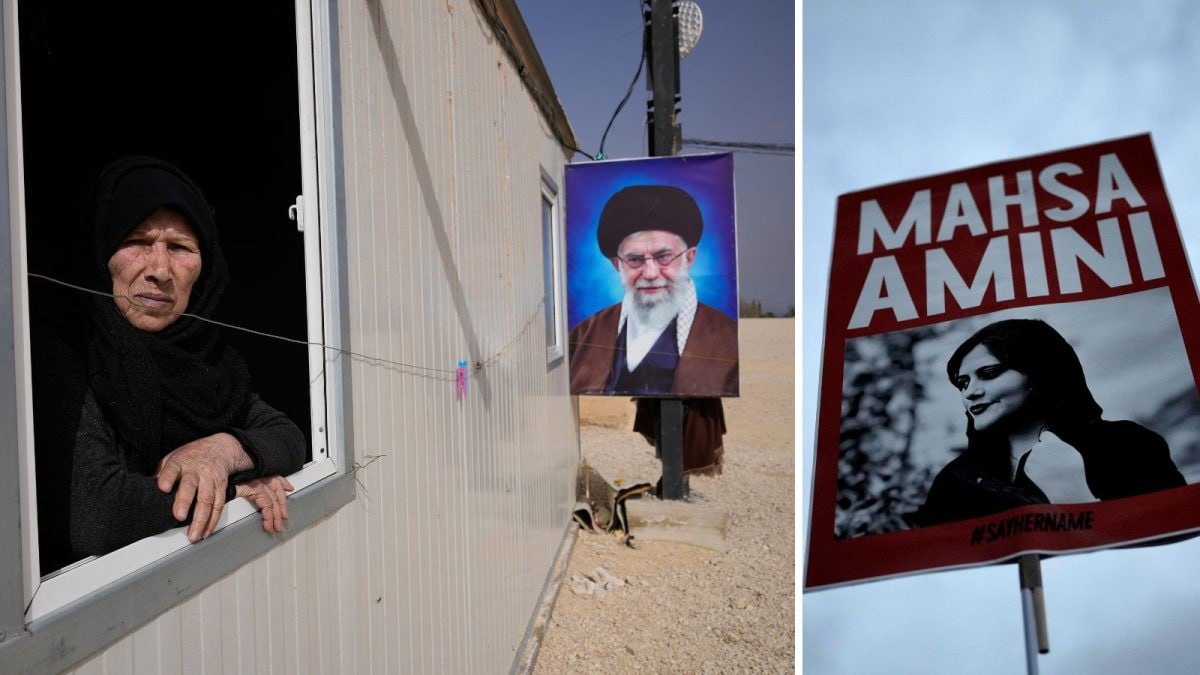
Enforced since 1979 and intensified under Khamenei, mandatory veiling became a symbol of state control. Khamenei consistently framed the mandatory hijab as a “non-negotiable pillar" of the Islamic Republic. The death of Mahsa Amini in police custody in September 2022, after her arrest for “improper hijab", sparked the global “Woman, Life, Freedom" movement.
The ‘Hijab and Chastity’ Bill: In response to the 2022 protests, Khamenei’s regime pushed through the draconian law. Following its passage by Parliament in February 2026, it is set to be implemented for a three-year trial period. President Masoud Pezeshkian has publicly expressed reservations, warning that strict enforcement could spark “war" within Iranian society. Despite these political hesitations, existing laws remain in effect, and authorities in certain provinces have already begun sending threatening text messages and imposing fines using the bill’s logic.
It includes:
Prison terms: Women who repeatedly violate the dress code can face up to 10 to 15 years in prison.
Fines, flogging, and the death penalty: For those deemed to be promoting violations in an “organized manner", penalties can reach up to 165 million Tomans (approximately $2,380 to $15,700 depending on the exchange rate used). In extreme cases, individuals deemed to be “promoting nudity" or collaborating with foreign entities in an organized manner can be charged with “corruption on earth," an offence punishable by death.
Surveillance: Advanced AI surveillance and facial recognition to identify and punish unveiled women in public spaces. Violators face travel bans, 2-year bans on online activity, and the freezing of bank accounts. The law mandates the use of AI-powered cameras and facial recognition to identify unveiled women in public and private vehicles.
2. THE LAWS
Under Khamenei, Iranian law solidified gender inequality in nearly every aspect of life:
Marriage: Girls could legally marry at 13, and as young as 9 with judicial or paternal consent.
Autonomy: Married women require a husband’s written permission to obtain a passport or travel abroad.
Polygamy: Laws permitted men to have multiple wives.
Divorce & Custody: While reforms allowed some access to divorce, men generally held the primary right to end a marriage, and child custody was often weighted in favor of fathers.
Banned Professions: Women were explicitly barred from becoming judges with full authority or running for the presidency.
Spousal Control: Husbands had the legal power to prevent their wives from taking jobs they deemed incompatible with “family interests".
Sports & Entertainment: Women were frequently banned from entering sports stadiums to watch men’s matches and were forbidden from singing solo or dancing in public.
Inheritance and Testimony: A woman’s testimony often carries half the weight of a man’s, and inheritance shares for women are typically half those of male heirs.
VIOLENT CRACKDOWN ON DISSENT
On September 13, 2022, 22-year-old Kurdish woman Mahsa Amini was detained in Tehran by the morality police for allegedly wearing her hijab “improperly". While the state claimed she died of natural causes (a heart attack), eyewitnesses and leaked medical records indicated she was severely beaten, suffering a cerebral haemorrhage and stroke before falling into a coma. Her funeral in Saqqez on September 17 became the first site of mass protest, where women famously removed their headscarves in defiance.
The movement quickly spread across all 31 provinces, uniting various social classes and ethnic groups. Initially focused on ending compulsory hijab and abolishing the morality police, the protests broadened into calls for the total overthrow of the clerical regime. Women publicly burning their veils and cutting their hair (Gisuboran) became global symbols of the resistance.
The state responded with lethal force which Khamenei oversaw. By early 2023, human rights groups reported over 500 deaths, including many children, and more than 20,000 arrests.
In 2024 and 2025, the UN Independent Fact-Finding Mission concluded that the regime committed crimes against humanity, including extrajudicial killings, torture, and “gender persecution".
A massive resurgence of protests began in late December 2025, triggered by economic collapse and intensified by the killing of Supreme Leader Khamenei in late February 2026. Amnesty reported “unlawful killings on an unprecedented scale" in January 2026, with death toll estimates ranging from 7,000 to over 30,000 during the most recent crackdowns. Reports from Amnesty and the UN Fact-Finding Mission documented systematic torture, sexual violence, and mass executions of protesters.
WHY WOMEN ARE CELEBRATING
Women have celebrated by publicly removing headscarves and, in a widely shared symbolic act, lighting cigarettes from burning portraits of the Supreme Leader.
Activists view the regime’s laws—which include restricted access to employment, unequal inheritance rights, and the lower legal value of a woman’s testimony as a form of institutionalised gender apartheid that Khamenei steadfastly maintained.
For younger generations who have known no other leader, his death is seen as a “rare opportunity for change" and a release from a system that many describe as the “killer of their dreams".
With Agency Inputs
First Published:
March 03, 2026, 18:23 IST
News explainers Marriage At 13 Or Even 9 To Hijab: Oppression Of Women In Khamenei’s Iran Explained
Disclaimer: Comments reflect users’ views, not News18’s. Please keep discussions respectful and constructive. Abusive, defamatory, or illegal comments will be removed. News18 may disable any comment at its discretion. By posting, you agree to our Terms of Use and Privacy Policy.
Read More