17 hours ago
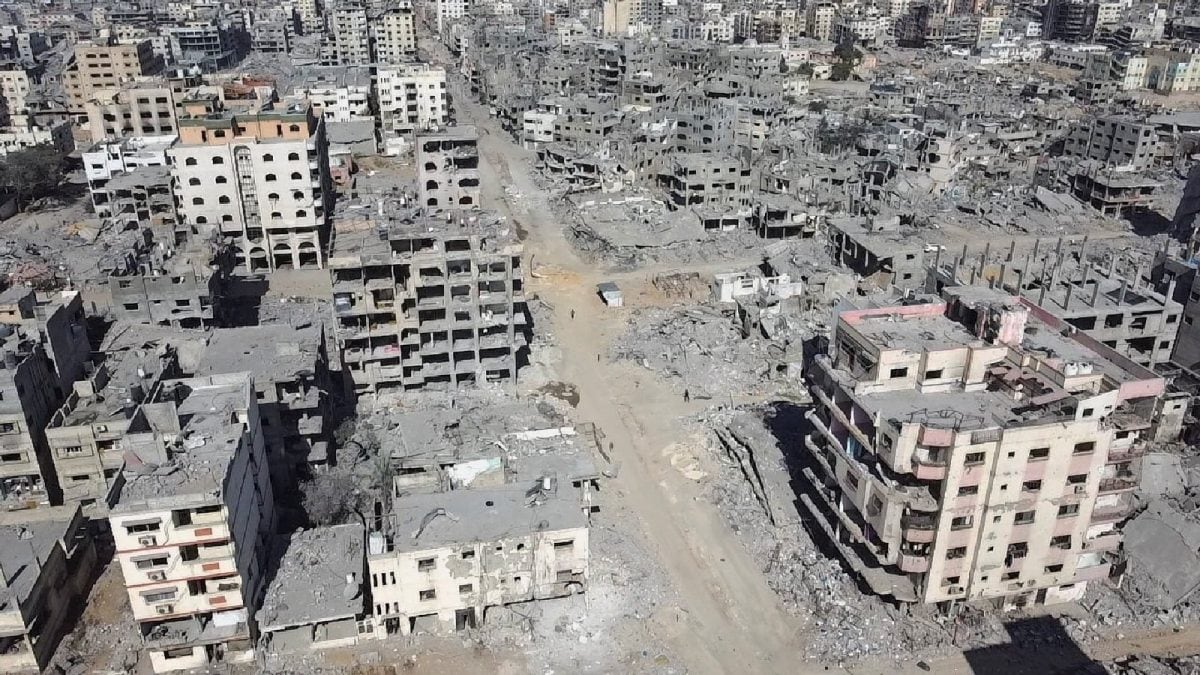
Venezuela began releasing prisoners, including foreigners, in a move billed as a peace gesture days after Nicolas Maduro's capture, though officials gave no numbers and rights groups urged caution.
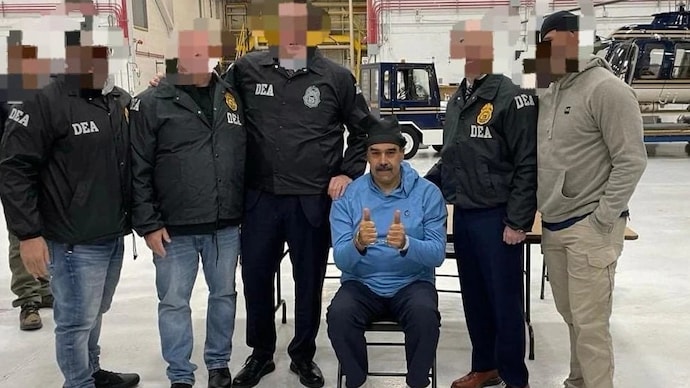
In a New York courtroom, deposed Venezuelan leader Nicolas Maduro pleaded not guilty to sweeping federal charges of narco-terrorism, cocaine trafficking and conspiracy.

Caracas,UPDATED: Jan 9, 2026 02:31 IST
Venezuela is releasing a “significant number” of citizens and foreigners from its prisons in a decision that the head of the country’s legislature described Thursday as a gesture to “seek peace” less than a week after former President Nicols Maduro was captured by US forces to face federal drug-trafficking charges in New York.
Jorge Rodrguez, brother of acting President Delcy Rodrguez and head of the Assembly, did not specify who they would be releasing or how many people would be released. But he said the release of prisoners “is happening right now.”
The Spanish government announced Thursday the release of five Spanish citizens in Caracas. While the embassy is coordinating their return to Spain, officials have not yet specified a departure date.
The Penal Forum, a human rights organization in Venezuela, said that as of Dec. 29, 2025, there were 863 people detained in Venezuela “for political reasons.” In a post on X, director of the forum, Alfredo Romero, said the liberations were “good news” in a country that's been wracked by political turmoil in recent days.
“We will be verifying each release,” Romero wrote. “We already know of some people on their way to freedom, including foreigners.”
The release of opposition figures and critics has been a longtime demand by Venezuela's opposition and the United States government.
Despite mass detentions following the tumultuous 2024 election, Venezuela's government denies that there are “political prisoners” and accuse those detained of plotting to destabilize Maduro’s government.
“Consider this a gesture by the Bolivarian government, which is broadly intended to seek peace,” Rodrguez said in an announcement publicized over TV.
Ronal Rodrguez, a researcher at the Venezuelan Observatory at the University of Rosario in Bogot, said the government periodically releases prisoners at politically strategic moments.
“The regime uses them (prisoners) like a bargaining chip,” he said, adding that he and other observers will be watching not just how many people the government releases, but also whether high-profile individuals are included or if they're being released under a condition of house arrest.
Little movement was immediately seen outside one of Venezuela's most notable prisons, where a number of the detainees are held.
On Wednesday, the Trump administration sought to assert its control over Venezuelan oil, seizing a pair of sanctioned tankers transporting petroleum and announcing plans to relax some sanctions so the U.S. can oversee the sale of Venezuela’s petroleum worldwide.
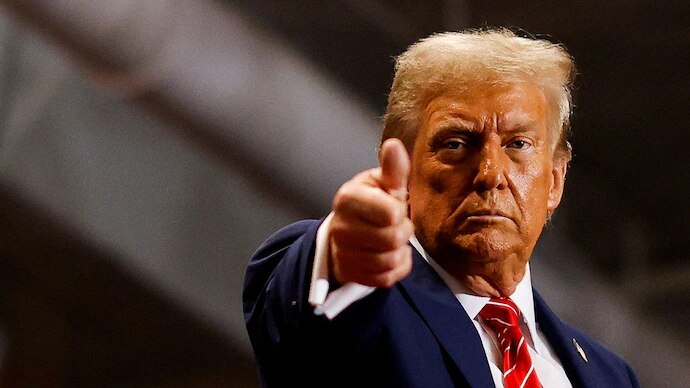
Both moves reflect the administration’s determination to make good on its effort to control the next steps in Venezuela through its vast oil resources after U.S. President Donald Trump pledged after the capture of Maduro that the U.S. will “run” the country.
- Ends
Published By:
Nitish Singh
Published On:
Jan 9, 2026
Tune In