 1 hour ago
The Trump administration has revoked Brazil's ambassadorial visa after a dispute over diplomats and envoy approvals. The move sharpens pre-election tensions between Washington and Brasilia, though it could still be reversed.
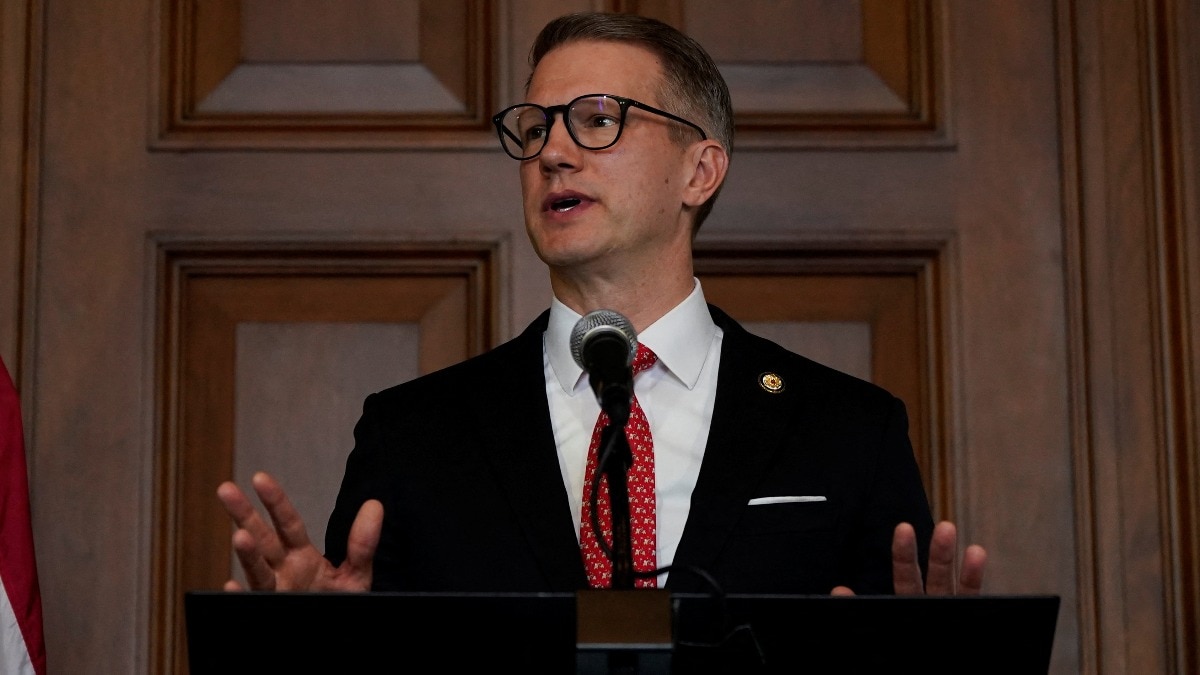
Image used for representational purposes only

Washington,UPDATED: Aug 5, 2026 02:20 IST
The Trump administration has revoked the visa of Brazil's ambassador to the United States in what the State Department described as a reciprocal response to Brazil's denial of visas last month to two American diplomats and its delay in approving President Donald Trump's nominee for ambassador to Brazil.
US officials said the move had been delayed several times to give Brazilian President Luiz Incio Lula da Silva a chance to reverse course, but that did not happen. They said the decision could be quickly reversed if Brazil takes what they called appropriate action and accepts Trump's choice for the post in Brasilia.
"Reciprocity is the name of the game," a State Department official said. Despite the visa revocation, Brazil's ambassador Maria Luiza Ribeiro Viotti is not being expelled from the United States, the official said. She could be allowed to resume her official duties if the Brazilian government accepts Trump's choice of former Florida House speaker Danny Perez as US ambassador to Brazil. The official said indications are that Brazil will not do that until after the October election.
In addition to delaying approval for Perez, Brazil last month denied visas to Riley Barnes, the assistant secretary of state for democracy, human rights and labour, and one of his top aides after reports emerged that they were going to criticise Lula or the election process. The State Department denied those allegations and said the two had planned to travel to Brasilia from July 27 to 30 to meet government officials, religious leaders and others to discuss "election integrity", religious freedom and freedom of expression. It said the visit was routine and that "any insinuation of a ploy to undermine a democratic nation's election is a baseless lie".
The dispute comes ahead of Brazil's October 4 election, in which Lula will face Sen Flvio Bolsonaro, whose father Jair Bolsonaro once served as Brazil's president and whose family has close ties with the Trump administration. The administration has several differences with Lula and his policies, and has also hosted the younger Bolsonaro, who is seeking to continue his father's conservative politics. Sen Bolsonaro and his brother Eduardo met US officials in Washington, including Trump, in late May. Soon after, the Trump administration classified Brazil's two biggest drug-trafficking groups, First Command Capital and Red Command, as foreign terrorist organisations, a move opposed by Lula.
The Trump administration has also imposed a tariff hike of up to 37.5 per cent on thousands of Brazilian exports, which took effect on Friday. The US government says Brazil has unfair competition practices and does not do enough to stop forced-labour practices. Lula's administration has rejected both accusations and said they are an attempt to influence the election in favour of Sen Bolsonaro. Jair Bolsonaro has for years questioned Brazil's electronic voting system without providing evidence and is now serving a 27-year prison sentence at home for an attempted coup. His son has recently repeated some of those claims, although he avoided them on Saturday when his Liberal Party confirmed him as its presidential candidate in Sao Paulo. Overall, the visa row reflects wider tensions between Washington and Brasilia as the election approaches and the ambassadorial dispute remains unresolved.
With PTI Inputs
- Ends
Published By:
India Today Web Desk
Published On:
Aug 5, 2026 02:20 IST