 1 hour ago
The United States restored its naval blockade on Iran and intensified strikes after attacks on ships in the Strait of Hormuz. The escalation has strained the interim truce, raised regional alarm and revived fears of a wider war.

Dubai,UPDATED: Jul 16, 2026 03:14 IST
The United States on Wednesday reimposed a naval blockade on Iran and stepped up its airstrike campaign after Tehran attacked ships trying to pass through the Strait of Hormuz. Iranian officials said one of the strikes hit an army barracks, killing at least seven troops, while authorities also reported more than 35 deaths and over 300 injuries across the country in recent days.
The latest exchange has pushed both sides closer to a wider conflict, damaging the interim deal that had paused fighting and opened a 60-day window for talks on issues including Iran's nuclear programme. Iran said it was ready for a broader military confrontation if Washington did not honour the deal, while the Revolutionary Guard threatened to stop all energy exports from the Middle East over the blockade.
The US had first imposed the blockade in April and lifted it last month after the interim agreement was signed. The deal paused hostilities and set a period for negotiations, but those talks have stalled as fighting around the Strait of Hormuz has intensified. Iran's parliament speaker and chief negotiator, Mohammad Bagher Qalibaf, said Iran was prepared for a fuller military confrontation if the US did not live up to the agreement. The Revolutionary Guard said, 'The export of oil and gas from the region will be either for everyone or for no one.'
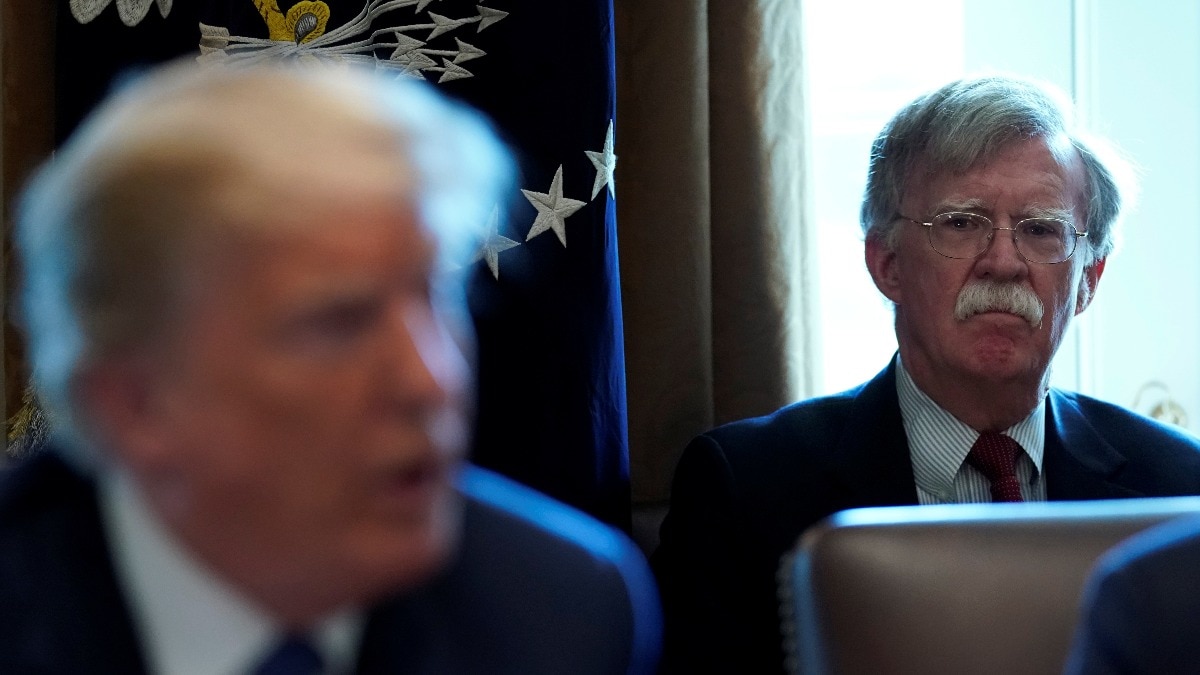
Soon after the US launched its third wave of strikes in 24 hours, President Donald Trump said Iran was ready to make peace, though he gave no details. 'They don't like what we're doing, and they do want to settle. We'll find out whether or not we settle with them, or we just finish it off,' he said at a defence summit at the US Army War College in Pennsylvania. Trump also said the US was 'doing really well with Iran' and added that the Islamic Republic 'is not happy right now'.
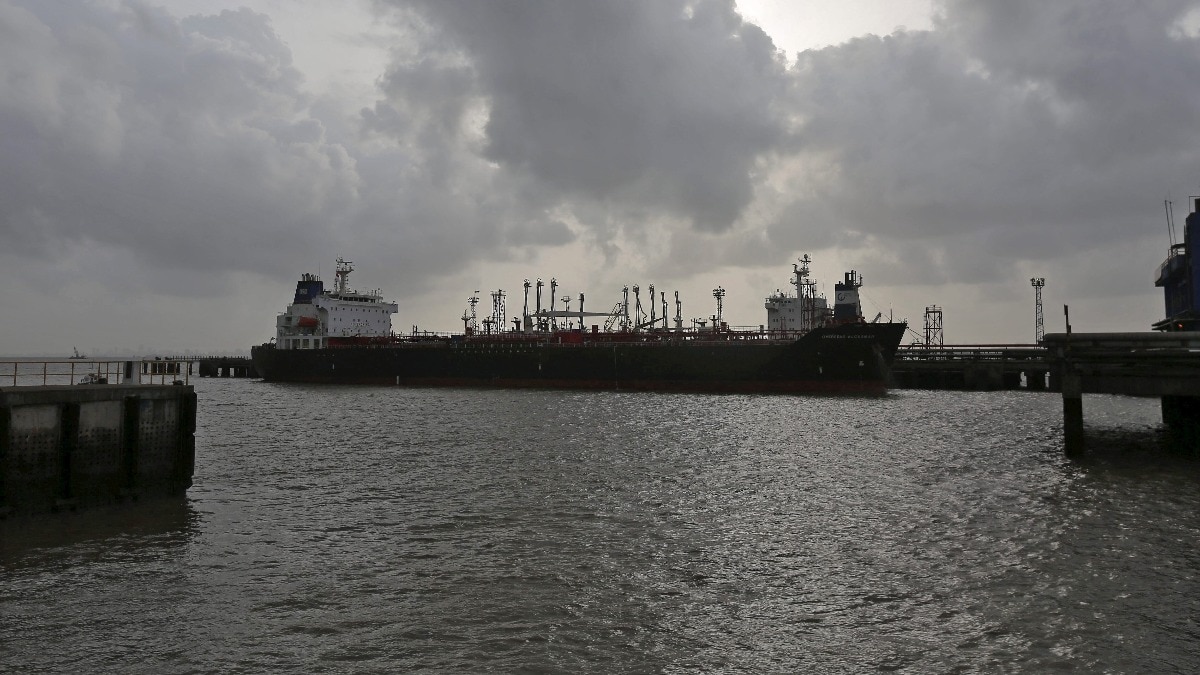
The US military's Central Command said it struck dozens of targets overnight and then resumed attacks during daylight, an unusual step that signalled a faster pace in operations. Another wave of strikes began late Wednesday. About 24 hours after the blockade took effect, the US military opened fire on and disabled a merchant vessel. Central Command said the Curacao-flagged oil tanker Belma was sailing towards Kharg Island and, after it 'ignored multiple warnings', a US aircraft disabled it by firing Hellfire missiles into the ship's smokestack. The military also said it had intercepted two other commercial vessels, which complied with orders to turn away.
Among the targets was Greater Tunb Island, a strategic point in the Strait of Hormuz, where Central Command said Iranian defence and missile sites were hit. Iran took control of Abu Musa, Greater Tunb and Lesser Tunb in 1971 from what would become the United Arab Emirates, which has sought to reclaim them. Some analysts have said that if the US seized the islands, it could use them to control the strait. The US military also said its bombing campaign struck targets along Iran's southern coast in Bandar Abbas, Khormuj, Ahvaz, Qeshm, Bushehr and Kuh-e Stak.
Iranian state television said another strike hit barracks used by the 388th Mechanised Infantry Brigade in Sistan and Baluchestan province. The report said the Americans fired at least 13 missiles and that the seven dead included conscripts and career soldiers. A number of troops were also wounded. Hossein Kermanpour, a spokesperson for Iran's Health Ministry, said more than 35 people had been killed and more than 300 wounded in recent days, with at least 72 people in hospital. Iranian authorities described this as the first overall toll for the current round of fighting, and the army said it would make 'a decisive response', according to state television.
US Navy Admiral Brad Cooper, who leads Central Command, said Iran had fired dozens of missiles and drones at neighbouring Gulf Arab countries. Missile alerts sounded in Bahrain and Kuwait on Wednesday as they faced incoming Iranian fire, something that has happened daily in recent days. In a post on X late in the day, Bahrain's Interior Ministry told people to 'head to the nearest safe place'. Jordan said it had shot down three incoming Iranian missiles. Iran claimed attacks on all three countries, which host US forces.
In a statement published online, Qalibaf said the United States had failed to honour the interim peace deal, which he said included 'Iranian arrangements' over the Strait of Hormuz. 'Now that we have entered the implementation phase, the United States, having exhausted its legal and diplomatic options, is trying to undermine those Iranian arrangements through force,' he wrote. His remarks appeared aimed at critics in Iran who oppose talks with the US. He said negotiations should not be seen as compromise or surrender, but as part of a broader strategy of resistance. Overall, the reimposed blockade, the expanding US strikes and Iran's missile attacks have sharply raised tensions again and put the interim deal under severe strain.
With PTI Inputs
- Ends
Published By:
India Today Web Desk
Published On:
Jul 16, 2026 03:14 IST