1 month ago
The Trump administration has proposed new regulations that would require US employers to pay significantly higher wages to foreign workers on H-1B visas and in certain Green Card categories, aiming to prevent the undercutting of American salaries, reported Bloomberg. The move will ensure foreign workers are paid on par with American employees.
The US Department of Labour (DOL) released the Notice of Proposed Rulemaking on Thursday, adjusting prevailing wage levels for white-collar positions based on specific occupations and local labour markets. These changes target what critics describe as exploitation of the H-1B programme by some companies that hire lower-cost foreign talent instead of paying competitive rates to US workers.
While businesses argue that H-1B workers fill essential skill gaps and receive market-competitive pay, opponents highlight cases where outsourcing and staffing companies use the programme for entry-level or mid-level roles at below-market wages. Major users in fiscal year 2025 included tech giants such as Amazon, Microsoft, Meta, Google, and IT services firms like Tata Consultancy Services.
This proposal echoes efforts from the first Trump administration to raise wage floors, which faced court challenges and were later dropped under the Biden administration.
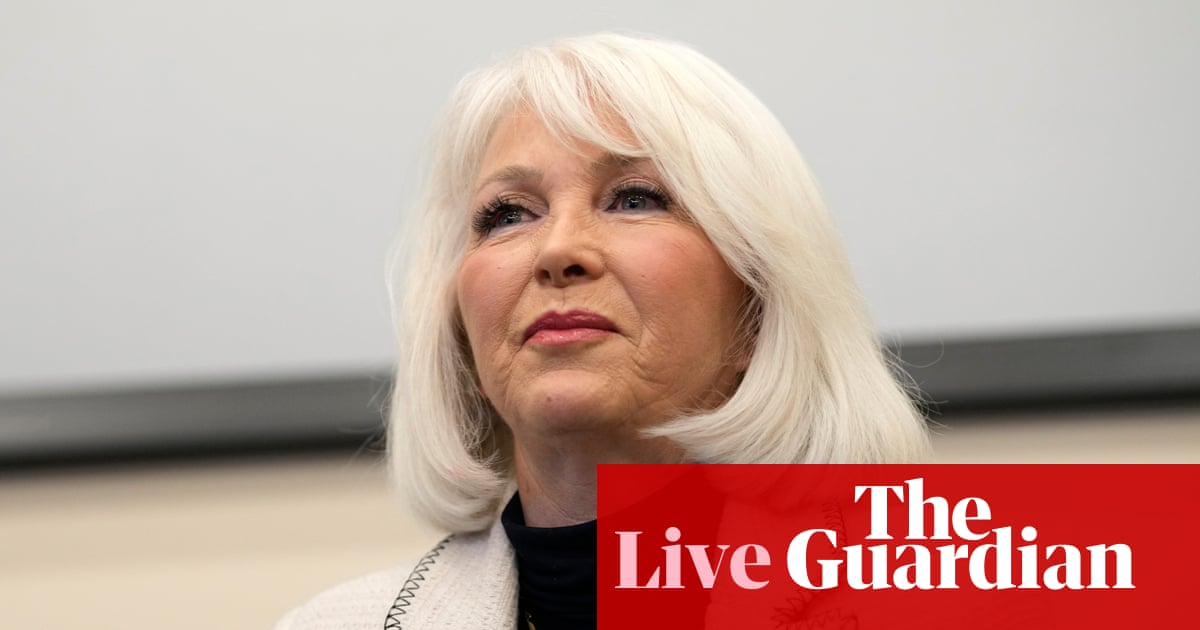
US Secretary of Labour Lori Chavez-DeRemer strongly endorsed the measure in an official statement. "This proposed rule will help ensure that employers pay foreign workers wages that reflect the real market value of their labour, in addition to protecting the wages and job opportunities of American workers. The continued abuse of the H-1B programme by certain bad actors will no longer be tolerated," he was quoted by Bloomberg as saying.
NEW WAGE HIKES PROPOSED BY US DEPARTMENT OF LABOUR
The US Department of Labour currently divides jobs into four wage levels based on the worker's responsibilities and experience. These levels are calculated using data from the Bureau of Labour Statistics (BLS). Employers must pay at least the "prevailing wage" for that specific job and location to get approval for an H-1B visa or a Green Card through the PERM process.
Under the new proposal, these wage levels would increase as follows:
Wage Level I (entry-level): from the 17th to the 34th percentileWage Level II: from the 34th to the 52nd percentileWage Level III: from the 50th to the 70th percentileWage Level IV (most experienced): from the 67th to the 88th percentileFor entry-level positions (Wage Level I), this change is expected to raise wages by about 18% compared to recent years. The new higher wage rules would apply to both H-1B visas and Green Card applications (EB-2 and EB-3). More than 57% of Green Card applications in 2024 were filed for workers already on H-1B visas, showing how closely the two programmes are connected.
If finalised, the rule would build on other recent H-1B reforms. Since last fall, the Department of Homeland Security has revised the annual lottery for the 85,000 cap-subject visas to favour higher-paid and more senior workers. The administration introduced a $100,000 fee for certain new H-1B hires from outside the US, as well as replacing the randomised lottery selection system with a new weighted system that prioritises higher paid and more experienced applicants.
Together, these measures aim to steer the programme toward genuinely specialised, high-value roles and raise barriers for lower-wage or entry-level sponsorships, reported Bloomberg.
According to the Bloomberg report, supporters of the changes, including the Trump administration and labour advocates focussed on protecting domestic workers, view them as necessary safeguards for the US labour market. They argue that the adjustments will prevent wage suppression and displacement of American employees by ensuring immigration pathways do not favour cheaper foreign labour.
Critics from the business community, especially in tech, contend that such hikes could exacerbate talent shortages in STEM fields, increase operational costs, and hinder innovation in globally competitive industries.
Groups like the US Chamber of Commerce have historically opposed similar wage increases and related measures (such as the $100,000 fee), warning they could force companies to offshore jobs or limit growth. An increase in salaries for H-1B holders could also potentially price them out of sectors like education and healthcare, which have become dependent on skilled foreign workers to plug shortages of skilled American professionals.
- Ends
Published By:
Shounak Sanyal
Published On:
Mar 27, 2026 14:55 IST