1 month ago
US-Iran talks in Switzerland were called off after Israel and Hezbollah escalated fighting in Lebanon. The setback has deepened uncertainty over the nuclear negotiations and the wider ceasefire effort.

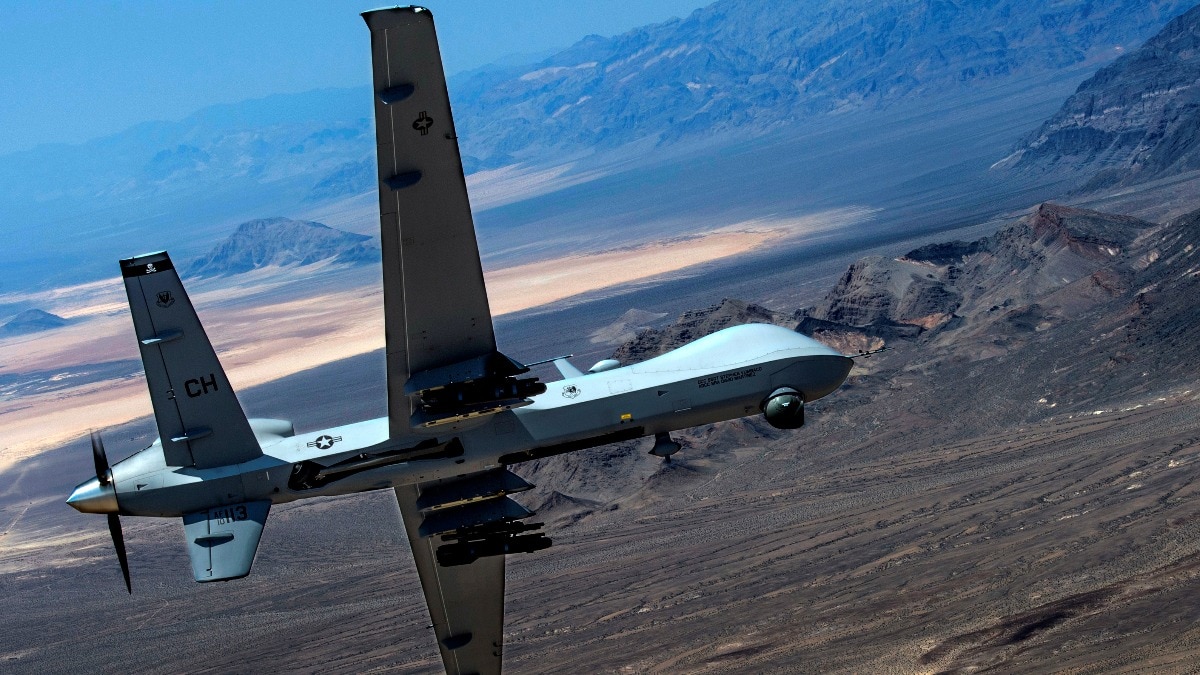
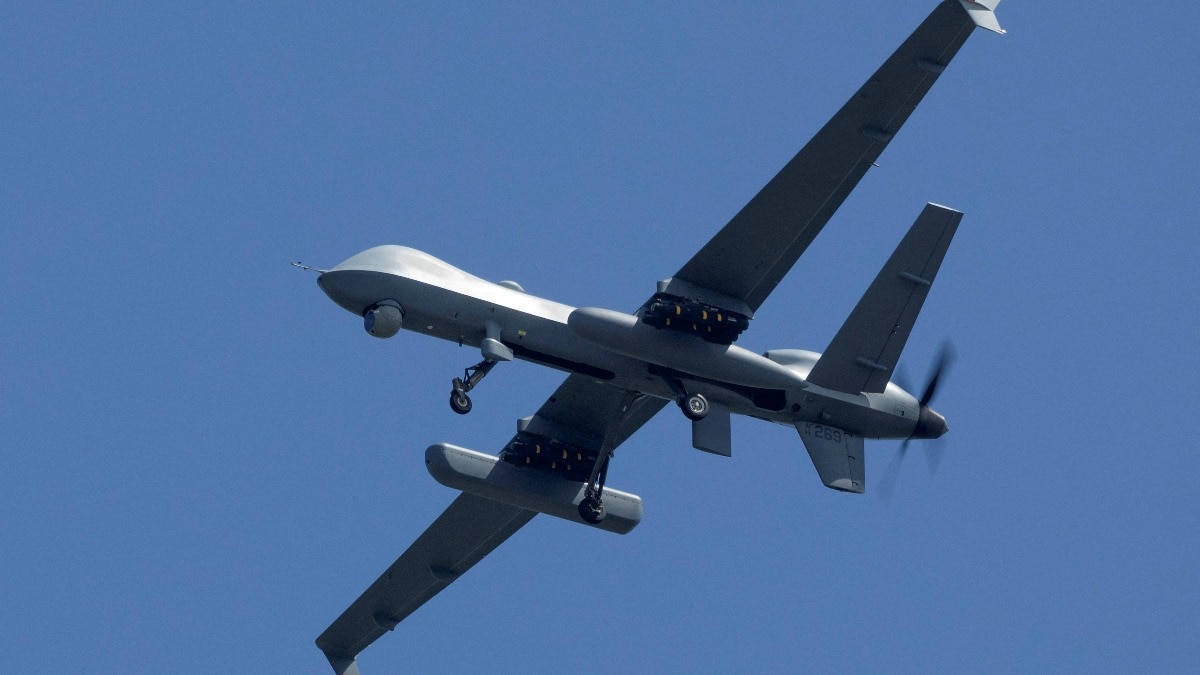
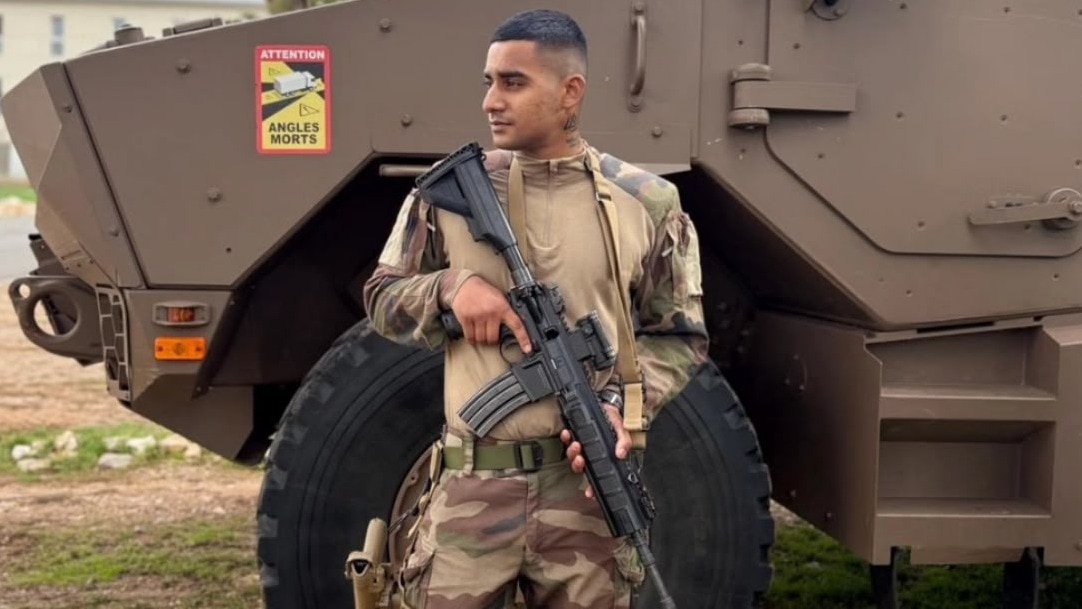
Image used for representational purposes only

Jerusalem,UPDATED: Jun 19, 2026 17:44 IST
Talks between the United States and Iran were called off on Friday after heavy fighting between Israel and Hezbollah in southern Lebanon, three officials said. The development has raised fresh doubts over a new agreement meant to address Iran's nuclear programme and move towards ending the wider conflict.
Iranian officials did not travel to Switzerland as planned, saying the fighting in Lebanon must stop before talks can be held, according to the officials, who spoke on condition of anonymity because of the ongoing mediation efforts to reschedule the meeting. US Vice President JD Vance also cancelled his trip, though the White House said his decision was due to logistical issues.
Overnight, Israel's military struck targets in southern and eastern Lebanon, while Hezbollah reported intense fighting. Lebanon's Health Ministry said at least 21 people were killed, and Israel said four of its soldiers died. The Israeli military said operations were continuing on Friday after four soldiers, including a lieutenant colonel, were killed in an attack on a tank in a village near Nabatiyeh in southern Lebanon. It added that an explosive drone attack wounded another five soldiers.
Israel then launched multiple strikes on what it called "Hezbollah infrastructure sites" in Nabatiyeh and other areas, accusing the group of "blatant ceasefire violations". Later, the military said it also struck targets in the Beqaa Valley in eastern Lebanon, while Lebanese media reported that the village of Douris was hit.
Prime Minister Benjamin Netanyahu said, "Israel will not tolerate attacks on our soldiers or on our territory, and it will exact a very heavy price from Hezbollah for these attacks." Hezbollah said it had targeted Israeli tanks in response to what it described as Israel's own violation of the ceasefire. It said the attacks followed an Israeli attempt to reach the northern side of the Ali al-Taher hilltop, a strategic point overlooking Nabatiyeh that Israeli troops have been trying to capture.
In southern Lebanon, many people fled their villages because of the Israeli attacks. "The situation is lawless, we couldn't stay," said Mustafa Zain, who was leaving Akaar through Tyre with his six daughters in a pickup truck.
The fighting in Lebanon is seen as the most fragile part of the Iran deal. Neither Israel nor Hezbollah signed the agreement, but it is meant to stop their fighting, and Iran has signalled that it is willing to risk renewed war in the region for the sake of its interests in Lebanon and Hezbollah, its most important regional ally. The agreement also calls for protecting Lebanon's "territorial integrity and sovereignty". It does not specify whether Israel would withdraw from the large parts of southern Lebanon it has occupied since Hezbollah joined the war early on by firing rockets and drones at northern Israel. Iran has demanded an Israeli pullback, while Netanyahu said on Thursday that Israeli forces would stay in a "security zone" in southern Lebanon for as long as "Israel's security needs require it." Israel's actions in Lebanon have also widened a rift with the US, with President Donald Trump becoming increasingly critical of Netanyahu. Netanyahu is also facing growing criticism at home and elsewhere.
Mediators are now trying to reschedule the Switzerland talks, which were supposed to begin with the issue of limiting Iran's nuclear programme, the central issue over which Israel and the US went to war on February 28. Two other regional officials, also speaking on condition of anonymity, said Pakistan was "stunned" by Iran's decision not to attend the talks. Tehran says Israel's attacks in Lebanon must stop before it sends a delegation.
The discussions in Switzerland are expected to be difficult. Iran says its nuclear programme is peaceful, though the Atomic Energy Agency says it has highly enriched uranium that could be used to build multiple atomic bombs if Tehran chose to do so. The 2015 nuclear deal, which Trump scrapped during his first term, took more than 18 months to negotiate. Under the interim deal, negotiators have 60 days to reach a nuclear agreement, with the option of an extension. The framework offers incentives if Iran reaches a new deal, including the eventual lifting of all international sanctions and a USD 300 billion fund for post-war reconstruction.
Iran has already secured some concessions. After the interim deal was signed, the US lifted its blockade of Iranian ports and allowed Iran to sell its oil freely. The deal also provides for Iranian assets to be unfrozen, though it is unclear how quickly that will happen. The interim understanding has also reopened the Strait of Hormuz to international shipping after Iranian attacks and threats had nearly halted the movement of oil and natural gas through the waterway. Iran's new authority overseeing the strait issued guidance on Friday asking ships to register with it even though transit is currently free, signalling that Tehran may begin charging later. The US said more than 12.5 million barrels of oil moved through the strait on Wednesday night, though it may still take weeks or months for the normal flow of oil and gas to return.
For now, the latest fighting in Lebanon has stalled diplomacy, complicated already difficult nuclear talks and cast uncertainty over an agreement that was also meant to bring a lasting end to the conflict.
With PTI Inputs
- Ends
Published By:
India Today Web Desk
Published On:
Jun 19, 2026 17:44 IST