 1 hour ago
US airstrikes expanded deeper into Iran as Tehran fired at Bahrain and Kuwait. The collapse of the ceasefire has sharpened the battle over the Strait of Hormuz and regional shipping.

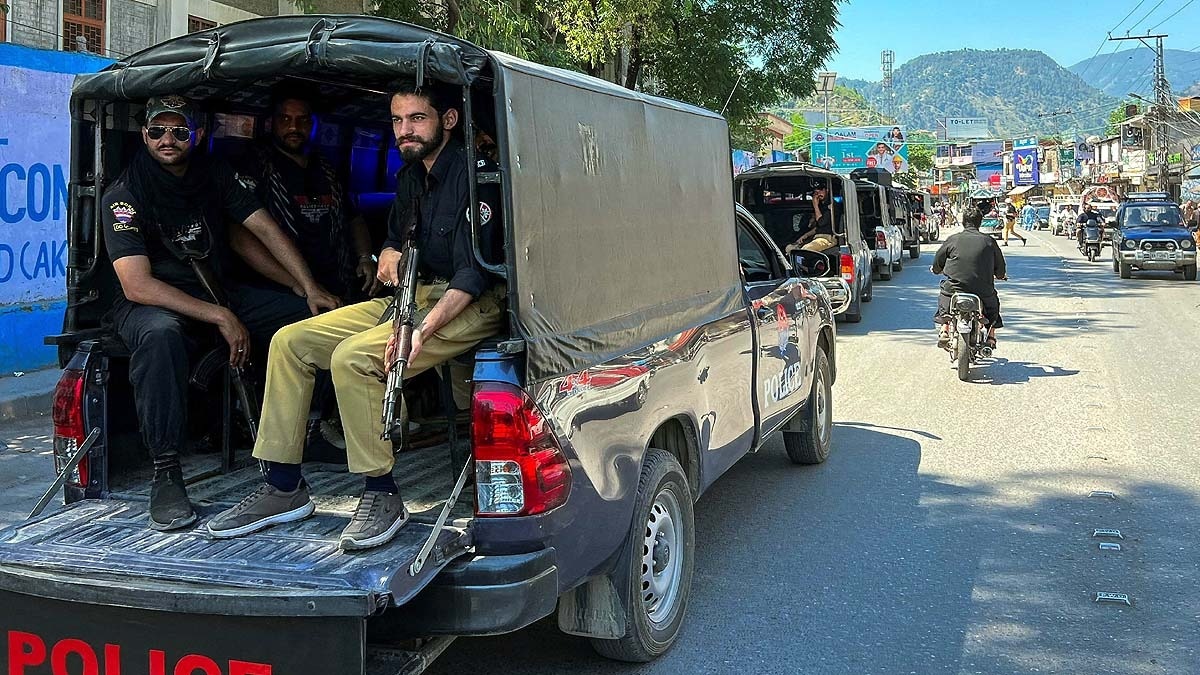
Image used for representational purposes only

Dubai,UPDATED: Jul 17, 2026 06:08 IST
Bahrain and Kuwait came under incoming Iranian fire early Friday as the United States widened its airstrikes in Iran to target more bridges. The attacks came as an interim ceasefire collapsed and fighting between the US and Iran intensified over the Strait of Hormuz.
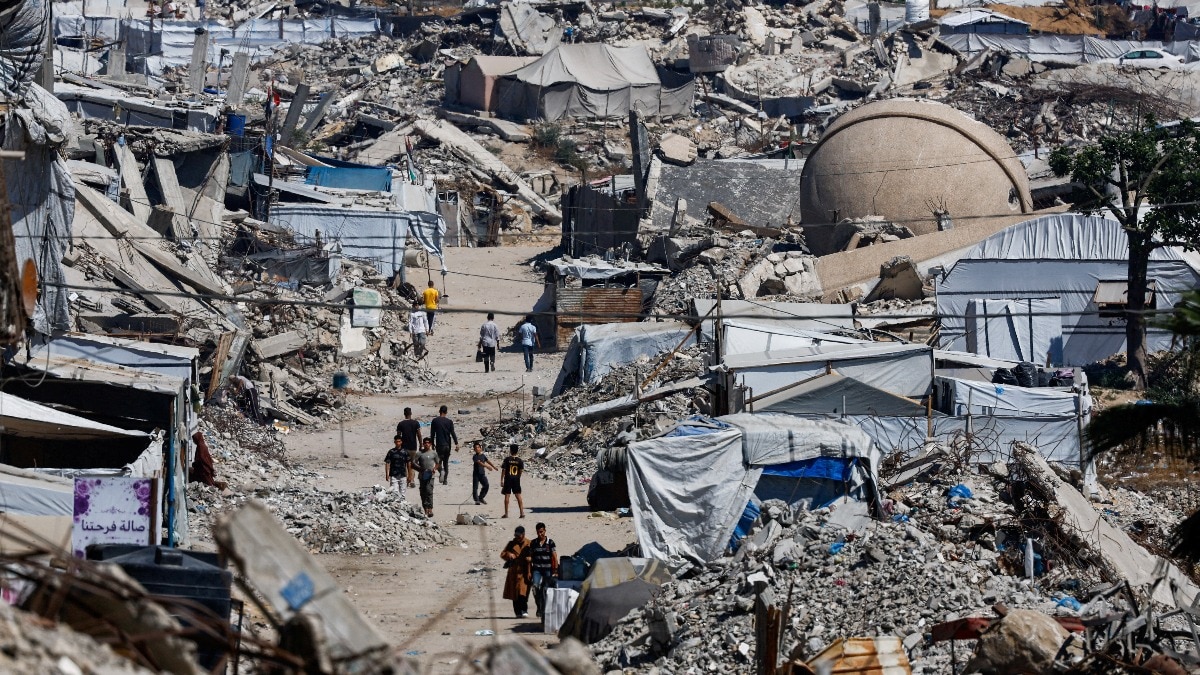
In Iran, the state-run IRNA news agency reported that at least three people were killed in US airstrikes on bridges in the southern Hormozgan province. Iran has said US strikes have killed more than 35 people and wounded over 300 others in the latest round of fighting.
The United States stepped up its attacks on Thursday, striking targets farther north and firing at a ship it accused of trying to breach its naval blockade on Iran. Iran responded with missiles and drones targeting US allies in the region. For the first time in this latest phase of the conflict, strikes also reached areas around Tehran, signalling a wider American target range. The US later launched a second wave of strikes on Thursday night, saying it aimed to "further degrade" Iran's military capabilities.
The ceasefire agreed last month has now broken down, leading to days of exchanges between the two sides as they fight for control of the Strait of Hormuz. When the US and Israel launched the war on Iran on February 28, Tehran effectively shut the strait to shipping traffic, pushing up oil prices and giving Iran leverage in negotiations.
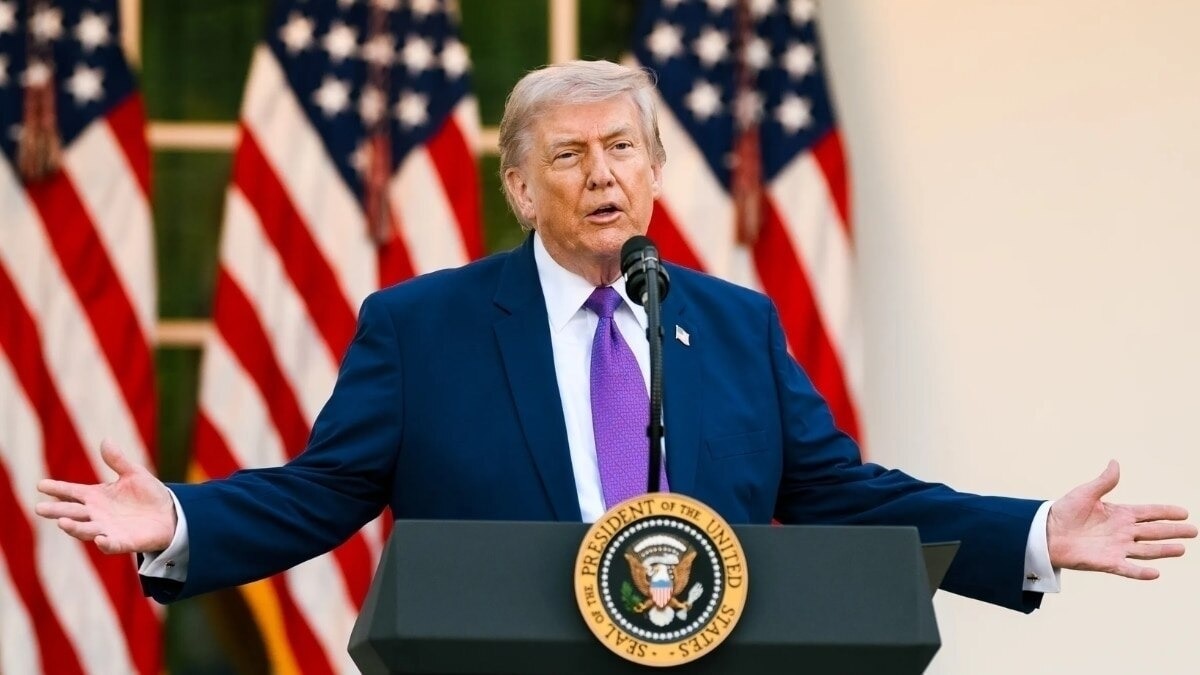
Col. Ebrahim Zolfaghari, spokesperson for the Iranian military's Khatam al-Anbiya Central Headquarters, warned that Iran could launch broad attacks on "all the infrastructure in the region" if the US followed through on President Donald Trump's repeated warnings about hitting Iranian bridges and power plants. "Under no circumstances and in no way will we allow America, as a foreign and extraregional country, to interfere in the Strait of Hormuz," he said. "This is Iran's invincible red line."
Iranian state media said Thursday's US strikes hit areas around Tehran and Semnan province, which is home to Iran's ballistic missile production and space programme. It also reported strikes in Hamedan, Hormozgan, Khuzestan, Lorestan, Markazi and Sistan and Baluchestan provinces, as well as on Qeshm island near the Strait of Hormuz.
State media said seven people were wounded in a US strike on the Allah-Akbar Hill residential neighbourhood in the port city of Bandar Abbas. Two more people were reported wounded in an attack on the Bandar Abbas railway junction station. Witnesses west of Bandar Abbas said two bridges were hit in a US attack, killing three people and wounding nine others, according to state media.
US Central Command said an attack on Greater Tunb Island targeted Iranian defence and missile sites. The island is one of three small islands at the meeting point of the Persian Gulf and the strait. The islands, seized by Iran in 1971 from what would become the United Arab Emirates, help Tehran maintain significant control over the waterway.
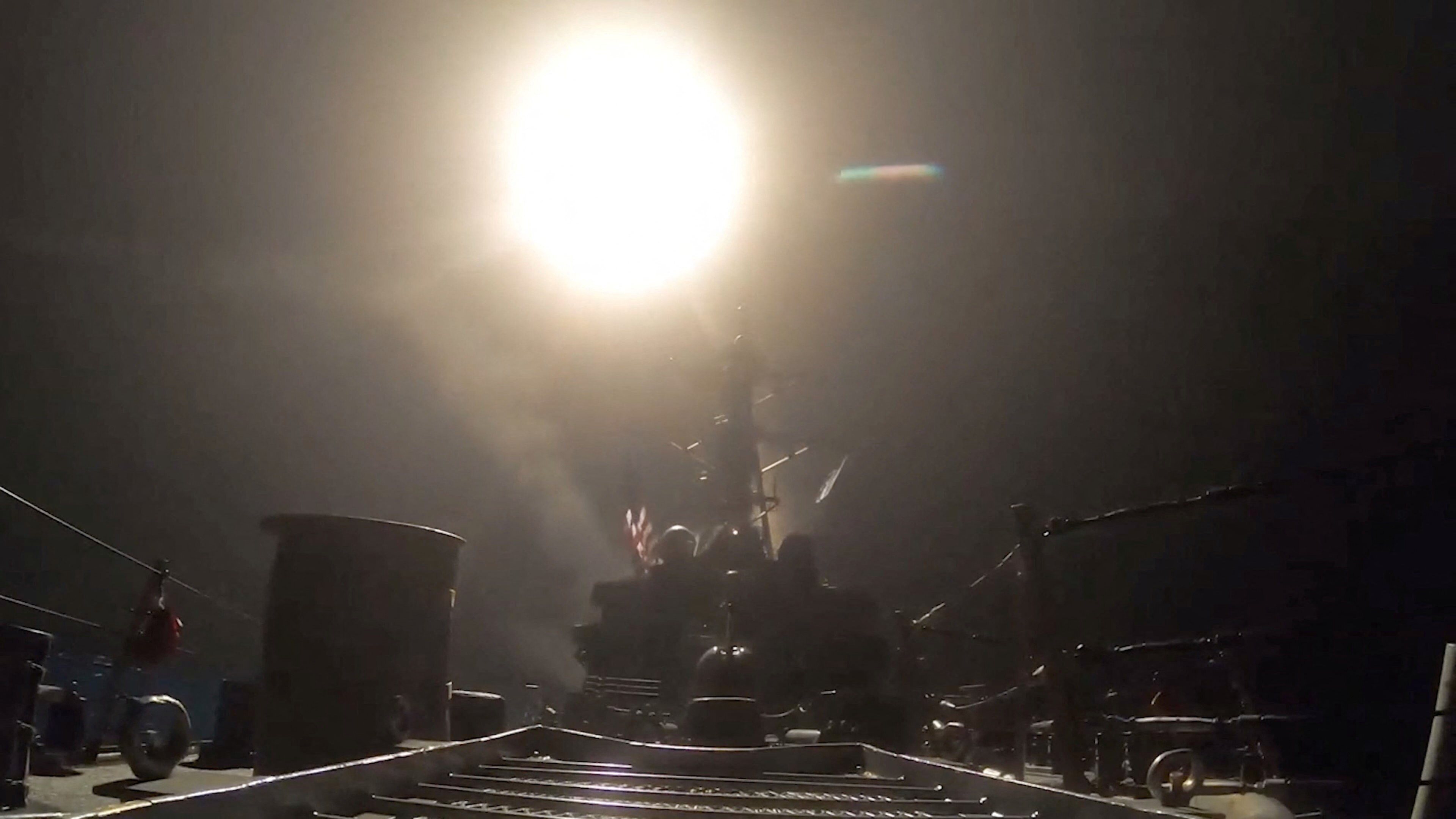
The US military also said it disabled a Curacao-flagged oil tanker as it sailed towards Iran's main oil export terminal, firing a missile after the vessel "ignored multiple warnings". Iran later launched missile and drone attacks on Bahrain, Jordan and Kuwait, authorities in those countries said. There was no immediate confirmation of damage or casualties. Iraqi Prime Minister Ali al-Zaidi also condemned an overnight drone attack in Iraq's semi-autonomous northern Kurdish region. Authorities said the drone was intercepted during his trip to the US, where he said Iraq would work to disarm non-state armed groups, including those backed by Iran.
The latest fighting has centred on the Strait of Hormuz, where Iran has been attacking ships using a US-controlled route through the crucial waterway. Maritime data firm Lloyd's List Intelligence said week-to-week cargo shipments through the strait fell by almost a quarter at the start of the month, even before the latest escalation. It said some oil shippers were crossing with their location devices switched off, while many others were staying put.
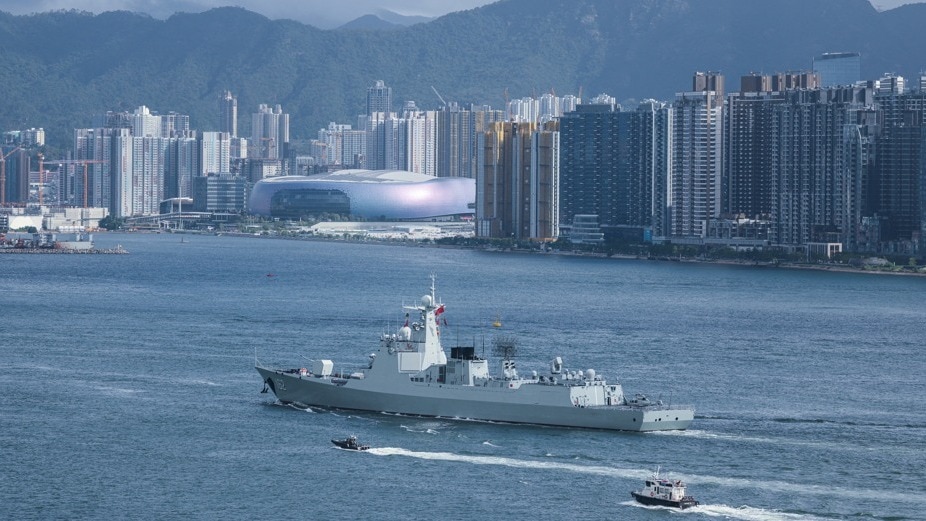
US Central Command said its forces had redirected three commercial vessels trying to break the blockade, disabled one that did not comply and boarded another "to ensure full compliance". "The Strait of Hormuz and the surrounding waters remain free and open, except for vessels attempting to violate America's steel wall blockade," it said in a post on X. The US has threatened to reopen the strait by force, though experts say that would require a much larger armada, if not tens of thousands of ground troops. The US reimposed a naval blockade on Iranian ports on Wednesday.
With the ceasefire no longer holding, the US and Iran have continued to exchange strikes across the region, with attacks widening inside Iran, fresh fire aimed at US allies, and the Strait of Hormuz remaining at the centre of the conflict.
With PTI Inputs
- Ends
Published By:
India Today Web Desk
Published On:
Jul 17, 2026 06:08 IST