1 month ago
Washington said fresh talks with Tehran were due in Doha on Tuesday, but Iran denied any meeting was fixed. The contradiction has deepened uncertainty around the interim deal as attacks near the Strait of Hormuz threaten wider peace efforts.

Stock photo used for illustration

Dubai,UPDATED: Jun 29, 2026 21:14 IST
President Donald Trump said on Monday that Iran had asked for a meeting with US officials, and said the talks would take place on Tuesday in Doha. But one of Iran's senior negotiators said no fresh talks had been scheduled, adding to uncertainty around efforts to turn a fragile interim deal into a broader agreement to end the war.
The mixed signals came after fresh attacks in and around the Strait of Hormuz over the weekend raised concerns about the future of the negotiations. After four days of trading strikes, both sides appeared to pause their attacks on Monday, even as tensions remained high in a waterway crucial to global energy supplies.
Trump said on social media that a meeting with Iran would happen on Tuesday in Doha, Qatar. White House press secretary Karoline Leavitt told Fox News' "Fox & Friends" that Trump's special envoy Steve Witkoff and the president's son-in-law Jared Kushner were flying to Qatar for the meeting.
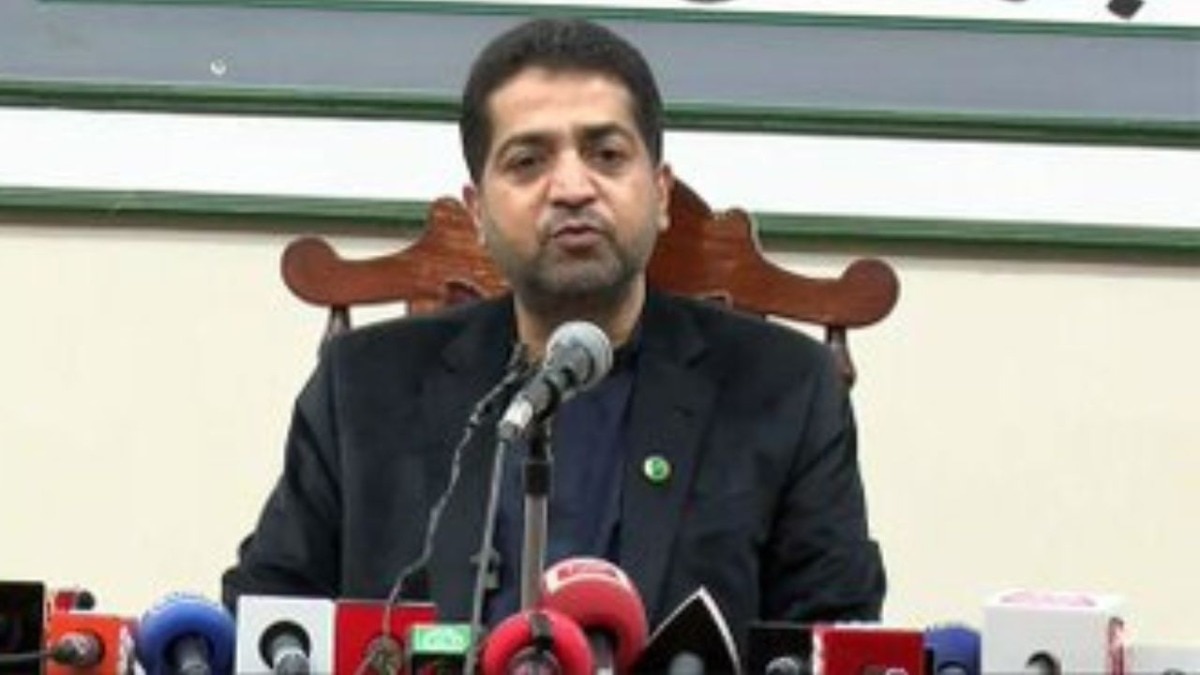
However, Kazem Gharibabadi, a senior negotiator for Iran, denied that any talks had been fixed. In comments published by the state-run IRNA news agency, he said: "Reports by some media about technical talks by the working groups being held in Doha are not confirmed."
Pakistan, which has been a key mediator, had said talks would resume on Tuesday. The Trump administration said on Sunday that nothing had been cancelled and that technical talks were still on track in the coming days. Those technical talks involve lower-level diplomats working out the details of any agreement before top leaders from Iran and the US return to the table.
The US and Iran reached an interim deal earlier this month under which Tehran is to dilute its stockpile of enriched uranium. The deal also waives US-backed sanctions on Iran, reopens the Strait of Hormuz and gives both sides 60 days to work out wider agreements.
During the war that began on February 28, Iranian attacks and threats stopped cargo ships and tankers from moving through the Strait of Hormuz, through which a fifth of the world's oil had moved before the war. In recent days, Iran twice attacked vessels in the strait, including a tanker carrying Qatari crude, after efforts were made to open Oman's territorial waters to both inbound and outbound traffic from the Persian Gulf.
The attacks prompted retaliatory American airstrikes and increased fears that negotiations on a formal end to the war could be derailed. Iran also launched drone and missile attacks targeting Bahrain and Kuwait on Sunday. Iran and Oman held a meeting on the strait in Oman on Monday. The strait has long been regarded as an international waterway despite lying within the territorial waters of Iran and Oman.
Earlier on Monday, Iranian President Masoud Pezeshkian said USD 6 billion in frozen Iranian assets would be released by Qatar. In remarks published by IRNA, he praised the interim deal and called it "a great victory for the Iranian people". He said: "Based on the plans made, USD 6 billion out of the total USD 12 billion of Iranian resources in Qatar will be released and returned to the country, and necessary follow-ups are being carried out." He did not give further details.
Pezeshkian, a reformist within Iran's theocracy, is the highest-ranking Iranian official to refer to the release of the money held in Qatar, which has been a key mediator along with Pakistan in the negotiations. So far, US officials have said no frozen Iranian assets have been released, while Qatar has not acknowledged any such transfer.
Trump also highlighted falling oil prices on Monday morning, saying US oil futures were trading at about USD 69 a barrel and crediting that to the interim deal with Iran. He has repeatedly pointed to lower oil prices and the reopening of the Strait of Hormuz as a key outcome, even though he has previously said oil prices and domestic political concerns were not shaping his Iran policy.
He also claimed oil prices were lower than they had been before the war. However, US oil futures had been trading at about USD 65 to USD 66 a barrel before the war began in late February. Brent crude, the international benchmark, was at about USD 72 a barrel before the war, rose above USD 126 a barrel in April, and was trading at around USD 73.25 on Monday.
For now, the interim deal remains in place, but confusion over the next round of Iran-US talks, fresh attacks in the Strait of Hormuz and conflicting claims over frozen Iranian funds have kept the situation uncertain despite a pause in the latest round of strikes.
With PTI Inputs
- Ends
Published By:
India Today Web Desk
Published On:
Jun 29, 2026 21:14 IST