1 month ago
Egypt is seriously considering joining the Mecca Joint Defence Agreement signed by Saudi Arabia, Turkey and Pakistan. The move could widen the pact's reach and deepen Pakistan's strategic role in regional security.
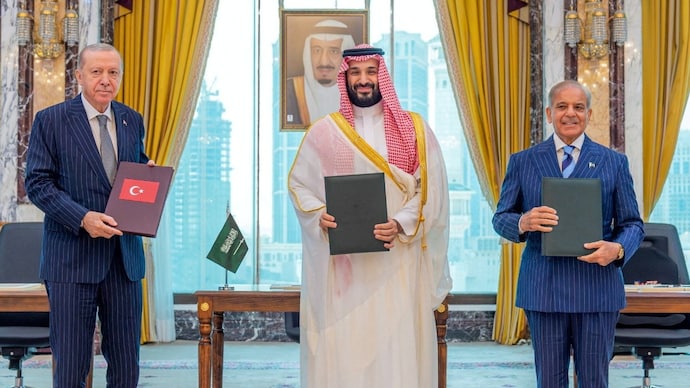
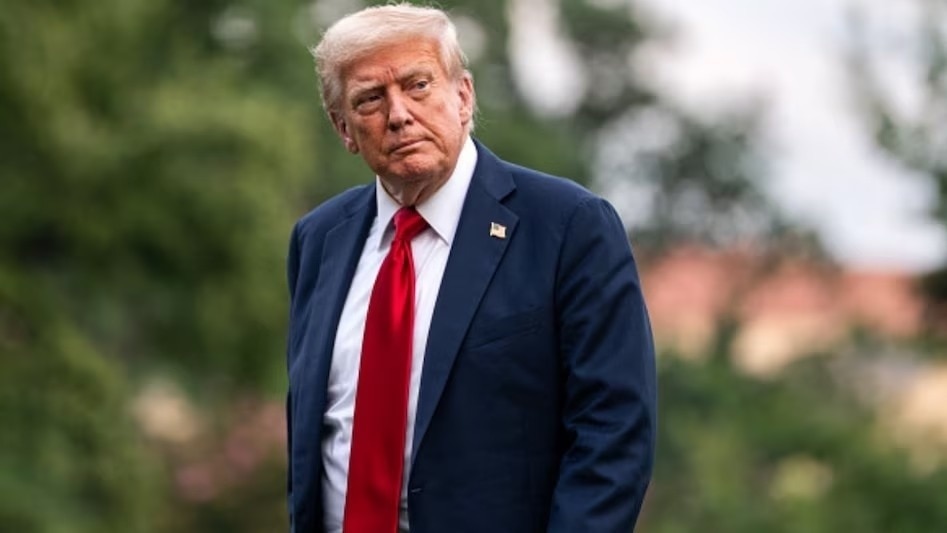
Turkish President Tayyip Erdogan, Saudi Crown Prince Mohammed bin Salman, and Pakistan's Prime Minister Shehbaz Sharif pose after signing a joint defence agreement in Mecca, Saudi Arabia. (File Photo: Reuters)

New Delhi,UPDATED: Aug 14, 2026 23:38 IST
A new security architecture is taking shape in the Middle East, with Egypt considering joining the Mecca Joint Defence Agreement and Pakistan emerging as a major component of what analysts have described as a "Muslim Nato".
The trilateral defence pact, signed on August 7 by Saudi Arabia, Turkey and Pakistan in the holy city of Mecca, commits its members to treat an armed attack on any one of them as an attack on all three, which is a collective defence clause reminiscent of Nato's Article 5. If Egypt joins, the alliance could expand into a quadrilateral bloc spanning the Eastern Mediterranean, Red Sea, Persian Gulf and South Asia.
Egyptian Foreign Minister Badr Abdelatty said on Thursday that Cairo is "seriously considering" joining the agreement, pending constitutional and legal reviews of the defence obligations it would entail. Turkish Foreign Minister Hakan Fidan has described Egypt as a "natural partner on all issues" and expressed confidence that Cairo would join "once certain technical matters are sorted out".
The potential inclusion of Egypt, home to the Arab world's largest military, could significantly expand the geographical and military weight of the Mecca Pact. However, Saudi Arabia initially opposed Egypt's inclusion, wary of complicating its own diplomatic balancing act, while Ankara has pushed for Cairo to join the agreement.
PAKISTAN'S STRATEGIC ROLE
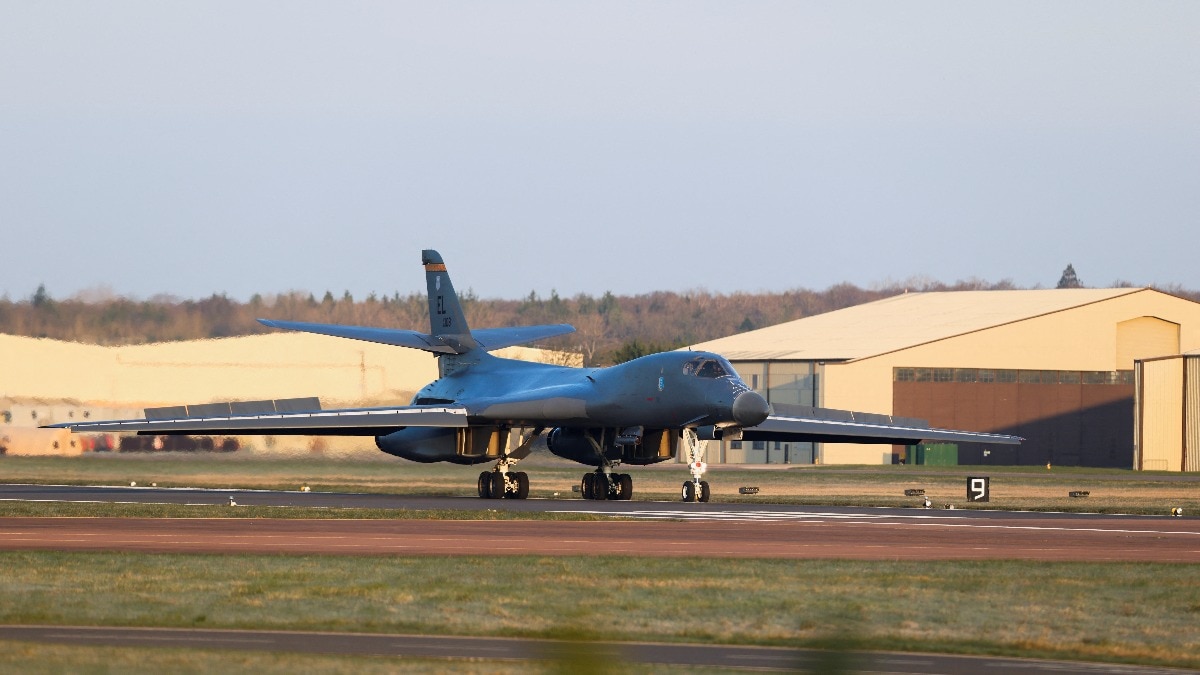
At the centre of the emerging security arrangement is Pakistan, whose role extends beyond that of a conventional partner. As the only nuclear-armed member of the proposed grouping, Islamabad would bring a strategic deterrent capability not available to the other members.
Pakistan's geographical position also links South Asia with the Middle East, giving it strategic importance in any wider security arrangement involving the Persian Gulf, Central Asia and the Indian Ocean.
The agreement builds on a September 2025 bilateral defence pact between Pakistan and Saudi Arabia, deepening ties that already include joint military exercises, intelligence sharing and defence production cooperation.
A NEW SECURITY ORDER TAKES SHAPE
The Mecca Pact could mark a move towards greater regional ownership of collective security, although the extent to which it could challenge existing US-led security arrangements remains unclear.
By placing collective defence at the centre of the agreement and bringing together countries from different parts of the Islamic world, the pact could create a new channel for military coordination and crisis response.
If Egypt joins, the bloc could evolve into a de facto "Middle East Nato", with Pakistan playing a significant strategic role. Such an expansion could have implications for defence cooperation, military exercises, arms procurement and coordination during regional crises.
For Pakistan, closer defence ties with Saudi Arabia, Turkey and potentially Egypt could enhance its profile in the region and deepen its military partnerships beyond South Asia.
However, the arrangement could also expose Islamabad to greater involvement in Middle Eastern security disputes and conflicts. The coming weeks are likely to provide a clearer indication of whether Egypt will formally join the agreement and how the proposed alliance would function in practice.
- Ends
Published By:
Satyam Singh
Published On:
Aug 14, 2026 23:38 IST