2 hours ago
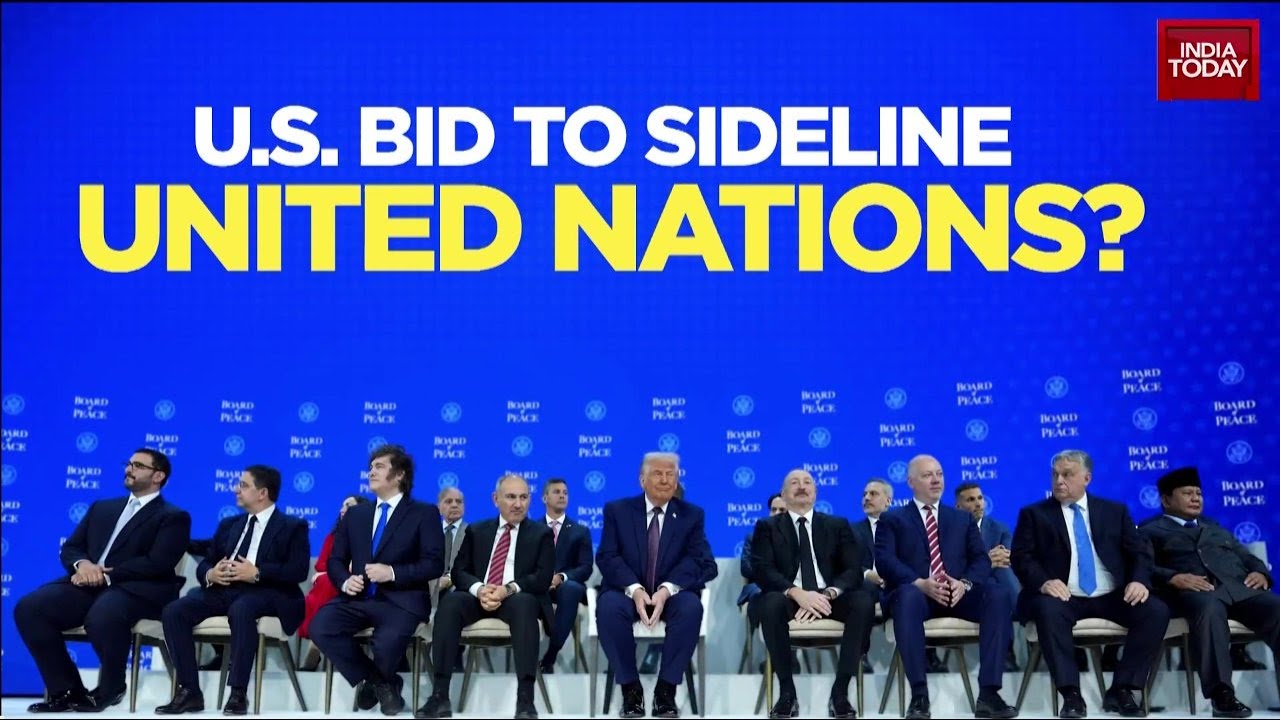
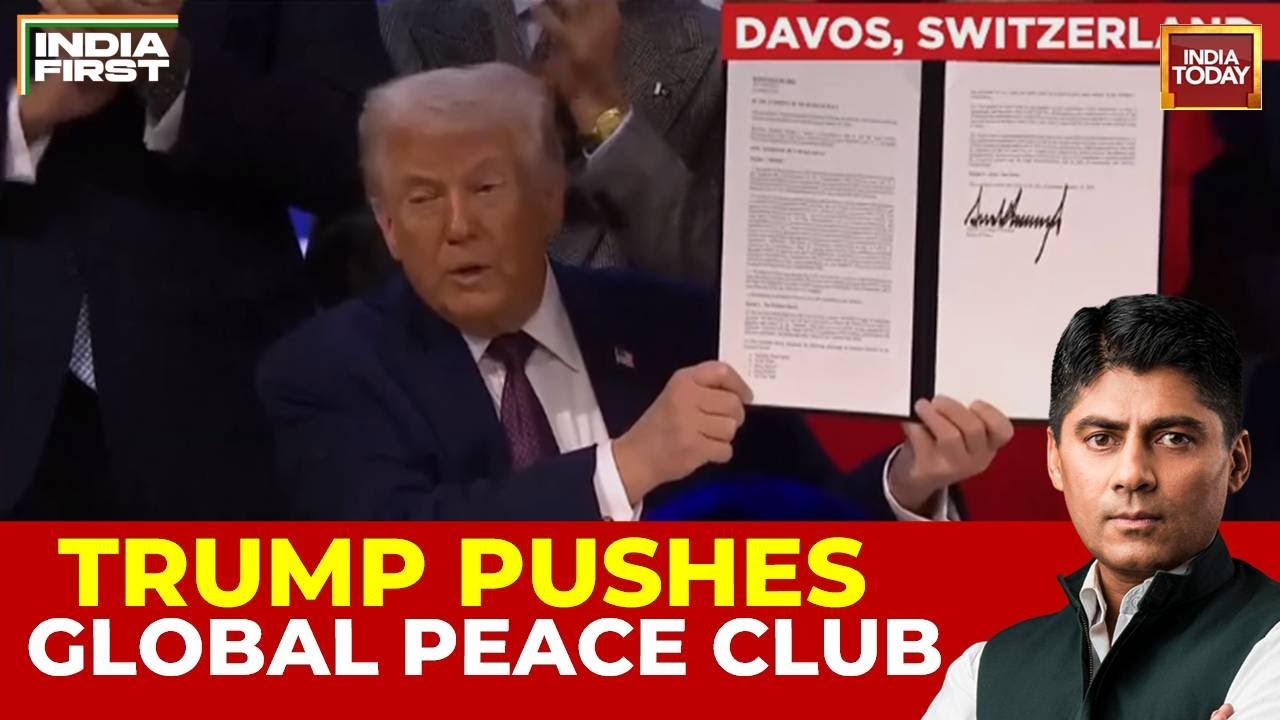
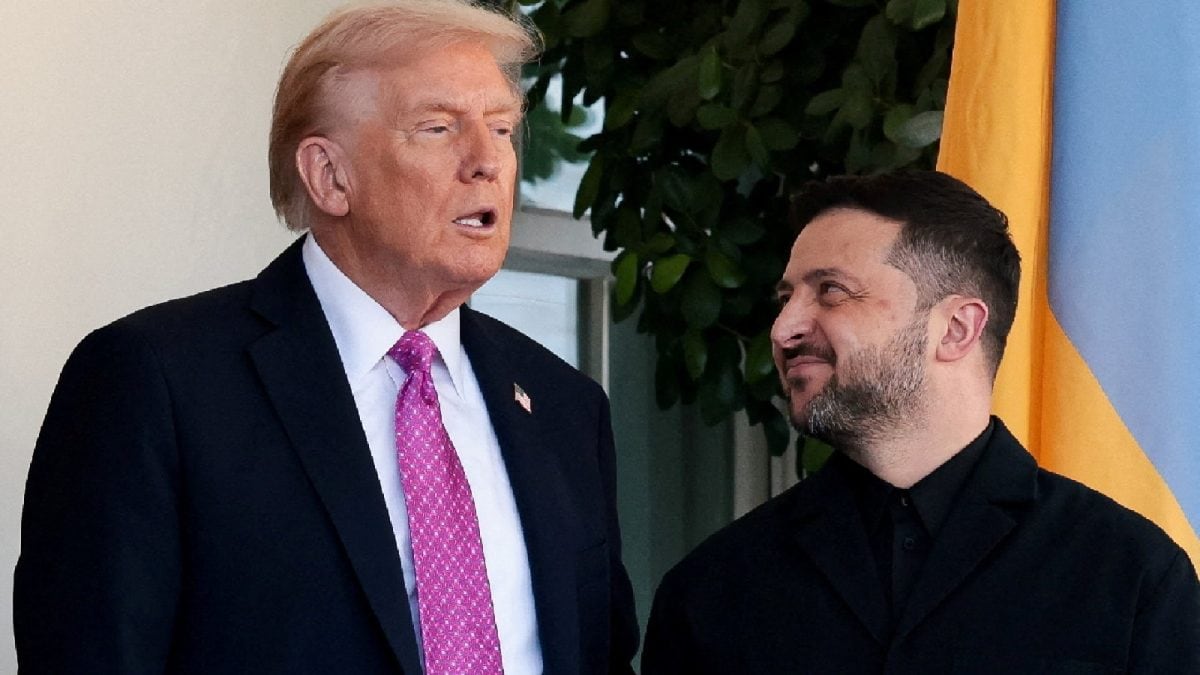
Trump's speech questioned long-standing alliances and openly criticised European leaders over their ongoing standoff around the US's Greenland claim, reflecting a sharp turn toward national priorities.
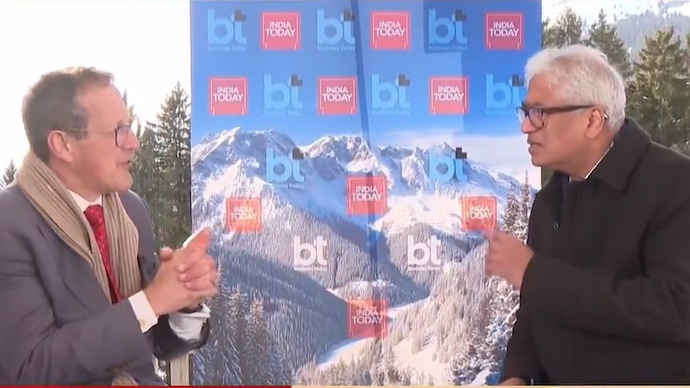
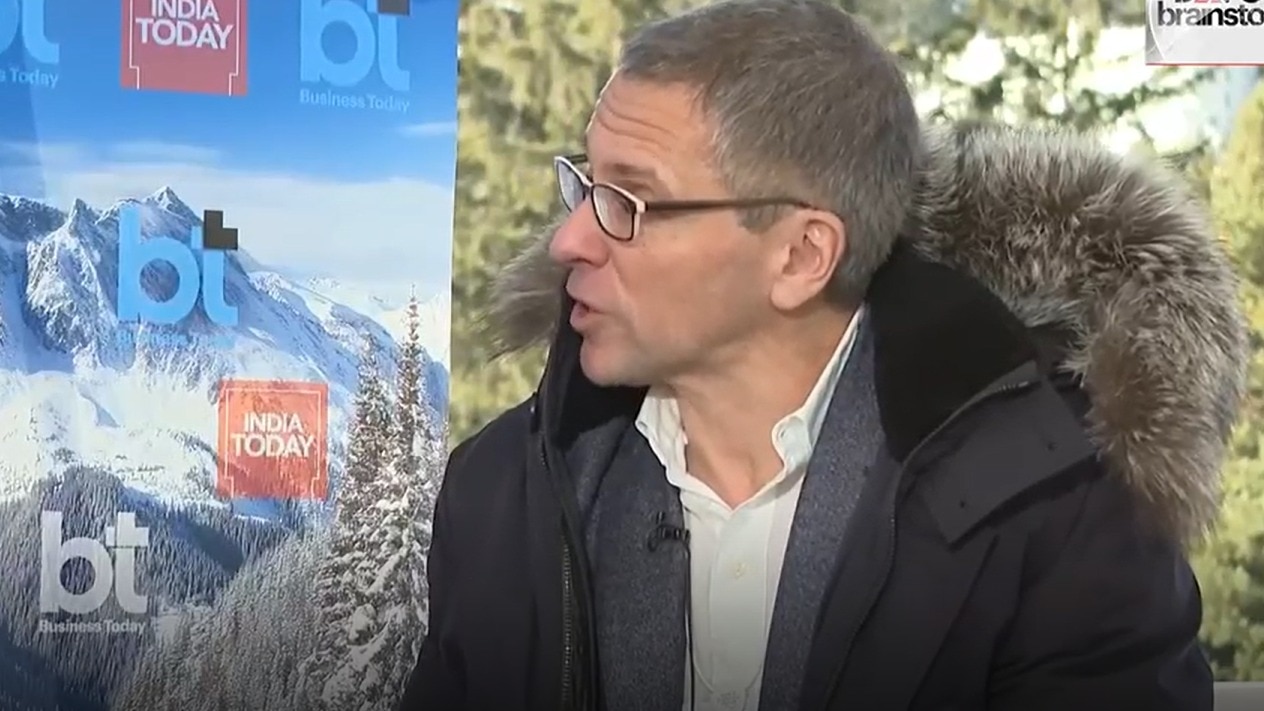
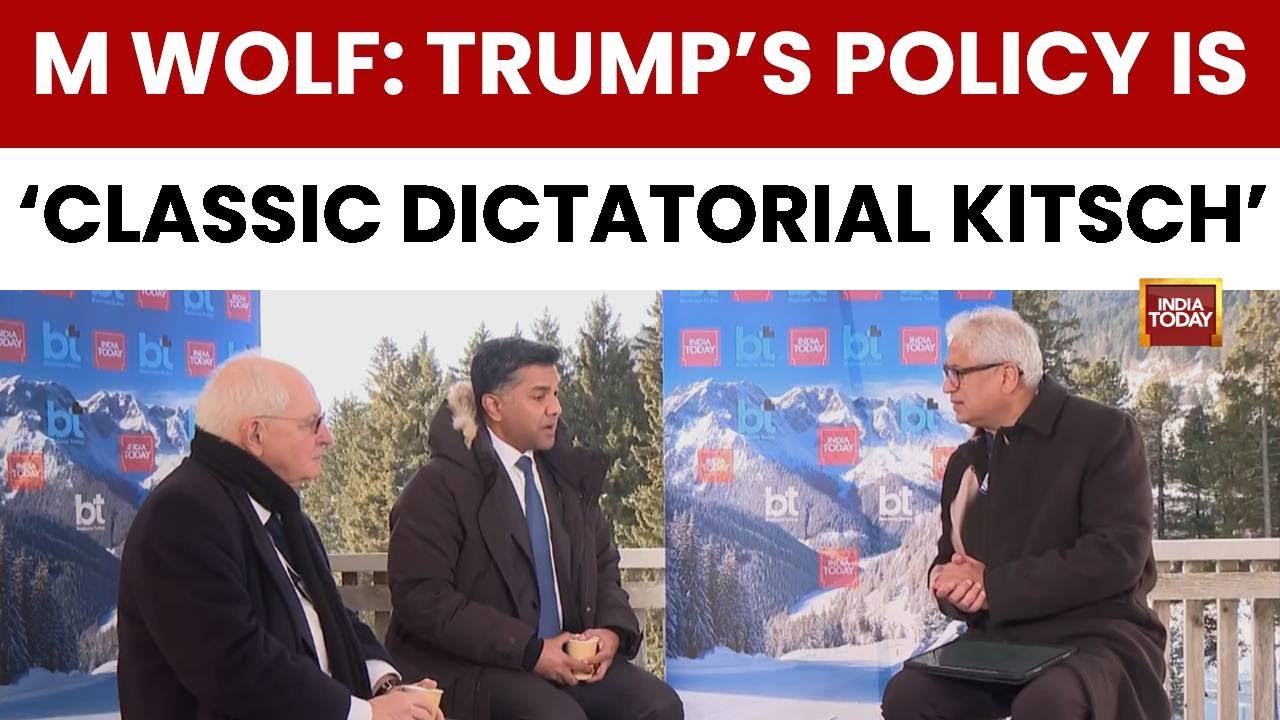
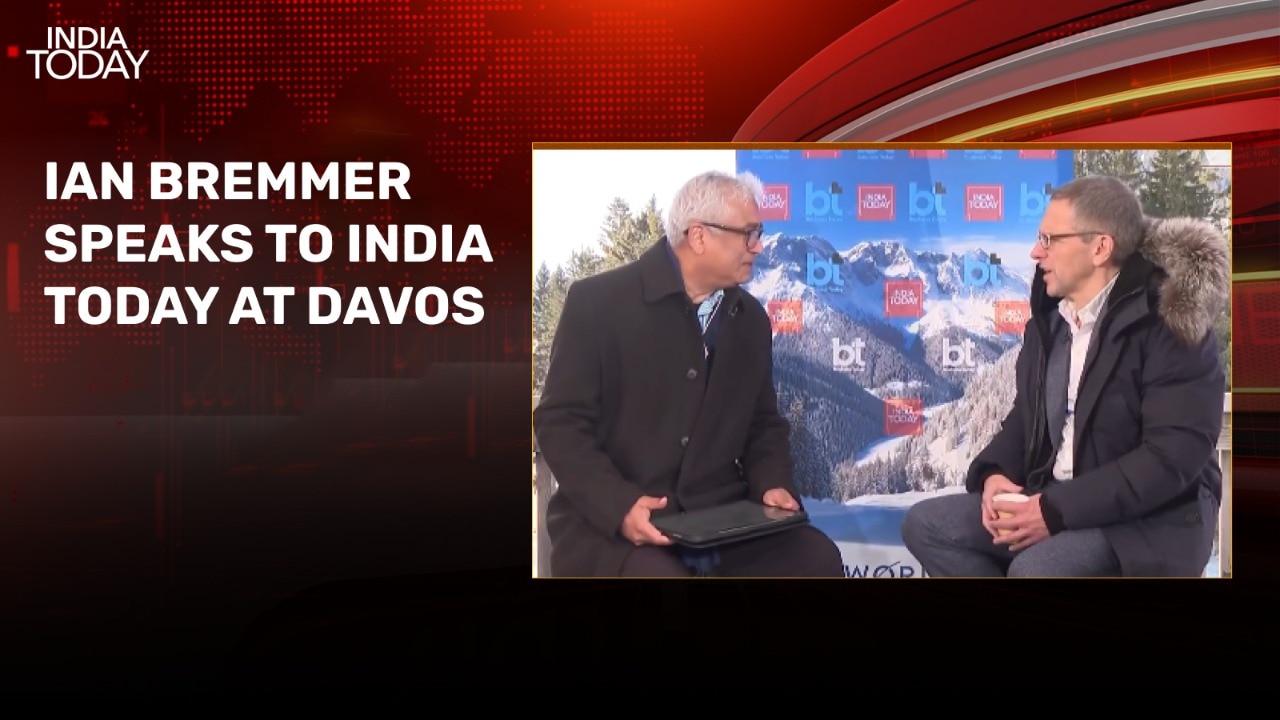
CNN Business Editor Richard Quest (left) during an exclusive interview with India Today in Davos.

New Delhi,UPDATED: Jan 22, 2026 20:42 IST
A day after US President Donald Trump delivered a scathing address at the World Economic Forum (WEF) in Davos, global attention has turned to what analysts describe as a deepening rupture between the United States and its European allies — a shift that could reshape global politics and trade.
CNN Business Editor Richard Quest, in an exclusive conversation with India Today TV on Thursday, said that while geopolitics has long dominated the annual gathering, this year stands apart because of how that dominance is being asserted.
"Geopolitics has dominated Davos most years. The difference is the mechanism by which it's dominating, which is through the sheer brute force of the US President. What is new is the way in which the United States has shifted its own force of power here".
Trump’s speech questioned long-standing alliances and openly criticised European leaders over their ongoing standoff around the US’s Greenland claim, reflecting a sharp turn toward national priorities.
"Certain places in Europe are not even recognisable, frankly, any more... I love Europe, and I want to see Europe go good, but it's not heading in the right direction," he remarked.
Asked about Trump’s harsh language toward NATO allies — including suggestions that without US intervention in World War II, Europeans might now be "speaking German and Japanese" — Quest said such rhetoric marked a break from precedent.
"That is certainly different and that is unique to 2026, that we've never really had somebody, and we've had people giving polemic speeches, we've had people being aggressive, but we've never," he noted.
For Quest, the core issue lies deeper than the tone of the speech.
"The issue here is not what Donald Trump said or how he said it. The issue is... the rupture in the transatlantic alliance," he said, citing remarks by Canadian Prime Minister Mark Carney.
"The US and Europe, having been on the same side for 70–80 years, appear to have a fundamental disagreement now that could tear it apart".
This shift, Quest warned, has injected a new level of uncertainty into the global business environment. "It creates a level of uncertainty that we've not seen before," he said.
"In the past, the US and Europe would come together to discuss crises and come up with a common approach. Now, the two sides that should be discussing collaboration are actually discussing confrontation. That's what creates the uncertainty and ultimately damages the business environment".
The impact is already visible in global markets, including India. Quest pointed to recent disruptions in India–US trade ties, saying, "India's a very good example. You've had a certain level of political stability. But then you had the 25% and the increased tariffs as a result of Russian oil. You've got a level of disruption on Indian-US business that you've not seen before".
At the same time, he said, countries are actively seeking new partnerships as the old multilateral order weakens.
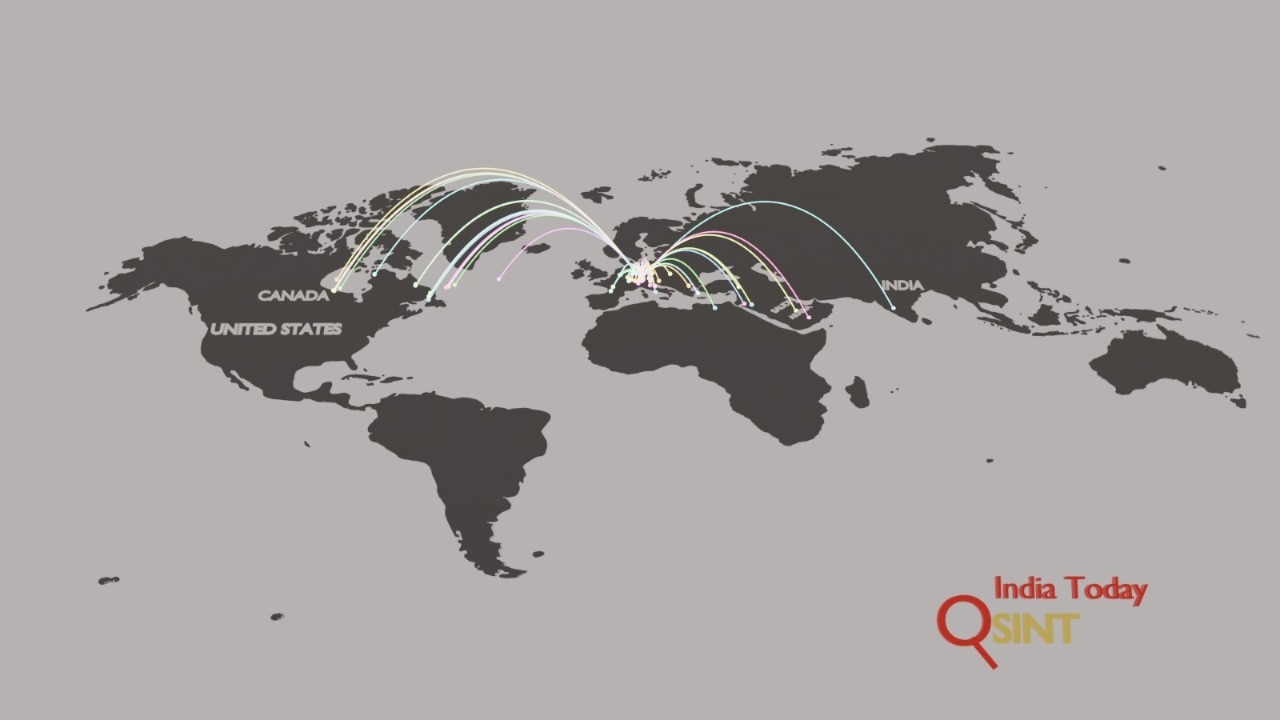
"Leaders from the EU are visiting India, China, new links are being created. This is the rewiring of the global trade order that we are seeing in front of our very eyes".
Quest observed that many of these new arrangements are bilateral rather than multilateral.
"A lot of new trade arrangements are bilateral, not multilateral. They are circumventing the United States and new trade relations are being built," he said, adding that India is emerging as a key hub in this shifting landscape.
Beyond geopolitics, artificial intelligence has also emerged as a major source of anxiety at Davos.
Quest described AI as "a rational but inevitable bubble," warning, "We don't know the level, profitability, or timescale. The bubble is inevitable, and when it deflates, it will be disruptive".
Together, the political rift and technological upheaval underscore a central message from Davos this year: the global order is being rewritten, and the consequences are only beginning to unfold.
- Ends
Published On:
Jan 22, 2026