1 month ago
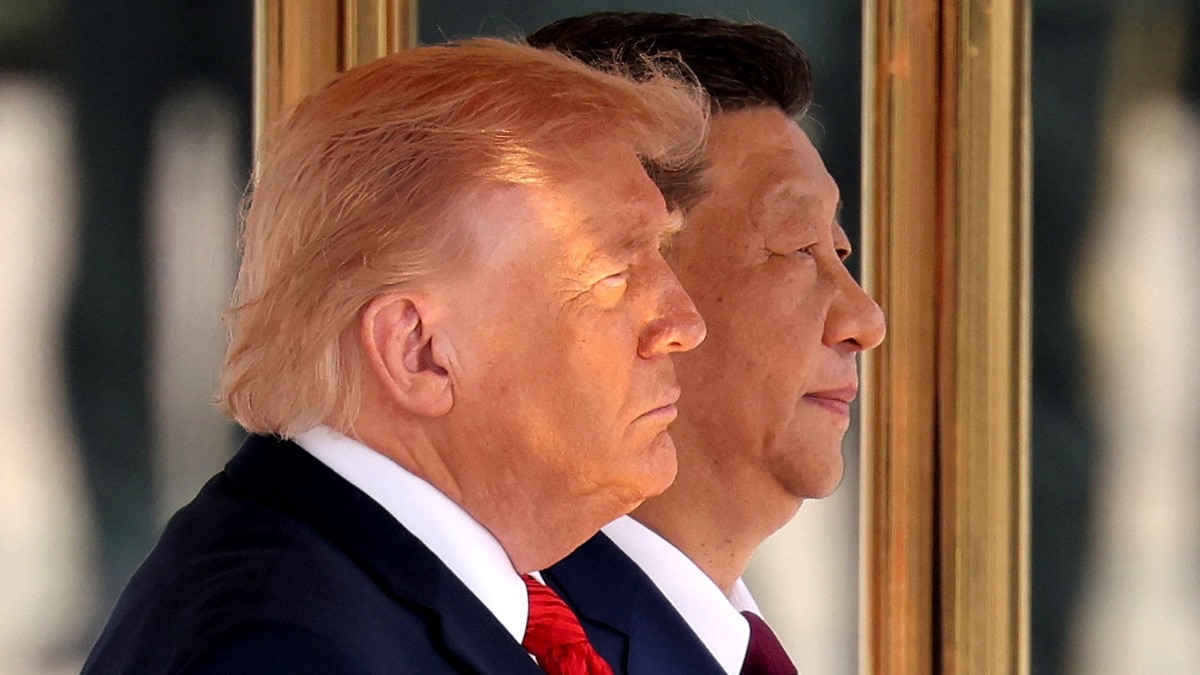
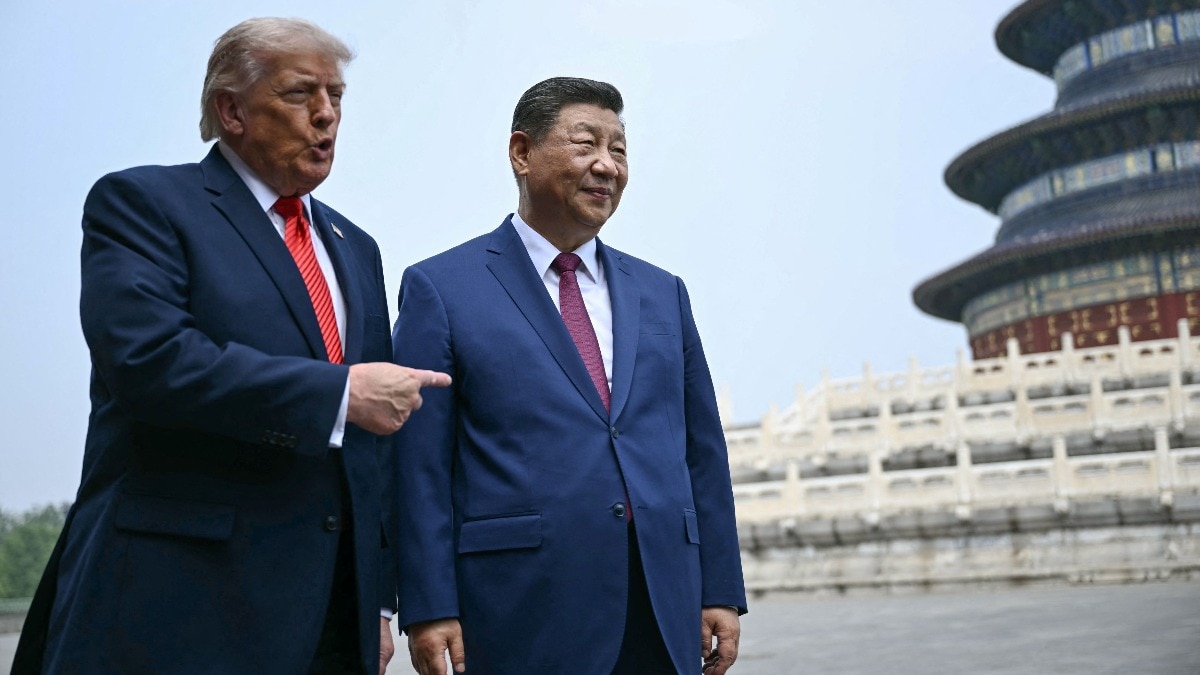
After weeks of bombast and claims of victory, US President Donald Trump is reportedly planning an early withdrawal from the war against Iran, leaving the choked Strait of Hormuz firmly in the hands of Tehran. Amid the US's bid to exit the war, some of its allies in the Gulf want Washington to keep fighting Iran.
According to a report by The Wall Street Journal, Trump has told aides he is willing to end Operation Epic Fury, five weeks since the start of the conflict. This comes even as the Strait of Hormuz remains largely closed. Trump officials told the newspaper that any operation to reopen the Strait of Hormuz (responsible for 20% of the world's oil trade) would be time-consuming, resource intensive and would clash with the US President's timeline to end hostilities.
Even as Trump is seeking to exit the war, the US' allies in the Middle East, led by Saudi Arabia and the United Arab Emirates (UAE), are privately advocating for Washington to keep fighting the war, arguing that Tehran has not been weakened enough by the month-long aerial bombardment it was subjected to, reported the Associated Press.
According to the report, officials from Saudi Arabia, the UAE, Kuwait and Bahrain, have conveyed in private conversations that they do not want the military operation to end "until there are significant changes in the Iranian leadership or there's a dramatic shift in Iranian behaviour."
To say that the Persian Gulf has had it rough since the start of the Iran war would be putting it lightly. None of the countries of the region, each of whom have been longtime US allies, were consulted or informed about Operation Epic Fury prior to it commencing. They have since borne the brunt of Tehran's counterattacks, as drone swarms and missile barrages shattered the peaceful tag of the Gulf states. Over the last few decades, these Gulf nations have been considered safe, idyllic business hubs untouched by wars.
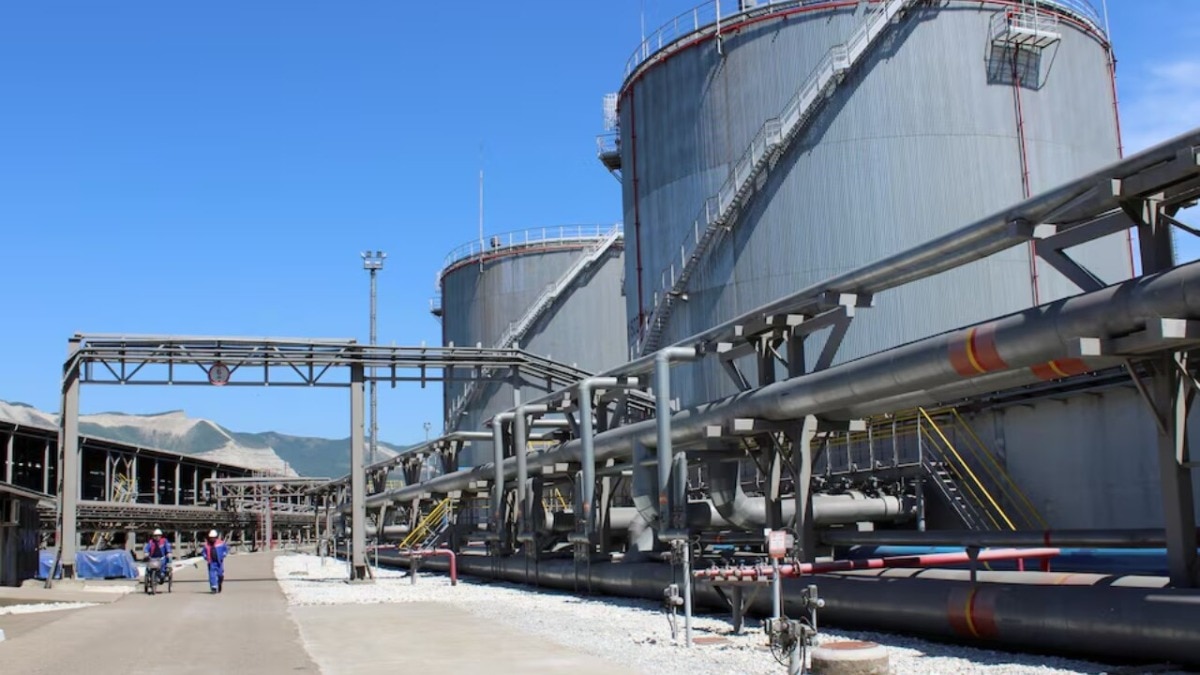
But now, Iranian attacks have decimated the oil and gas processing infrastructure in these Gulf states. They naturally don't want to come under such Iranian fire in the future. This is one of the reasons why the US's Gulf allies, most prominently Saudi Arabia and the UAE, are pushing for continued hostilities.
UAE PUSHES FOR BOOTS ON THE GROUND
According to the AP report, the Emirate has been one of the hawkish supporters of continuing the war against Iran. An unnamed diplomat said that the UAE has been pushing Trump to deploy boots on the ground, an option that is reportedly also supported by Kuwait and Bahrain.
One reason for this is because the UAE has been hit particularly hard. It has faced 2,300 missile and drone attacks from Iran, which has threatened to tarnish its image as a safe, pristine and monied hub for trade and tourism in the Mideast.
"An Iranian regime that launches ballistic missiles at homes, weaponises global trade and supports proxies is no longer an acceptable feature of the regional landscape," Noura Al Kaabi, a minister of state at the UAE's Foreign Ministry, wrote in the state-linked English-language newspaper, The .
"A simple ceasefire is not enough" and that "We want a guarantee that this will never happen again", according to the minister.
Oman and Qatar meanwhile, who have historically played the role of mediators in negotiations with Tehran, have continued to push for a diplomatic conclusion to the war, reported news agency AP.
SAUDI ARABIA PUSHES FOR IRANIAN DISARMAMENT
Meanwhile, the regional Sunni powerhouse, Saudi Arabia, has joined calls to continue the war against Iran. However, it differs with the UAE, Kuwait, and Bahrain on how the conflict should proceed.
According to the AP report, Riyadh is pushing for a final settlement that would neutralise Iran's nuclear program, dismantle its ballistic missile capabilities, end Tehran's support for proxy terror groups, and ensure the Strait of Hormuz cannot be shut down by the Islamic Republic in the future. But Saudi Arabia has been silent on whether US boots should land on Iranian soil.
Saudi Prime Minister and Crown Prince Mohammed bin Salman, the kingdom’s de facto ruler, was reported by AP as telling White House officials that further weakening Iran's military capabilities and clerical leadership serves the long-term interests of the Gulf region and beyond.
The New York Times reported last week the Crown Prince urged Trump to "keep hitting the Iranians hard."
At the same time, however, the Saudis remain acutely aware that the longer the war drags on, the greater the risk of Iranian strikes on the kingdom's energy infrastructure, the heart of its oil-dependent economy.
A Saudi government official told news agency AP that while Riyadh ultimately seeks a political solution in Iran, its immediate priority is protecting its people and critical infrastructure.
It remains unclear when or how the US-Israel-Iran war, which set the Persian Gulf on fire and set off the biggest oil supply disruption in history, would end. But even as Trump seeks an off-ramp, he will face more than a few obstacles posed by the US's closest allies in the Gulf region.
- Ends
Published By:
Shounak Sanyal
Published On:
Mar 31, 2026 13:52 IST
Tune In