1 hour ago
Donald Trump denied asking Xi Jinping whether China wanted to buy US weapons. The contradiction with his ambassador's remarks has intensified questions over Washington's China and Taiwan policy.

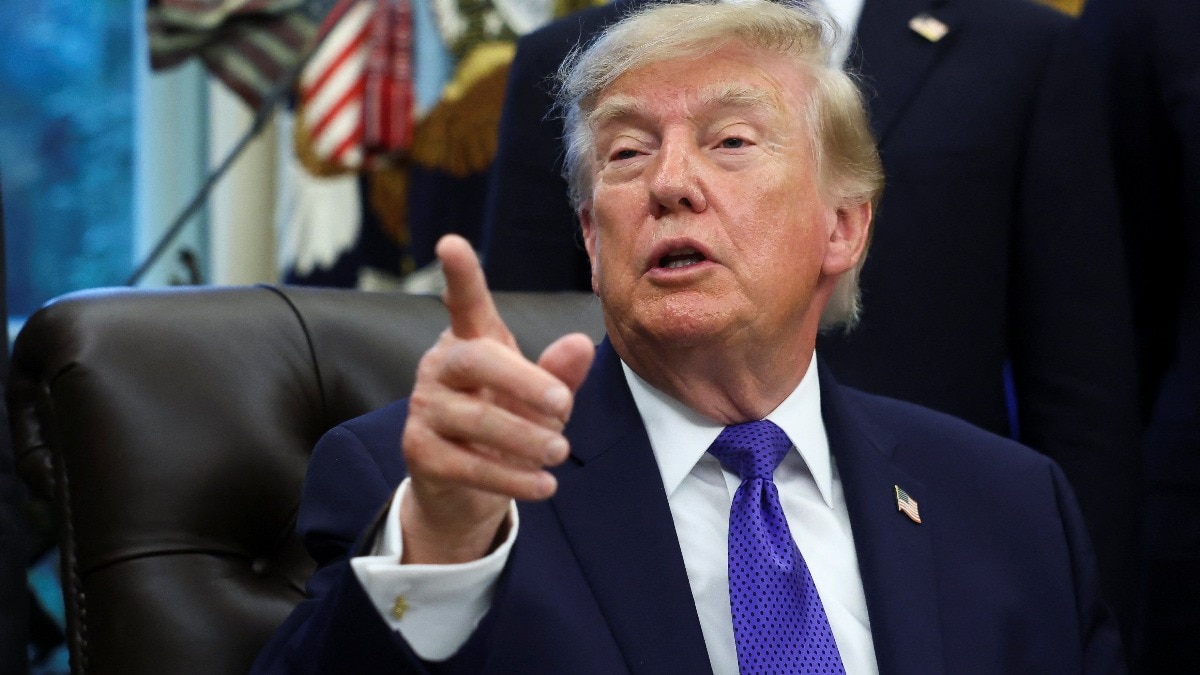
Stock photo used for illustration
Washington,Sep 29, 2026 01:52 IST

US President Donald Trump on Monday disputed an account that he had asked Chinese President Xi Jinping whether he wanted to buy American weapons, contradicting remarks made by US Ambassador to China David Perdue. Asked about Perdue's comments, Trump first appeared to suggest the diplomat may have been referring to Taiwan, before later saying that "maybe it's a good idea" to make such an offer to China.
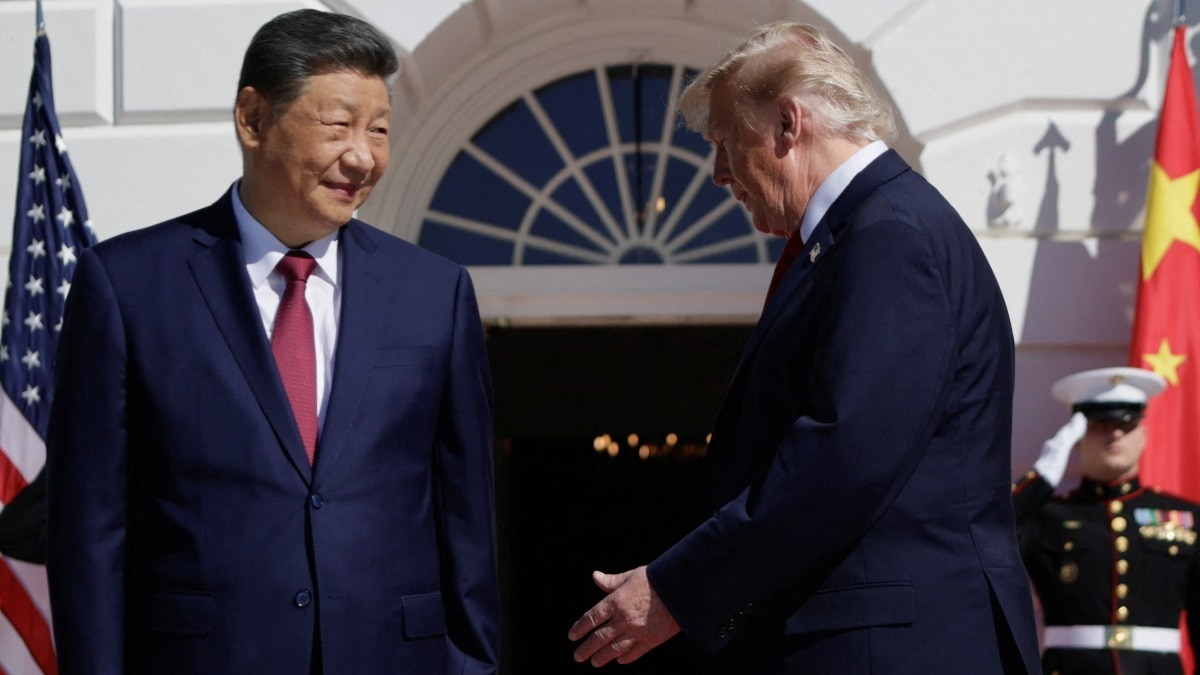
The State Department also sought to distance the administration from Perdue's remarks, saying, "US law prohibits arms sales to China and there is no offer or plan to sell arms to China." The conflicting accounts came days after Xi's visit to Washington and added to the confusion over the Trump administration's approach to China and Taiwan.
Speaking on Fox News Channel's "Fox News Sunday", Perdue did not say when the offer was allegedly made. But he said Trump had framed longstanding US arms sales to Taiwan as part of broader American weapons sales around the world, and had even raised the matter with Xi.
When asked about Perdue's account on Monday, Trump said, "To China? You mean to Taiwan?" He added, "I never heard of that one. I'm going to have to ask him." Trump then said China would probably like to buy US equipment because it was superior, adding: "So maybe it's a good idea. But we didn't discuss it. He may have been talking about Taiwan. I think he was probably talking about Taiwan."
Perdue's comments came after host Shannon Bream referred to concerns from Republican and Democratic lawmakers over delayed aid packages and weapons orders to Taiwan, the self-ruled democracy that faces the threat of invasion from China. She asked whether the US was denying arms to Taiwan to appease Xi. Perdue rejected that suggestion, saying Trump "is as strong on Taiwan as I've ever seen anybody" and has sold it plenty of weapons. He also said Trump and Xi continue to discuss future US weapons sales to Taiwan. "But President Trump continues to say, 'Hey, we sell arms to other people around the world'," Perdue said. "He actually asked President Xi, would he like to buy some, at one point."
Analysts said such an offer, if it was made, would mark a major shift. Evan Sankey of the Cato Institute said it "speaks to (Trump's) treatment of China in almost exclusively commercial terms, even at the potential expense of the US military position in Asia" and noted that the US last sold arms to Beijing in the 1980s, calling any resumption "a shocking policy change". Craig Singleton of the Foundation for Defense of Democracies said the anecdote offered "a revealing window into Trump's transactional worldview". He added, "He tends to see weapons, tariffs and market access as instruments of leverage, even across the traditional dividing line between allies and adversaries."
The issue also sits alongside US obligations under domestic law to provide Taiwan with the means to defend itself and deter an invasion from Beijing. China has pressed Washington to stop those sales, including during a summit in May in Beijing. After that meeting, the US paused a record USD 14 billion package, and Trump described arms sales to Taiwan as a "very good negotiating chip" with China. In their private talks at the White House last week, Xi urged Trump to oppose Taiwan independence, according to Chinese state media.
In Beijing, Chinese foreign ministry spokesperson Guo Jiakun did not confirm Perdue's remarks when asked about the matter. He said China has always strengthened its national defence capabilities based on its needs and is committed to maintaining world peace and stability. Overall, Monday's exchanges left the administration publicly at odds over whether Trump had ever floated the idea of selling US weapons to China, even as Washington continued to defend its arms relationship with Taiwan.
With PTI Inputs
- Ends