1 hour ago
Donald Trump used his UN General Assembly speech to defend the Iran war and press Tehran for talks. His remarks signalled both escalation and a possible diplomatic opening as energy and regional tensions persisted.

Unitednations,UPDATED: Sep 22, 2026 23:12 IST
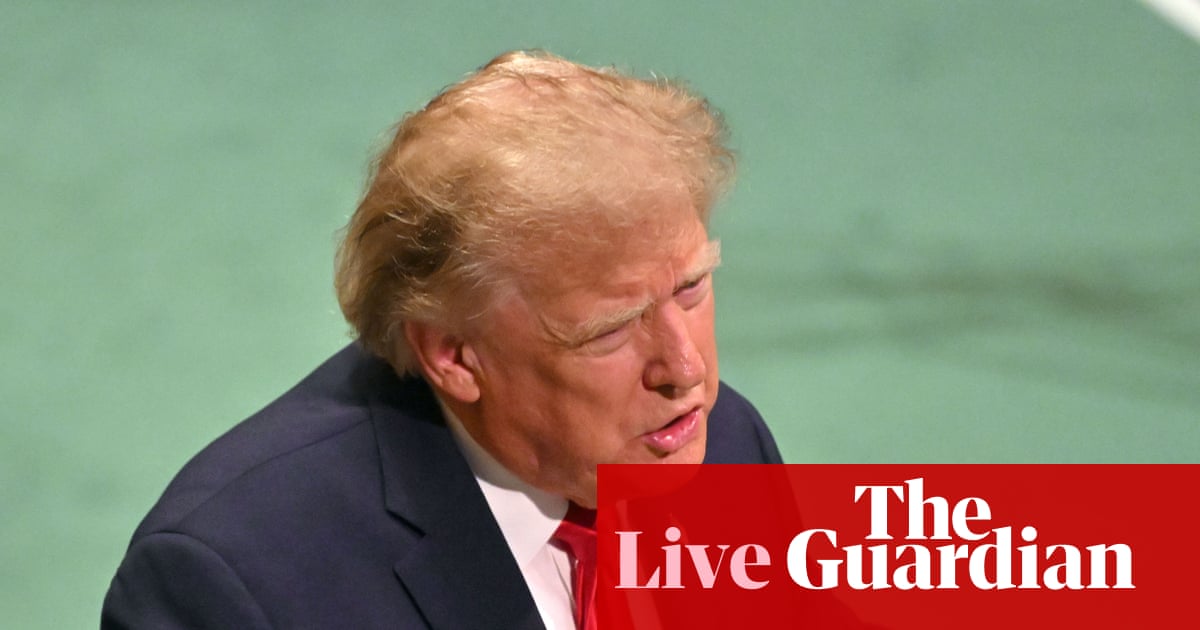
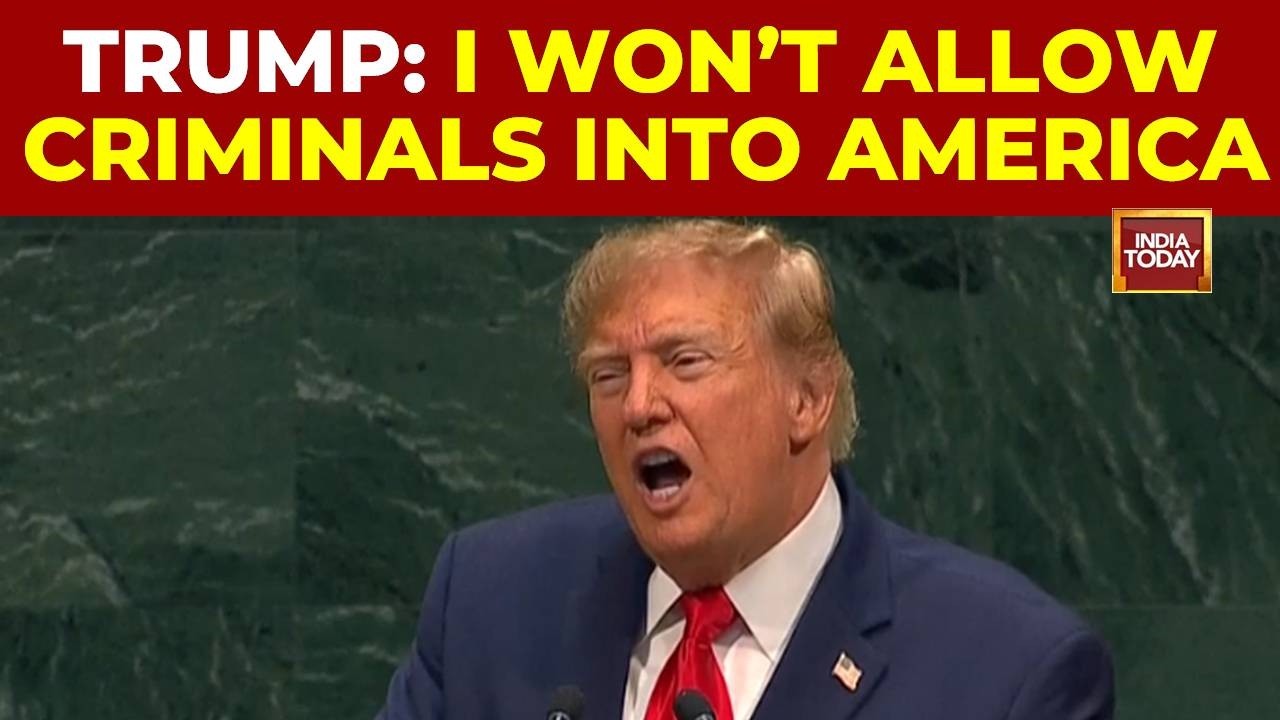
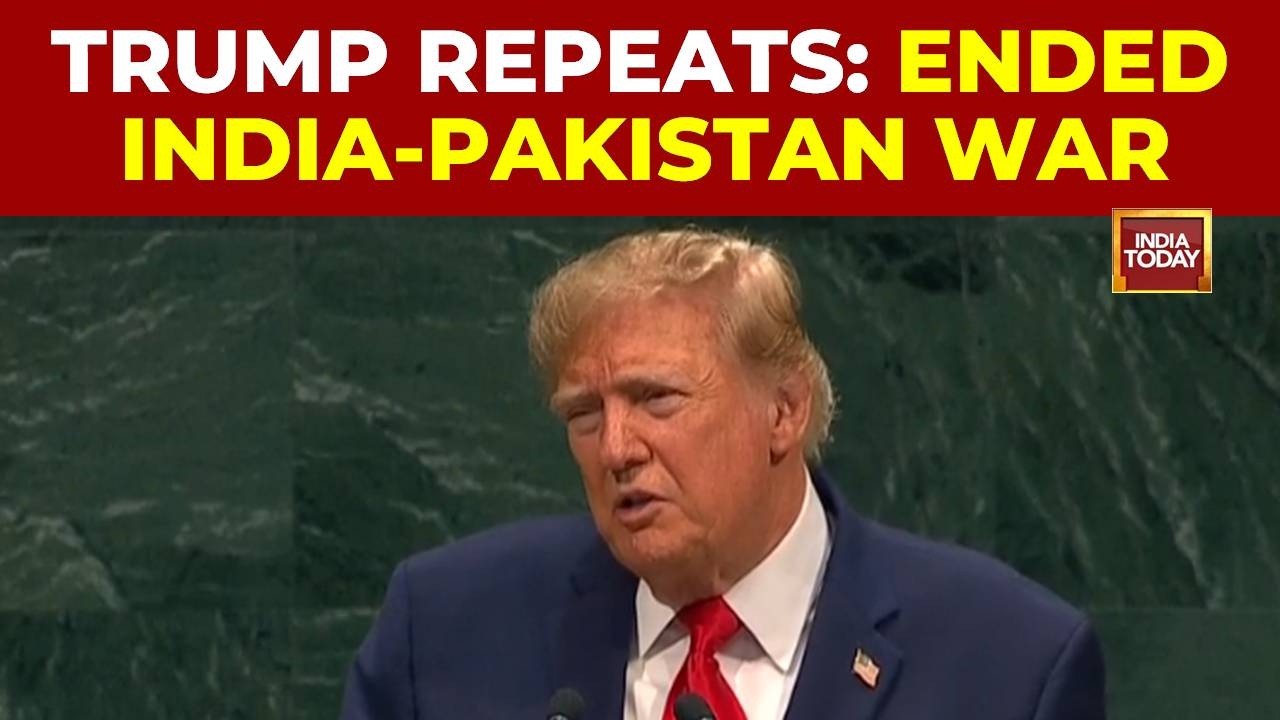
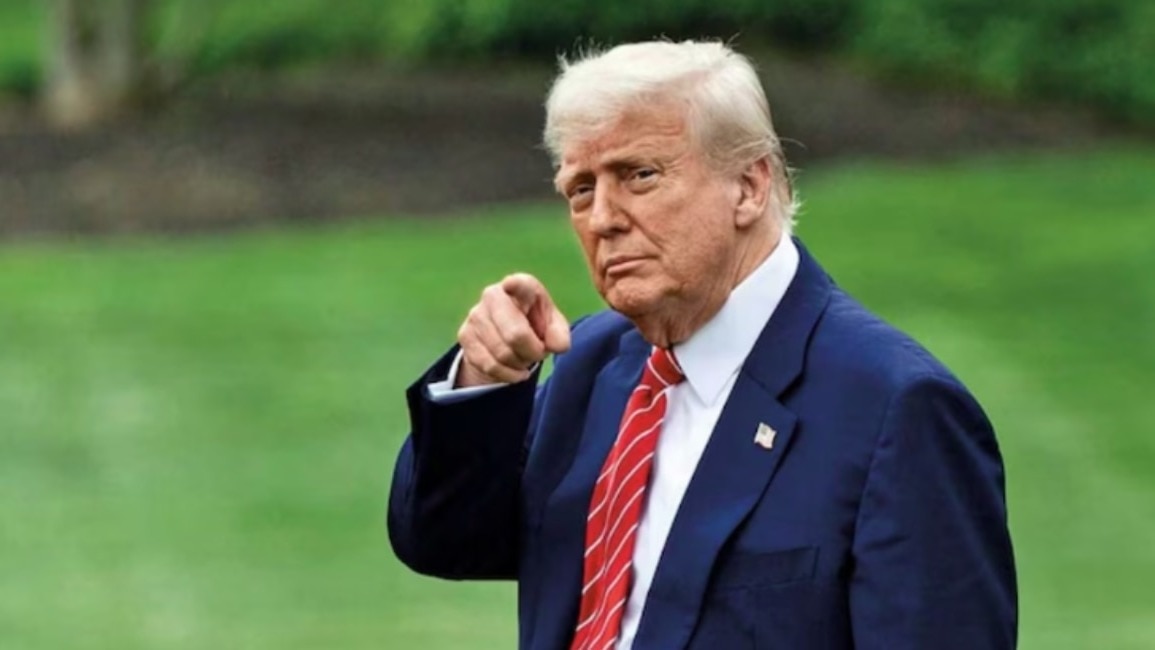
US President Donald Trump returned to the United Nations General Assembly on Tuesday and used his address to defend his decision to start a war with Iran, while also signalling that he may be at a turning point in the conflict. He called on Iran to fully reopen the Strait of Hormuz and return to the negotiating table, even as he argued that his approach had shown resolve at a difficult moment for both the world and his presidency.
Trump said he faced a major choice on the way ahead. “I have a big decision to make,” he said. “Will a deal be made with Iran that lets them rebuild and create a far greater country than it ever was before, maybe one of the greatest in the Middle East or even the world. Or do I annihilate the Islamic Republic and do it quickly, never giving them a chance to kill and destroy people and countries again?”
In a wide-ranging speech, Trump also hailed this year’s US military operation that removed Venezuelan President Nicols Maduro from power, referred to a new agreement to expand the US military presence in Greenland, and rejected calls for tighter regulation of the artificial intelligence industry. But the main focus of his remarks was the war with Iran. Rejecting suggestions that Tehran had shown resilience, Trump said, “The terrorist regime is behaving badly, not because they are strong and confident, but because they are weak and desperate.” He also accused Iran of delaying any deal to reopen the Strait of Hormuz and negotiate an end to the war until after the US midterm elections, and said that would not affect his approach. Most of Iran’s delegation walked out of the chamber as he criticised the Islamic Republic.
After the speech, Trump met Danish Prime Minister Mette Frederiksen and Greenlandic Prime Minister Jens-Frederik Nielsen on the sidelines of the General Assembly to sign a new security agreement announced last week. Trump said the US would immediately begin developing a bigger military presence in Greenland, including “building two very major military bases”. Under the deal, Greenland remains Denmark’s territory. Trump also held talks with new British Prime Minister Andy Burnham, with the two leaders discussing migration, the Iran conflict and the Russia-Ukraine war. He also met Japanese Prime Minister Sanae Takaichi and was scheduled to meet Ukrainian President Volodymyr Zelenskyy, as well as Venezuela’s acting President Delcy Rodrguez, according to the White House. He was also due to meet leaders and senior officials from Bahrain, Kuwait, Oman, Qatar, Saudi Arabia and the United Arab Emirates to discuss the war in Iran and concern over recent Iran-backed rebel attacks on Saudi Arabia. Trump also planned to take part in an event on the Shield of Americas, an initiative launched earlier this year with Latin American countries to combat violent cartels.
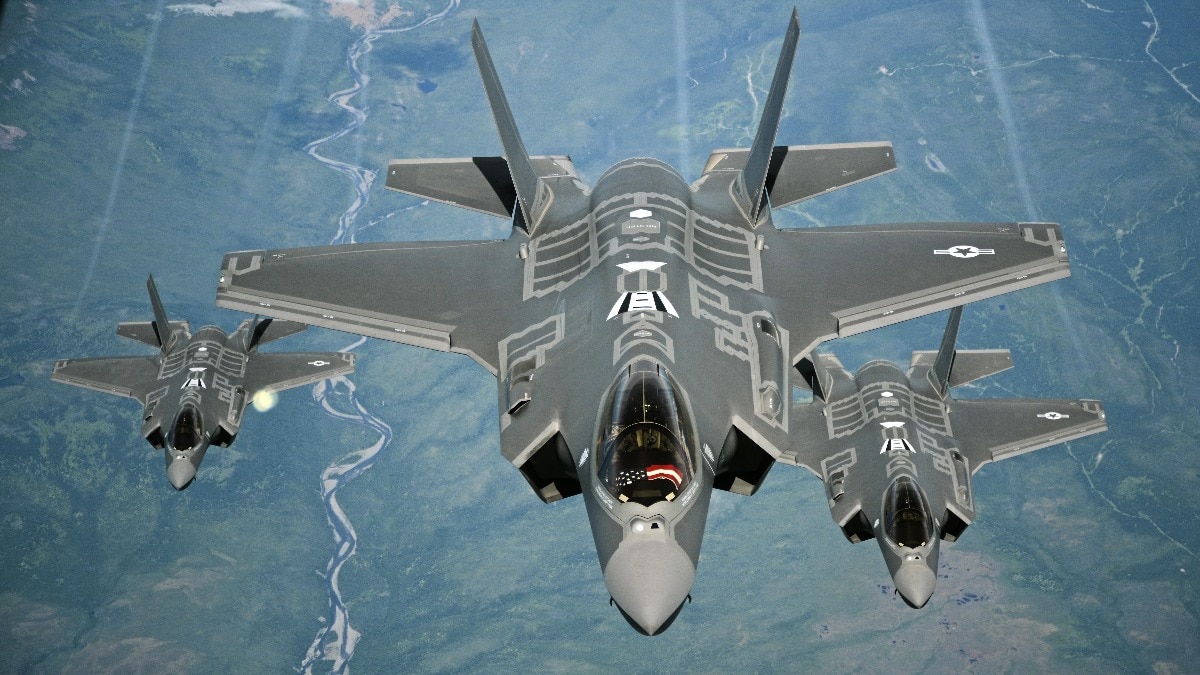
Trump’s visit came as his foreign policy, especially the war with Iran, has weighed on fellow Republicans’ hopes of keeping control of both chambers of Congress in the coming midterm elections. He nevertheless argued that the world was better off for his leadership, saying, “As president of the most extraordinary nation in history, I have no interest in leaving dangers to grow for another day. I do not believe in letting problems fester.” In last year’s UN address, Trump had said the US had “demolished” Iran’s nuclear capabilities after ordering the June 2025 bombardment of three key facilities. He returned to the General Assembly with the war nearing its seventh month, insisting it was necessary to address the nuclear threat from Iran. The conflict has become more complicated despite US and Israeli strikes killing much of Iran’s top leadership and destroying its air force and navy, and a US blockade of Iranian oil pushing Tehran into economic distress.
The war has also kept energy markets on edge and oil prices elevated. Saudi Arabia earlier this month shut a key pipeline that had served as a relief route for oil blocked in the Gulf after the pipeline came under attack by Iran-backed militants in Iraq. At the same time, gains by Yemen-based Houthi rebels near the Bab al-Mandab Strait have made that Red Sea shipping lane dangerous for oil carriers. Trump said the pressure on oil prices would ease after the war ends. “Oil prices will come plummeting down even lower than they were at the start of the conflict,” he said. “And they were very low in the United States. They were really low.” Secretary of State Marco Rubio said Trump was open to meeting Iran’s president, Masoud Pezeshkian, while he is in New York for the General Assembly. “This is a president that will meet with anybody for the most part, because he believes that engaging with people is important if you’re going to solve problems,” Rubio said on NBC’s “Today” show. “It doesn’t mean you’re going to end up agreeing with them, but it’s important.” Overall, Trump used his UN appearance to defend the war in Iran, push for talks on his terms, and combine that message with a packed diplomatic schedule on the sidelines of the Assembly.
With PTI Inputs
- Ends
Published By:
India Today Web Desk
Published On:
Sep 22, 2026 23:12 IST