1 hour ago
Last Updated:March 05, 2026, 09:58 IST
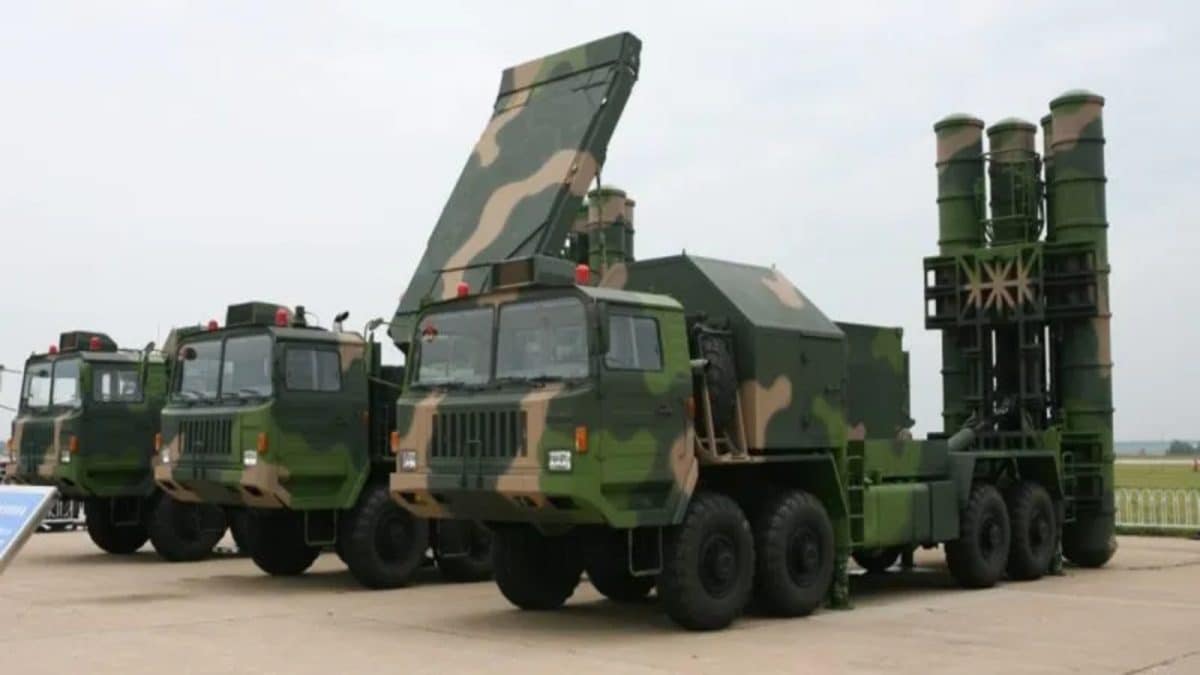
Built as part of the Upgraded Early Warning Radar programme, the system can track ballistic missiles & other aerial threats at distances of up to 5,000 km, providing early warning


Confirming the damage to the critical infrastructure of the US military forces, satellite images obtained by Planet Labs showed signs of damage and firefighting efforts around the location. (X)
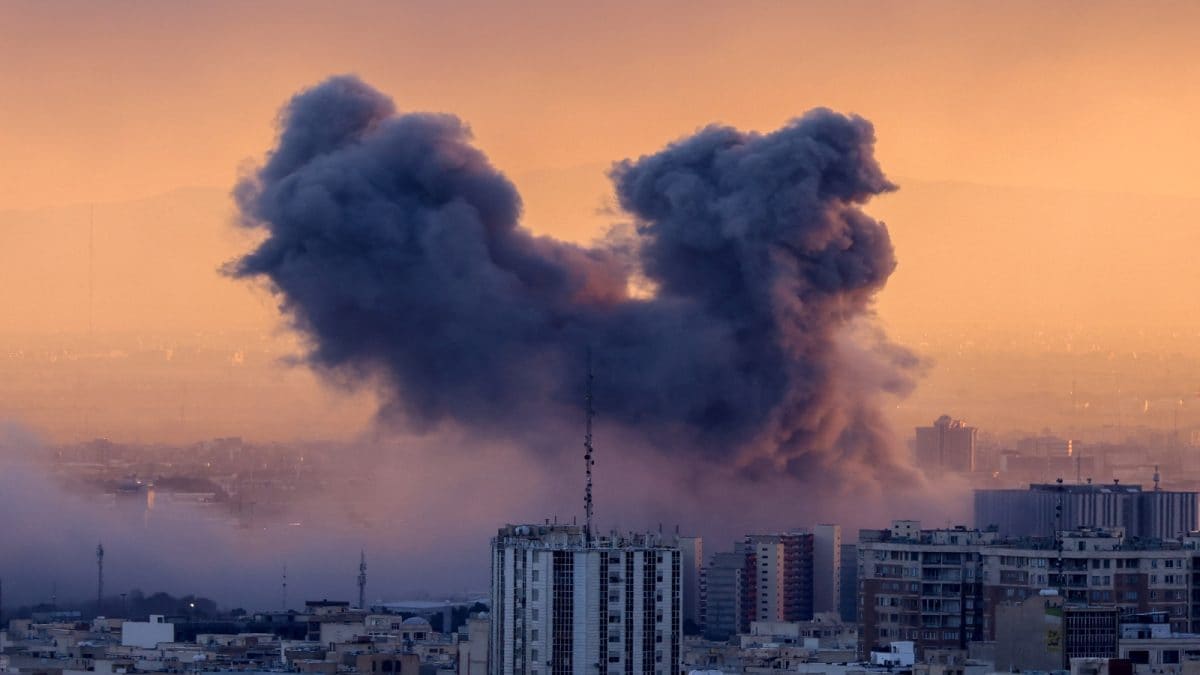
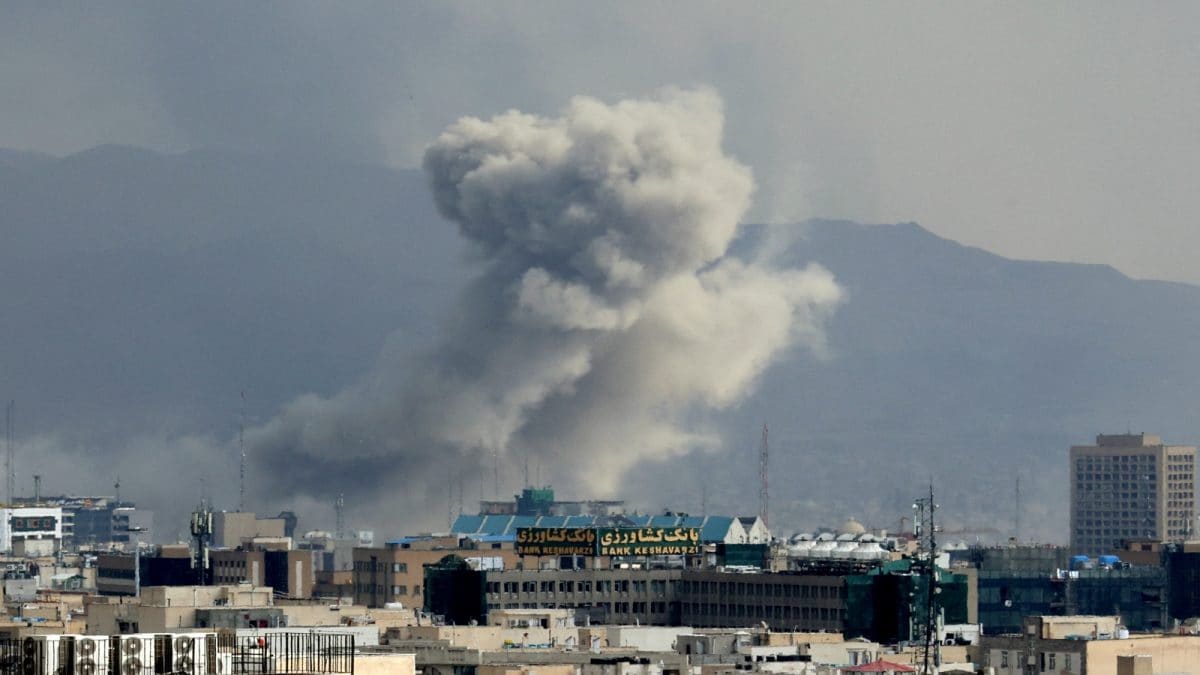
The damage to a critical US early warning radar system in Qatar, costing around $1.1 billion, by Iranian strikes has resulted in a major blow to the missile defence systems of the US military forces in the region, which could render them blind to potential missile strikes.
Confirming the damage to the critical infrastructure of the US military forces, satellite images obtained by Planet Labs showed signs of damage and firefighting efforts around the location of the US Space Force’s AN/FPS-132 (Block 5) Ballistic Missile Early Warning Radar System, which is the largest operated by the US military forces in the Middle East.
Satellite imagery from Planet Labs has now confirmed claims made by a number of Iranian-affiliated channels over the last few days, that an Iranian one-way attack drone, or other projectile, was able to successful impact and significantly damage the U.S. Space Force’s AN/FPS-132… pic.twitter.com/9w2OmMMEex— OSINTdefender (@sentdefender) March 4, 2026
While the Islamic Revolutionary Guard Corps (IRGC) described it as a “precision missile strike", other sources indicated that a low-cost, one-way attack drone, possibly of the Shahed type, may have breached the defences in the midst of a saturated attack of missiles and drones.
ALSO READ | Missile Math: How Weapons Shortages Could Shape The Israel-Iran War
All About The Radar System
Built by Raytheon as part of the Upgraded Early Warning Radar (UEWR) programme, the system can track ballistic missiles and other aerial threats at distances of up to 5,000 km, providing early warning of launches across the Middle East.
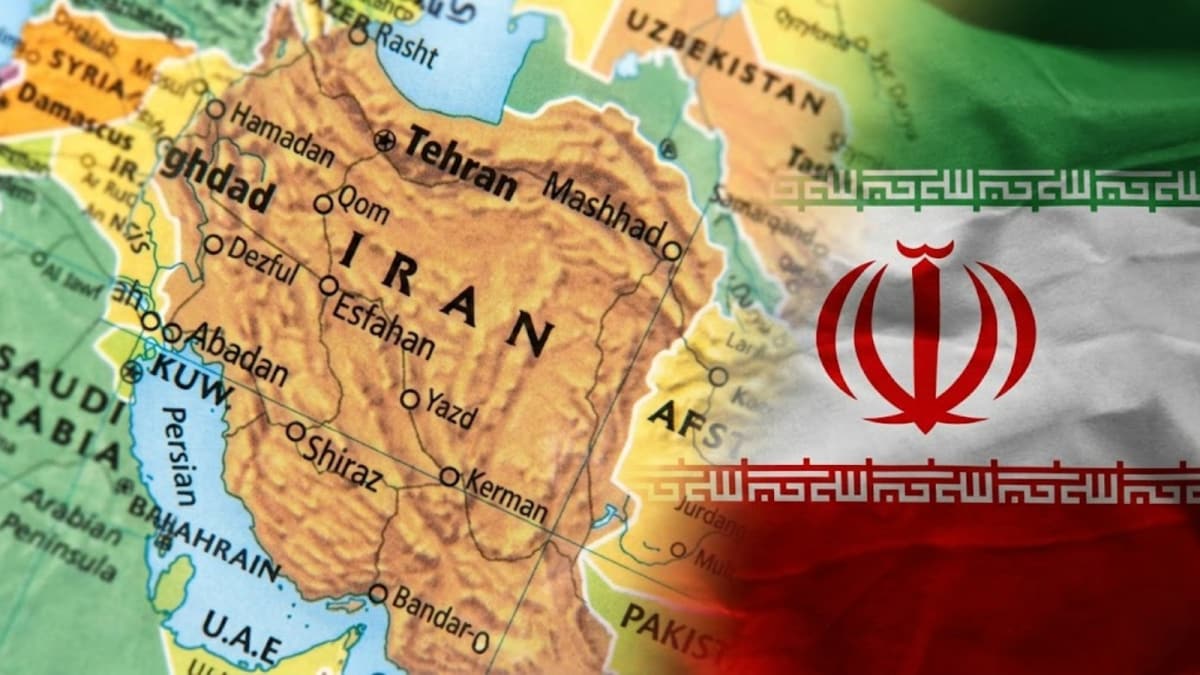
Its location in Qatar allows the radar to cover a number of key strategic regions, including Iran, Iraq, Syria, Turkey, parts of Central Asia, and the Indian Ocean.
Because of its range, the radar is a key node in a US missile defence system that integrates systems such as THAAD, Patriot missile defence batteries, and warships equipped with Aegis systems. It detects missile launches in good time and provides crucial minutes for defence against missile attacks, which can make all the difference between a successful intercept and a missed opportunity.
What Experts Say
Experts claim that the consequences are not limited to a destroyed facility. In a conversation on X, retired US Army colonel Douglas Macgregor, a former Pentagon adviser, discussed the importance of the destroyed installation when he said: “They took out the eyes."
Geopolitics expert Brian Allen discussed the potential fallout of the strike, saying that it might have strategic consequences for the US military presence in the region. He described the destroyed radar installation as “the backbone of all US missile defence in the Gulf" and warned that parts of the defensive network might now be “operating blind". The attack, he said, underscores the nature of modern warfare, in which air defence systems must counter every threat, whereas the attacker only needs a single missile to strike a valuable target.
🚨 HOLY HELLLLLLL: Iran just took out a $1.1 billion radar at the most fortified US base in the Middle East with a single missile.THIS IS BAD!!!
That radar was the backbone of ALL US missile defense in the Gulf. Every Patriot. Every THAAD. Now operating blind.
Qatar… pic.twitter.com/Sp4YQYj0Rz
— Brian Allen (@allenanalysis) March 4, 2026
Military analysts note that while the United States operates a global network of sensors, including satellites and other radars, the loss or degradation of a strategic system like the AN/FPS-132 could still create gaps in regional coverage. Because such large fixed radars are difficult to replace quickly, any damage could temporarily weaken surveillance and missile-tracking capability in a region that hosts critical US bases and key global energy routes.
Aside from this, strategic security experts have also pointed out the cost factor of the asset that was damaged. According to estimates compiled based on defence data, the radar system is the most expensive piece of equipment reportedly damaged during the early stages of the conflict. As the system is part of the US ballistic missile warning system in the Gulf, the attack on the system may reportedly cause difficulties in the coordination of the THAAD missile defence system, as well as the Patriot missile system, which depends on data provided by the radar system.
As quoted by TurDef, experts say that the attack on the system proves that Iran can target key components of the US missile defence system, which may cause changes in the deployment of surveillance assets in the region.
First Published:
March 05, 2026, 09:58 IST
News world 'They Took Out The Eyes!': How Iranian Attack On 5,000 Km Range Ballistic Radar Has 'Blinded' US
Disclaimer: Comments reflect users’ views, not News18’s. Please keep discussions respectful and constructive. Abusive, defamatory, or illegal comments will be removed. News18 may disable any comment at its discretion. By posting, you agree to our Terms of Use and Privacy Policy.
Read More