1 month ago
Explosive remarks from the White House link the deaths of Iranian leaders to failed negotiations, even as backchannel talks continue and threats escalate, raising fresh questions over the direction of the month-long war.
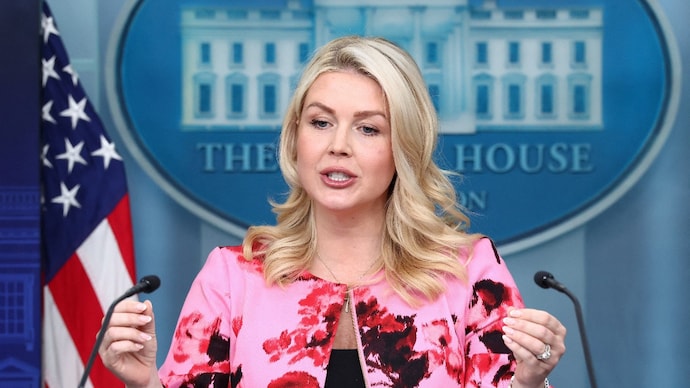
White House Press Secretary Karoline Leavitt holds a press briefing at the White House in Washington.
The White House has made a startling claim amid the ongoing Iran war, saying senior Iranian leaders were killed because they misled the United States during negotiations, even as talks between the two sides continue behind closed doors.
Press secretary Karoline Leavitt said high-ranking Iranian officials are dead because they “strung” President Donald Trump’s administration along in efforts to end the conflict.
“When the president says ‘more reasonable,’ again, these folks are appearing more reasonable behind the scenes in these private conversations than perhaps some of the previous leaders, who are now no longer on planet Earth because they lied to the United States and they strung us along in negotiations, and that was unacceptable to the president, which is why many of the previous leaders were killed,” she said.
TALKS CONTINUE AMID WARNINGS
Speaking at the White House, Leavitt maintained that negotiations with Iran are ongoing.
“Anything that they say to us privately will be tested,” she said. “We will ensure that they are being held accountable to their word.”
“And if not, the president has laid out the military consequences that the Iranian regime will see if they don't hold true to the words that we are hearing privately behind the scenes,” she added.
She also called the moment “another historic opportunity” for Iran to abandon its nuclear ambitions and reach an agreement, warning of “grave consequences” if it does not.
Karoline Leavitt: "Some of the previous leaders are now no longer on planet Earth because they lied to the United States and they strung us along in negotiations, and that was unacceptable to the president, which is why many of the previous leaders were killed" pic.twitter.com/2uO1zLa7kR— Aaron Rupar (@atrupar) March 30, 2026
TRUMP EYES ARAB FUNDING FOR WAR EFFORT
At the same briefing, the White House signalled that President Donald Trump is considering asking Arab countries to bear part of the financial burden of the Iran war.
Asked whether Gulf nations would step in to fund the conflict, Leavitt said, “I think it’s something the President would be quite interested in calling them to do.”
“It’s an idea that I know that he has and something that I think you’ll hear more from him on,” she added, without offering specifics.
The suggestion comes amid mounting costs of the conflict and as the administration seeks additional funding, which faces resistance in the US Congress.
TRUMP CLAIMS ‘REGIME CHANGE’
A day earlier, on March 29, Trump said strikes by the US and Israel had effectively brought about “regime change” in Iran due to the scale of leadership losses.
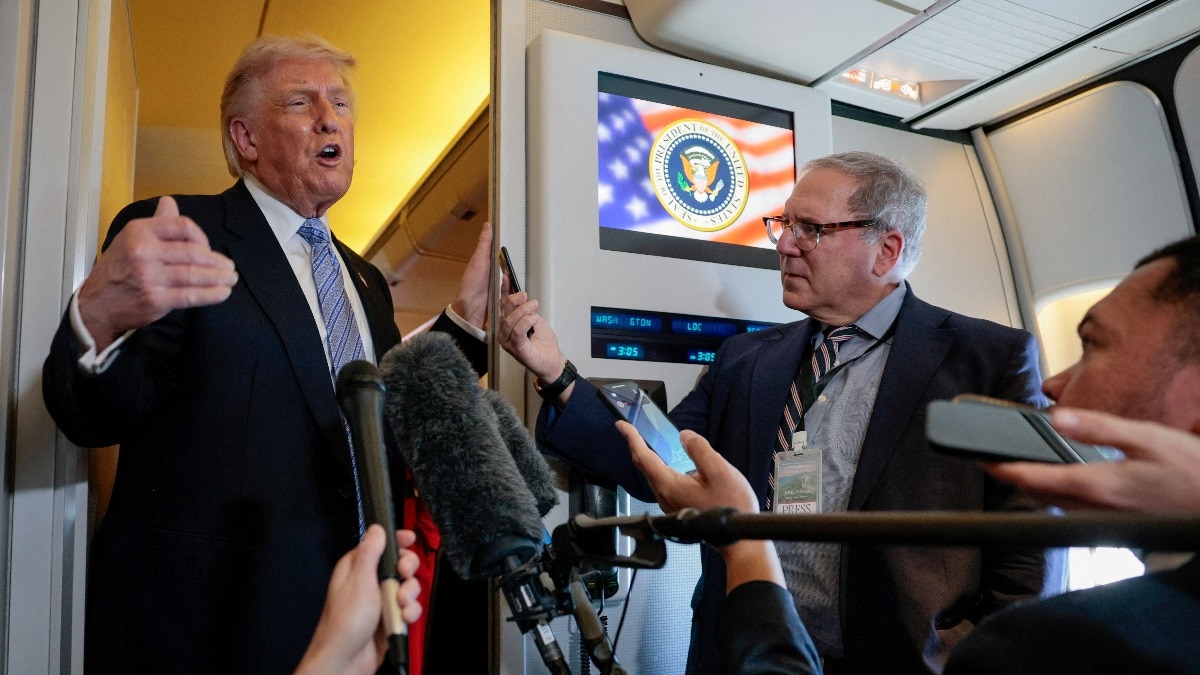
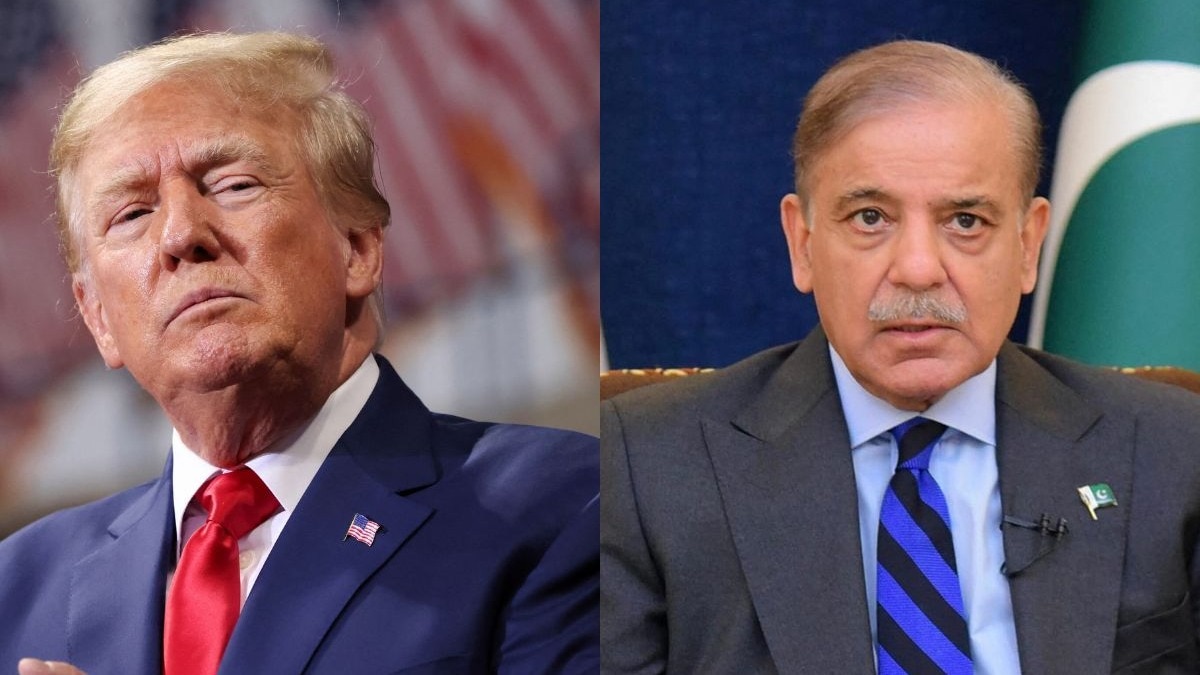
“The one regime was decimated, destroyed, they’re all dead. The next regime is mostly dead,” Trump said aboard Air Force One.
He suggested Iran had moved to a “third regime”, describing the current leadership as “very reasonable”.
“We’re dealing with different people than anybody’s dealt with before,” he said. “It’s a whole different group of people.”
Iran’s former supreme leader Ayatollah Ali Khamenei was killed in the February 28 strike that triggered the war, along with several senior military officials and family members. His son, Mojtaba Khamenei, was chosen earlier this month to succeed him.
THREATS ESCALATE ALONGSIDE DIPLOMACY
Even as talks continue, Trump has stepped up warnings. On Monday, he threatened to destroy Iran’s energy infrastructure if a deal is not reached “shortly”.
He also said the US is engaging with Iran’s parliamentary Speaker Mohammad Bagher Ghalibaf, who recently warned that American troops could be targeted.
Iran has not confirmed whether it is participating in direct negotiations with Washington.
WAR WIDENS ACROSS REGION
The conflict, which began on February 28 with US-Israeli strikes on Iran, has spread across the Middle East, drawing in multiple actors and disrupting global energy flows.
Iran has fired missiles at Israel and targeted Gulf states, while Israel has struck sites in Tehran and positions linked to Hezbollah in Beirut. The Strait of Hormuz remains effectively blocked, raising concerns for global oil supplies.
Meanwhile, US troop deployments in the region have increased, with elements of the 82nd Airborne Division arriving as Washington weighs further options.
- Ends
Published By:
Sonali Verma
Published On:
Mar 31, 2026 08:58 IST
Tune In