 1 hour ago
Despite the heavy economic wounds inflicted by the American-Israeli war against Iran, the Trump administration has offered no meaningful support to one of its oldest partners in Asia.
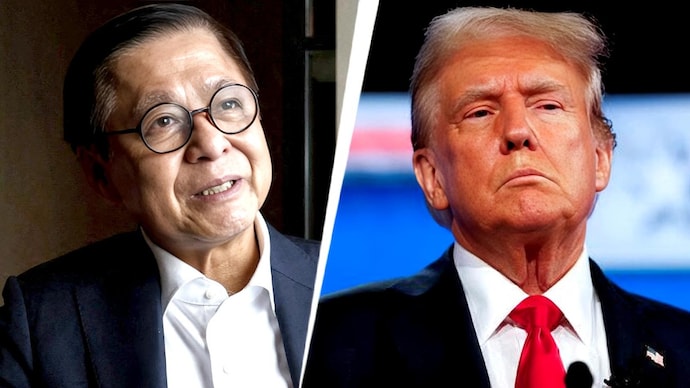
Bangkok is now actively seeking help from Moscow and Beijing to keep its economy afloat. (Photo: Reuters)
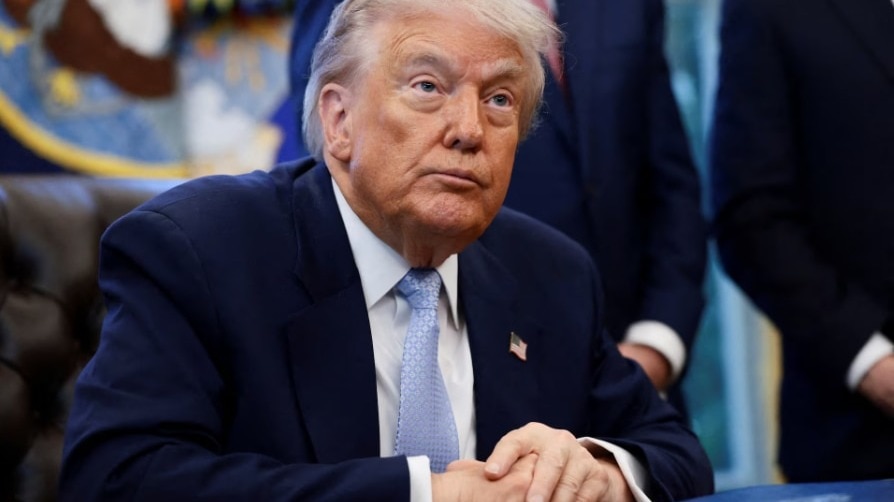
Struggling under the weight of skyrocketing fuel prices and fertiliser shortages triggered by the Iran war, Thailand is doing what any pragmatic nation would: looking for help wherever it can find it. The Donald Trump administration just offered little more than advice to "buy American oil," Bangkok is now reaching out to Washington’s arch rivals, Russia and China.
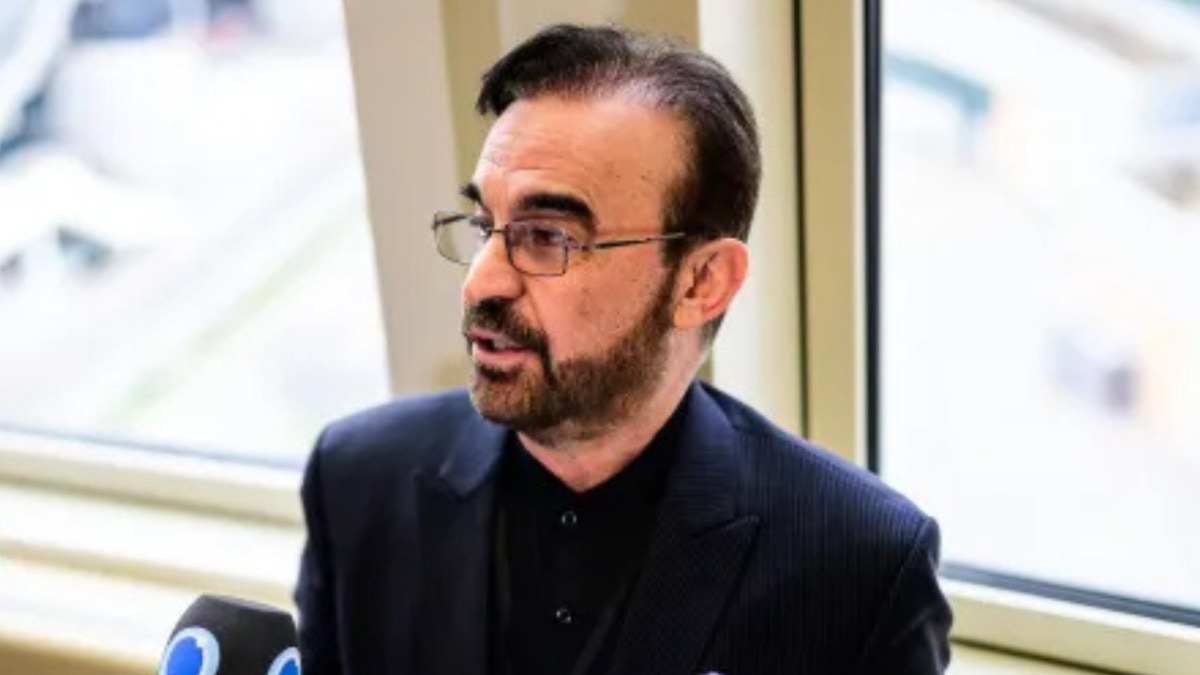
In an interview with The Washington Post, Thai Foreign Minister Sihasak Phuangketkeow laid bare his government’s growing disillusionment: despite the heavy economic wounds inflicted by the American-Israeli war against Iran, the Trump administration has offered no meaningful support to one of its oldest partners in Asia.
Instead of outstretched hands from its traditional ally, Bangkok is now actively seeking help from Moscow and Beijing to keep its economy afloat amid soaring fuel prices, fertiliser shortages, and stranded vessels.
A LONG-STANDING ALLY FEELS OVERLOOKED
Sihasak admitted that the US is likely to recognise the collateral damage inflicted on countries like Thailand, which depends heavily on stable Middle Eastern energy routes. Yet, he noted, there has been no proactive engagement. "They haven’t come out to talk to us about how they can help. They haven’t approached us directly saying, 'Oh, we understand that you have to endure the impact, and we can help you out,'" he told The WaPo.
The sole gesture from the Trump administration, according to the minister, came in the form of a suggestion during a prime-time address: countries facing fuel shortages should simply purchase American oil and gas, with the US President emphasising that the United States has "plenty" to offer. For a nation already under pressure due to soaring global prices and logistical bottlenecks, this advice felt more like a commercial pitch than the supportive hand of an ally.
As the Middle East conflict stretches into its third month, the economic toll across Asia has reached a point few anticipated. While Americans have begun to feel the pinch of higher energy costs at home, the pain has proven far more acute in fuel and fertiliser dependent economies across the region. Hopes for a long-term resolution have faded following the collapse of planned talks in Pakistan.
THAILAND’S VULNERABLE POSITION
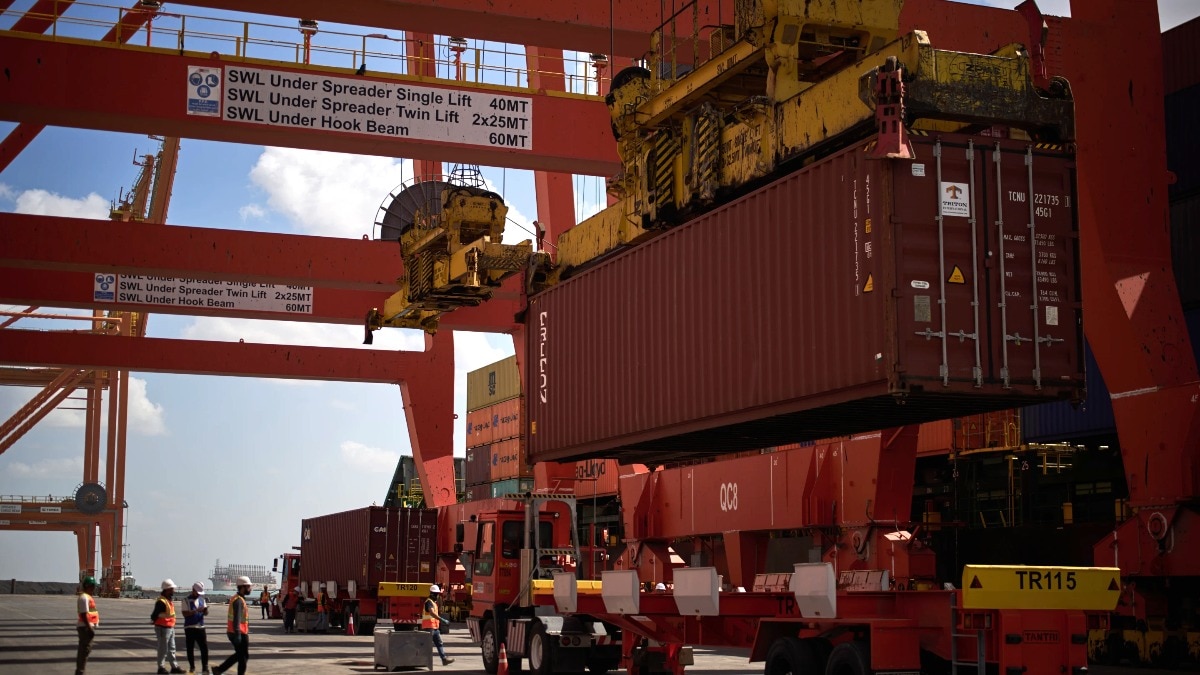
Thailand, home to more than 10 million farmers and a major logistics hub supporting US military operations in Asia, now faces a painful dilemma. Shipments of essential goods have been trapped or delayed amid the turmoil, leaving the country scrambling to secure alternatives at steep premiums. The price of urea fertiliser, which is a lifeline for rice paddies and agricultural fields, has nearly doubled since the war began, according to farmers’ groups. This month, diesel prices surged to a historic high, squeezing everything from transportation to food production.
In a desperate bid to prepare for the upcoming planting season in May, Thailand’s agriculture minister travelled to Moscow to negotiate directly with Russian officials for fertiliser supplies. Bangkok is also exploring options to import Russian crude oil, though Thai banks remain hesitant due to fears of inadvertently violating US sanctions, Sihasak explained.
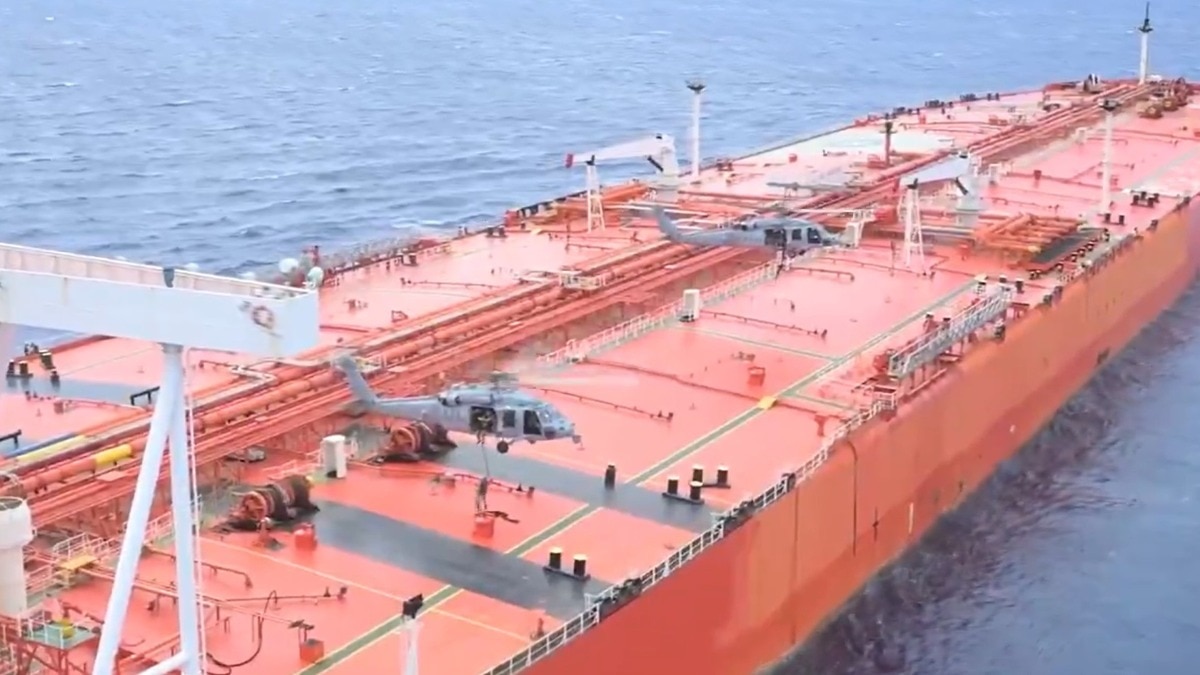
During his meetings in Krabi with Chinese Foreign Minister Wang Yi, Sihasak sought Beijing’s assistance in securing safe passage for eight stranded Thai vessels through the volatile Strait of Hormuz. Wang’s response was telling: China itself is contending with around 70 of its own vessels caught in the same impasse. So far, Chinese authorities have remained largely silent on the exact number.
FRUSTRATION WITH UNPREDICTABILITY OF TRUMP
Sihasak’s assessment of the situation carries a tone of weary realism. "Our position is that this war should not have taken place in the first place," he said. "We don’t want to condemn the US directly. But this is something that should not have started." He expressed particular concern over the shifting objectives emanating from Washington, which has swung from apparent regime change ambitions to a narrower focus on dismantling Iran’s nuclear capabilities. "There’s a lot of unpredictability in US government policy," the minister observed.
This sense of flux extends beyond the conflict itself. Trump’s aggressive tariff policies and the scaling back of US aid programs have left many traditional partners, including developing nations, feeling exposed to new risks ranging from economic instability to public health challenges. In contrast, the Thai Foreign Minister suggested, China has positioned itself as a more predictable actor in the region, even as it pursues its own core interests assertively.
The human cost of the impasse became tragically clear in March when a Thai-flagged bulk carrier, the Mayuree Naree, was struck by Iranian missiles while attempting to navigate the strait. Three Thai crew members lost their lives, with another 20 rescued. The ship’s operator maintained that proper clearance had been obtained, a claim disputed by Iranian authorities.
Ship traffic through the strait saw a modest uptick after a brief mid-April ceasefire understanding, only to start a renewed blockade from both sides.
What Thailand is facing mirrors a bigger trend across Asia. Governments that once managed careful ties with global powers are now being pushed to take difficult decisions due to urgency rather than long-term planning. For a country with deep US security links, the lack of a strong response from Washington is hard to ignore.
- Ends
Published By:
Satyam Singh
Published On:
Apr 28, 2026 22:50 IST