1 month ago
Taiwan has proposed a record defence budget for next year as China intensifies military pressure. The move underlines Taipei's push to strengthen deterrence as political and security strains deepen.

Stock photo used for illustration

Taipei,UPDATED: Aug 20, 2026 18:16 IST
Taiwan on Thursday proposed a record defence budget of 1.12 trillion Taiwan dollars (USD 35 billion) for next year, in a sign of stronger efforts to deter military threats from China. If approved, the budget would take defence spending to more than 3 per cent of Taiwan's estimated gross domestic product.
The proposed outlay comes as China has increased military and political pressure on Taiwan in recent years while maintaining that the island is part of its sovereignty. China regularly sends military aircraft, coast guard ships and other vessels towards Taiwan, carries out large-scale military exercises from time to time, and has not ruled out the use of force to bring the island under its control.
According to a government statement, the planned defence budget would be 18 per cent higher than last year's proposed budget. Taiwan's wider spending plans, including defence, will be sent to the opposition-controlled legislature for review before late August, though the process may not be smooth.
Taiwan's Central News Agency reported that the legislature passed the central government's 2026 budget only last Friday after a record delay of 266 days. President Lai Ching-te had earlier pledged to raise defence spending to 5 per cent of the island's GDP by 2030. On Monday, Lai said next year's defence budget would cross 1 trillion Taiwan dollars for the first time, adding that investing in national defence is an investment in peace.
Earlier this month, Taiwan stepped up the intensity of its annual Han Kuang drills, which are meant to model a response to a possible Chinese military invasion. The exercises included reservists and more civilians, with a focus on real-world scenarios. Mobile internet in parts of Taiwan was briefly slowed to text-only speed. Earlier urban resilience drills in Taipei had largely gone unnoticed because they were not disruptive.
The United States has called on Taiwan to increase its defence spending. While Washington does not have formal diplomatic ties with Taiwan, it maintains extensive unofficial relations and is required under US law to provide Taiwan with the means to defend itself. Under that framework, the US has long been Taiwan's main informal backer and arms supplier, a relationship that has created tensions with Beijing.
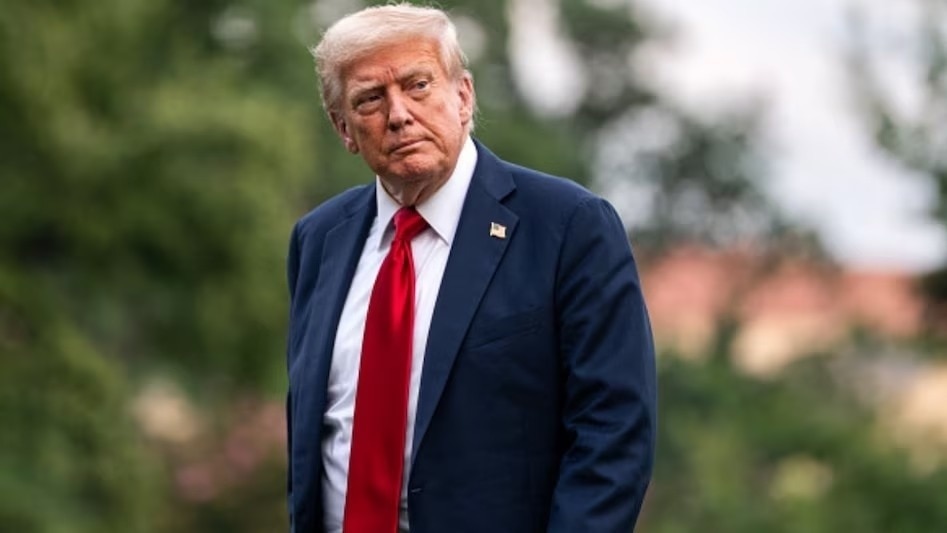
When US President Donald Trump visited Beijing in May, Chinese President Xi Jinping warned him that the two countries could clash over Taiwan if the issue was not handled properly. After Trump's trip to Beijing, he said arms sales to Taiwan were a "very good negotiating chip" with China, remarks that stirred anxiety on the island.
China and Taiwan have been governed separately since 1949, when the Communist Party came to power in Beijing after a civil war and defeated ist Party forces fled to Taiwan. Taiwan has since operated with its own government, and its latest defence budget proposal reflects its effort to strengthen preparedness amid continuing pressure from China.
With PTI Inputs
- Ends
Published By:
India Today Web Desk
Published On:
Aug 20, 2026 18:16 IST