 1 month ago
Last Updated:January 15, 2026, 18:22 IST
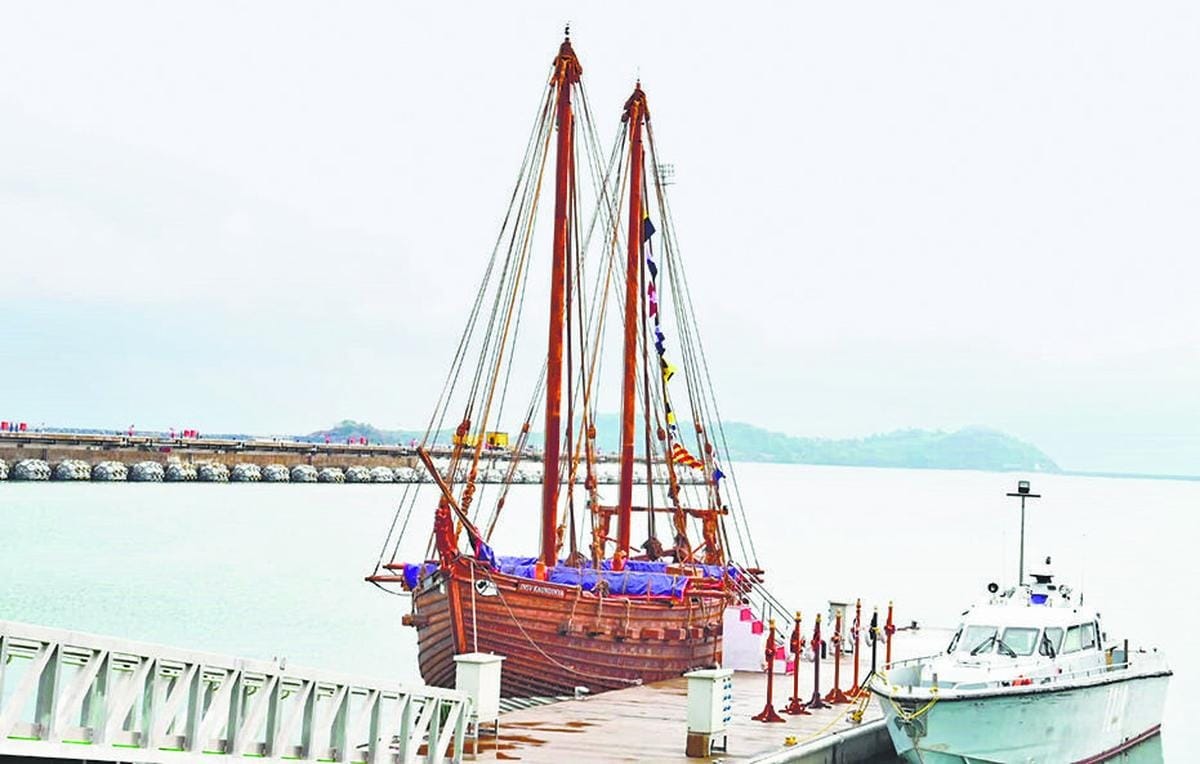
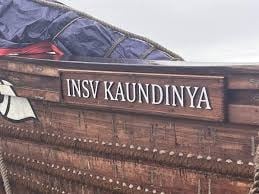
INSV Kaundinya was made using wooden planks, coconut coir rope, natural fibre and resin.
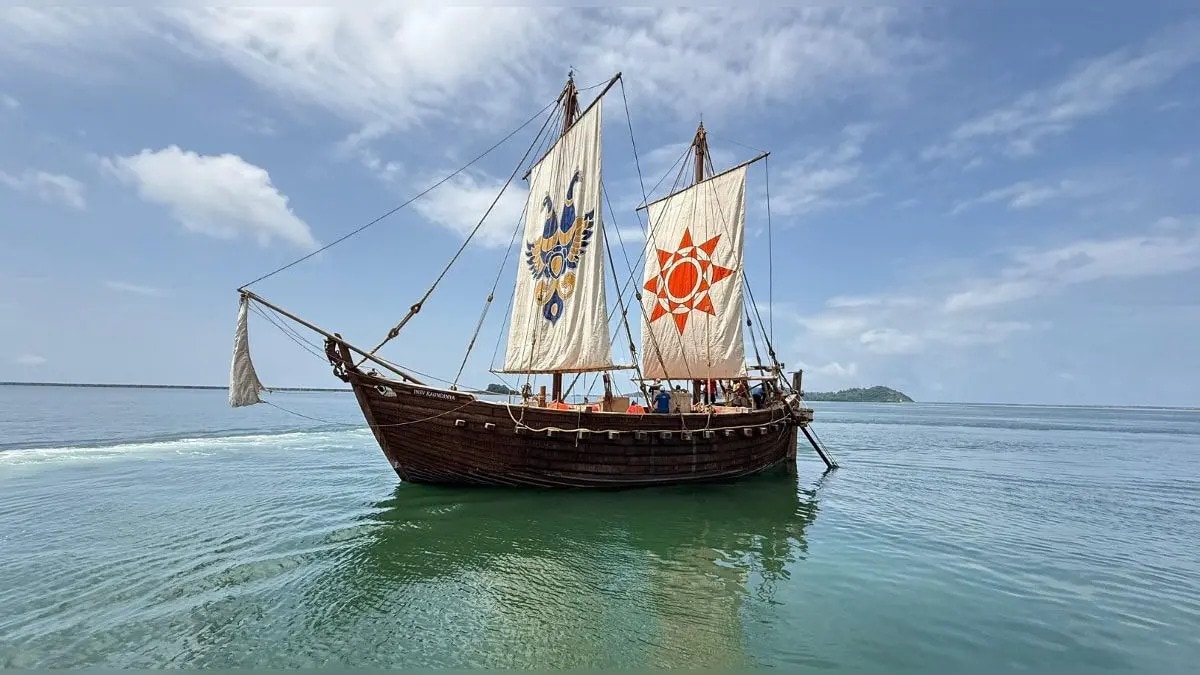
The INSV Kaundinya, a hand-stitched wooden sailing vessel of the Indian Navy, arrived in Oman on Wednesday, January 14, after completing 17 days at sea. The ship received a water salute after completing its maiden voyage from Porbandar, Gujarat, to the Port Sultan Qaboos in Muscat. The achievement of the ship is significant in several respects, and it revives old shipbuilding traditions once used by Indian mariners.
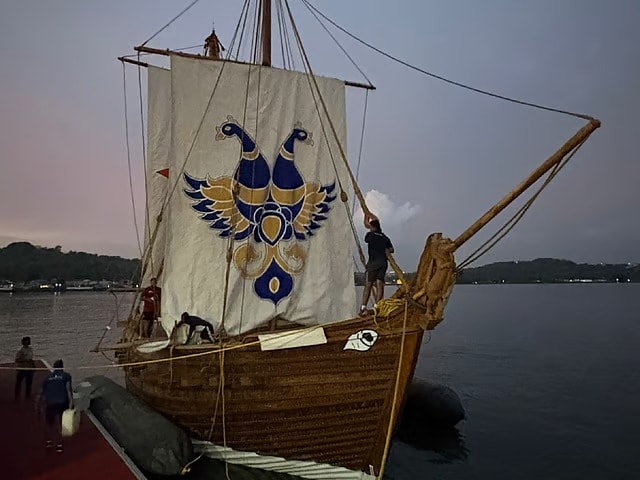
The INSV Kaundinya was made using coconut coir rope, wooden planks, natural fibre and resin. The materials were stitched together by hand and sealed with natural resin. There is no engine in the vessel. The INSV Kaundinya uses square sails, helped by favourable winds, to sail. The vessel revives a 2,000-year-old shipbuilding tradition wherein Indian mariners once navigated the Indian Ocean with the help of monsoon winds and knowledge of the stars.
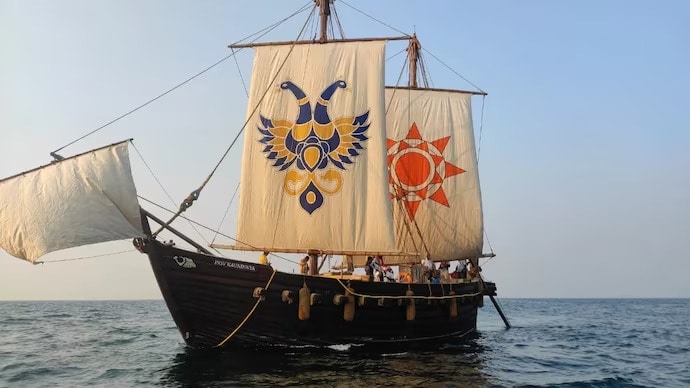
There are no nails or metal fastenings in the vessel. This method of shipbuilding was once common across the Indian Ocean region. The design is inspired by a fifth-century Ajanta mural, which is believed to be one of the few visual records of early Indian seafaring. Naval architects relied on historical references and iconography in the absence of any blueprints from the period to recreate the ship.
The INSV Kaundinya reflects the country’s ancient maritime connections across the Indian Ocean. The vessel is named after Kaundinya, a legendary mariner who sailed across the ocean to South East Asia, as per the BBC. The project was started in July 2023 after a tripartite agreement was signed between the Indian Navy, the Ministry of Culture and M/s Hodi Innovations.
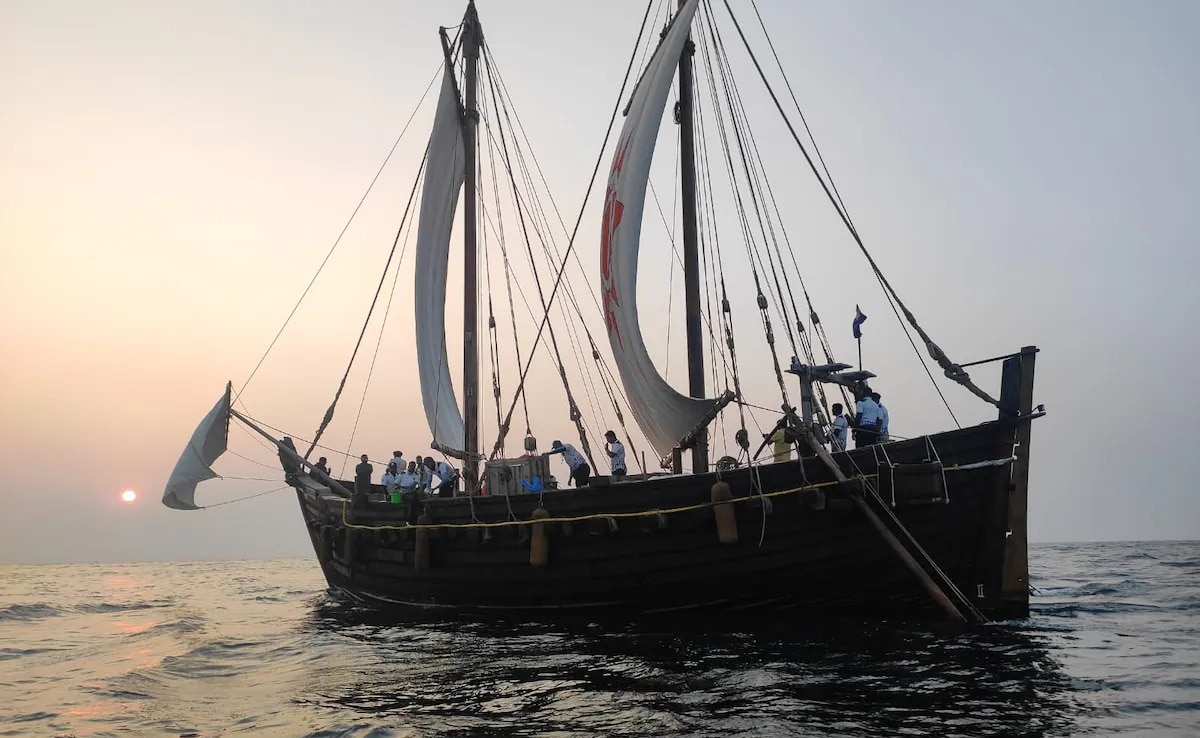
The Ministry of Culture provided the funding for the vessel. The construction of the INSV Kaundinya was undertaken by a team of skilled artisans from Kerala, who were led by master shipwright Shri Babu Sankaran. The team deployed a traditional method of stitching to attach wooden planks on the ship’s hull using coconut fibre, coir rope and natural resin. The ship was launched in Goa in February 2025.
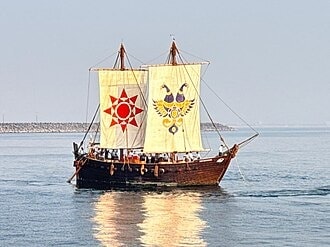
The ship’s sails display motifs of the Gandabherunda, a mythical two-headed bird which represents the Hindu god Vishnu, and the sun. The bow construction of the INSV Kaundinya bears a sculpted Simha Yali, which is a mythical creature from South Indian folklore. The deck is adorned by a symbolic Harappan-style stone anchor. Each element is a sign of ancient India’s rich maritime heritage.
The Indian Navy played a pivotal role in overseeing the design, technical validation and construction of the vessel. The Navy collaborated with the shipbuilder to recreate the traditional rigging and hull form. The design was validated through hydrodynamic model testing at the Department of Ocean Engineering of IIT-Madras as well as internal technical assessment, the Navy’s official website said.
The voyage route was earlier highlighted by India and Oman during Prime Minister Narendra Modi’s visit to Muscat in December 2025. Both countries described the ship as a symbol of their shared maritime traditions. A memorandum of understanding on maritime heritage and museums was also welcomed by both nations to enable cooperation via joint exhibitions and research.
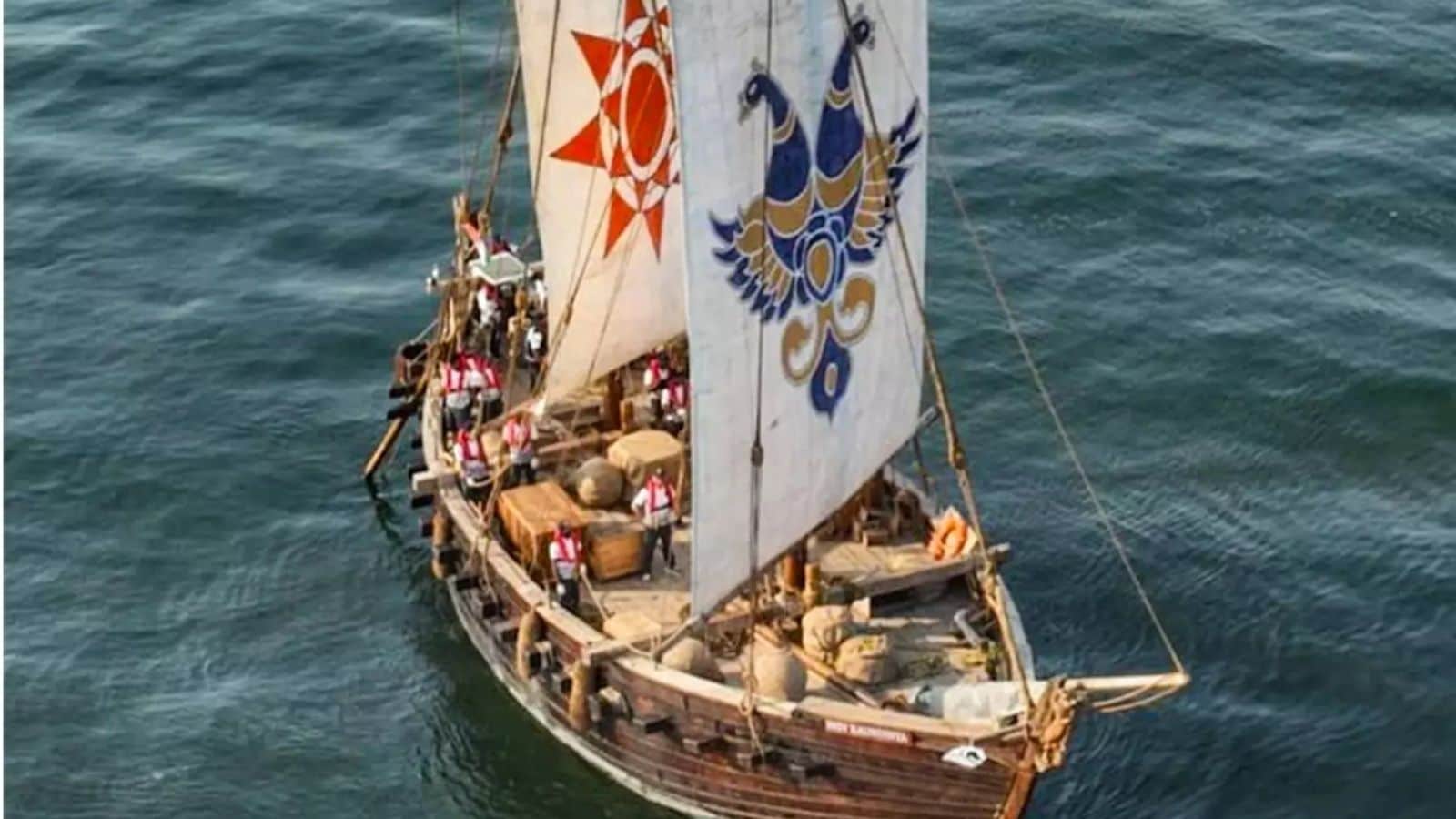
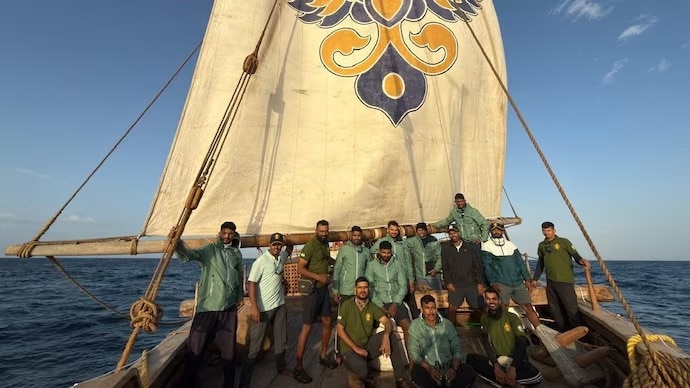
In May 2025, the INSV Kaundinya was inducted into the Indian Navy. It is skippered by Commander Vikas Sheoran. A 16-member crew, including economist Sanjeev Sanyal. Sanyal, a member of the Prime Minister's Economic Advisory Council, shared regular updates about the voyage on social media. The ship left Porbandar on December 29 and retraced an almost 1,400 km-long ancient sea route to reach Oman.

Commander Hemant Kumar spoke to reporters in Oman and described the journey as "exhilarating" and "adventurous". According to the BBC, the 17-day voyage was challenging as there was no air conditioning or proper beds. The crew also suffered bouts of seasickness. He added that the crew was glad to be back on land. It is not known when the return voyage to India will start.
News Photogallery viral Stitched By Hand, Powered By Wind: How Indian Navy’s Wooden Ship Recreated 5th-Century Voyage