1 month ago
Last Updated:February 05, 2026, 20:33 IST
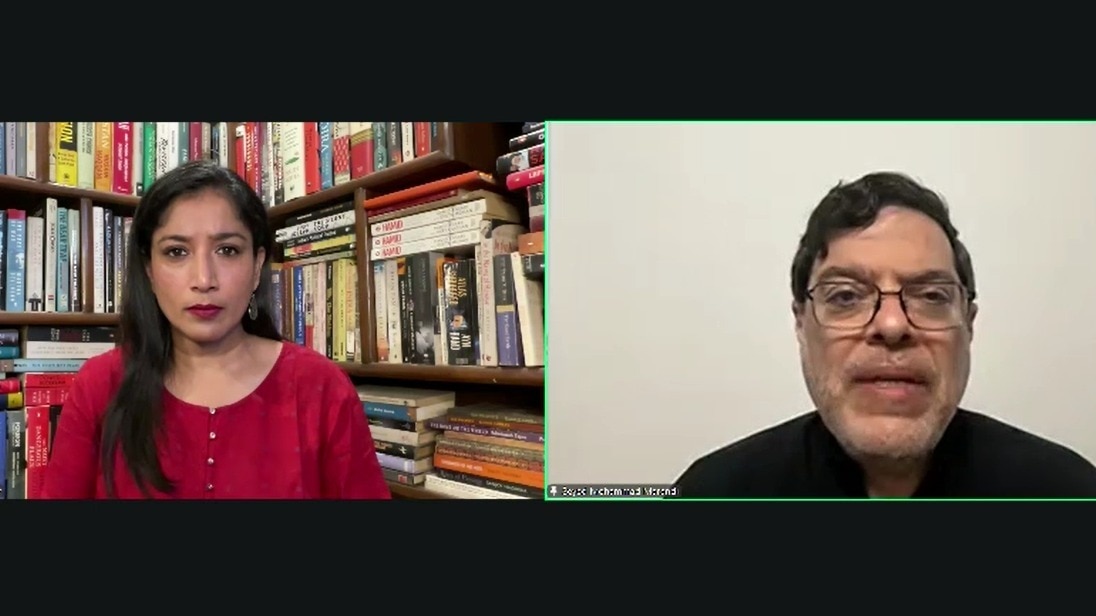
During the interview, Antonio Ledezma discussed how US support was essential, stressing that Venezuela could not have done this alone

Captured Venezuelan President Nicolas Maduro is escorted, as he heads towards the Daniel Patrick Manhattan United States Courthouse for an initial appearance to face U.S. federal charges at Downtown Manhattan Heliport, in New York City, US. (File pic: Reuters)
The capture of Nicolás Maduro has sent shockwaves through Venezuela and far beyond, raising urgent questions about justice, sovereignty, and the country’s path forward. However, for Antonio Ledezma, former mayor of Caracas and a leading opposition figure now living in exile in Spain, this moment marks more than the fall of a man. Arrested on what rights groups called fabricated charges and forced to flee the country, Ledezma has long argued that Maduro presided over a criminal regime sustained by repression and fear.
In this interview with CNN-News18, he speaks candidly about Maduro’s arrest, the role of the United States, the emotions coursing through Venezuela’s streets, and whether this dramatic turn can finally open the door to democracy after years of political crisis.
Edited excerpts from the interview:
The capture of Nicolás Maduro has shocked the world. Do you see this as justice served or a dangerous precedent for Venezuela’s future?
Let’s be absolutely clear. Maduro was not a ‘head of state’ because he lacked any legitimacy at the source. He was a convicted and self-admitted usurper. His capture should, therefore, not be seen as an act of revenge, nor as the move of an empire. It is a step towards justice and freedom, towards making Venezuela free again.
It was Hugo Chávez (former President) and Maduro who handed over Venezuelan territory to narco-guerrilla groups, Hezbollah operatives, and foreign actors from Cuba, Iran, and Russia. That was the real assault on Venezuela’s sovereignty.
So, this is part of a broader process to begin ending the usurpation of power by the mafia that Maduro led, and to close a dark chapter of repression and systematic human rights abuses. At its core, this is about justice for the regime’s victims. It is not, in any way, a dangerous precedent for my country. On the contrary, it is a moment that allows Venezuela to make a quantum leap toward a more hopeful future.
What are ordinary Venezuelans feeling right now: relief, fear, hope, or deep uncertainty?
A decisive step has been taken to free Venezuela from its dictator, as Venezuelans have always sought a peaceful solution, including through elections. Despite overwhelming disadvantages, citizens committed themselves to an electoral path, fully aware of the abuses carried out by a regime that controls every state institution, effectively turning the country into a terrorist state.
María Corina Machado was barred from running, yet we rallied behind a unified candidacy with Edmundo González, and we won. We defeated them. María Corina and Edmundo offered a non-traumatic exit, a way forward without violence. Instead, the regime stole the sovereign mandate handed down by millions of voters.
That is why seeing this mafia decapitated brings a sense of relief to Venezuelans who marched, held vigils, organised civic strikes, referendums, plebiscites, dialogues, and endured countless sacrifices, including imprisonment, brutality, and even the loss of life. Venezuelans have turned fear into fuel, drawing strength from it to remain standing and continue the fight without breaking. We have never lost hope. That is why we now see clear horizons ahead, not uncertainty or darkness.
What do you believe was the real motivation behind Washington’s decision—was it because of Maduro’s criminal record, Venezuela’s oil wealth?
Maduro was tied to drug trafficking and to surrendering Venezuelan territory to networks linked to international terrorism. His capture was therefore necessary, not just to confront those threats, but to protect the security of the entire hemisphere, not only the United States.
This was never a sudden move. It came after years of mounting pressure on what was widely described as an illegitimate and criminal regime. Maduro and his allies insisted it was all driven by the ‘economic motives of an empire.’ But the record tells a different story.
What led to this moment was a long deterioration in relations and escalating sanctions across multiple US administrations, from the Clinton list to actions under Presidents Bush, Obama, and Biden, including rewards for Maduro’s capture and formal designations of the regime as a threat. That points to a convergence of political, security, and ideological reasons, not a single motive.
And on oil, the vision has always come from Venezuela’s legitimate leadership, María Corina Machado and Edmundo González. Their Plan Tierra de Gracia aims to turn Venezuela into the energy hub of the Americas. What the country needs is the return of major global oil companies, serious investment, responsible development of its resources, and fair payment for what it produces.
Reports suggest there were backchannel conversations between US officials and figures close to Delcy Rodríguez ahead of Maduro’s capture. If true, does that amount to regime change being negotiated behind closed doors?
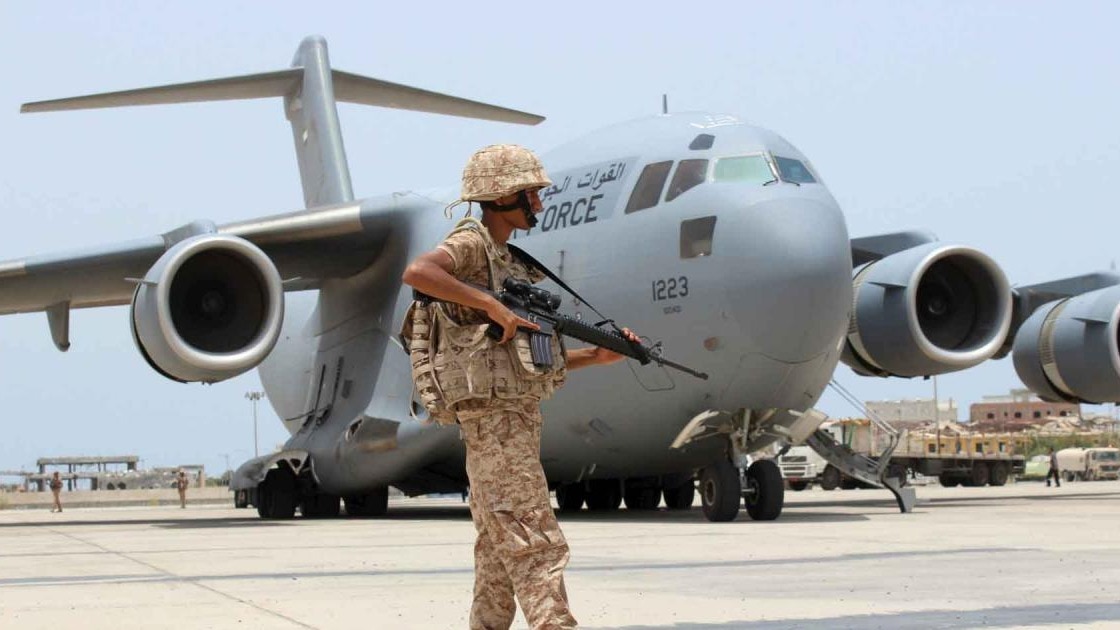
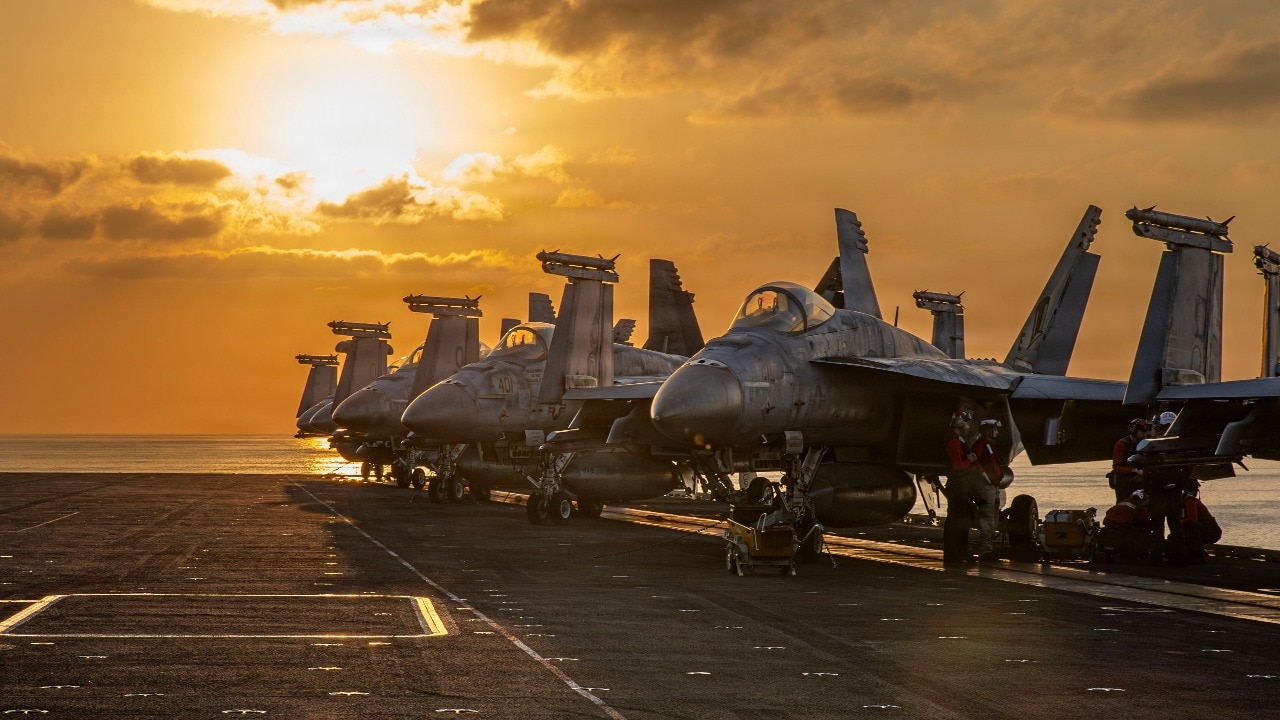
What the world saw was a sweeping counternarcotics dragnet along Venezuela’s coast. A naval force operating in the Caribbean for months, complete with aircraft carriers, submarines, helicopters, and thousands of troops. Alongside it came the pressure campaign I mentioned earlier: a 50-million-dollar bounty on Nicolás Maduro and sanctions imposed by the European Union and governments across the Americas, led by the United States.
In that context, it is only logical that a storm of suspicion has erupted over alleged betrayals from within the regime itself. What remains of the dictatorship is now consumed by mistrust. No one trusts anyone. Figures like Diosdado Cabello (Interior Minister) and Vladimir Padrino López (Defence Minister) fear they could be next, sensing that any one of them could become the target of a future extraction operation.
So, what happens next on the ground—who governs Venezuela tomorrow?
The real power now lies with the country’s legitimate leaders. I’m referring to María Corina Machado and Edmundo González. At this point, Delcy Rodríguez (Interim Vice President) functions as little more than a residual agent of a dictatorship that is rapidly fading, day by day.
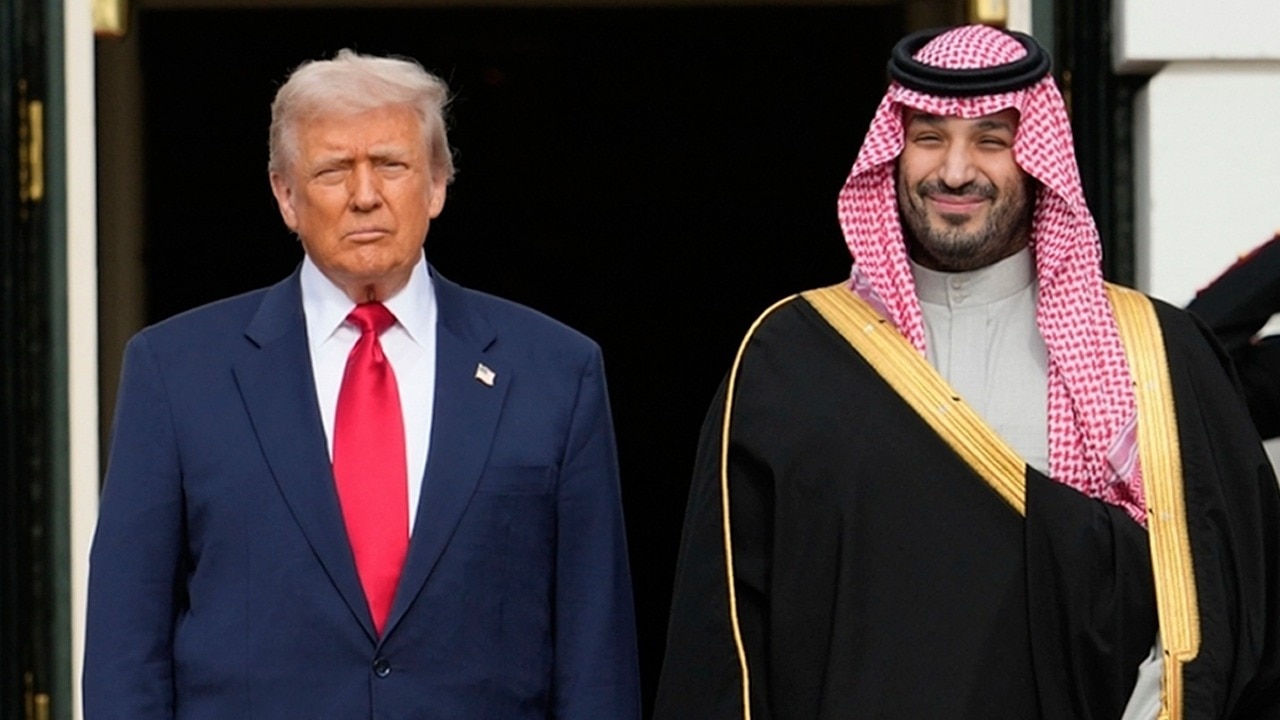
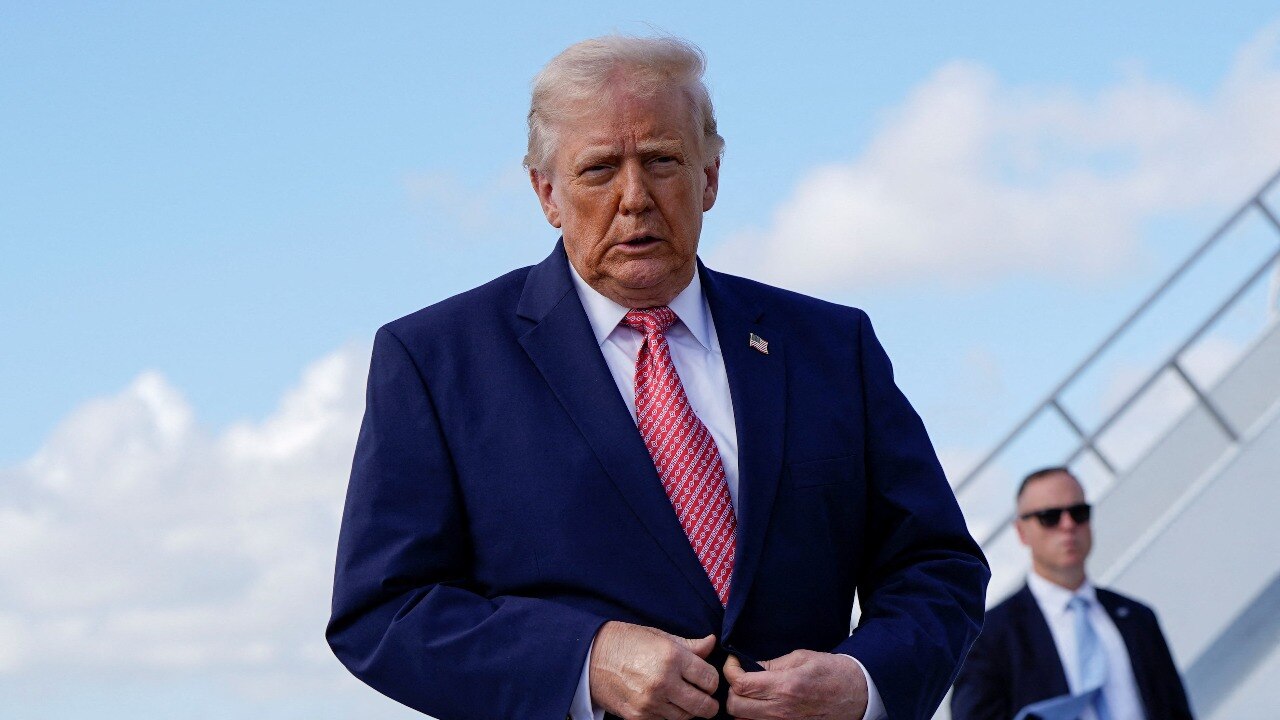
President Trump has now declared himself the acting president of Venezuela. How dangerous or realistic is that claim in practical terms?
What was truly dangerous was Maduro remaining in the usurped seat of power. What is lethal in real terms is the criminal enterprise he led, one that promotes armed gangs, enables drug cartels, and finances terrorism. The reality is that President Donald Trump understands the democratic tradition of our people, the dignity with which previous generations fought, and a libertarian legacy that is more alive today than ever. But the flattery and excessive praise coming from Delcy Rodríguez are what fuel these verbal games by President Trump.
María Corina Machado recently visited the US to present the Nobel Peace Prize to President Trump. How was that moment perceived by Venezuelans back home?
First, citizens, guided by the leadership of the resistance movement, showed a willingness to unite around a shared strategy. We understood that divided and uncertain about legitimate leadership, there was no way forward.
Second, we set aside false pride and acknowledged a hard truth: we could not do this alone. Support from the international community was essential. And while many hesitated or looked the other way, we received the backing of President Donald Trump. That is the reason behind the gratitude symbolised by the medal María Corina presented to him, the Nobel Peace Prize at the White House.
Speaking of your personal experience: You were arrested on what international rights groups called fabricated charges, placed under house arrest, and eventually forced to flee Venezuela into exile. Looking back today, do you feel justice has finally been served — or does true justice for Venezuela still remain unfinished?
Justice will be done only when every Venezuelan regains full freedom. Justice will be real when the harm inflicted on thousands of people who were arbitrarily detained, tortured, or killed is finally repaired. Justice will be done when millions of torn-apart families are reunited and when the prisons that symbolised repression are shut down for good.
My commitment, and that of millions of Venezuelans, remains unfinished. Because returning to democracy means rebuilding truly independent institutions. It means restoring the separation of powers. It means never again speaking of political prisoners, never again silencing free expression, never again violating private property. And it means ensuring that Venezuela ceases to be a sanctuary for drug traffickers, terrorists, and criminal gangs.
Your case mirrors what happened to other opposition figures like Leopoldo López. Was the justice system under Maduro ever independent, or was it systematically used as a weapon to silence political opponents?
The judicial system was reduced to a gallows, a scaffold used to crush anyone who dared dissent from the dictatorship. Hugo Chávez marked a backward leap for Venezuela and set a dangerous example for Latin America.
Under populism, there is no justice, only retaliation. Judges, magistrates, and prosecutors become executioners and political enforcers, willing to fabricate cases, free the guilty, and convict the innocent.
After years in exile, watching your country from afar, what has been the hardest part—losing your freedom, your homeland, or seeing Venezuela itself unravel?
The hardest part is living with the pain of an absent homeland. It’s a feeling that shakes you to the core, like a burning volcano erupting inside your chest, born of an overwhelming nostalgia for the country you love.
That is why I kept fighting, because I never surrendered to the abuses of that tyranny. I never believed Venezuela was collapsing beyond repair or reaching its end. I know we have natural resources and, above all, human talent. We have what it takes to rebuild the country, even from its own ashes.
Handpicked stories, in your inbox
A newsletter with the best of our journalism
First Published:
February 05, 2026, 20:33 IST
News world 'Seeing Mafia Maduro Decapitated Brings Relief To Venezuelans': Caracas Ex-Mayor | Exclusive
Disclaimer: Comments reflect users’ views, not News18’s. Please keep discussions respectful and constructive. Abusive, defamatory, or illegal comments will be removed. News18 may disable any comment at its discretion. By posting, you agree to our Terms of Use and Privacy Policy.
Read More