2 hours ago
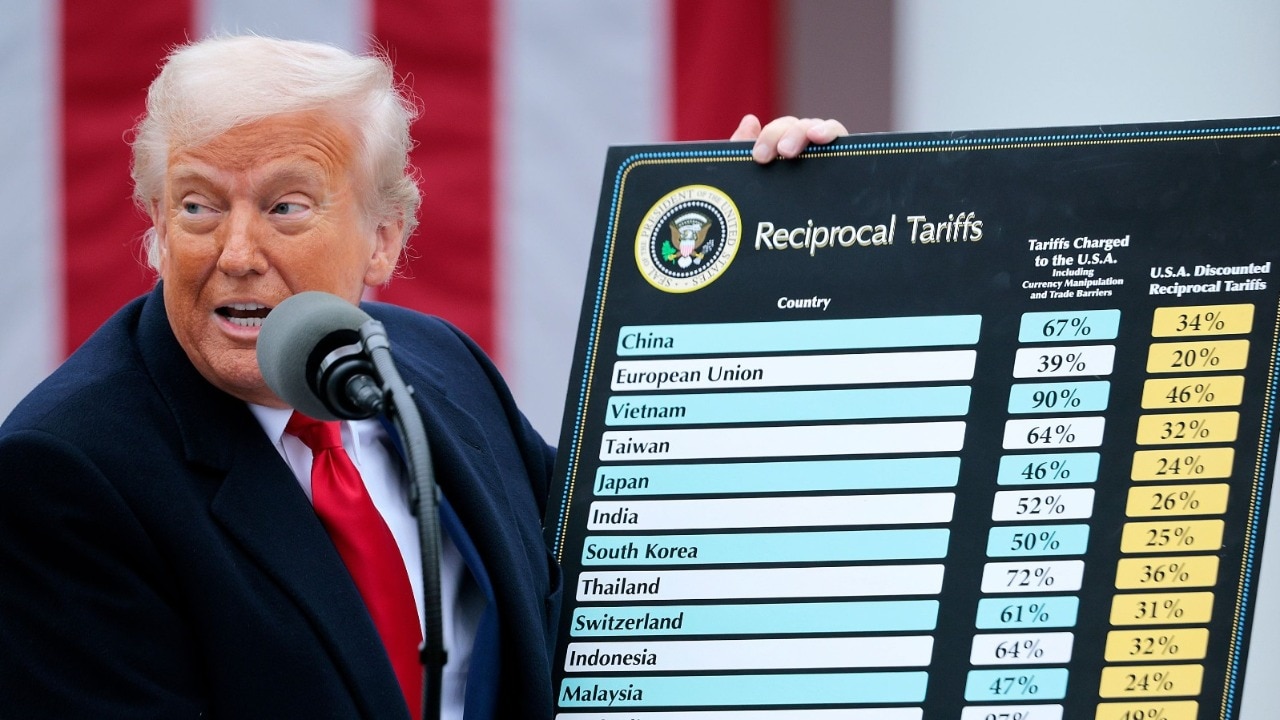
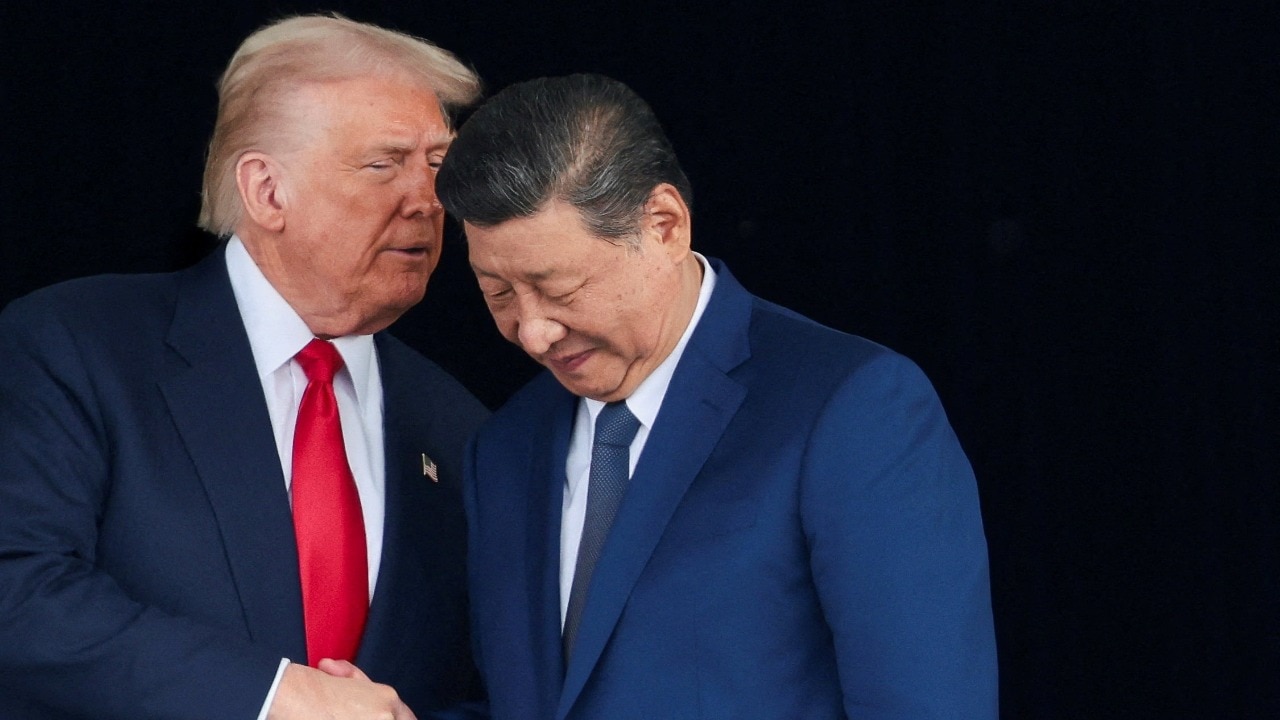
After the Supreme Court blocked his emergency tariffs, Trump moved to impose a 10% global duty under Section 122 and signaled broader trade action through Sections 301 and 232.
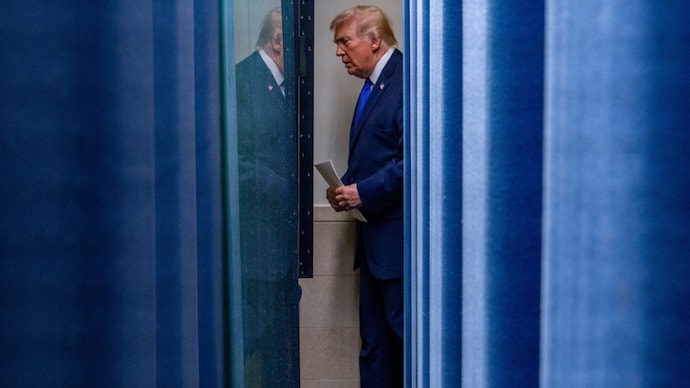
US President Donald Trump

UPDATED: Feb 21, 2026 05:42 IST
After the Supreme Court struck down his sweeping global tariffs, President Donald Trump made clear he is not backing away from his trade agenda.
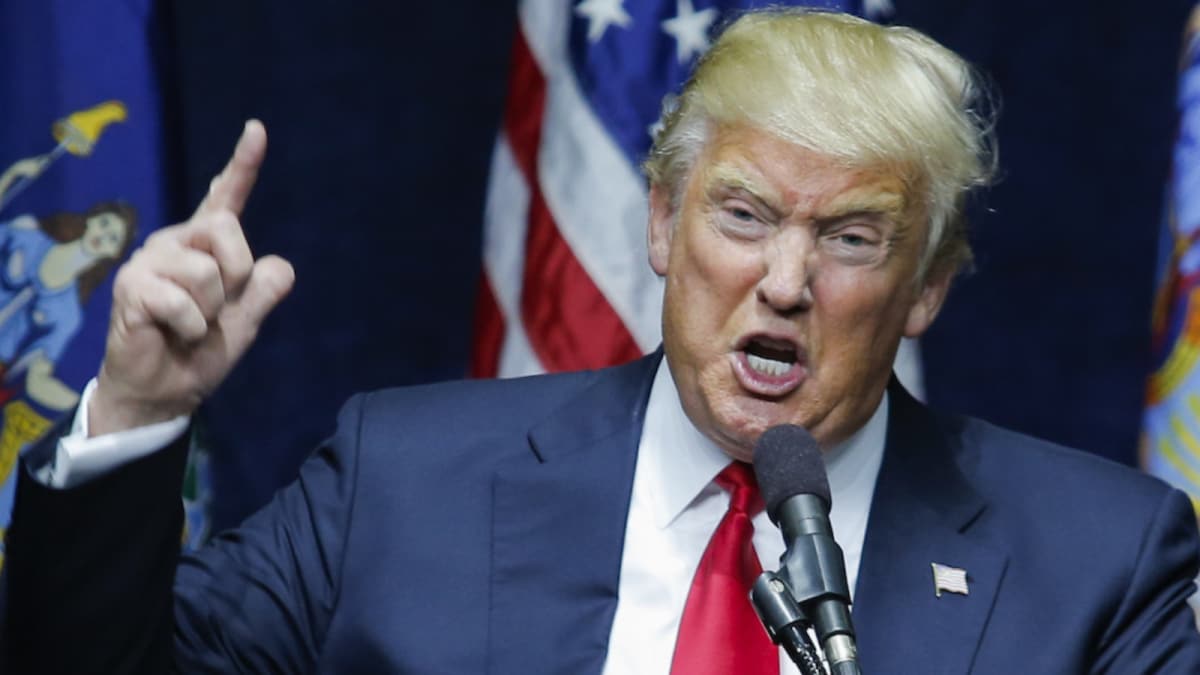
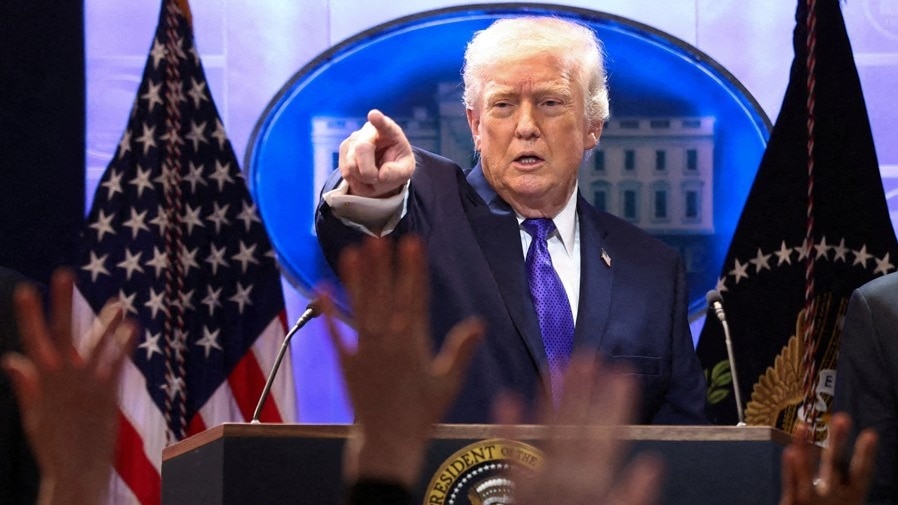
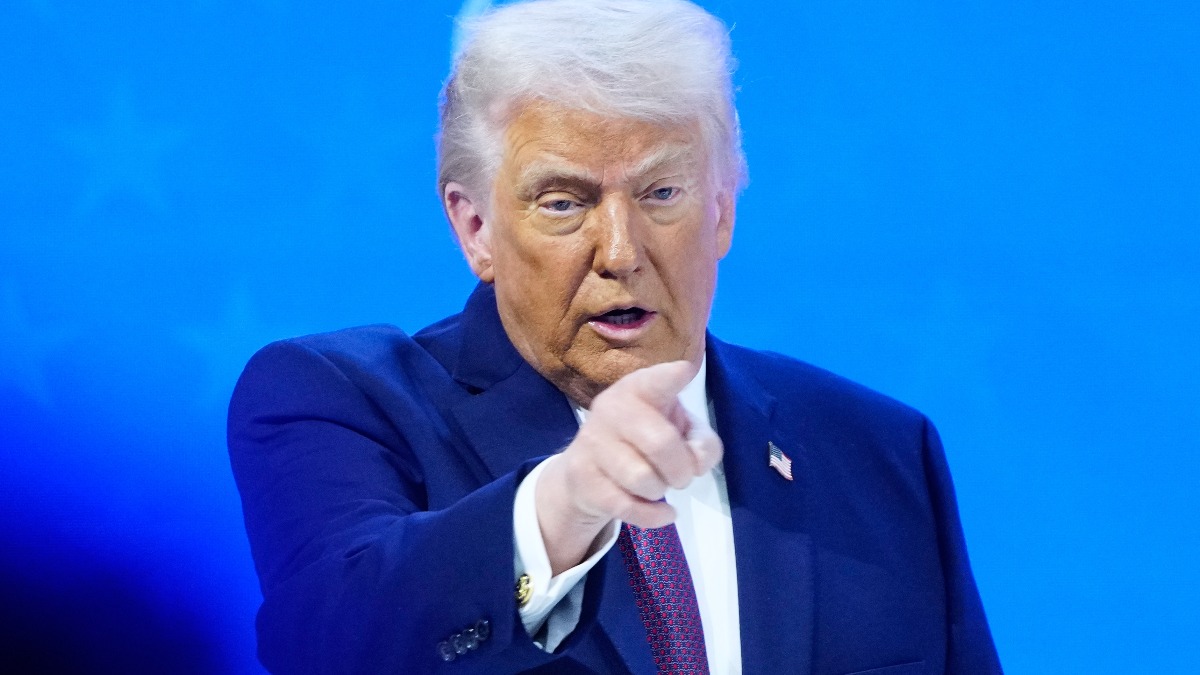
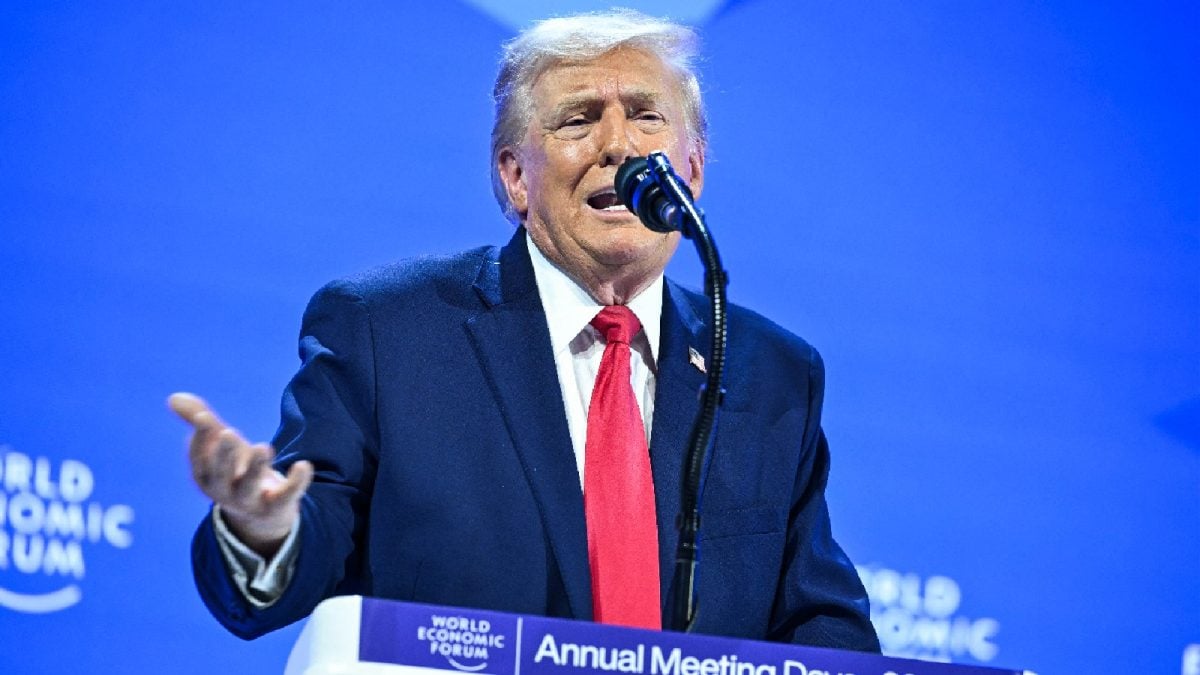
“Today I will sign an order to impose a 10% global tariff under Section 122 over and above our normal tariffs already being charged,” Trump said at a press conference, hours after the court ruled he had exceeded his authority under the Emergency Economic Powers Act (IEEPA).
While the decision curbs one of Trump’s most aggressive legal strategies, it does not eliminate his ability to impose tariffs. Several other statutes remain available — some faster, some more limited, and some potentially riskier.
Here’s a breakdown of the key sections.
SECTION 122: FAST BUT TEMPORARY
Section 122 of the Trade Act of 1974 allows a president to impose tariffs of up to 15% for a maximum of 150 days to address what the law calls large and serious United States balance-of-payments deficits — in simple terms, when imports far exceed exports.
Unlike other trade laws, Section 122 does not require lengthy investigations before tariffs take effect. That makes it a quick-response tool.
However, it comes with limits. Any tariff under Section 122 cannot exceed 15% and cannot last beyond 150 days unless Congress approves an extension.
Trump said he would immediately use this authority to impose a 10% global tariff.
SECTION 301: TARGETING UNFAIR TRADE PRACTICES
Section 301 of the same 1974 law allows the US Trade Representative (USTR) to investigate foreign countries for trade practices deemed “unjustifiable” or discriminatory toward US businesses.
If violations are found, tariffs can be imposed.
Trump relied heavily on Section 301 during his first term to place tariffs on Chinese goods. Those measures survived multiple legal challenges.
But Section 301 is slower. It requires a formal investigation — often taking months — before duties can be enacted.
Trump acknowledged this route on Friday.
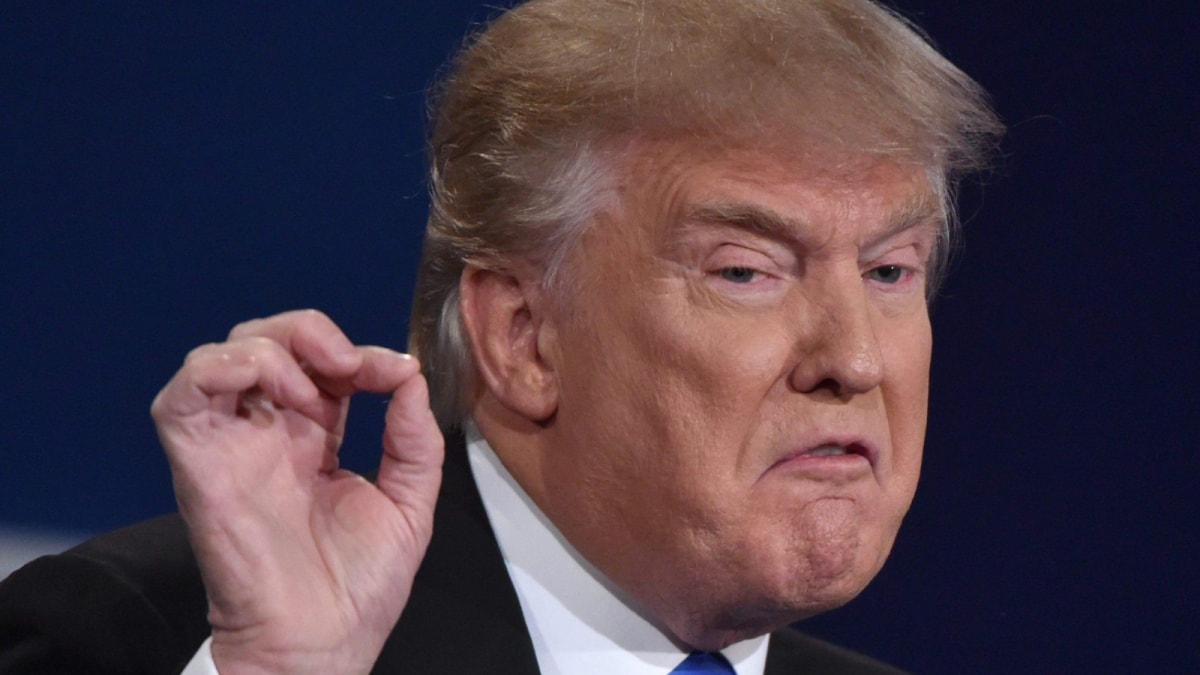
“I’m initiating several Section 301, and other investigations, to protect our country from unfair trading practices of other countries and companies,” he said.
SECTION 232: NATIONAL SECURITY TARIFFS
Another tool is Section 232 of the Trade Expansion Act of 1962. It allows the president to impose tariffs on national security grounds after an investigation by the Commerce Department.
Trump used Section 232 in his first term to impose tariffs on steel and aluminium. More recently, it has been applied to autos, copper and other sectors.
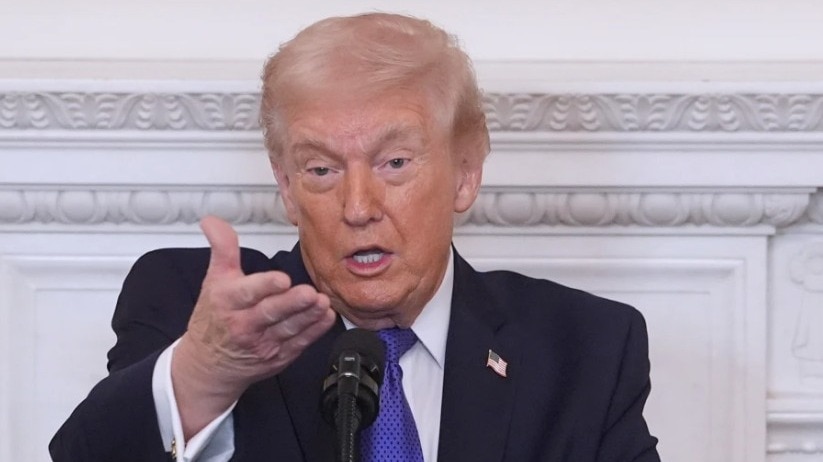
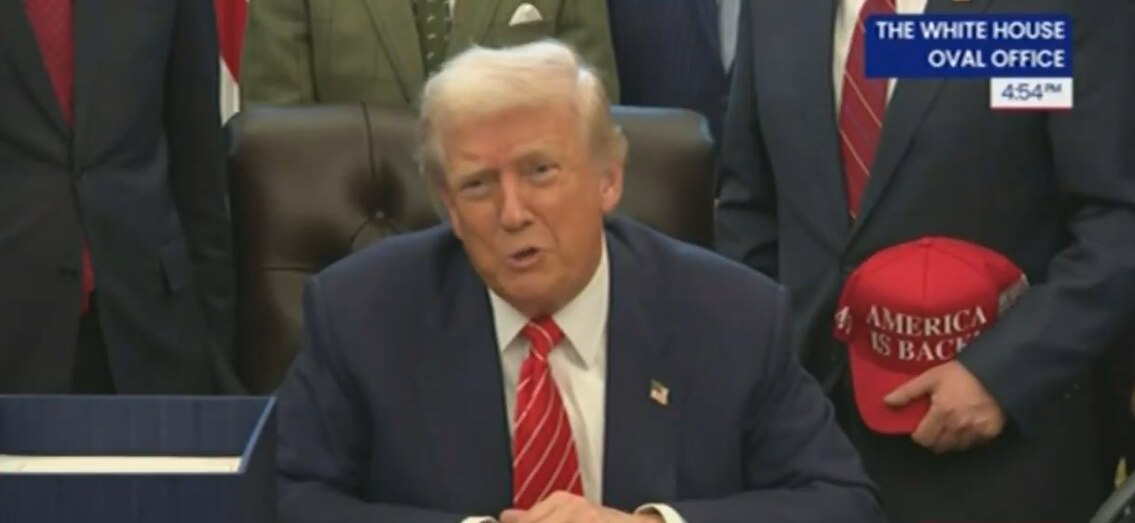
“Effective immediately, all national security tariffs under Section 232, and existing Section 301 tariffs — they’re existing, they’re there — remain in place, fully in place, and in full force and effect,” Trump said Friday.
SECTION 338: A RARELY USED OPTION
Section 338 of the Tariff Act of 1930 is another potential tool. It allows tariffs of up to 50% on countries believed to discriminate against US commerce.
No president has ever used it. Legal experts warn it could conflict with World Trade Organisation rules and trigger retaliation from trading partners.
- Ends
With inputs from Associated Press
Published By:
Nitish Singh
Published On:
Feb 21, 2026
Tune In