47 minutes ago
Attacks on Saudi airports, Gaza airstrikes and West Bank settler violence were reported on Tuesday. The flare-up showed the conflict still rippling across borders and civilian lives.

Image used for representational purposes only
Dubai,Oct 6, 2026 22:04 IST

Fresh violence was reported across parts of the Middle East on Tuesday, with Saudi Arabia saying attacks on two airports injured three people, and Palestinian officials reporting that two people were killed in Israeli airstrikes in Gaza City. Palestinian officials also condemned home demolitions in east Jerusalem and settler violence in the occupied West Bank.
Nearly three years after Hamas' October 7, 2023 attack on Israel, the conflict has continued with little interruption and has spread across the region, including to Iran, Lebanon, Syria and Yemen. The latest developments included reported Houthi attacks on Saudi airports, an incident involving a tanker in the Strait of Hormuz, strikes in Gaza, a warning from Israeli Prime Minister Benjamin Netanyahu, an attack on an AFP photojournalist, and a fresh apartment demolition in east Jerusalem.
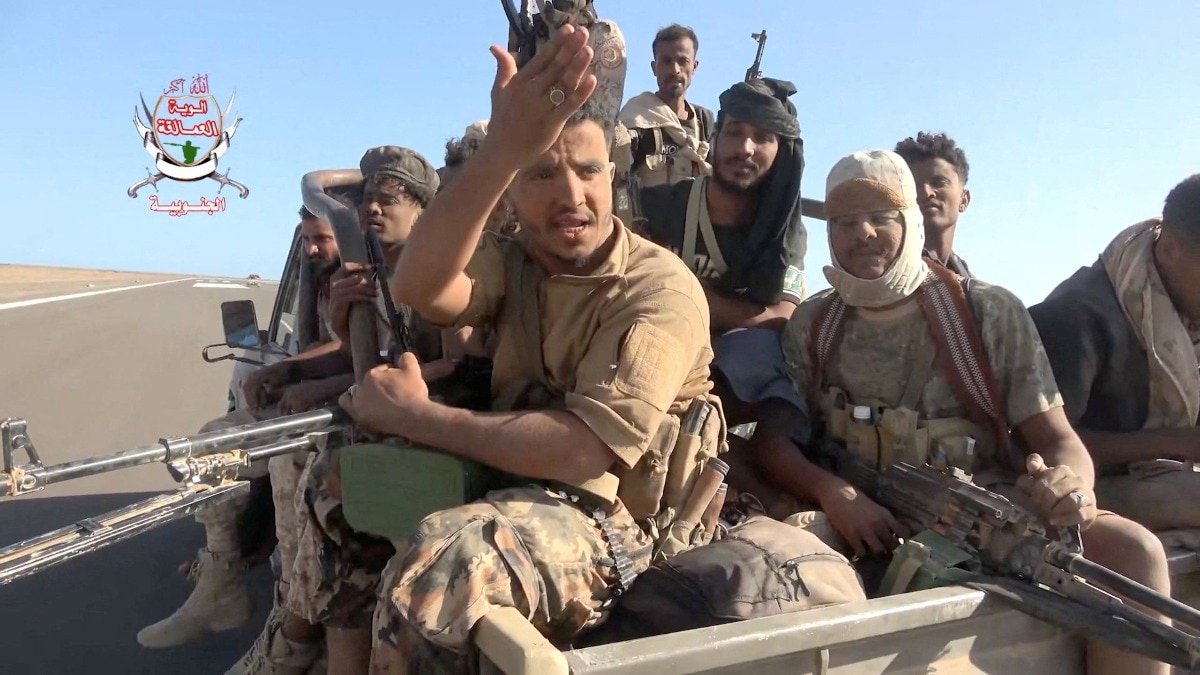
Saudi Arabia's General Authority of Civil Aviation said airports in Najran and Jizan were hit on Monday, damaging both facilities and leaving three people lightly injured. The statement did not name those responsible, but it came after Yemen's Iran-backed Houthi rebels announced that they had fired missiles and drones at the kingdom. Houthi Brig Gen Yahya Saree said in a statement on Tuesday that the group had also fired towards a third airport. The Associated Press said it could not confirm whether Abha Airport was hit, and Saudi authorities did not immediately comment. Saudi Arabia and its allies in Yemen's internationally recognised government have launched a military campaign to retake Houthi-held territory near the southern end of the Red Sea to prevent disruption to oil exports from the region.
In a separate development, the British military said an outbound tanker moving through the Strait of Hormuz was struck by an "unknown projectile" on Monday. There were no immediate reports of casualties or any environmental impact. The report said that even though Iran has lost its near-complete chokehold on the strait, the continuing risk of Iranian attacks has kept ship traffic well below pre-war levels.
In Gaza City, health officials at Shifa Hospital said two Israeli airstrikes killed two people. Israel's military said it had targeted militants in both strikes. It was the latest deadly attack since a ceasefire took effect nearly a year ago. Gaza's Health Ministry said more than 1,460 Palestinians have been killed since then. The ministry, which is part of the Hamas-run government, keeps detailed records and is considered generally reliable by UN agencies and independent experts. It does not distinguish between civilians and militants in its count, but says women and children make up around half of those killed.
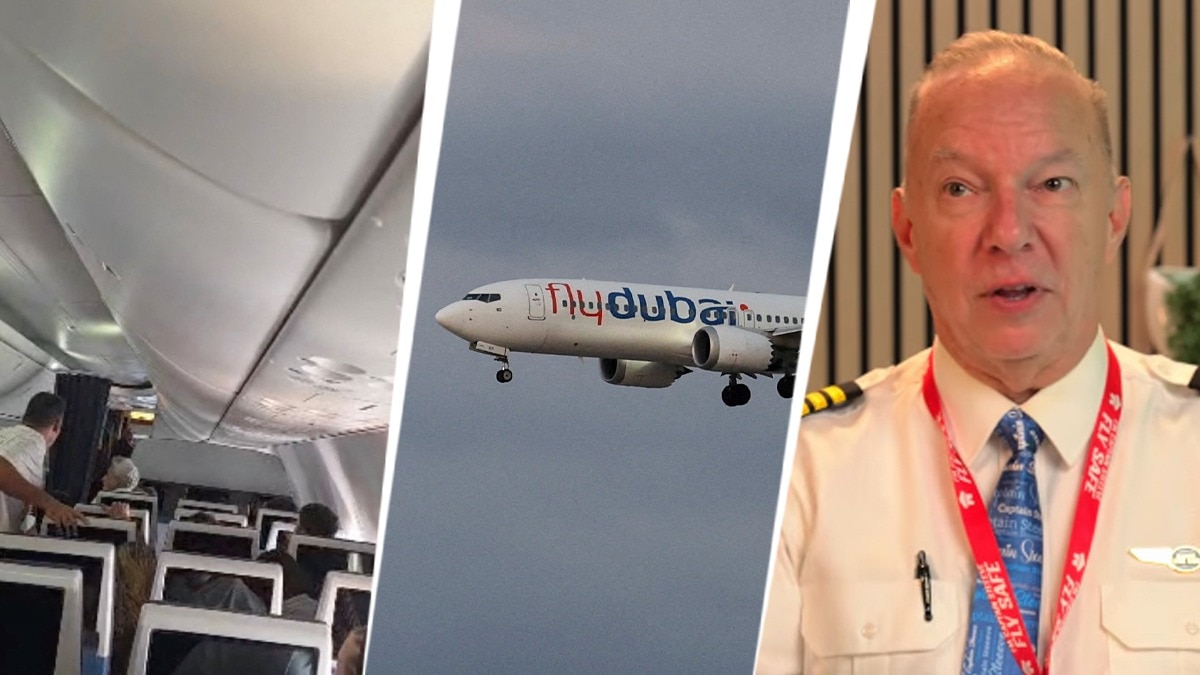
Netanyahu said Hamas could carry out an attack to influence the outcome of Israel's elections later this month, though he did not publicly provide evidence for the claim. At a Cabinet meeting on Tuesday, he said Israel would "respond with tremendous force if they make that mistake". In recent days, his political opponents have pointed to the thwarted FlyDubai cockpit attack as the latest example of what they describe as his government's failure to handle security threats.
In the occupied West Bank, Jaafar Ishtyeh, a veteran Palestinian photojournalist with Agence France-Presse, said he was filming the olive harvest in Aqraba when he heard gunfire from Israeli settlers. He said settlers later surrounded him, took his camera while he was filming the attack and beat him, causing injuries that required hospital treatment. The Palestinian Authority said settlers in the area also shot one man in the leg and severely beat two others in the town south of Nablus. Israel's military did not immediately comment. Palestinian officials said it was the latest such attack during this harvest season, in which four Palestinians have been killed and more than 100 injured.
Also on Tuesday, Israeli authorities demolished a five-storey building in east Jerusalem, the latest in a series of home demolitions in predominantly Palestinian neighbourhoods. Security Minister Itamar Ben Gvir attended the demolition and said Israeli authorities had torn down more than 10,000 structures built without permits over the past year and a half. Palestinians say it is nearly impossible for them to obtain construction permits in east Jerusalem, which Israel annexed in the 1967 Mideast war and where almost 400,000 Palestinians live. "This has become political ... a displacement process," said Fayez Saeed Khalafawi, who owned an apartment in the building. "They demolish our house so we put up a tent. Where are we supposed to go?"
The latest developments underlined how the wider conflict continues to play out on several fronts, from reported attacks on Saudi Arabia and a strike on a tanker in the Strait of Hormuz to killings in Gaza, violence in the West Bank and fresh demolitions in east Jerusalem.
With PTI Inputs
- Ends