 1 month ago
HomeEconomy NewsRBI likely to pause in February as MPC weighs rupee, inflation risks: Economists
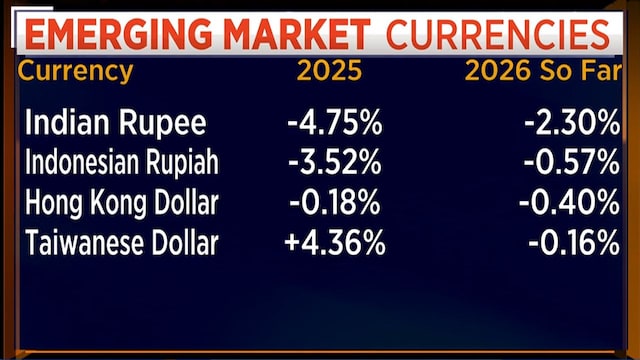
Economists said rupee weakness reflects insufficient capital inflows, especially FDI, rather than domestic macro weakness. They said policy should focus on attracting stable capital flows and managing expectations around currency movement. Experts also said investor confidence and global uncertainty will remain key factors for India’s economic outlook.
By Alpha Desk February 2, 2026, 2:29:15 PM IST (Published)
Economists across major institutions expect the Reserve Bank of India’s Monetary Policy Committee (MPC) to keep the repo rate unchanged in its February 6, 2026, policy meeting. Experts from Nomura, Citi India, SBI, JPMorgan and former Chief Statistician Pronab Sen have all indicated a pause, suggesting the central bank may prefer to assess inflation trends, currency movement and global conditions before taking further policy action.
The economists believe currency pressure, global volatility and capital flow trends will be key factors shaping policy decisions in the near term.
Chinoy said the pressure on the rupee reflects broader capital flow challenges. “The rupee is a symptom,” he said adding that the main issue is insufficient capital inflows, especially FDI, to finance the current account deficit.
If global volatility remains high, Chinoy said policymakers may need to allow the rupee to act as a shock absorber rather than using large amounts of foreign exchange reserves. This can help monetary policy focus on domestic inflation and growth.
Also Read | Budget financing strategy pushing bond yields higher, says Axis Bank's Neelkanth Mishra
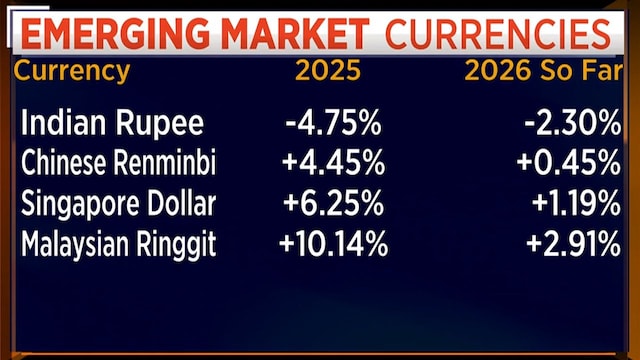
Samiran Chakraborty of Citi said excessive rupee depreciation can affect investor behaviour and delay capital inflows. He said currency expectations have become a key driver of investment decisions and added that policy guidance on currency valuation “would be very helpful.”
Also Read | Global equity correction risk rising, India may outperform: S Naren
Sonal Varma of Nomura said uncertainty around the new consumer price index (CPI) series also supports a wait-and-watch approach. She said inflation under the new series could be around 50 basis points (bps) higher due to changes in weight between food and services. She said the MPC should focus more on inflation momentum during the transition period.
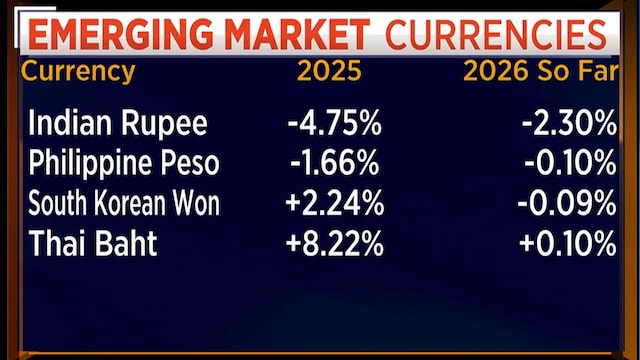
Soumya Kanti Ghosh of SBI said bond yields and liquidity transmission remain key issues. He said market borrowing numbers appear high but net borrowing is closer to expectations. He said better communication from the central bank can help stabilise yields.
Pronab Sen said global uncertainty remains a major macro risk. He said, “The real issue is whether confidence in the Indian economy is restored.” He added that investment trends will be important for medium-term growth.
For the full interview, watch the accompanying video
Catch all the latest updates from the stock market here