2 hours ago
Last Updated:February 19, 2026, 18:01 IST
UK police arrested former prince Andrew over alleged misconduct linked to Epstein, but the law restricts naming arrested individuals unless charged or in threat to life situations.


Prince Andrew's ties with sex offender Jeffrey Epstein gained a spotlight after the publication of a posthumous memoir, “Nobody’s Girl,” by his accuser Virginia Giuffre.
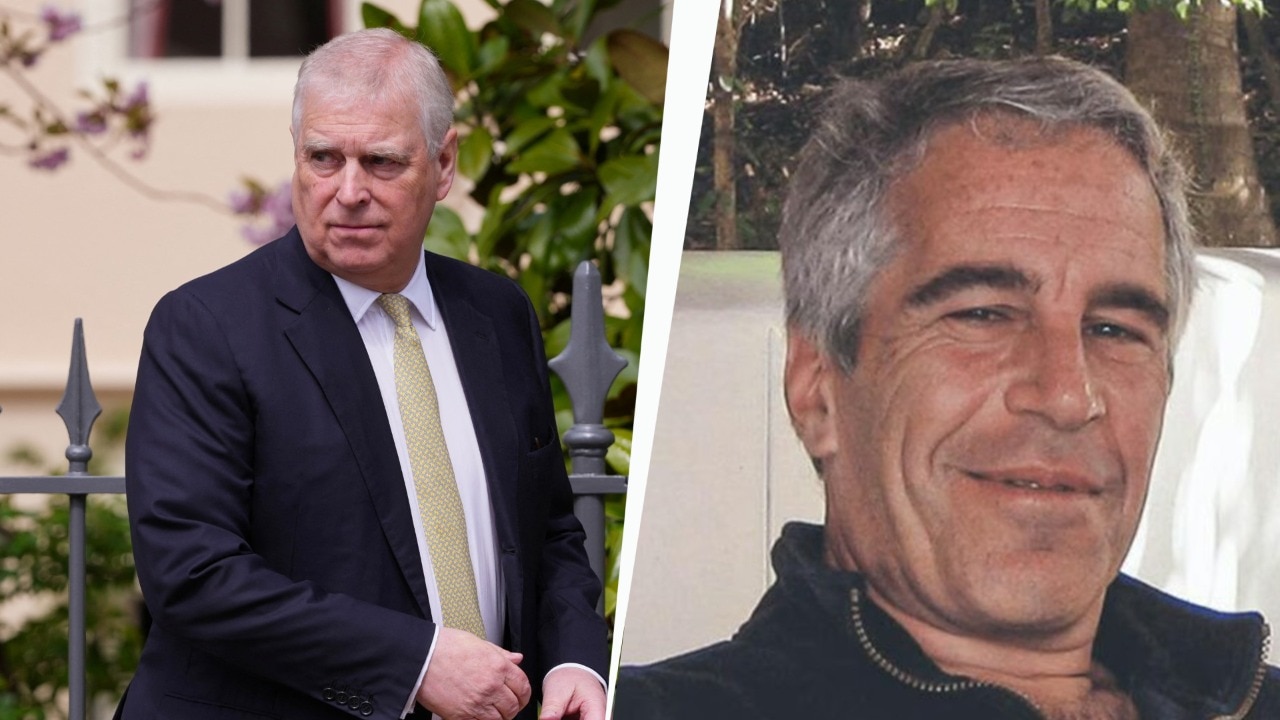
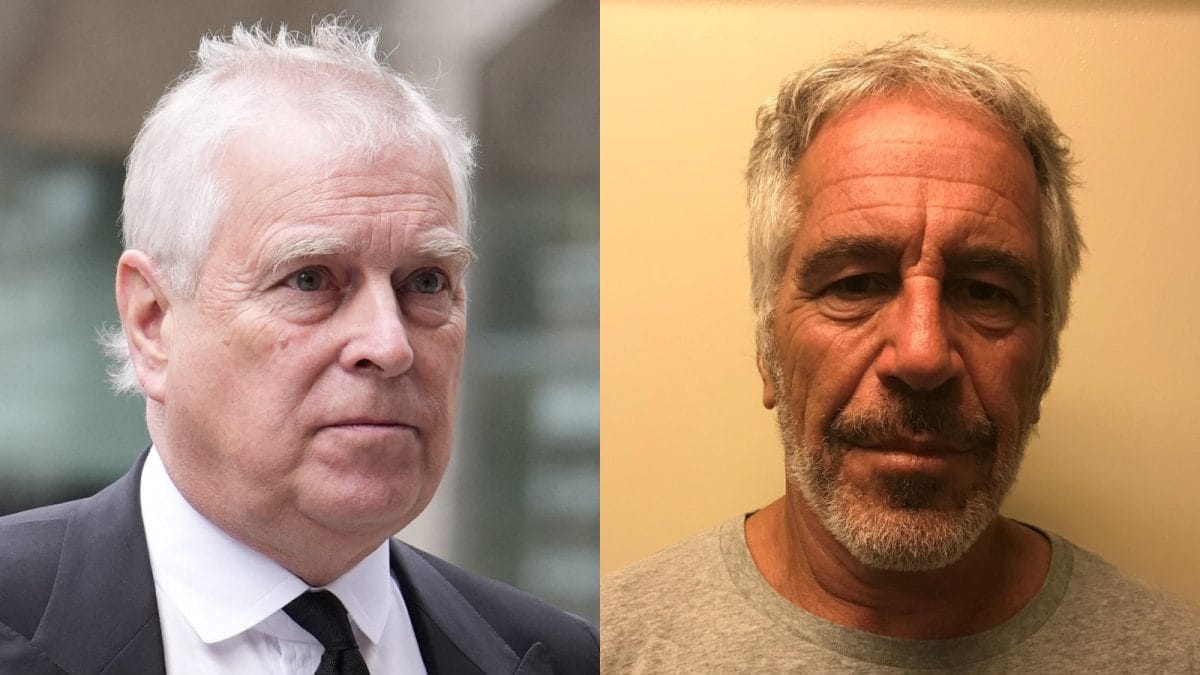
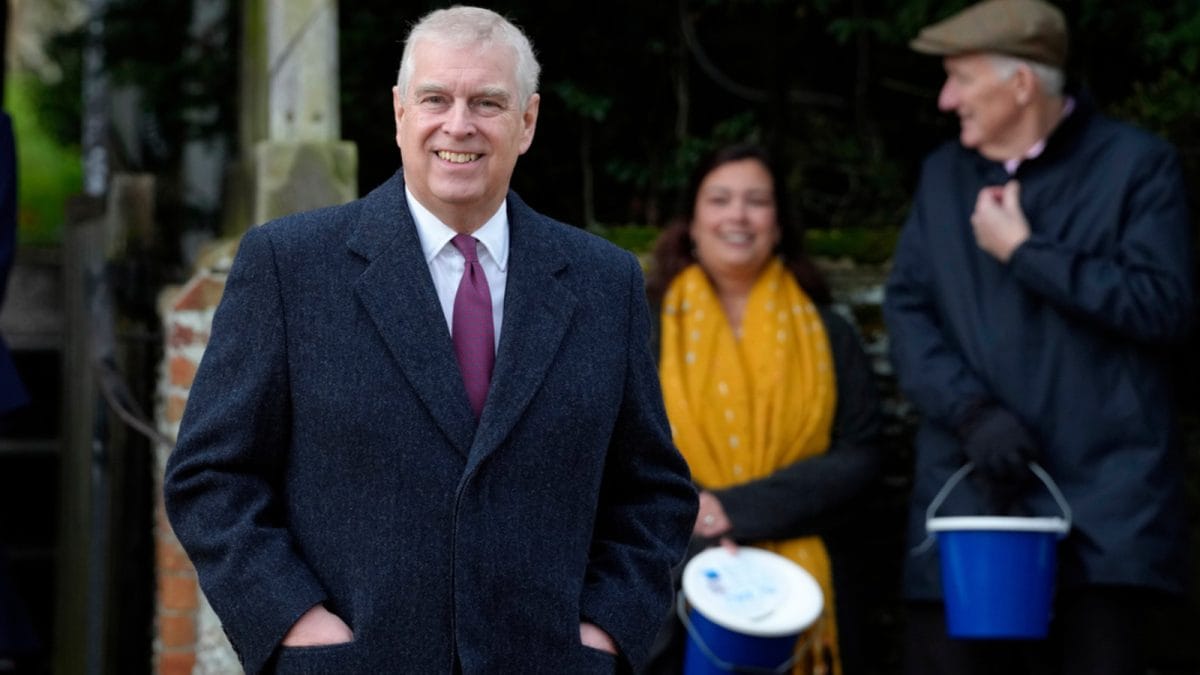
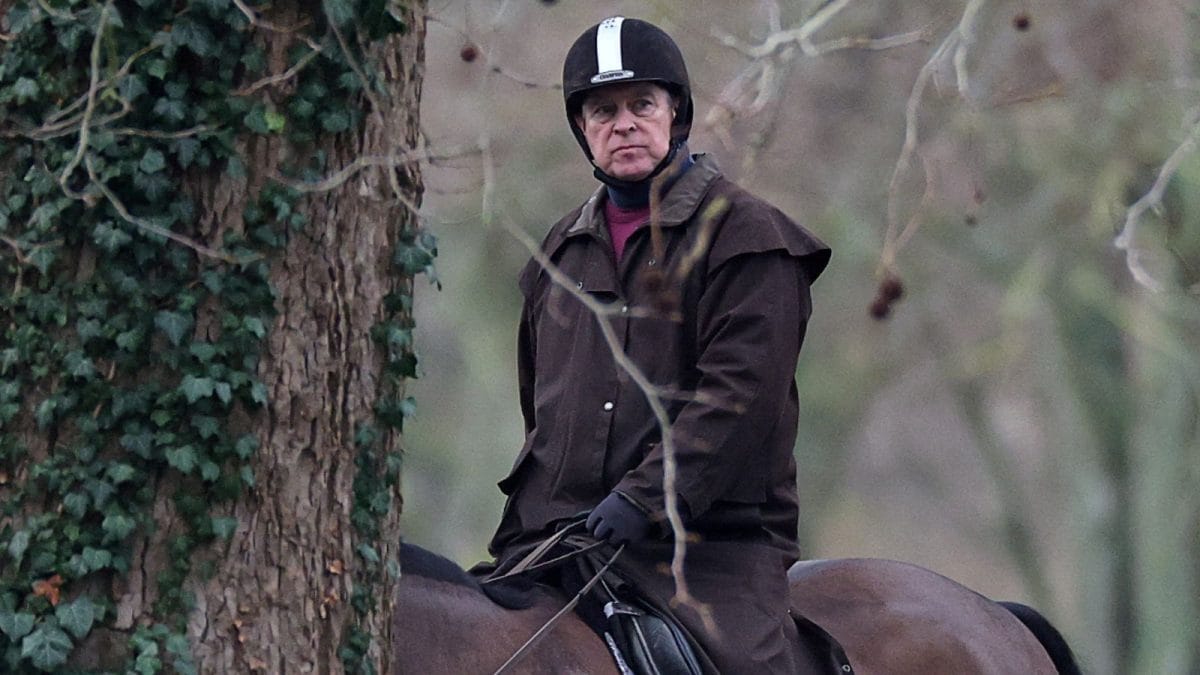
The UK police on Thursday arrested former prince Andrew Mountbatten-Windsor on suspicion of misconduct in public office amid an investigation into his links with late convicted sex offender Jeffrey Epstein. However, the British law bars the police from naming any arrested people until they are charged.
The Thames Valley Police said it was “assessing" reports that the former UK Prince sent trade reports to convicted sex offender Jeffrey Epstein in 2010. “As part of the investigation, we have today (19/2) arrested a man in his sixties from Norfolk on suspicion of misconduct in public office," the Thames Valley force said in a statement, without naming the suspect.
Also Read: Andrew, Brother Of King Charles, Arrested On Suspicion Of Misconduct Amid Epstein Files Row
“Following a thorough assessment, we have now opened an investigation into this allegation of misconduct in public office. It is important that we protect the integrity and objectivity of our investigation as we work with our partners to investigate this alleged offence," it added.
However, the police, in its statement, did not formally name the person they have arrested as per British law.
What The Law States?
In 2013, guidelines were issued ordering the police in England and Wales not to name arrested people until they are charged.
The only exception to this identification rule was that it should be done only in “clearly identified circumstances" such as when there is a threat to life.
According to BBC report, the prosecutors must be consulted if a name is to be withheld after a suspect has been charged.
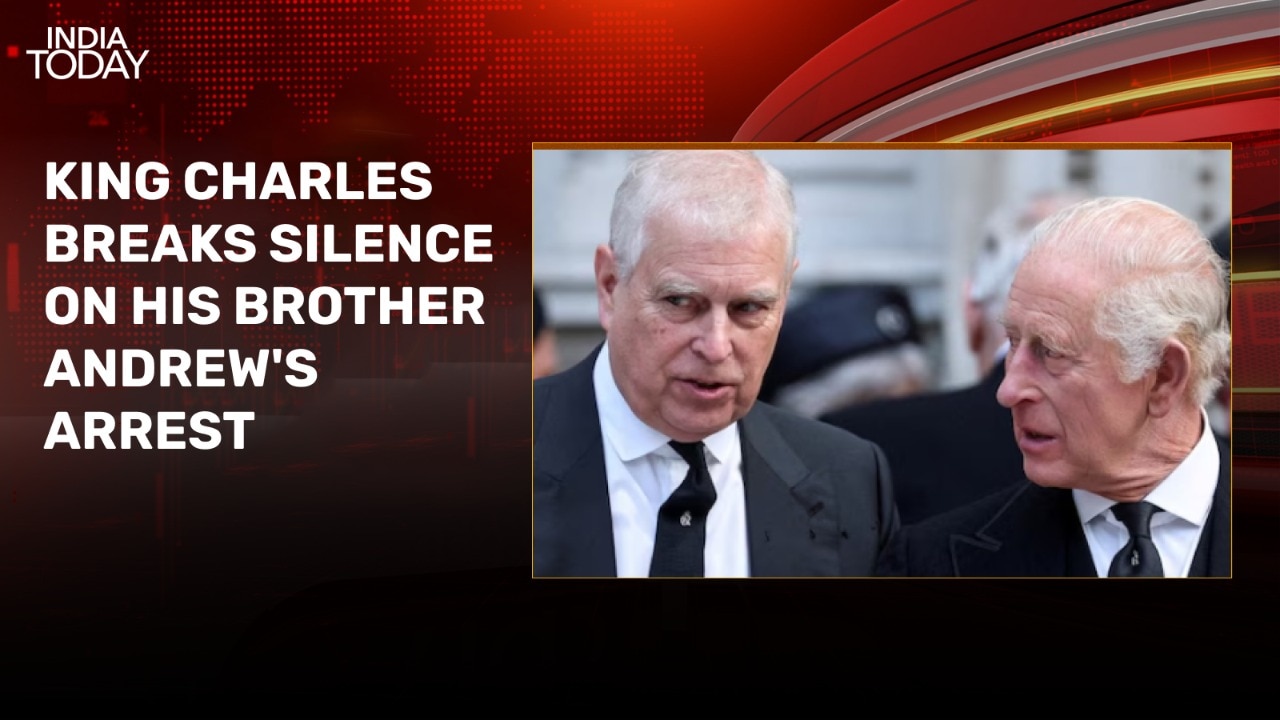
Also Read: ‘Law Must Take Its Course’: King Charles’s First Reaction After Brother Andrew’s Arrest
The guidelines were issued following a Leveson Inquiry, a controversy that started in 2011 with journalists of the tabloid News of the World allegedly caught hacking into communications of celebrities, politicians, and a schoolgirl named Milly Dowler who was murdered. The then prime minister David Cameron appointed Lord Justice Leveson to probe into the matter.
In his report on media ethics, Lord Justice Leveson said that arrested suspects should not be named “save in exceptional and clearly identified circumstances".
According to the College of Policing, a professional standards body, the guidance also states that at the point of charge, forces can release name, address, occupation and charge details, but must consult the Crown Prosecution Service if they want to withhold the name.
The guidance has often been criticised by a section of the British media outlets who say that naming a suspect could encourage victims to speak up and come to the police with evidence. And keeping the suspect anonymous would make it difficult for the victims to find out anything about their case, and for the media to find out more about the investigation.
Handpicked stories, in your inbox
A newsletter with the best of our journalism
Location :
London, United Kingdom (UK)
First Published:
February 19, 2026, 17:46 IST
News world Prince Andrew Arrested, But Why UK Police Haven’t Named Him An Accused
Disclaimer: Comments reflect users’ views, not News18’s. Please keep discussions respectful and constructive. Abusive, defamatory, or illegal comments will be removed. News18 may disable any comment at its discretion. By posting, you agree to our Terms of Use and Privacy Policy.
Read More