 1 month ago
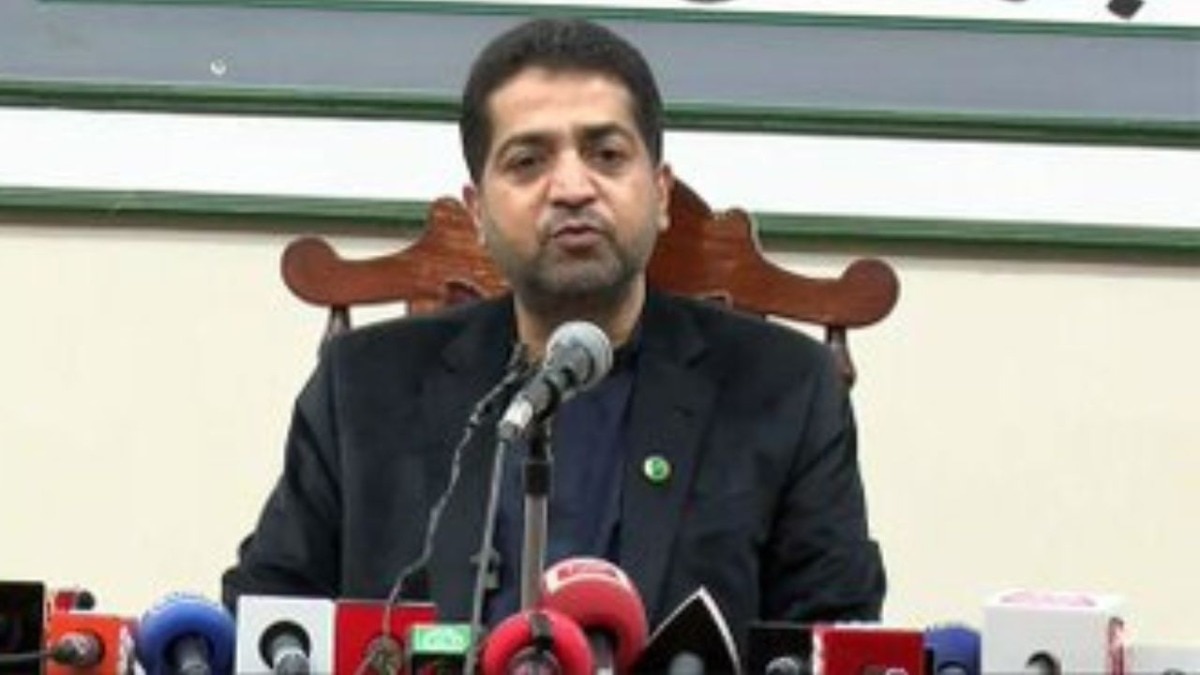
Iranian Army spokesperson Brigadier General Mohammad Akraminia said the country's armed forces continued research and production throughout the conflict and successfully introduced new military systems before the fighting ended.
As the fragile ceasefire began to crack, Iran claimed to develop and deploy more advanced weapons during its war with the United States and Israel.
The Iranian Army revealed new drones entered service and missile systems were upgraded even as the conflict was underway. The claim comes amid renewed fighting involving US forces, Iranian retaliatory strikes and Israeli attacks in Lebanon, all of which have cast fresh doubt over the future of the fragile US-Iran memorandum of understanding (MoU) reached earlier this month.
According to Iran's Press TV, Iranian Army spokesperson Brigadier General Mohammad Akraminia said the country's armed forces continued research and production throughout the conflict and successfully introduced new military systems before the fighting ended.
"We were able to bring them into service right in the midst of the war," Akraminia said, referring to a new generation of drones deployed during the final days of the conflict.
IRAN SAYS ARSENAL GREW DURING WAR
He said Iran also upgraded the missiles used by both the Army and the Islamic Revolutionary Guard Corps (IRGC).
"Additionally, we optimised missiles utilised by the Armed Forces, both by the Army and the Islamic Revolution Guards Corps (IRGC), and manufactured them with much higher quality. This shows that while we were using existing hardware, we did not overlook research and development."
He added that the newly developed drones are more sophisticated than earlier systems, including the Arash-2.
"The drones we unveiled in the final days of the war are much more sophisticated than previous generations, such as the Arash-2. We will soon notify the dear Iranian nation of their capabilities. We will employ this great breakthrough to build a safer and more powerful future."
He also said Iran is also pursuing plans to strengthen its military through domestic production as well as the acquisition of advanced equipment from what he described as friendly countries.
FRESH CLASHES TEST FRAGILE PEACE DEAL
The military claims come as the ceasefire agreement between Tehran and Washington is under growing pressure.
The US military carried out fresh strikes on Iranian military targets after accusing Tehran of attacking commercial shipping in the Strait of Hormuz. US Central Command said the strikes targeted missile and drone storage facilities, coastal radar positions and other military infrastructure.
Hours later, Iran launched missiles and drones at US military sites in Kuwait and Bahrain. The Islamic Revolutionary Guard Corps said the attacks were retaliation for what it described as American violations of the agreement.
A US official told Reuters there were no reported American casualties or major damage to US facilities, although the situation remained fluid. Kuwait said it intercepted two ballistic missiles, while Bahrain reported that an Iranian strike damaged a residential building without causing casualties.
US President Donald Trump also warned Tehran against violating the interim agreement.
"There may come a point when we are no longer able to be reasonable, and will be forced to militarily complete the job that we very successfully started," Trump wrote on social media.
"If that happens, the Islamic Republic of Iran will no longer exist!"
IRAN WARNS OF 'SWIFT AND CRUSHING' RESPONSE
Iran has also warned that any further violations of the recently signed Islamabad MoU would trigger a strong military response.
Major General Mohsen Rezaei, a senior adviser to Supreme Leader Ayatollah Ali Khamenei, accused Washington of breaching several provisions of the agreement by backing Israeli military operations in Lebanon and carrying out fresh strikes in the Strait of Hormuz.
"The response to the violation of any clause of the memorandum will be swift and crushing," Rezaei wrote on X.
The 14-point agreement, brokered by Pakistan, was announced on June 15 to end military operations, restore commercial traffic through the Strait of Hormuz and create conditions for wider negotiations on sanctions and Iran's nuclear programme.
LEBANON STRIKES TEST US-IRAN DEAL
Tensions in Lebanon have also intensified in Lebanon despite a recent ceasefire.
Israel said it struck Hezbollah fighters and rocket launchers in the Nabatieh area over the weekend. Iran said those operations violate the broader understanding reached with the US, saying the agreement requires fighting to end across all fronts, including Lebanon.
Iranian Foreign Minister Abbas Araghchi has said it is Washington's responsibility to ensure Israel halts its military operations and withdraws from occupied Lebanese territory in line with the agreement.
The renewed violence has raised new questions over whether the fragile ceasefire can hold as both Washington and Tehran accuse each other of violating the terms of the deal.
- Ends
With inputs from agencies
Published By:
Satyam Singh
Published On:
Jun 28, 2026 20:52 IST