53 minutes ago
Nepal has announced tax, customs and credit relief for businesses hit by the Bhotekoshi floods. The move runs alongside a longer-term plan to rebuild infrastructure and relocate displaced communities to safer areas.

Stock photo used for illustration

Kathmandu,UPDATED: Sep 4, 2026 13:16 IST
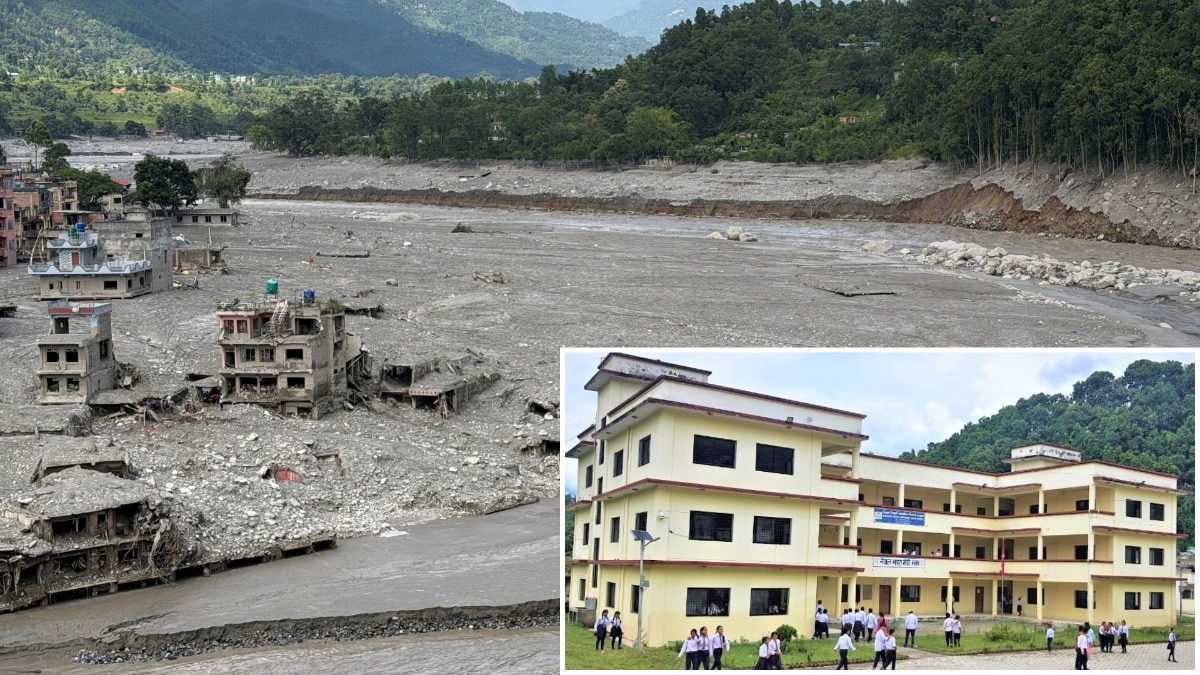
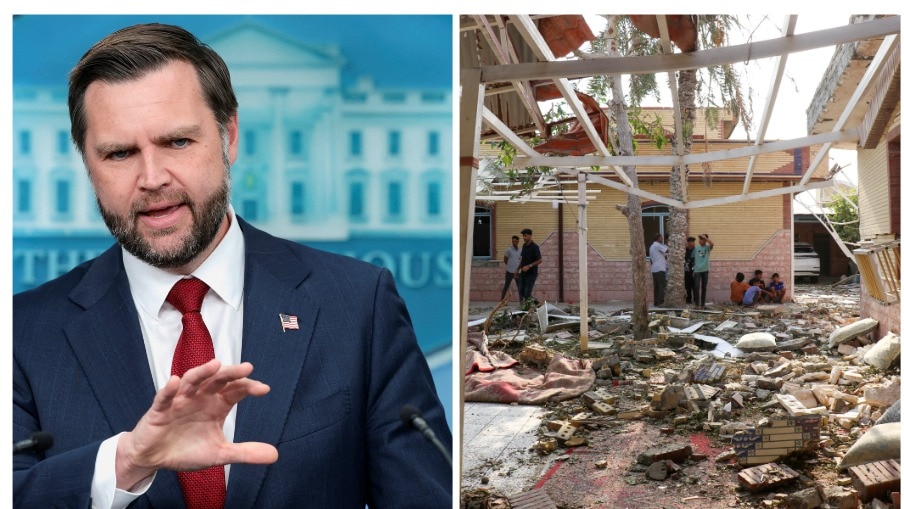
Nepal's government has announced a special relief package for businesses hit by the Bhotekoshi floods, while also beginning work on relocating communities whose homes and settlements were swept away in the disaster. The August 26 floods washed away homes, roads and bridges, left hundreds dead and thousands missing, and destroyed several settlements along the Trishuli riverbanks.
The Cabinet on Thursday described the business measures as the first phase of its recovery package, according to The Kathmandu Post. The government has also announced support for personnel involved in rescue operations, as it steps up relief, rehabilitation and planning for longer-term resettlement.
Under the business package, firms whose commercial vehicles, transport equipment, plants, machinery, tools or other equipment were destroyed beyond repair or swept away will be allowed to import replacements without paying customs duties. The concession will also apply to goods on which customs duties had already been paid but which were destroyed before reaching their destination. Replacement goods must be imported through any customs office within six months.
Provincial and local governments will also be asked to provide temporary concessions on property and business taxes, building permit fees and other local charges for affected businesses and properties. The government has directed Nepal Rastra Bank, the country's central bank, to facilitate the restructuring or rescheduling of loans taken by flood-affected borrowers.
The Insurance Authority has been asked to speed up claims by allowing insurers to deploy surveyors through simplified procedures. Insurers will also be required to provide advance payments of up to 50 per cent of estimated losses based on preliminary assessments.
The relief measures come as authorities prepare a longer-term plan for communities whose homes and settlements were swept away. The Kathmandu Post reported that around 15 settlements across Rasuwa, Nuwakot and Dhading were destroyed in the August 26 flood.
The Planning Commission has begun work on a master plan to rebuild infrastructure, develop safer settlements and address longer-term development needs. Its vice-chair, Gunakar Bhatta, said the commission was also preparing a post-disaster needs assessment to study damage and losses across infrastructure, productive sectors, services, the environment and the wider economy.
A preliminary assessment by Nepal's Disaster Risk Reduction and Management Authority found that around 1.6 million people across 15 local units were directly affected, while 8,317 houses were destroyed, the report said.
The Ministry of Infrastructure Development will first focus on restoring roads and bridges linking the affected areas before planning new settlements. Ministry Secretary Gopal Prasad Sigdel said the long-term plan would be to relocate people away from flood-risk areas. "The long-term plan will be to establish settlements in areas outside the flood-risk zones," he was quoted as saying by The Kathmandu Post.
Authorities are mapping settlements that are no longer habitable while continuing rescue, relief and temporary shelter operations. According to the report, around 3,948 people rescued by the government were staying at holding centres in Nuwakot, Rasuwa, Dhading and Kathmandu.
NDRRMA chief executive Dharmaraj Upreti said teams were identifying safer locations for displaced communities. "People cannot return to settlements that have been swept away by the flood. The government has formed teams to identify safer locations and is working on a plan to relocate them," he was quoted as saying by The Kathmandu Post.
Officials are considering moving some communities to other districts or finding safer vacant land within the affected districts. The government has previous experience of relocating disaster-hit communities, including after the 1993 floods and the 2015 earthquake.
Experts have urged authorities to consider livelihoods, social ties and future disaster risks while choosing new locations. Former prime minister Baburam Bhattarai was quoted as saying by The Kathmandu Post, "There is a serious risk of major disasters in the Himalayan region from Taplejung to Darchula in the coming years." He added, "Safer areas should be identified nearby, such as small valleys in the mountains and higher ground in the hills, where at-risk settlements can be relocated."
Meanwhile, government spokesperson and Education Minister Sasmit Pokharel said the Cabinet had decided on Thursday to provide risk allowances and meal expenses to security personnel and government employees deployed for search and rescue operations following the Bhotekoshi flooding, according to Onlinekhabar. Those injured during the operations will receive free medical treatment, while families of personnel who die during rescue operations will receive NRs 1 million in relief.
With emergency rescue and shelter work still under way, Nepal is moving on two fronts after the Bhotekoshi floods: immediate support for affected businesses and rescue teams, and a longer-term plan to rebuild infrastructure and shift displaced communities to safer areas.
With PTI Inputs
- Ends
Published By:
India Today Web Desk
Published On:
Sep 4, 2026 13:16 IST