 59 minutes ago
Jordan is standing by its US alliance despite repeated Iranian drone and missile attacks. The stance underlines Amman's security dependence on Washington amid economic strain and regional unrest.

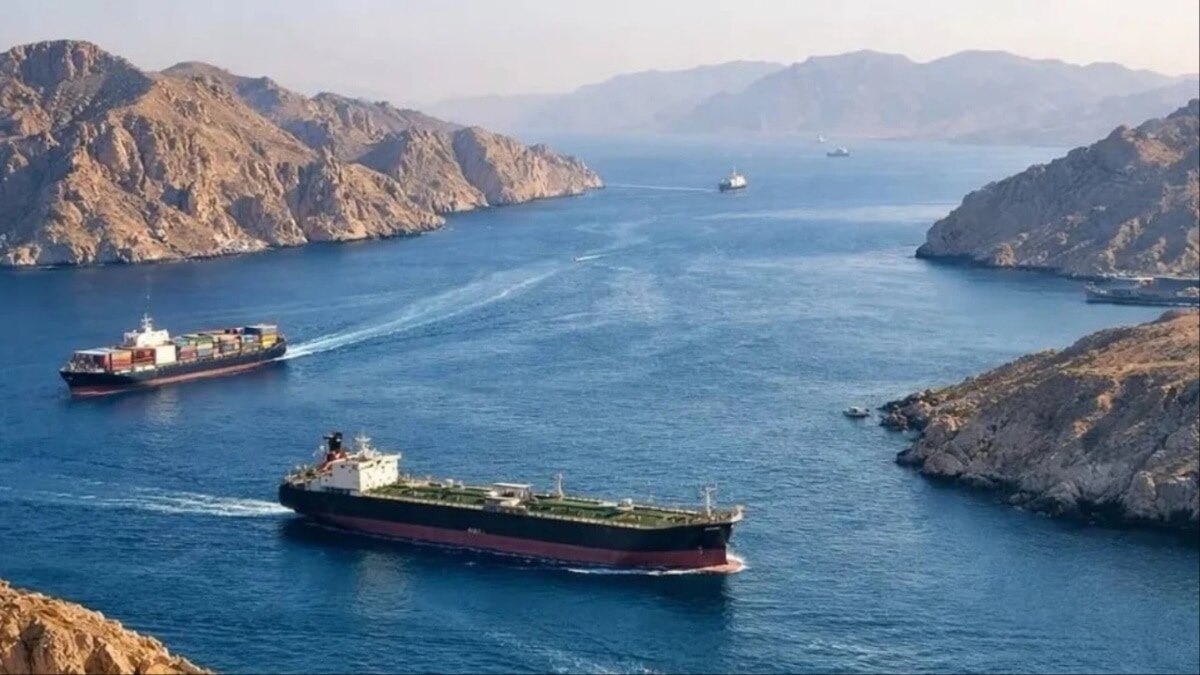
Stock photo used for illustration

Dubai,UPDATED: Sep 4, 2026 11:04 IST
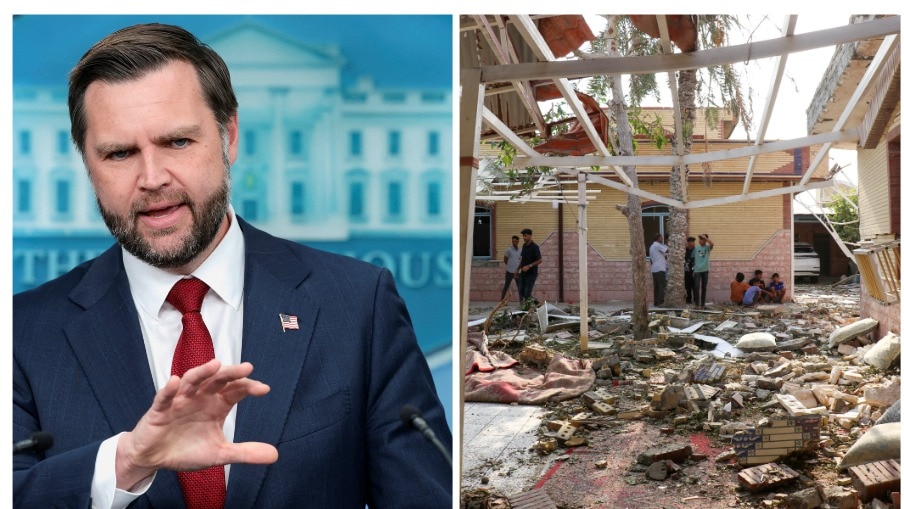
Jordan, a key US ally in the Middle East that hosts American forces, has come under repeated Iranian drone and missile attacks, putting its military bases in the crosshairs and adding to the strain on the kingdom. The pressure comes at a time when Jordan is also dealing with a weak economy and growing volatility in the neighbouring West Bank.
Even with the risk of more strikes, Jordanian leaders say they will maintain their relationship with Washington after decades of building deeper security ties with the US and positioning the kingdom as a reliable Western partner in a conflict-hit region. Analysts say the alliance is also seen by Jordan as a way to guard against Iran's efforts to destabilise its neighbours.
Jordan, which borders Iraq, Saudi Arabia, Syria, Israel and the West Bank, is home to more than 11 million people. Alongside the threat from Iran, it faces economic stress linked to the arrival of millions of refugees from regional conflicts. High energy prices and inflation have added to the burden, while the tourism sector has struggled to recover. Tensions in the West Bank have also raised concern in Jordan, where many fear instability could push Palestinians into the kingdom. Sean Yom, a professor at Temple University and author of a 2025 book on Jordan, said the rise in Israeli settler attacks on Palestinians was especially unsettling because of fears that many of the 2.8 million Palestinians in the West Bank could flee.
Since succeeding his father King Hussein in 1999, King Abdullah II has steadily deepened ties between Amman and Washington. The monarch has strong support among world leaders as well as Democratic and Republican lawmakers in the US. Donald Trump once called him "one of the true great leaders of the world", while Joe Biden also praised his leadership. In 2023, US First Lady Jill Biden attended the wedding of Abdullah's son Hussein to a Saudi aristocrat, and in 2025 Pope Leo received the king at the Vatican.
As part of its partnership with the West, Jordan provided logistical support and intelligence during the US-led invasion of Iraq in 2003, and later took part in the fight against Islamic State militants in Syria and Iraq. Independent Jordanian analyst Amer Sabaileh said the alliance with the US is central to Abdullah's long effort to shield the kingdom from threats, including from Iran. Yom said Jordanian elites see Iran's support for Shiite militias in Iraq, armed Palestinian groups and Syrian drug traffickers as direct threats to the royal court. "Very few people in Jordan think the Islamic Republic is good for the Middle East," he said.
Jordan's military role has expanded in recent years. A 2021 defence cooperation agreement gave US forces and contractors access to 12 military sites in the kingdom, and NATO opened its first liaison office in the region there in 2025. Before the Iran war, Jordan's Muwaffaq Salti Air Base had become "a key logistics hub" for US C-17 transport aircraft and around 60 combat aircraft, according to David Schenker of the Washington Institute. "Jordan provides great strategic depth," he said, calling the kingdom's position "essential" to the US campaign against Iran. "This makes Jordan a target, not just targeting US forces but also targeting the king."
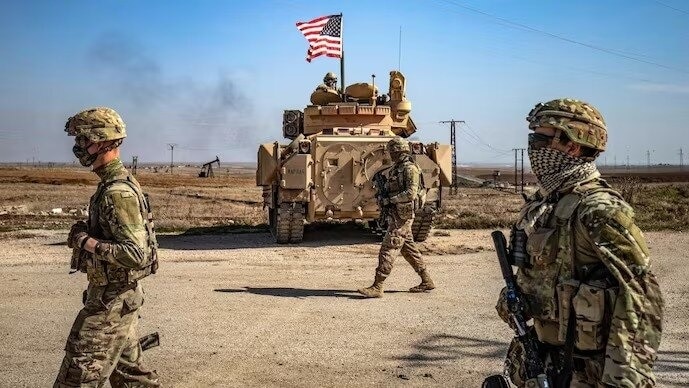
About 50,000 US troops are currently deployed across the Middle East, with an unknown number in Jordan. Schenker estimated that at least 8 per cent of Jordan's annual budget, or USD 1.47 billion, comes directly from US grants. In May, Adm. Charles Bradford, who heads the Pentagon department covering the Middle East, said the US had moved personnel and assets tied to its mission against Islamic State from Iraq to Jordan as part of a longer strategy to place more distance between American forces and Iranian missiles. Even so, the presence of those troops drew fire from Iran, though most incoming missiles and drones were intercepted by US air defences.
Speaking in Vienna on Thursday, Jordanian Foreign Minister Ayman Safadi defended his country's right to act independently. "Iran has been attacking us and many other countries in the region long before even this war started," he said, referring to Iranian "meddling in internal affairs" and other covert activity. "So we do not buy their argument. We are a sovereign country. We were not a party to this war." The broader concern has also been underlined by King Abdullah, who told European lawmakers last year, "We are living through wave after wave of disruption, without pause," and added, "There is no telling where the boundaries of this battleground will end. That, my friends, is a threat to people everywhere." Together, the warnings and the continued military partnership capture Jordan's effort to hold on to its US alliance while facing attacks and wider regional instability.
With PTI Inputs
- Ends
Published By:
India Today Web Desk
Published On:
Sep 4, 2026 11:04 IST