 1 hour ago
Thousands displaced by Nepal's floods are sheltering in camps with severe shortages of water and medicines. The worsening humanitarian strain is deepening fears of disease as families search for missing relatives.

Image used for representational purposes only

Kathmandu,UPDATED: Aug 30, 2026 13:52 IST
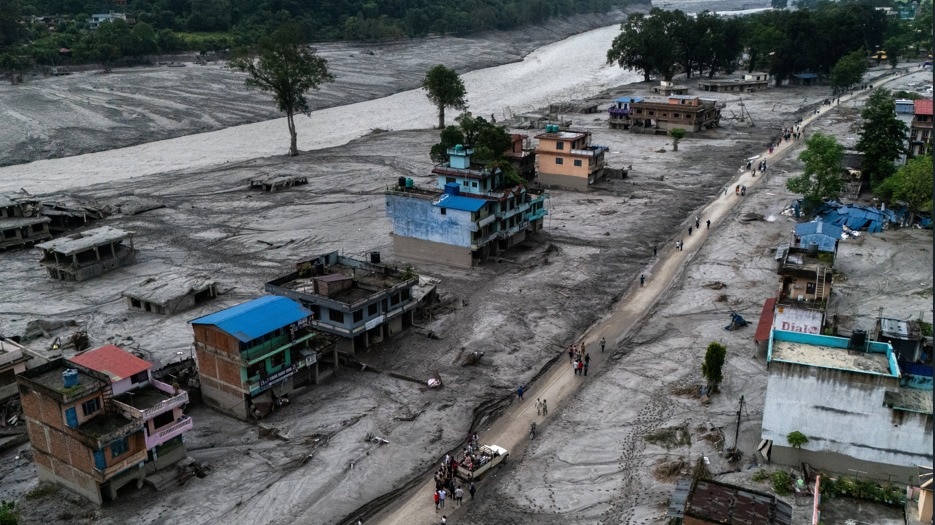
Thousands of people displaced by Nepal's devastating floods are now living in temporary shelters, often without medicines, clean drinking water and other basic necessities they had before the waters swept through their communities. The August 26 floods, which moved downstream through the Bhotekoshi and Trishuli river system, have left a wide trail of destruction across northern and central Nepal.
According to a government update reported by local media, the death toll crossed 700 on Sunday and around 2,500 people were still missing. Relief camps have been set up in the affected areas, but families are continuing to search hospitals for missing relatives as rescue teams dig through mud and debris amid intermittent rainfall and fresh concern over rising river levels.
The government update said three relief camps have been established in Rasuwa and 15 in Nuwakot. Temporary accommodation has also been arranged in schools and public and community buildings for about 3,500 displaced people. Nepal Police said about 1,000 displaced people were staying in nine holding centres in Nuwakot on Saturday, according to The Kathmandu Post.
Separately, the newspaper reported that about 1,000 people were staying at three displacement camps around Trishuli Hospital - at Bhairung Secondary School, a covered hall and Bethan Academy. The camps are sheltering people with a range of needs, including pregnant women, new mothers and those requiring medical care. However, the shelters are facing shortages of clean drinking water and sanitation, while doctors have warned that crowded conditions could raise the risk of disease.
At a camp in Kolani, Kopila Pariyar was caring for her 62-year-old mother, who has asthma and needs regular medication. "We have not been able to get all of them," Pariyar told The Kathmandu Post, referring to her mother's medicines. She also said the family had no money or clothes and that there was no drinking water in the camp. The newspaper reported that Pariyar's 16-year-old brother Abinash and her 43-year-old sister-in-law Shanti were among those still missing after the flood.
The water shortage is not limited to the camps. According to The Kathmandu Post, the flood destroyed the canal that supplied drinking water to Trishuli Hospital and nearby settlements, while another pipeline through Tupche was also washed away. With the water systems damaged, residents and displaced people have been forced to depend on alternative supplies. Hospital officials warned that unsafe water and poor sanitation in crowded shelters could increase the risk of disease.
In Rasuwa, damage to roads and other infrastructure has made relief work particularly difficult. The Kathmandu Post reported that one rural municipality was providing food and accommodation to around 750 people in four shelters. Local government employees were themselves staying and working at holding centres alongside displaced residents, according to the newspaper. The scale of the relief effort is likely to change further as rescue teams reach areas cut off by the floods and as displaced people move between shelters or stay with relatives and other residents.
For those in the camps, the immediate struggle has moved beyond escaping the flood itself. Many are now trying to secure food, clean water and medicines, trace missing relatives and find a place to stay until normal life can resume.
With PTI Inputs
- Ends
Published By:
India Today Web Desk
Published On:
Aug 30, 2026 13:52 IST