 1 month ago
HomeMarket NewsNasdaq fall is about liquidity fears, not just tech, says economist William Lee
William Lee, Chief Economist and Managing Director at Global Economic Advisors, said that while US markets are preparing for tighter liquidity, India’s outlook remains cautiously positive — but global investors want to see clear policy action before committing capital, which could limit any near-term rally.
By Alpha Desk February 6, 2026, 10:50:43 AM IST (Published)

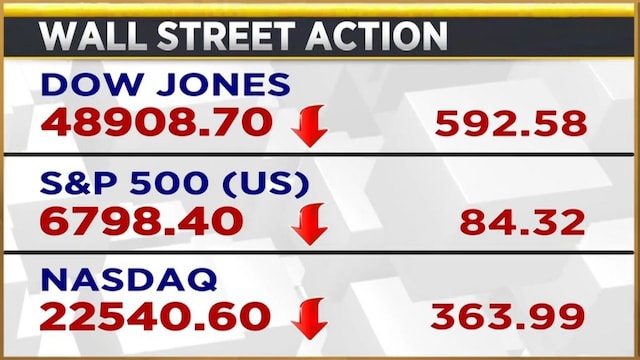
The real trigger behind the Nasdaq’s recent 6% fall is growing anxiety that a hawkish shift at the US Federal Reserve could abruptly end years of easy liquidity, says William Lee, Chief Economist and Managing Director at Global Economic Advisors.
Lee said the selloff began in the same pocket that had seen the heaviest buying — big tech and artificial intelligence (AI) — and was catalysed by fresh concerns about Microsoft's heavy capital spending.
“The brunt of the selling is really where the brunt of the buying was not so long ago… it’s very focused on the tech market and the AI-centred massive investments. In my mind, it really all started with Microsoft’s announcement that they had spent a lot of money, yet again, on capex,” he said, adding that doubts over returns on those investments are now driving market nervousness.
However, Lee stressed the deeper fear is policy-driven, centred on the possible appointment of Kevin Warsh as Fed chair.
“People are reconsidering the plentiful supply of liquidity they’ve been so used to all these years. If he is appointed and confirmed… that’s going to come to an end pretty soon. The world is going to have to start deleveraging — and the brunt of that is being felt in the crypto markets right now,” he said.
While some correction was inevitable after a sharp rally, Lee believes markets are primarily grappling with “much less liquidity… and a smaller Fed balance sheet” rather than just stretched valuations.
On India, Lee said positive signals — diplomacy, a capex-led budget and trade discussions — have not yet convinced global investors.
Referring to recent outreach by Narendra Modi, he cautioned, “Words are cheap. Let’s see India actually do this stuff — open markets to foreign exporters and diversify energy sourcing.” Persistent scepticism, he said, could still cap near-term upside for Indian equities.
Also Read: India's US trade deal: Experts on how the import gap can be bridged
For the entire interview, watch the accompanying video
Catch all the latest updates from the stock market here