 1 hour ago
Opening Summary
Hello and welcome to our coverage of the US-Israel war on Iran, a conflict that is rippling across the Middle East with devastating consequences as it enters its second week.
US President Trump has remained sanguine about the prospects of the war, saying that Iran is being ‘decimated’ even as he has refused to rule out deploying US troops.
Meanwhile China’s foreign minister Wang Yi has condemned the war, saying it never should have happened.
If you are just tuning in, here is a quick recap of events.
Donald Trump claimed the US and Israel had “decimated” the Iranian regime, but offered only a vague description of what he meant by his demand for an unconditional surrender. “It’s where they cry uncle, or when they can’t fight any long longer and there’s nobody around to cry uncle — that could happen too,” the US president said aboard Air Force One.
Trump left open the possibility of deploying American troops on the ground. The US president addressed reporters hours after travelling to Dover air force base in Delaware to attend the so-called dignified transfer of six US service members killed in the opening days of his war against Iran.
The US-Israel war on Iran “should never have happened”, China’s foreign minister said on Sunday. “The world cannot return to the law of the jungle,” Wang Yi told a press conference in Beijing, calling for an end to military operations.
Iran can fight a war of this size and scale for “at least” another six months, a Revolutionary Guards official has claimed. The defiant statement was carried by the semi-official Fars news agency, which has links to the Islamic Revolutionary Guard Corps (IRGC).
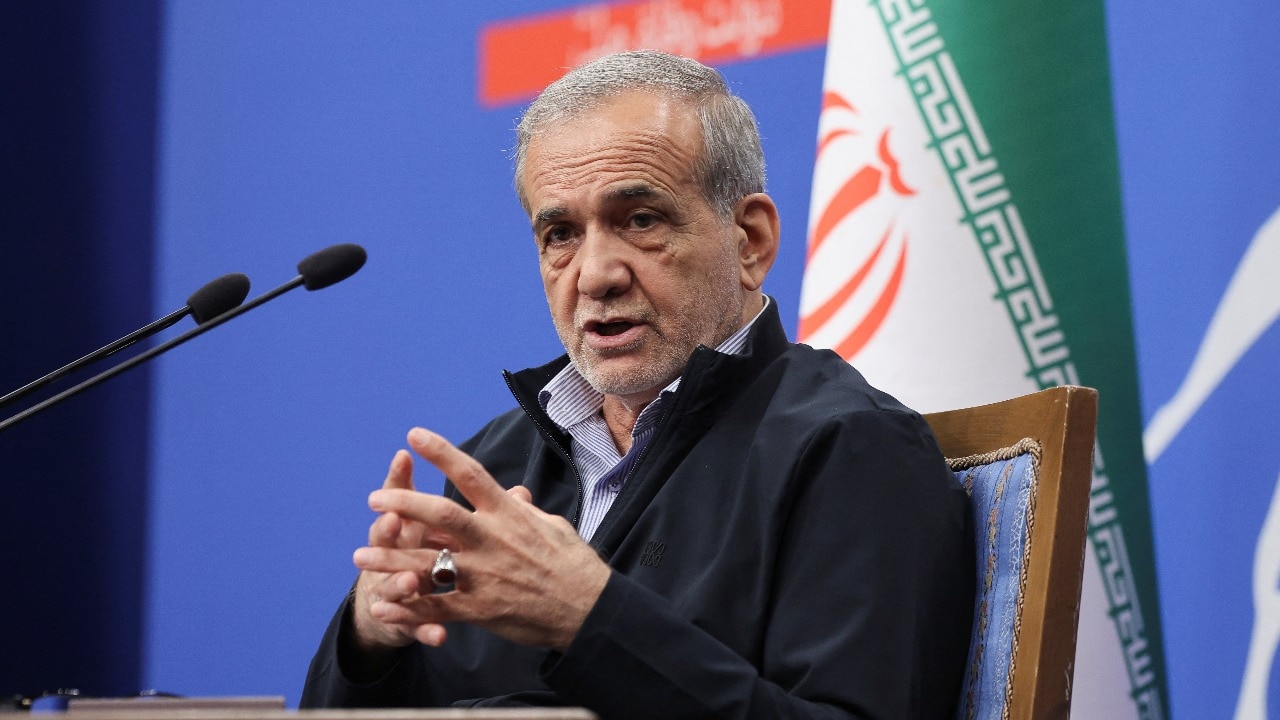
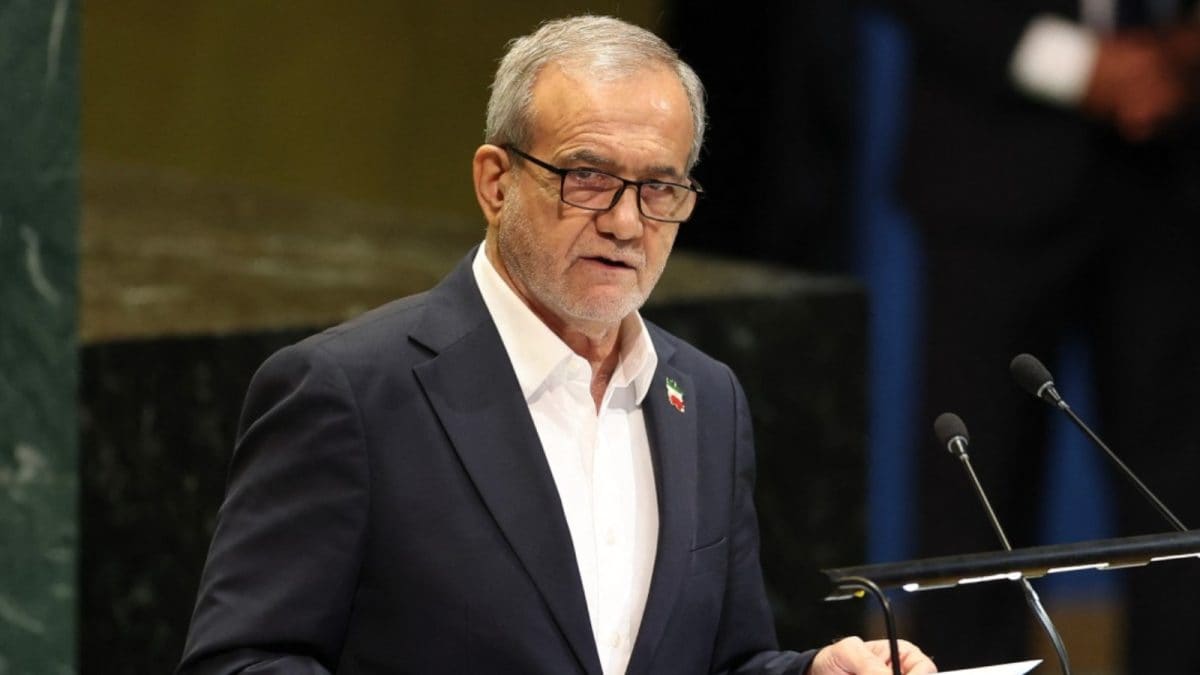
Iranian president Masoud Pezeshkian previously apologised to neighbouring countries attacked by Iran. He also said Iran’s interim leadership council had approved that no attacks or missile strikes would be carried out against such countries unless an attack against Iran originated from them.
Vast plumes of smoke and fire have been seen rising over the Tehran skyline overnight. The Israeli military said it struck “several fuel storage complexes” across the city.
At least four people were killed after an Israeli strike on an apartment in the Ramada hotel building in central Beirut, Lebanon’s health ministry said. Ten people were injured. Israel said it conducted a “precise strike” on what it called “key commanders” in the IGRC’s Quds Force foreign operations arm.
In a post on social media, Trump renewed his criticism of the UK’s lack of immediate support for US-Israeli strikes on Iran, and claimed Downing Street was now “giving serious thought” to sending two aircraft carriers to the region. “That’s OK, Prime Minister Starmer, we don’t need them any longer – But we will remember,” the US president wrote.
Key events Show key events only Please turn on JavaScript to use this feature
A majority consensus over a successor to Iran’s slain Supreme Leader Ayatollah Ali Khamenei has more or less been reached, Assembly of Experts member Ayatollah Mohammadmehdi Mirbaqeri said on Sunday, according to Mehr news agency.
He said, though, that “some obstacles” need to be resolved regarding the process, according to the report.
Iranian media said the body tasked with appointing Iran’s supreme leader had a minor disagreement over whether their final decision must follow an in-person meeting or instead be issued without adhering to this formality
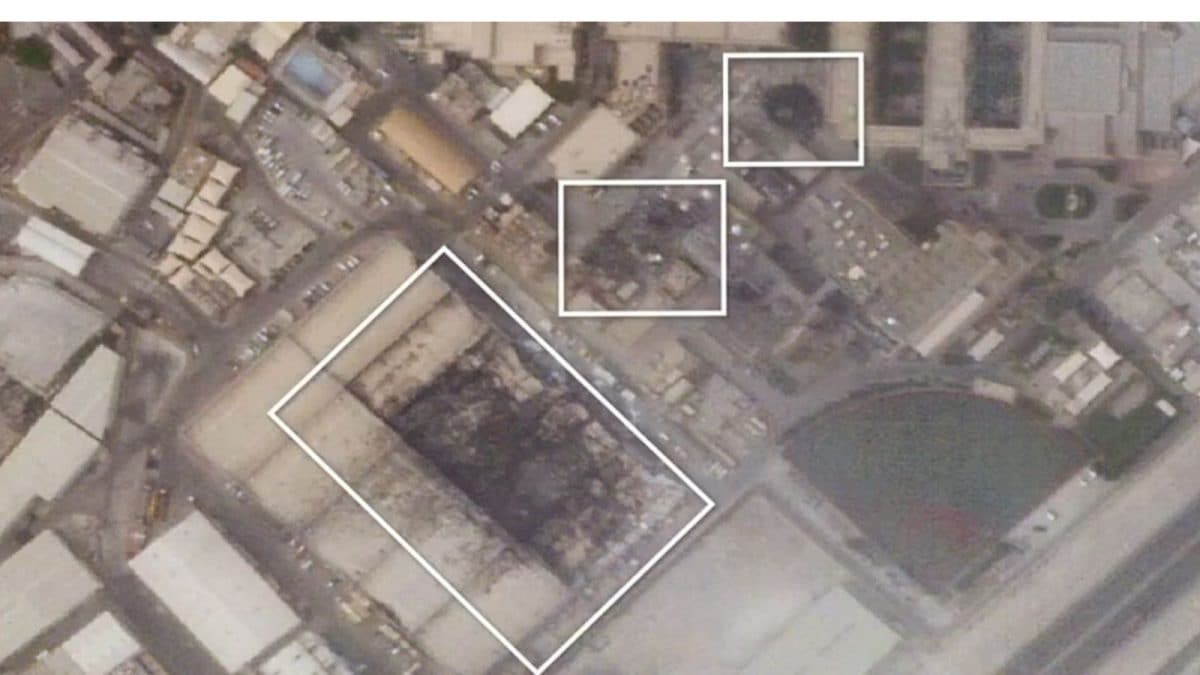
US and Israel strikes damage five oil sites around Tehran, says Iran official
The United States and Israel hit five oil facilities in overnight strikes in and near the Iranian capital, an official told state TV.
“Last night, four oil depots and a petroleum products transport centre in Tehran and the Alborz were attacked by enemy aircraft,” the CEO of the Iranian Oil Products Distribution Company Keramat Veyskarami told state TV.
He added that the five facilities “were damaged” but the “fire was brought under control”.
On Saturday, an Israeli attack hit an oil storage facility in Tehran.
Missile and drone attacks injured three people and damaged a desalination plant in Bahrain on Sunday, the interior ministry said, as Iran pressed on with its air campaign against neighbouring Gulf states.
“As a result of the blatant Iranian aggression, 3 people were injured and material damage was inflicted on a university building in the Muharraq area after missile fragments fell,” the Bahrain interior ministry said in a statement.
“The Iranian aggression randomly bombs civilian targets and caused material damage to a water desalination plant following an attack by a drone,” they added.
Earlier, Tehran had accused the US of striking one of its own desalination plants from a base in Bahrain.
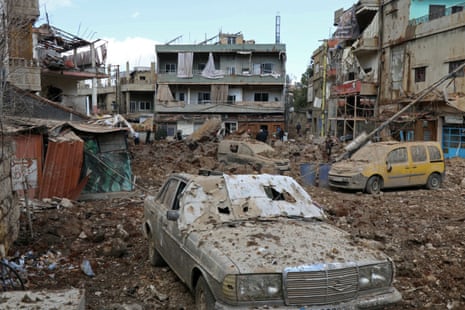
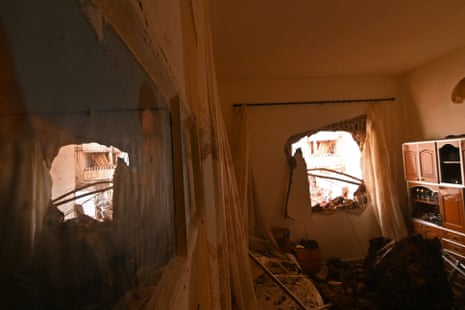
Israel has struck southern Lebanon and Beirut again early Sunday, killing 12 more people, as the widening war in the Middle East keeps escalating.
Israeli officials said the strikes targeted commanders of the Lebanese branch of Iran’s Revolutionary Guards’ Quds Force, after Prime Minister Benjamin Netanyahu promised “many surprises” for the next phase of the conflict .
Iran "will be forced to respond" if attacked from neighbouring country, says president
Iranian President Masoud Pezeshkian said his country “will be forced to respond” to any attack or invasion attempt from a neighbouring country, in remarks aired by state TV on Sunday.
If Iran’s enemies “try to use any country to attack or invade our land, we will be forced to respond to that attack. Responding does not mean we have disputes with that country or wish to harm its people – we would be responding out of necessity,” said Pezeshkian.
On Saturday the president apologised to neighbouring Gulf countries hosting US military bases for attacks on their territory.
However, after the statement provoked a storm inside the country and the military appeared to contradict him, Pezeshkian said his remarks were “misinterpreted by the enemy that seeks to sow division with neighbours”.
Lebanon’s health ministry said Sunday that an Israeli strike on a hotel in central Beirut killed at least four people, with Israel saying it had targeted commanders from Iran’s Revolutionary Guards.
Lebanon was drawn into the Middle East war on Monday, when Iran-backed militant group Hezbollah attacked Israel in response to the killing of Iranian supreme leader Ayatollah Ali Khamenei during US-Israeli strikes.
Early Sunday, the Lebanese health ministry said an Israeli air strike hit Beirut’s city centre, targeting “a hotel room”, killing four people and wounding 10 others.
In southern Lebanon, the official News Agency said at least 12 people were killed in three separate strikes overnight.
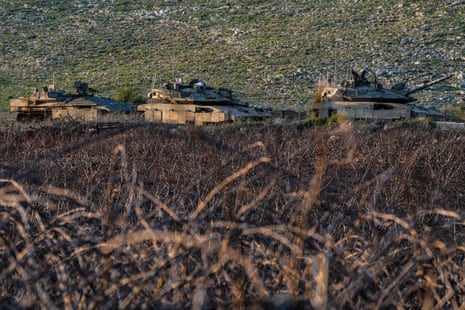
Israel, which has kept up strikes targeting Hezbollah despite a 2024 ceasefire, launched multiple waves of strikes this week across Lebanon and sent ground troops into border areas.
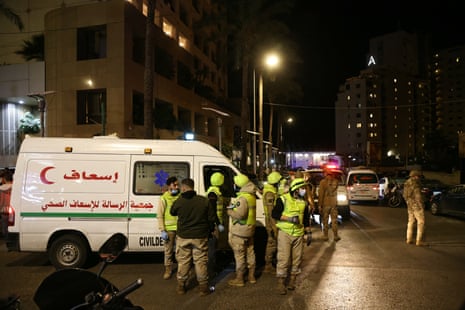
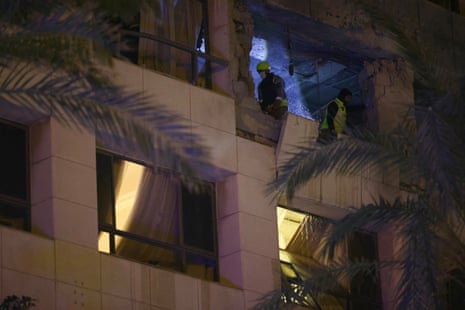
AFPTV footage showed smoke billowing over the southern suburbs of Beirut on Sunday following an apparent air strike on the area where Lebanese militant group Hezbollah, which is backed by Iran, holds sway.
Several hours earlier, the Israeli military said it had launched strikes on “Hezbollah infrastructure” in that area.
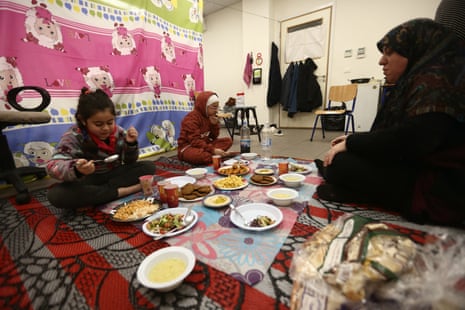
Lebanon’s health ministry said at least 294 people have died in Israeli air strikes over the past week, prompting Prime Minister Nawaf Salam to warn of a looming “humanitarian disaster”.
Israel launches fresh strikes across Iran
The Israeli military said it launched a wave of strikes “across Iran” on Sunday, targeting military sites.
A military statement said it had “initiated a wave of strikes targeting the Iranian terror regime military infrastructure across Iran”.
Iran launches fresh strikes launched across the Gulf
The United Arab Emirates said its air defence systems were intercepting missiles and drones launched from Iran on Sunday.
“UAE air defences are currently responding to incoming missile and drone threats from Iran,” the defence ministry said in a post on X, adding sounds of explosions were a result of the systems “intercepting missiles and drones”.
The attacks come after Iran’s president apologised to neighbouring states for its attacks on U.S. facilities in those countries, in an attempt to cool anger across the Gulf, but stirred criticism from hardliners at home.

Deepa Parent
As day breaks in Iran, some Tehranis have shared their terrifying experience of last night’s strikes in the capital.
Reza*, a human rights activist in southern Tehran, 31, told the Guardian:
It’s catastrophic. The smoke has entered our homes, the flames are still rising and it feels like the sun is shining… The flames are so bright the highways look like it’s day time.
So bright but doesn’t feel right. We can’t leave and we can’t stay… Do we drive out or stay here? Are we the only one in hell, or is the fire burning across the city? We don’t know what’s happening. Help please!”
Mehnaz*, 39, is an artist in southern Tehran. She sought to flee the city overnight with her husband. They had to turn back, however, as smoke from the attack on Shahr-e Rey oil depot filled the streets.
She told the Guardian:
Tehran is burning and smoke has filled the streets. It’s impossible to drive out of the city and even with the windows closed, heavy smoke is making its way inside… Clueless whether to stay in or brave the flames and drive out while it’s still on fire. I don’t even have a mask.”
* Names have been changed
According to reporting by Axios, the United States and Israel have discussed sending special forces into Iran to secure its stockpile of highly enriched uranium at a later stage of the war. They cited four sources with knowledge of the discussions.
The Guardian could not immediately verify the report.
Kuwait cuts crude oil production amid renewed attacks
Kuwait authorities said two border guards were killed when the Gulf country was hit by a barrage of missiles and drones, compounding fears over energy supplies.
Kuwait’s military said it was still intercepting “hostile missile and drone attacks” on Sunday.
“Kuwaiti air defences are currently engaging hostile missile and drone attacks,” the military said in a post on X, adding that explosion sounds were the result of interceptions by air defence systems.
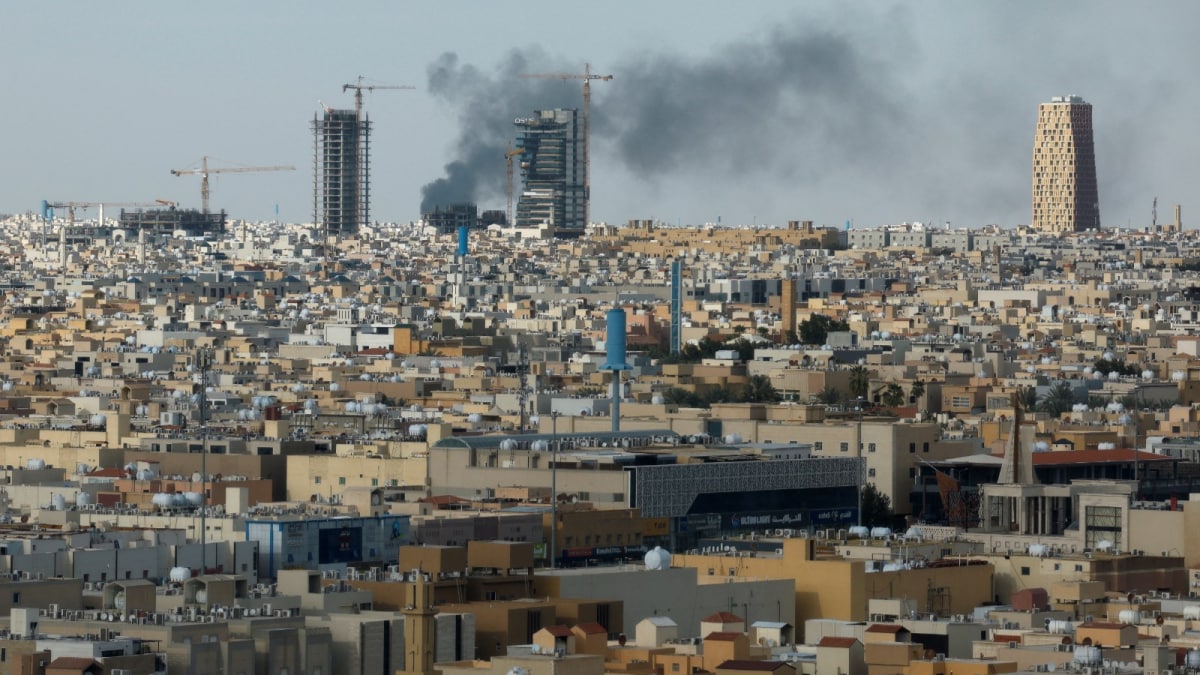
Saudi Arabia, Qatar and Kuwait all reported new attacks on Sunday. Kuwait’s national oil company announced a “precautionary” cut to its crude production, as the country’s military said Sunday it had responded “to a wave of hostile drones that penetrated the country’s airspace”.
Fuel tanks at Kuwait’s international airport were targeted in a drone attack, the military added. The official Kuwait News Agency said a fire at the airport was brought under control,
It called the drone attack “a direct targeting of vital infrastructure”.
The Kuwaiti interior ministry said two border guards “were martyred... while performing their national duty”, without elaborating. It was not clear whether their deaths were the result of an Iranian attack.
Israel renews its assault on southern Lebanon
Israel is renewing its assault on southern Lebanon, including targeting commanders of the Lebanese branch of Iran’s Revolutionary Guards’ Quds Force in Beirut.
The Israeli military said in a statement that it would “not allow Iranian terrorist elements to establish themselves in Lebanese territory”.
The latest strikes in Lebanon followed an Israeli attack Saturday on an oil storage facility in Tehran , which sent up pillars of fire into the night sky.
Air raid sirens sounded across Israel early on Sunday, warning of incoming missiles from Iran, with no reports of damage or casualties.
Israeli military statements said air defences were responding to at least two waves of “missiles launched from Iran toward the territory of the State of Israel”.
Alerts were activated across much of northern Israel including the port city of Haifa, according to the army’s Home Front Command, which ordered residents to go into shelters or safe rooms.
The alerts were later lifted, with the military saying, “it is now permitted to leave protected spaces in all areas of the country”.
Air raid sirens were later activated across southern Israel, including the city of Beersheba as well as parts of the occupied West Bank, according to the Home Front Command.
Israeli media reported that several missiles were launched and most had been intercepted.
US President Donald Trump has warned in a Truth Social post that more Iranian officials will be targets, saying: “Today Iran will be hit very hard!”.
Trump’s post came after comments made to reporters on board Air Force Once where he made it clear he had no intention of negotiating with Iran and suggested the Iran war would only end once Tehran no longer has a functioning military or any remaining leadership in power.
The US president also left open the possibility of deploying American troops on the ground.
Here are some images coming out of Lebanon and the border with Israel.

Opening Summary
Hello and welcome to our coverage of the US-Israel war on Iran, a conflict that is rippling across the Middle East with devastating consequences as it enters its second week.
US President Trump has remained sanguine about the prospects of the war, saying that Iran is being ‘decimated’ even as he has refused to rule out deploying US troops.
Meanwhile China’s foreign minister Wang Yi has condemned the war, saying it never should have happened.
If you are just tuning in, here is a quick recap of events.
Donald Trump claimed the US and Israel had “decimated” the Iranian regime, but offered only a vague description of what he meant by his demand for an unconditional surrender. “It’s where they cry uncle, or when they can’t fight any long longer and there’s nobody around to cry uncle — that could happen too,” the US president said aboard Air Force One.
Trump left open the possibility of deploying American troops on the ground. The US president addressed reporters hours after travelling to Dover air force base in Delaware to attend the so-called dignified transfer of six US service members killed in the opening days of his war against Iran.
The US-Israel war on Iran “should never have happened”, China’s foreign minister said on Sunday. “The world cannot return to the law of the jungle,” Wang Yi told a press conference in Beijing, calling for an end to military operations.
Iran can fight a war of this size and scale for “at least” another six months, a Revolutionary Guards official has claimed. The defiant statement was carried by the semi-official Fars news agency, which has links to the Islamic Revolutionary Guard Corps (IRGC).
Iranian president Masoud Pezeshkian previously apologised to neighbouring countries attacked by Iran. He also said Iran’s interim leadership council had approved that no attacks or missile strikes would be carried out against such countries unless an attack against Iran originated from them.
Vast plumes of smoke and fire have been seen rising over the Tehran skyline overnight. The Israeli military said it struck “several fuel storage complexes” across the city.
At least four people were killed after an Israeli strike on an apartment in the Ramada hotel building in central Beirut, Lebanon’s health ministry said. Ten people were injured. Israel said it conducted a “precise strike” on what it called “key commanders” in the IGRC’s Quds Force foreign operations arm.
In a post on social media, Trump renewed his criticism of the UK’s lack of immediate support for US-Israeli strikes on Iran, and claimed Downing Street was now “giving serious thought” to sending two aircraft carriers to the region. “That’s OK, Prime Minister Starmer, we don’t need them any longer – But we will remember,” the US president wrote.