 14 minutes ago
Scott Bessent said on Friday that the Treasury Department, Pentagon, US Trade Representative's office and State Department had supported putting Megaspeed on Washington's trade blacklist "for months". But despite that backing, the decision was never made.
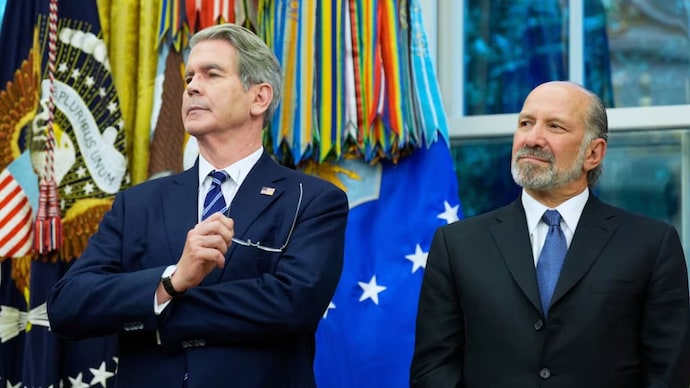
The blunt remark amounts to a rare public rebuke from one Cabinet department to another. (Photo: Reuters)
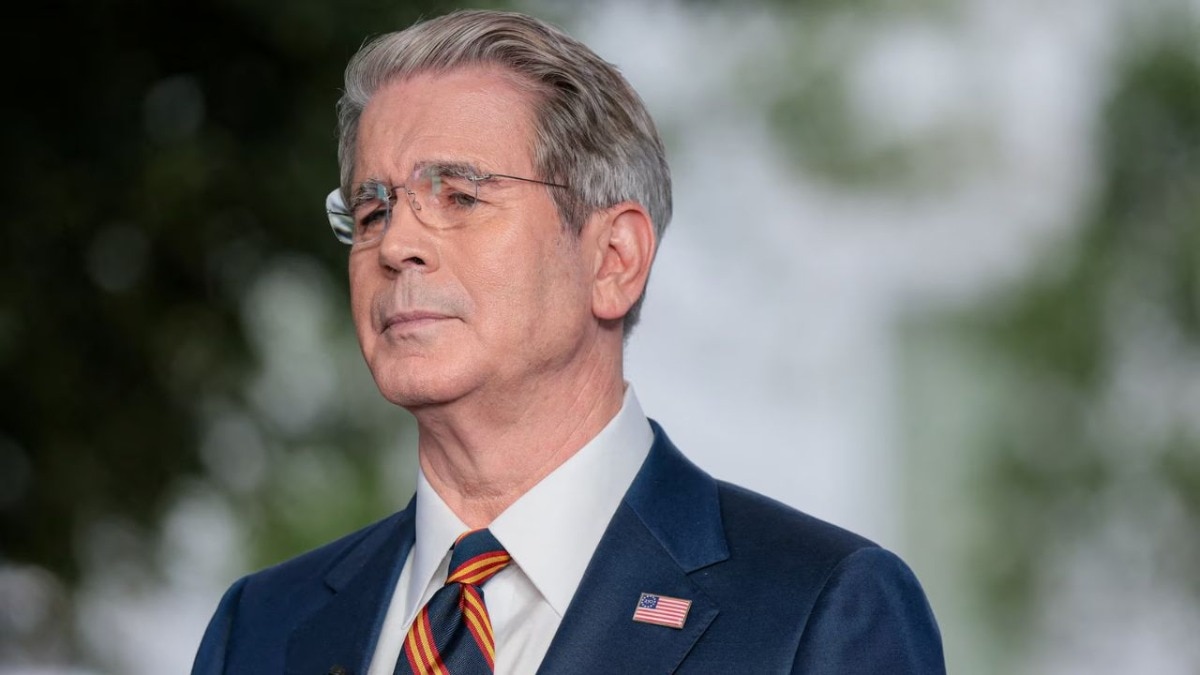
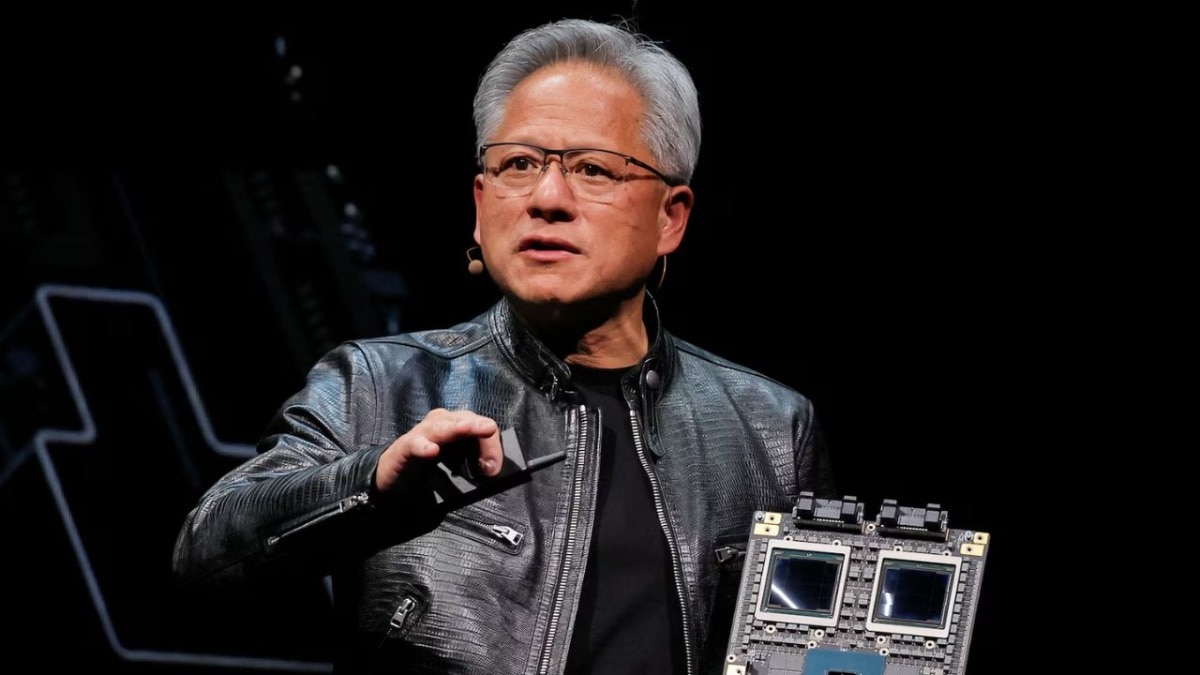
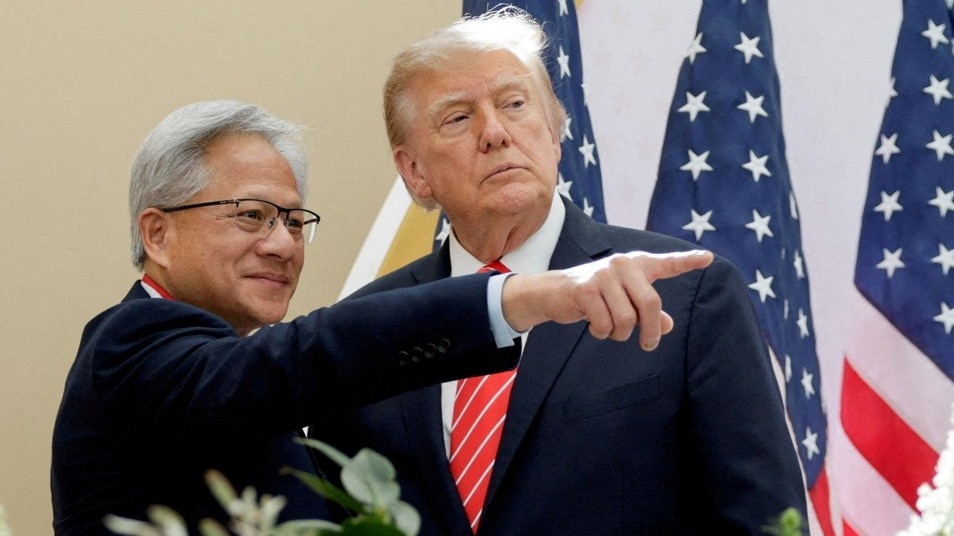
US Treasury Secretary Scott Bessent has publicly pointed the finger at Commerce Secretary Howard Lutnick's department over its failure to blacklist Megaspeed, the Singapore-based company at the centre of a widening Nvidia scandal that has already ended Jensen Huang's tenure as the chipmaker's chief executive.
Bessent said on Friday that the Treasury Department, Pentagon, US Trade Representative's office and State Department had supported putting Megaspeed on Washington's trade blacklist "for months". But despite that backing, the decision was never made.
"But Commerce has the pen. You will have to ask them about their internal processes," Bessent told CNBC.
The blunt remark amounts to a rare public rebuke from one Cabinet department to another. It also puts Lutnick's Commerce Department under scrutiny at a awkward moment, with questions already mounting inside the Trump administration over how effectively US export controls are being enforced.
COMMERCE DEPARTMENT UNDER SCRUTINY
Megaspeed has emerged as a key name in the controversy surrounding Nvidia Saga and its prized artificial intelligence chips. The Singapore company is suspected of helping Chinese firms bypass US export restrictions by purchasing Nvidia chips for data centres in Southeast Asia and allegedly routing them towards China. Reports have said the company traded more than USD 4 billion worth of Nvidia chips over a two-year period.
Washington has imposed strict controls on the most advanced AI chips that can be sold to China. Bessent said President Donald Trump had been clear about the limits. He said he was "frustrated" because Trump "made it very clear that China should not receive any Nvidia chips above H100s".
"Any leakage is very frustrating because it hurts our great companies, and in the AI race gives the Chinese an advantage," Bessent said.
This comes at a sensitive time for the administration. Some Trump advisers have reportedly begun questioning whether Lutnick should remain at Commerce following the fallout from the Nvidia affair. Trump has also received concerns from administration officials and outside advisers about the secretary, according to US media reports.
The White House, however, has so far backed Lutnick.
THE AFFAIRS ARE NOT THE WHOLE STORY
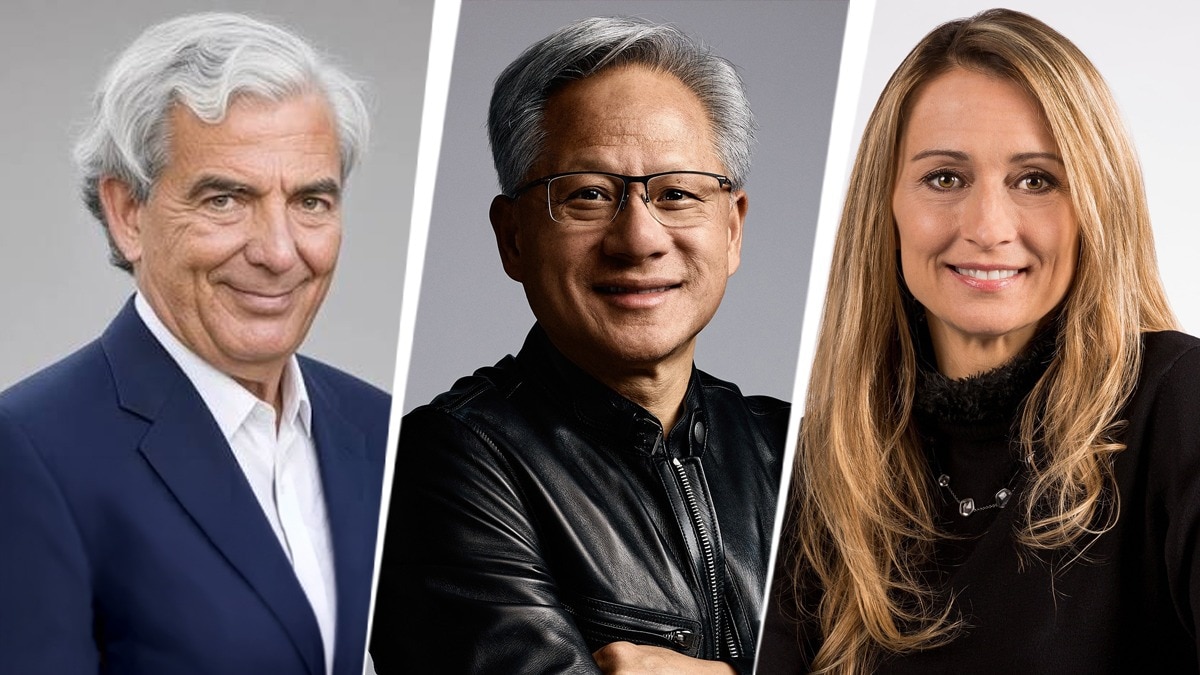
The scandal has attracted enormous attention because of the personal allegations surrounding Huang, but Bessent argued that the most important question lies elsewhere. Alice Huang, Megaspeed's former director, was identified as an alleged Chinese intelligence asset. She has also been reported to have had a relationship with Jensen Huang. The two are not related. Huang's relationships with women at Nvidia have also widened the scandal. The New York Times reported that he had an affair with Kimberly Powell, Nvidia's vice president of healthcare, who was a subordinate. A day later, Reuters reported that Huang had an intimate relationship with another Nvidia employee, although the employee has not been publicly identified.
Jensen Huang admitted an extramarital affair in a November 8 letter to Nvidia employees but did not identify the woman involved. He resigned from the company on Thursday after more than three decades at Nvidia.
For Bessent, however, the affair risks distracting from a potentially much bigger national security and export-control question.
"The story thus far has been on Jensen Huang's personal foibles," he said. "The real story here should be: Did Nvidia know their client, and was there a robust effort at Nvidia to make sure that there was no leakage."
That question goes directly to how Nvidia handled customers and intermediaries who may have been used to move restricted technology. Bessent questioned whether the chipmaker had been selling to "what were obviously pass-through shell companies".
"I think it's important that anyone at the company there be held accountable for that," he said.
WHO KNEW WHAT AND WHEN?
The Treasury chief said the wider system had suffered from "a lot of leakage" and that the administration was "constantly working to close that down".
The issue is particularly sensitive because Washington's restrictions are designed to prevent China from obtaining advanced computing technology that could strengthen its artificial intelligence capabilities. If restricted Nvidia chips were able to reach Chinese companies through intermediaries, the problem would not simply be about one company or one executive. It would raise questions about the effectiveness of the US enforcement system itself.
And Bessent's account claims that the dispute over Megaspeed did not begin after Huang's resignation. According to him, multiple agencies had already backed blacklisting the company for months. The unresolved question is why that recommendation did not translate into action.
"But Commerce has the pen," Bessent said.
That line leaves the Commerce Department with a particularly uncomfortable question: if the other agencies were ready to act, why was Megaspeed still outside the blacklist?
LUTNICK STILL HAS TRUMP'S BACKING
The pressure on Lutnick has not yet translated into a White House move against him. Trump and Lutnick are longtime allies, and the administration has rejected speculation that the Commerce secretary is losing the president's confidence.
The White House issued a statement on Thursday, before Bessent's CNBC remarks, saying Trump "maintains complete confidence in the secretary and his ability to carry out the position as the most transformative Commerce Secretary in modern history."
That endorsement means Lutnick remains in place for now. But the fallout from the Nvidia scandal has complicated his position within the Trump administration.
- Ends
With inputs from agencies