2 hours ago
Ayatollah Ali Khamenei's killing by the US and Israel was meant to break the system in Iran. Instead, it has tested it, and, for now, it has seemingly strengthened it. The conflict is widening across the Middle East, and it appears that Iran is not going to step back.
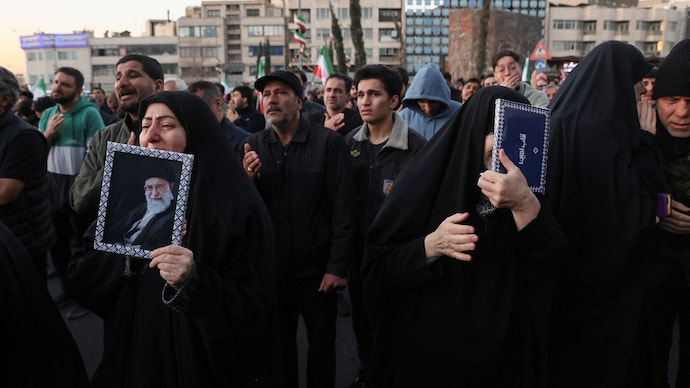
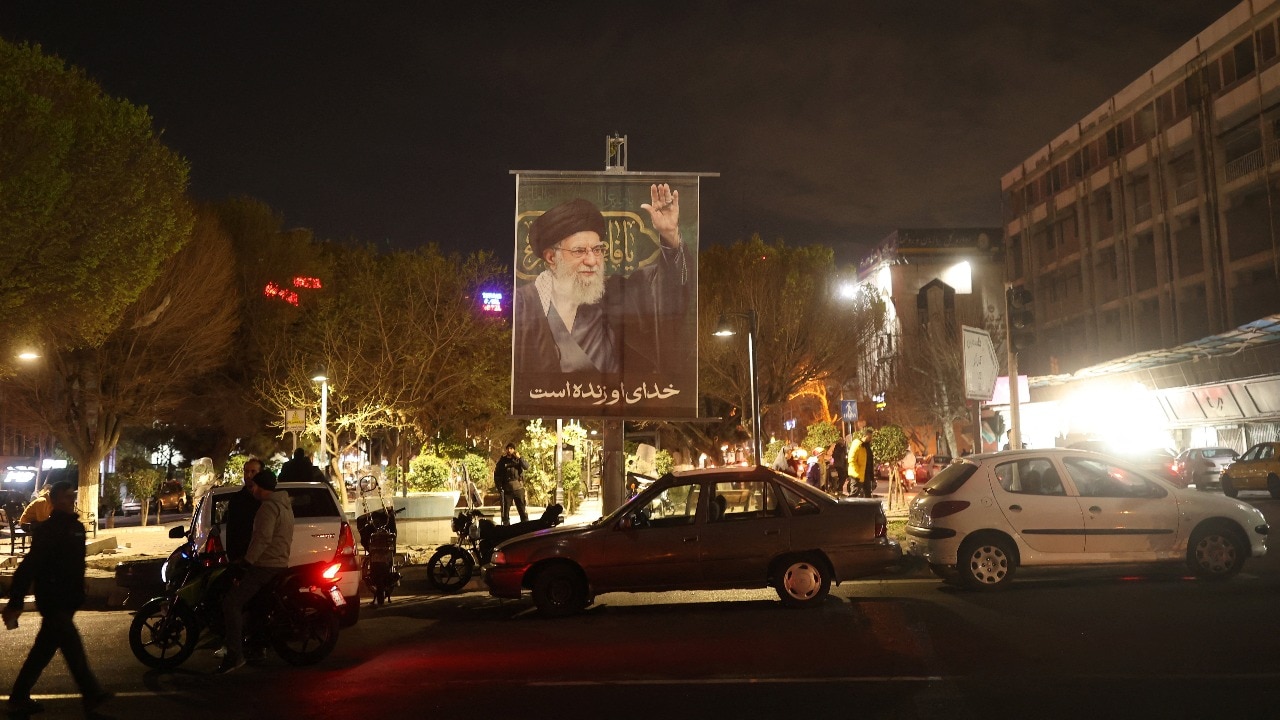
Mourners gather at the Enghelab Square, after Iran's Supreme Leader Ayatollah Ali Khamenei was killed in Israeli and US strikes on Saturday, in Tehran. (Image: Reuters)
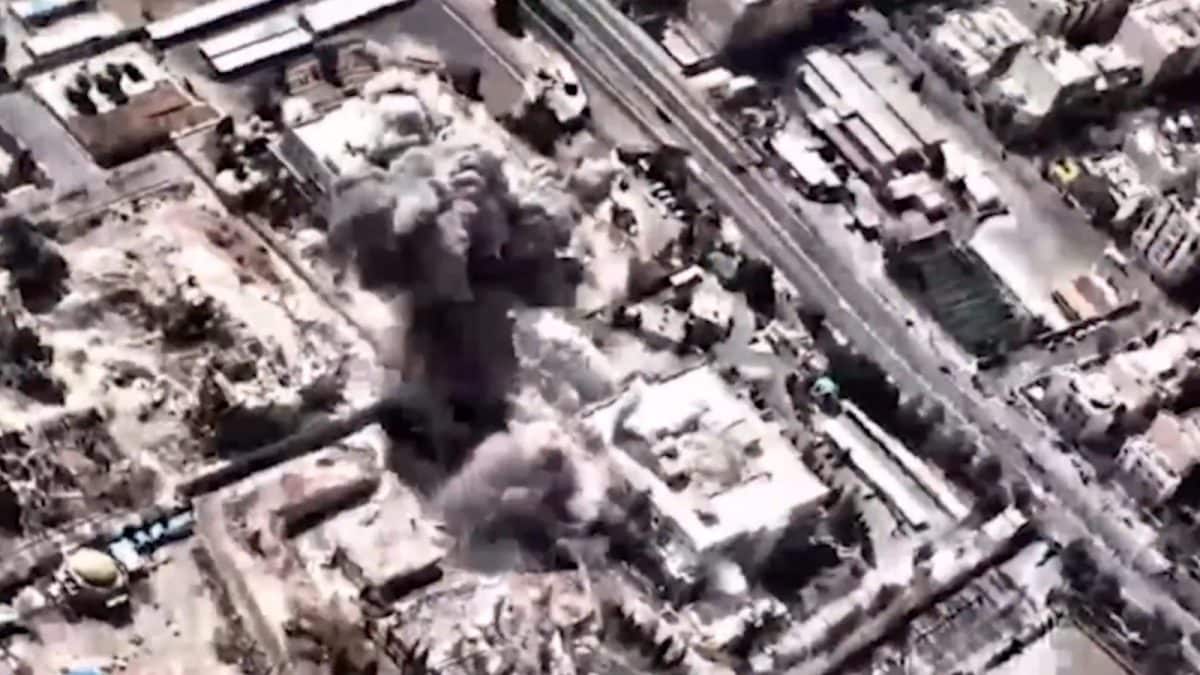
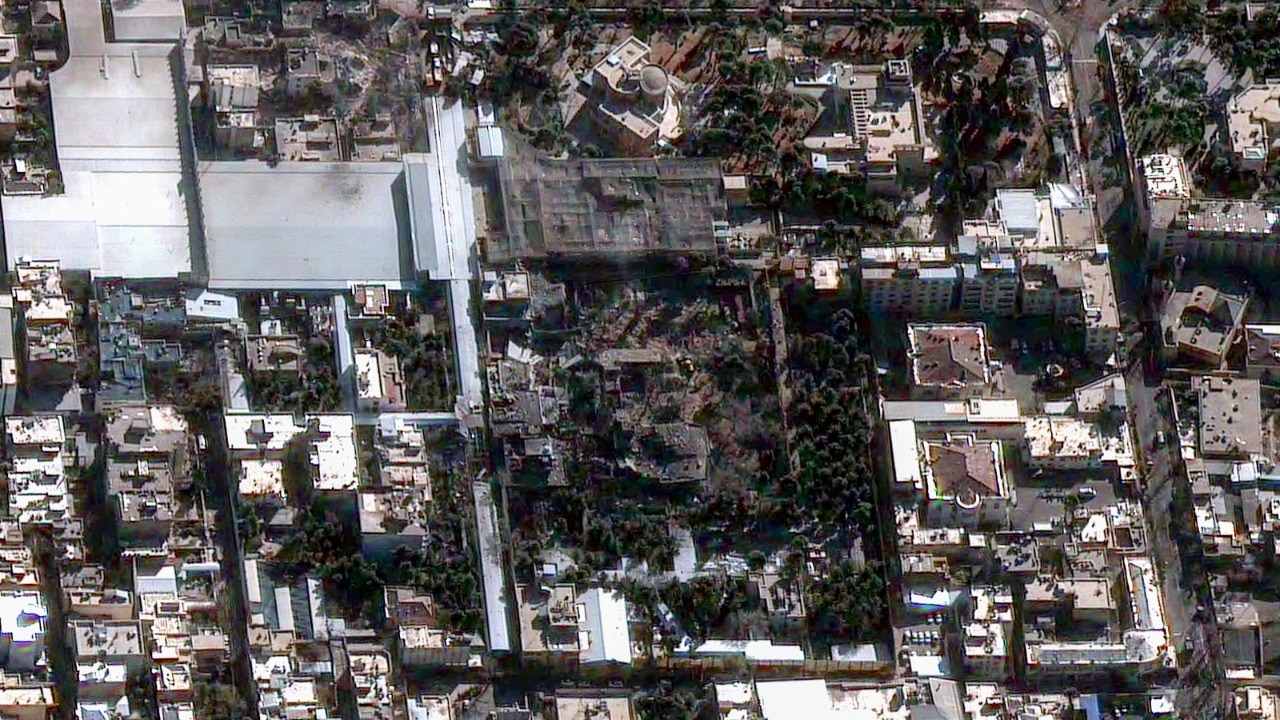
As the crisis in Iran escalated, the speculation that the Shia regime's Supreme Leader, Ayatollah Ali Khamenei, might be killed by the US and/or Israel, was always there. And then Khamenei's killing happened on Saturday. The US and Israeli forces launched coordinated strikes on the morning of February 28, targeting Iranian leadership and military sites in what Washington dubbed "Operation Epic Fury" and Tel Aviv called "Roaring Lion". However, even after the death of Ayatollah Ali Khamenei, Iran has shown no signs of capitulation. It has been relentless in its counterstrikes, which has spread the fire across the Middle East.
A regime change has not happened, and a senior cleric, Ayatollah Arafi, has been named the interim Supreme Leader. Meanwhile, Iranian President Masoud Pezeshkian has already said the regime sees revenge for the attacks by Israel and the US as its "legitimate right and duty".
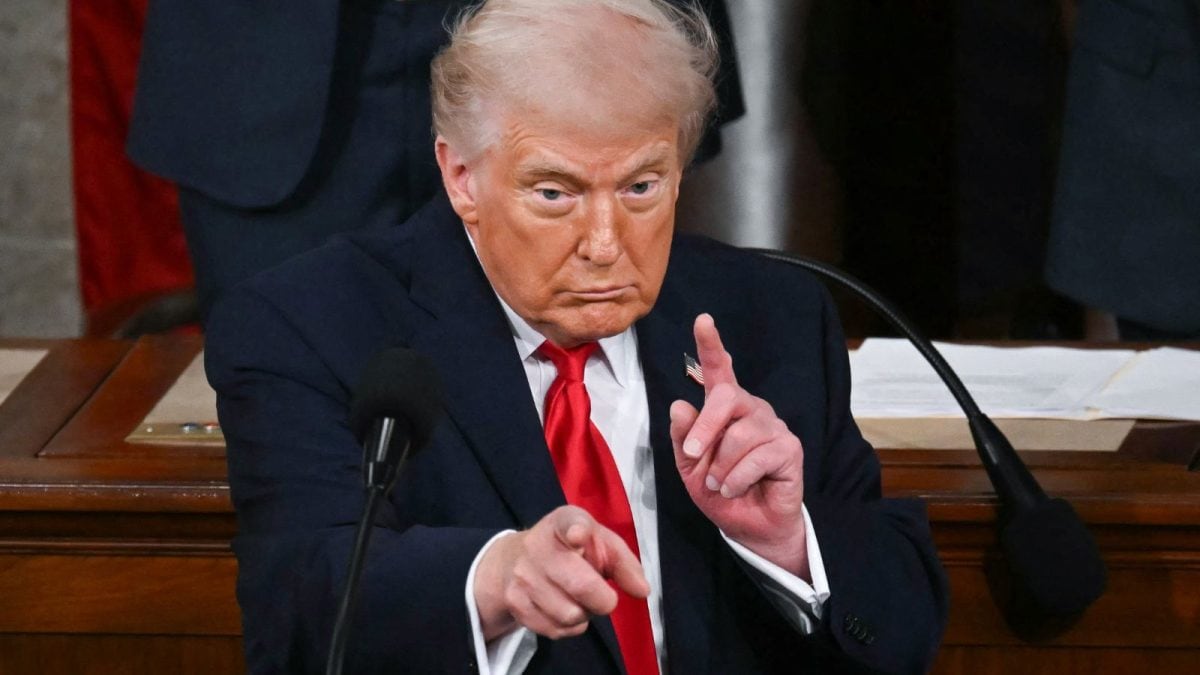
"US President Donald Trump has crossed 'a very dangerous red line' by killing Iran's Supreme Leader Ali Khamenei," the Iranian deputy foreign minister Saeed Khatibzadeh told CNN on Sunday.
The joint strikes by the US and Israel killed top Islamic Revolutionary Guard Corps (IRGC) commanders, the Army's Chief of Staff, Abdul Rahim Mousavi, and Defence Minister Aziz Nasirzadeh, other than hitting suspected nuclear sites.
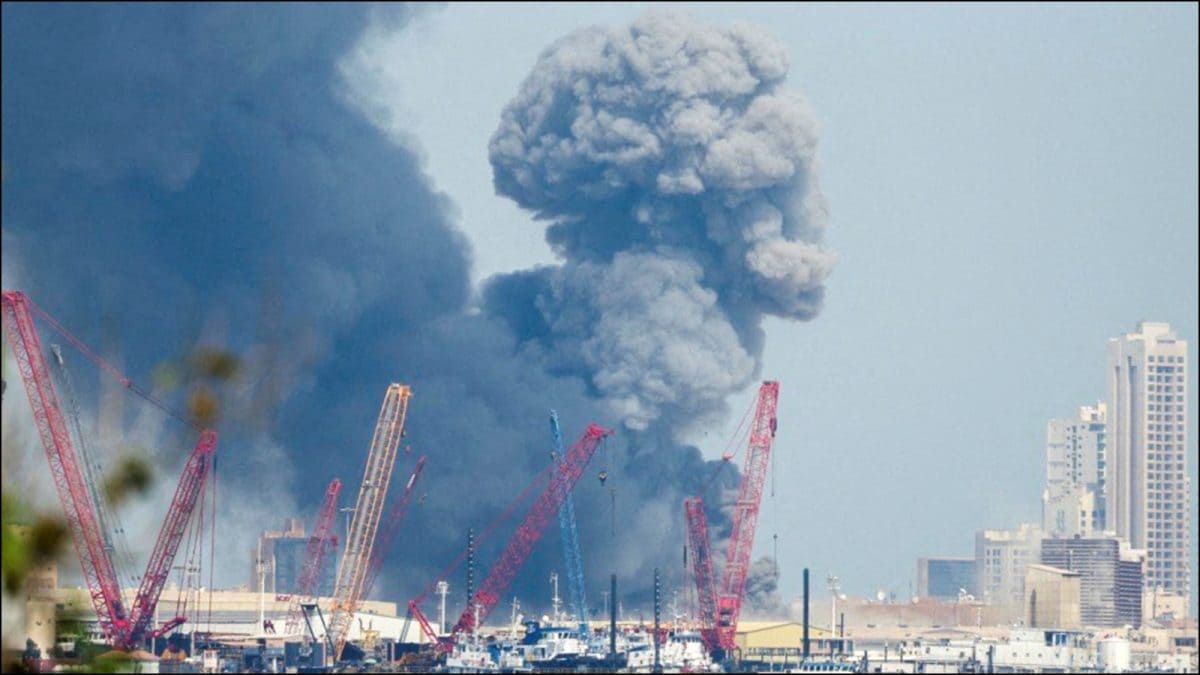
Tehran has launched intense retaliation, with missile barrages on Israeli cities and 14 US bases in the Gulf region, even as it vowed "severe punishment" to both Israel and America.
This raises a very important question: Have the US and Israel fulfilled their goals of weakening the regime? Or curbing its regional influence? Did the strike force a behavioural change in the nature of the Iranian leadership? Or has it become more determined to take on Israel and the US?
IRAN'S RESILIENCE ECHOES PAST CONFRONTATIONS
It might be too soon to comment on whether the goals of the US and Israel are achieved, but by the looks of it, both Washington and Jerusalem have riled up Tehran even more. Iran's resilience right now echoes patterns seen in past confrontations, where military pressure has battered the country but failed to bend its will.
Geopolitical commentator Will Schryver argued the US and Israel would not be able to sustain a high-intensity war against Iran and its allies for more than weeks. He said in a post on X, "Both sides will be hurt badly, but the Iranians will not be defeated. And the US will then look around and discover itself in a state of acute logistical crisis after only a fortnight of high-intensity combat operations."
The strikes on Saturday marked the culmination of months of US troops' build-up around Iran. By January, Trump had shelved, but not abandoned, plans for military action, as reported in analyses of US hesitations.
The February 28 operation aimed to decapitate the regime, disrupt its nuclear programme, and deter further aggression. Trump claimed it would pave the way for regime change, even as he urged Iranians to "topple their ruler". Israeli Prime Minister Benjamin Netanyahu framed the strikes as essential to neutralise existential threats from Iran's nuclear ambitions and proxy networks.
But it now looks like the war will drag on for a long time — for months, if not years. Many observers have likened the situation in Iran to the Iraq conflict of the early 2000s. Except that Iran's structure and resilience make it very different from Iraq in that era.
What most people ignore is that the Iranian regime is unlike Syria's or North Korea's. It might be personality-based with the Supreme Leader as its face, but it has a clerical system in place to ensure continuity if he is taken out.
WHAT IRAN'S RETALIATION SAYS ABOUT ITS RESOLVE
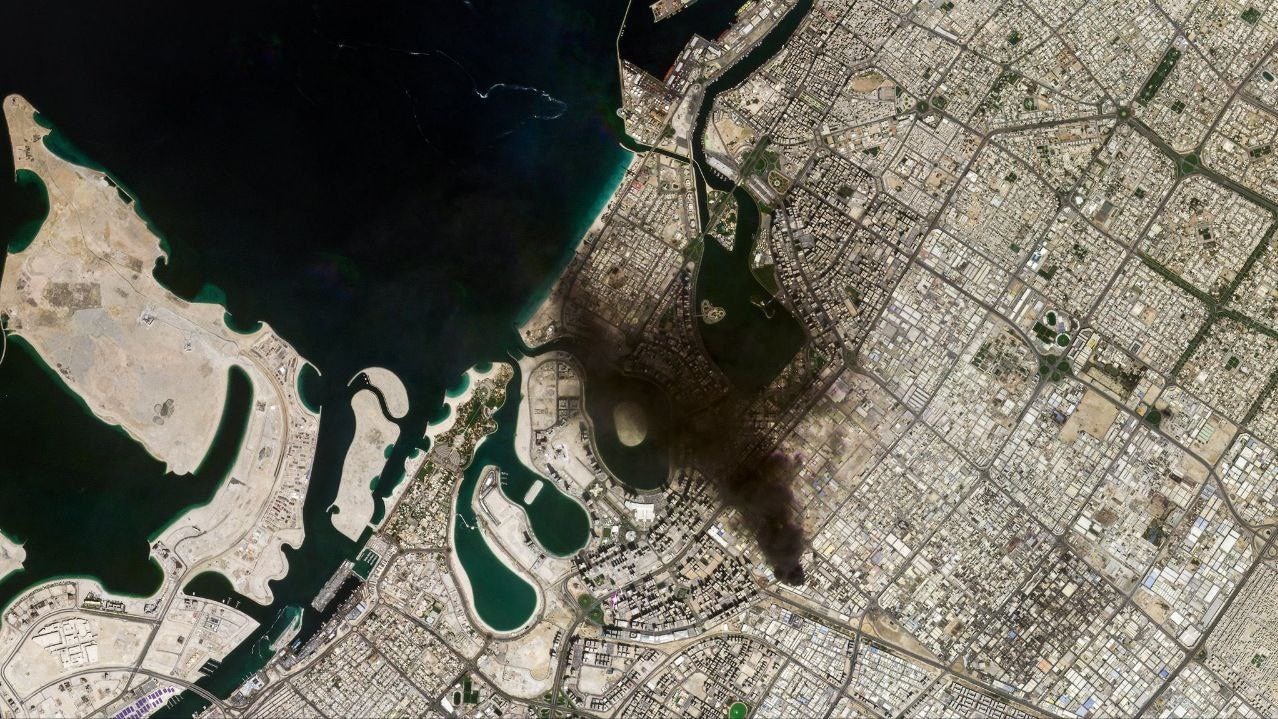
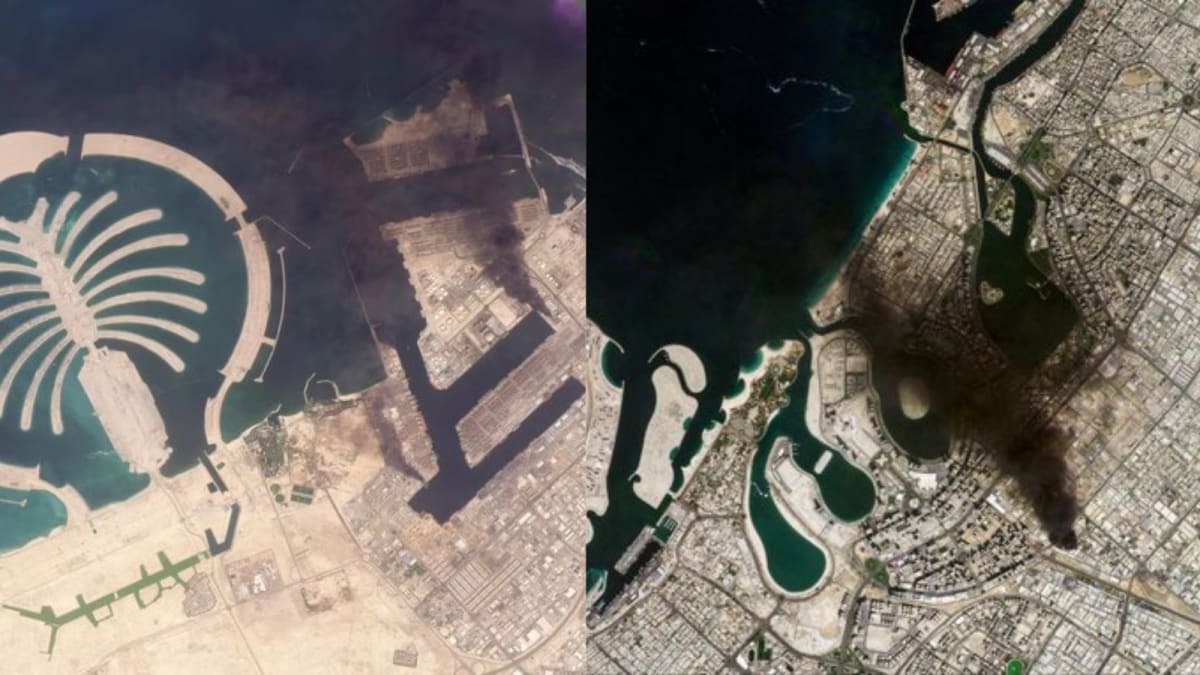
A lot can be inferred from the scale of Iran's retaliation, which happened in the blink of an eye. Iran fired ballistic missiles and drones at Israel and multiple US military bases across the Gulf, including in Bahrain, the UAE, Qatar, Kuwait and Jordan. It shows Iran does not hesitate at all from the "consequences".
Parliament Speaker Mohammad Bagher Ghalibaf said that pre-planned contingencies were in place for Khamenei's "martyrdom", which led to the swift formation of a Leadership Council comprising senior clerics, IRGC officials, and other political figures, reported The Times of Israel.
This body was set up to ensure continuity of the Islamic Republic's governance.
That the regime functioned despite top leadership being taken out was evident in the attacks and the warnings. The Iranian Parliament Speaker called the US and Israeli leaders "filthy criminals" who will face "devastating blows".
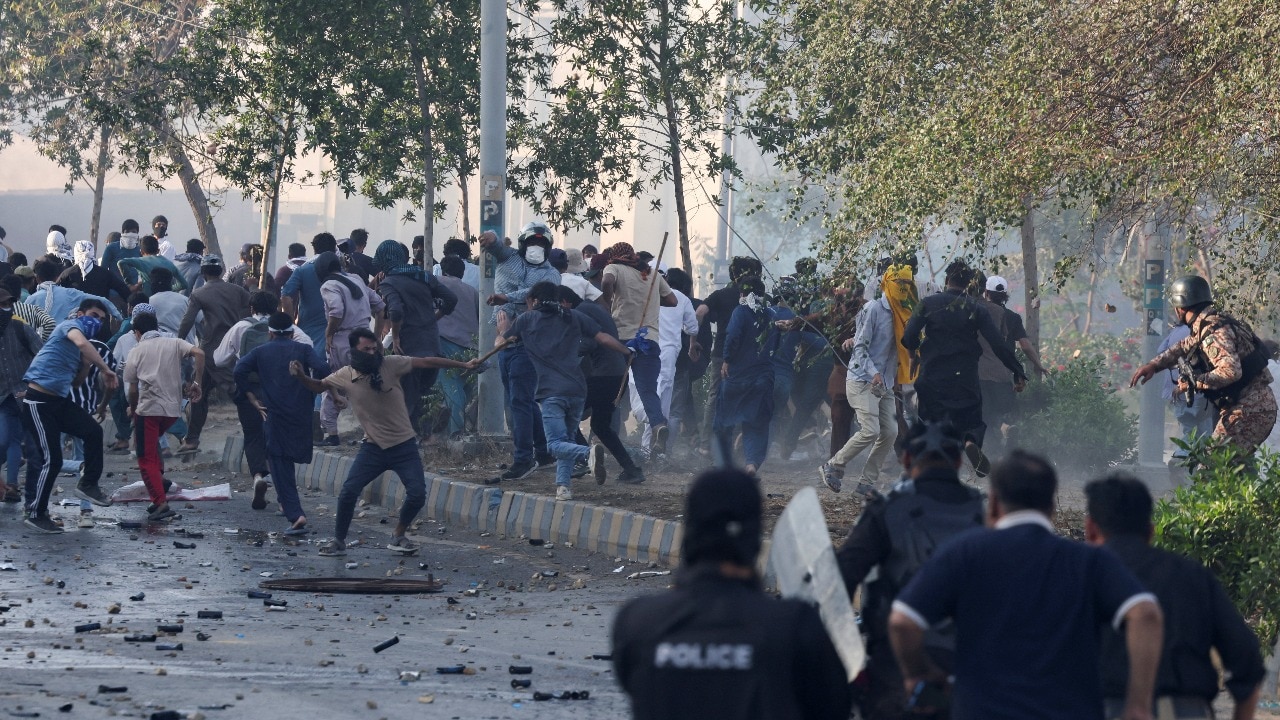
Reports suggest that there is a mix of shock, grief and disbelief across Iran following the death of the Supreme Leader. While some celebrated Khamenei's killing, many are mourning his death, including women.
But one thing remains clear — the attacks on Iran and the killing of Ayatollah Ali Khamenei have by no means fractured the regime. In fact, the regime is rallying domestic support by portraying the strikes as foreign aggression.
HISTORICALLY, IRAN HAS REFUSED TO BOW DOWN TO PRESSURE FROM THE WEST, ISRAEL
The US has long employed sanctions, covert operations, and limited strikes to pressure Iran, crippling its economy and isolating it internationally.
The 12-day war in June 2025, for instance, saw US and Israeli bombings kill generals and scientists, yet Tehran rebuilt its capabilities and continued proxy activities.
When deadly protests against the Ayatollah regime began in Iran in December 2025, Israeli evaluations suggested that by harsh crackdown on unrest, the regime was instead reinforcing its control, stopping short of the kind of tipping point where one decisive strike could cause the system to collapse.
Following that, Trump's threats appeared to be bluffs, deferred over challenges of regional chaos in West Asia, which has now seemingly begun, with flares reaching Dubai and Abu Dhabi.
Even now, with Khamenei gone, no clear successor outside the regime, like exiled Crown Prince Reza Pahlavi, enjoys broad support in Iran. If Pahlavi were to be brought back to Iran, it would be akin to navigating a political vacuum after four decades of the Ayatollah's rule.
Though there's deep-rooted anger against the clerical regime, Iranian people have seen what has happened in their neighbourhood after US interventions, and understand that an authoritarian government is better than no government.
IRAN'S PROXY NETWORKS ARE WEAK, YET ACTIVE
Iran's proxy networks — militias in Iraq, or remaining Houthi forces in Yemen — though weakened significantly, can still disrupt US bases in the Gulf region.
Hamidreza Azizi, a visiting fellow at SWP, a Berlin-based research institute, and an Iran expert, said in a post of X, "Yemen's Houthis have announced renewed attacks in the Red Sea, meaning the conflict has already begun evolving into a multi-front regional confrontation."
Iran's missile arsenal is currently on display, hitting Gulf countries. Meanwhile, the Strait of Hormuz, where 20% of global oil passes, has also been shut down.
The strikes have seemingly hardened Iran's resolve. Azizi also said in his X post, "The early pattern suggests a far more coordinated, expansive, and escalatory conflict than the 12-Day War, with regime decapitation, direct US participation, rapid Iranian retaliation, and immediate regional spillover."
Former CIA officer Philip Geraldi had warned over a decade ago that "any US war with Iran would stem not from direct threats but from Israeli influence, potentially manufacturing pretexts for escalation".
In essence, while the strikes have battered Iran, inflicting leadership loss at the highest level, and infrastructure damage — they haven't been able to bend Tehran.
The regime's quick transition to a Leadership Council, retaliatory strikes, and unbowed posture suggest the road ahead is a tough one for the US and Israel.
One must remember, Iran, an ancient civilisation, has endured many sieges and protests in the past, and has historically refused to kneel. Though the US and Israel managed to kill Khamenei, who was at the helm for 37 years, the clerical regime in Tehran, for now, is standing firm.
- Ends
Published By:
Anand Singh
Published On:
Mar 2, 2026 06:59 IST