1 month ago
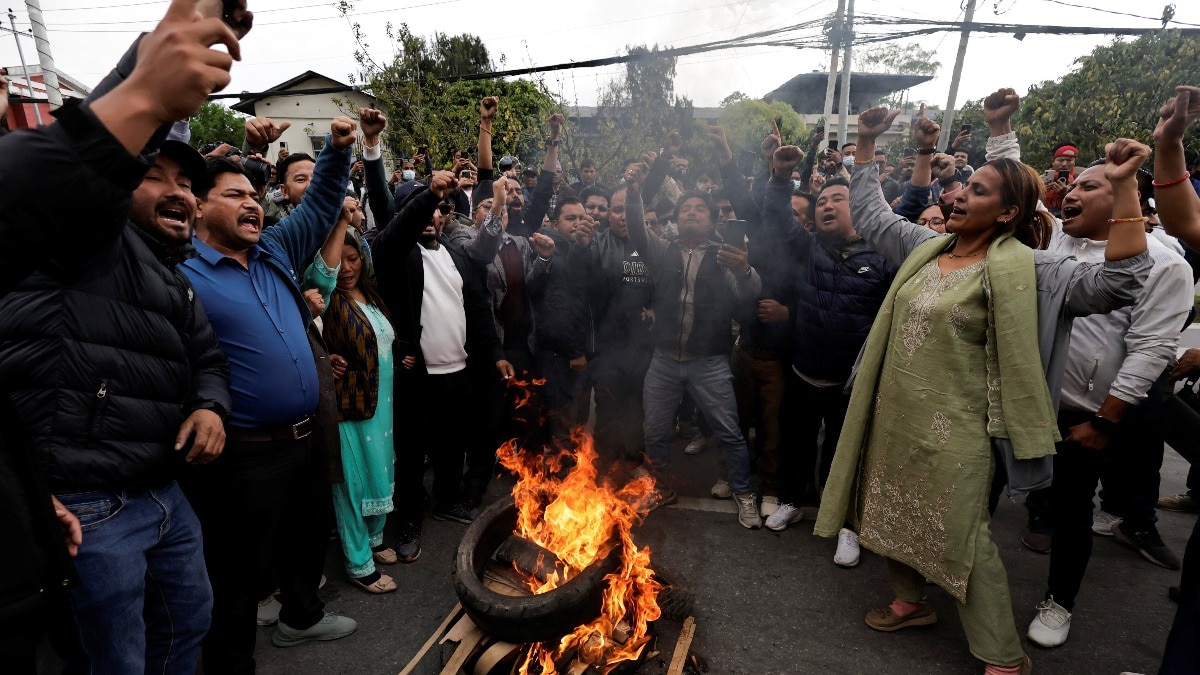
With the Middle East war nearing a month, Israeli airstrikes and ground operations in Lebanon have killed over 1,100 people, injured more than 3,200, and displaced over one million, worsening the humanitarian crisis.
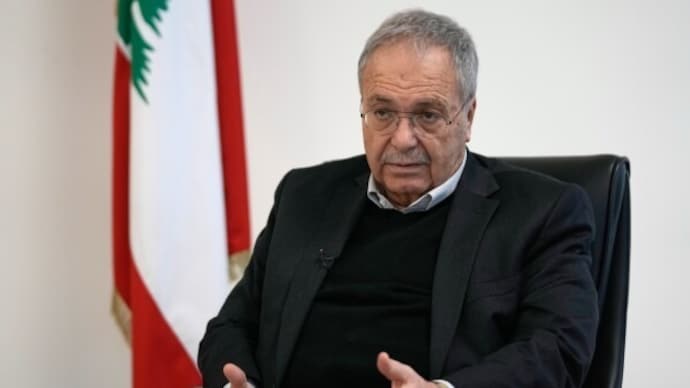
Deputy Prime Minister of Lebanon Tarek Mitri. (AP Photo)

New Delhi,UPDATED: Mar 27, 2026 23:52 IST
Lebanon’s Deputy Prime Minister, Tarek Mitri, has issued a stark warning that Israeli military operations in southern Lebanon risk turning the region into "another Gaza," amid escalating airstrikes, mass displacements, and fears of prolonged occupation. Speaking exclusively to India Today’s Marya Shakil from Beirut, Mitri described a deteriorating humanitarian crisis and called for an immediate ceasefire to the "main war" in Iran and a "smaller conflict" in Lebanon.
"There are Israeli cabinet ministers who warned us that Southern Lebanon, the so-called buffer zone, will be another Gaza. It's not an accusation that we voice against them (Israel), it is they who draw the comparison between what they're doing in Southern Lebanon and what they have done previously in Gaza," Mitri stressed, adding that "There is a whole region where the level of destruction is such that villages not only are emptied but are made inhabitable sort of supports this comparison made with Gaza".
According to him, more than a thousand civilians have been killed, while the displacement crisis has reached alarming levels. "The most difficult issue the government is facing at present is the large number of displaced persons, about 20 percent of the total population," he stated.
As of late March 2026, intensified Israeli airstrikes and a ground offensive have killed over 1,100 people in Lebanon and injured more than 3,200, according to the Lebanese Health Ministry. The violence has displaced over one million residents, creating a deepening humanitarian crisis.
"It's a buffer zone, I'm quoting the Israelis, that will not be populated and, therefore, there is literally an ethnic cleansing that has taken place in the south. Number of villages have been emptied of their inhabitants with no prospect of return," he said.
He emphasised that the Lebanese government is struggling to cope with the crisis due to limited resources.
"The government is doing its very best with little international support as far as I know, is doing its best to cater for immediate needs of the displaced populations, provide shelters, food, basic medication and health care, but the means at our disposal are limited," Mitri said, warning that capacity could be exhausted within months if the conflict continues.
On the legality of Israeli strikes, Mitri accused Israel of violating international humanitarian law. "Israel has a track record of ignoring those two principles," he said.
He also criticised Israel's practice of issuing advance warnings before strikes, saying that notifying civilians to evacuate a building does not absolve responsibility for carrying out the attack. Mitri suggested that Israel’s long-term intentions may include occupation.
Calling the conflict broader than a targeted campaign against Hezbollah, Mitri said Lebanon as a whole is under attack.
"It is launching an all-out war against Lebanon. Of course, their main target is Hezbollah, but Lebanon, whether they call it collateral damage or any other word for that purpose, is suffering," he said.
He reiterated that Lebanon was not a willing participant in the conflict. "From day one, the Lebanese government has clearly stated that this is a war that we did not want. This is a war that Lebanon was dragged into," he said.
Mitri also pointed to the risk of long-term instability, warning that occupation could fuel further resistance.
"The lesson of history is clear. Violence breeds violence. Occupation invites resistance. And for those who have a short memory, the occupation of parts of southern Lebanon in the 80s has led to the emergence and development of Hezbollah," he said.
Describing the situation as part of a wider regional conflict, he added: "The war is regional, there is no doubt about that, and the fear is that it may, if a ceasefire is not reached within the next few days, it will extend into a much broader war".
Calling for immediate international action, Mitri said the priority is to halt the fighting and then pursue a political and diplomatic resolution, acknowledging that while this goal is difficult, it remains the only viable path forward.
"We know this is not an easily attainable object, but that's the only hope we have," Mitri concluded.
- Ends
Published On:
Mar 27, 2026 23:52 IST
Tune In